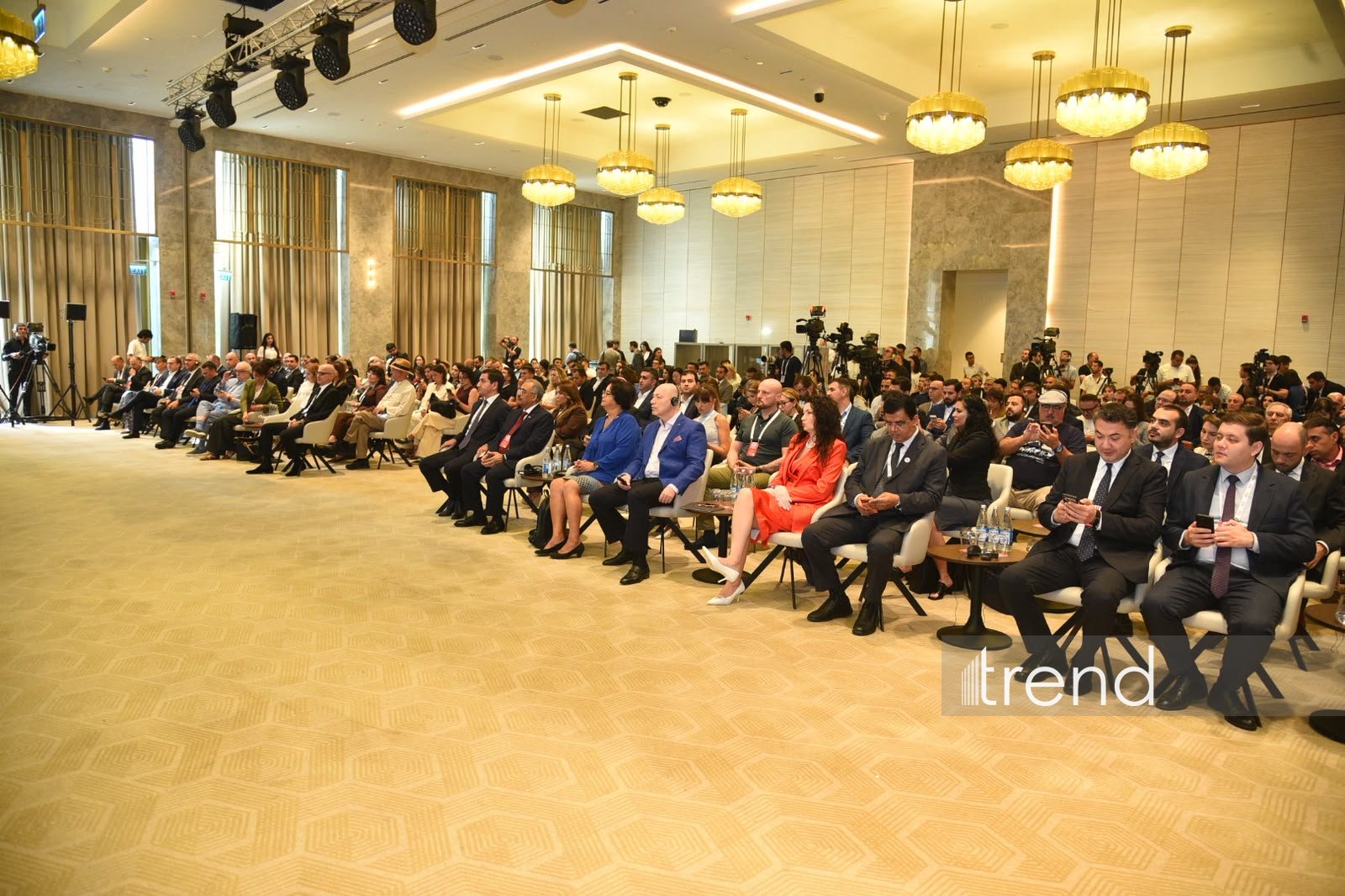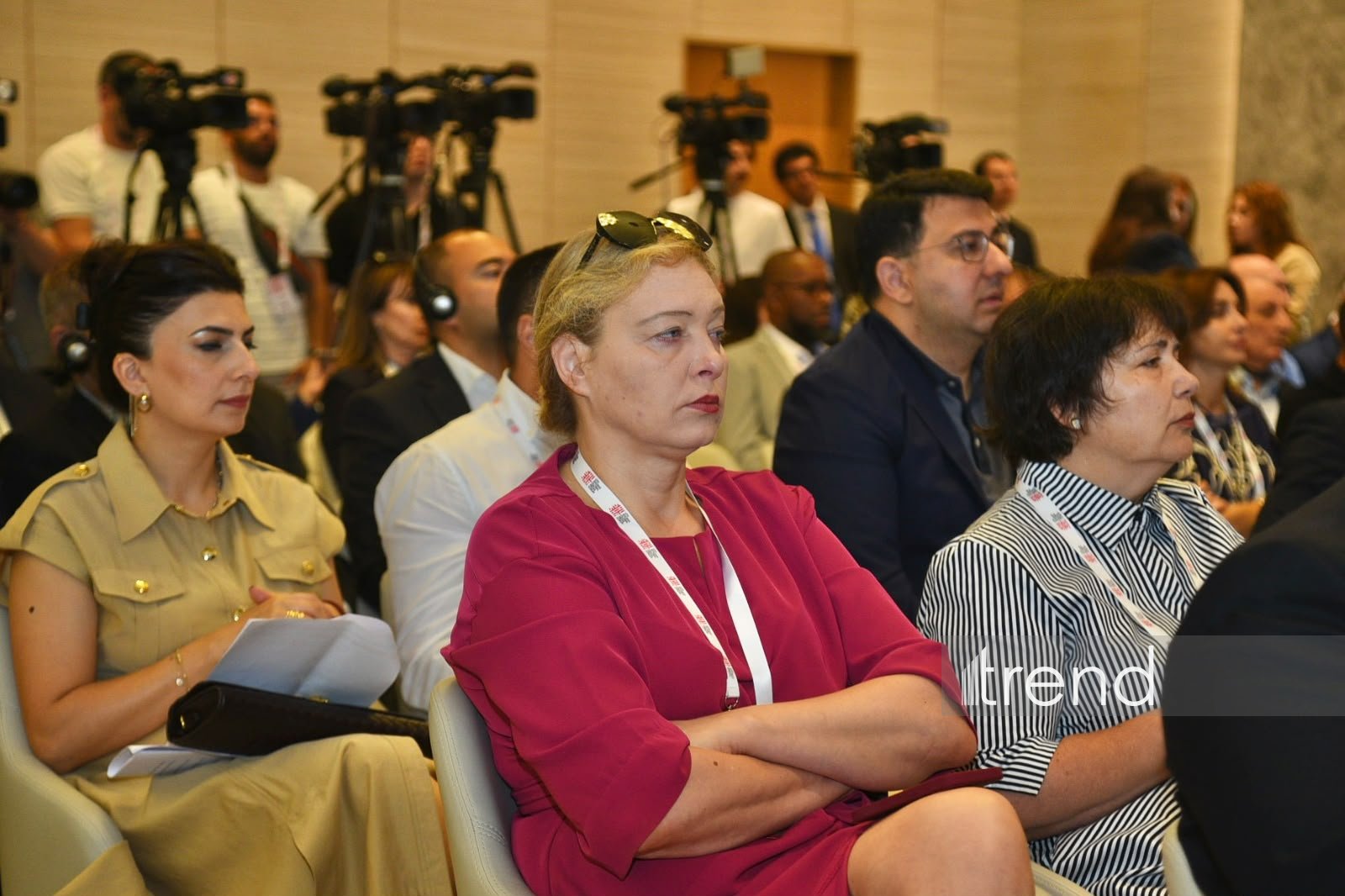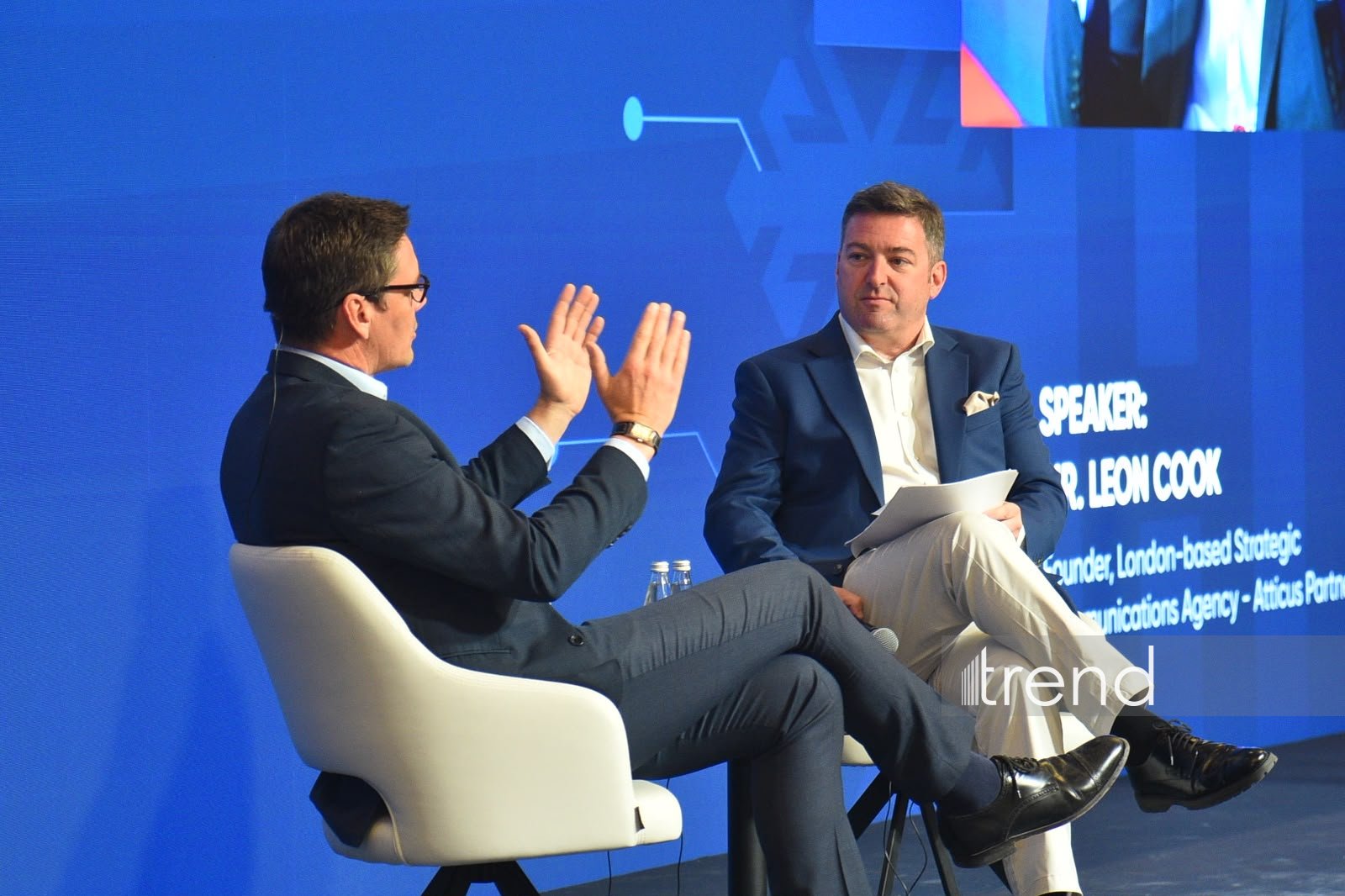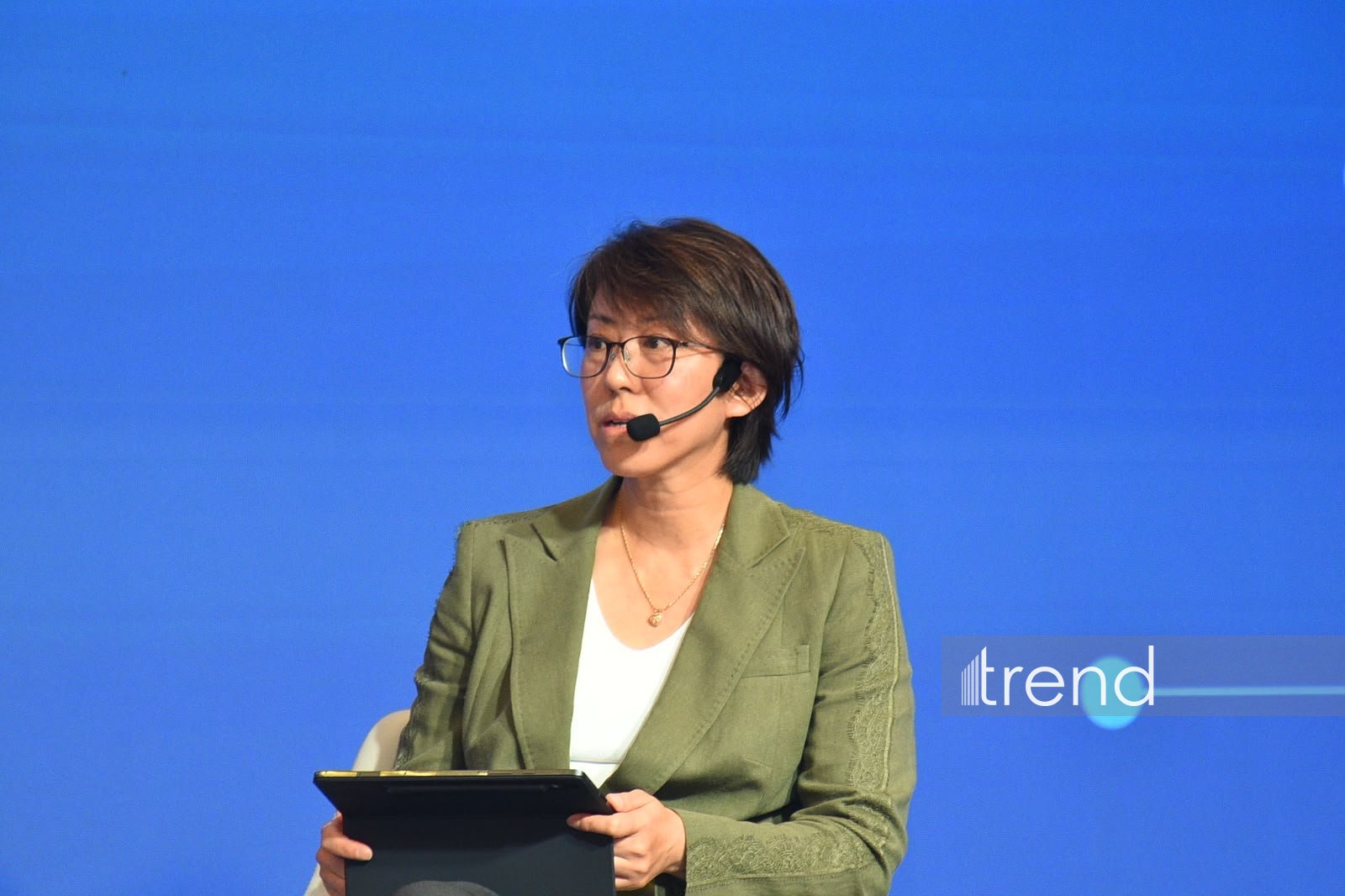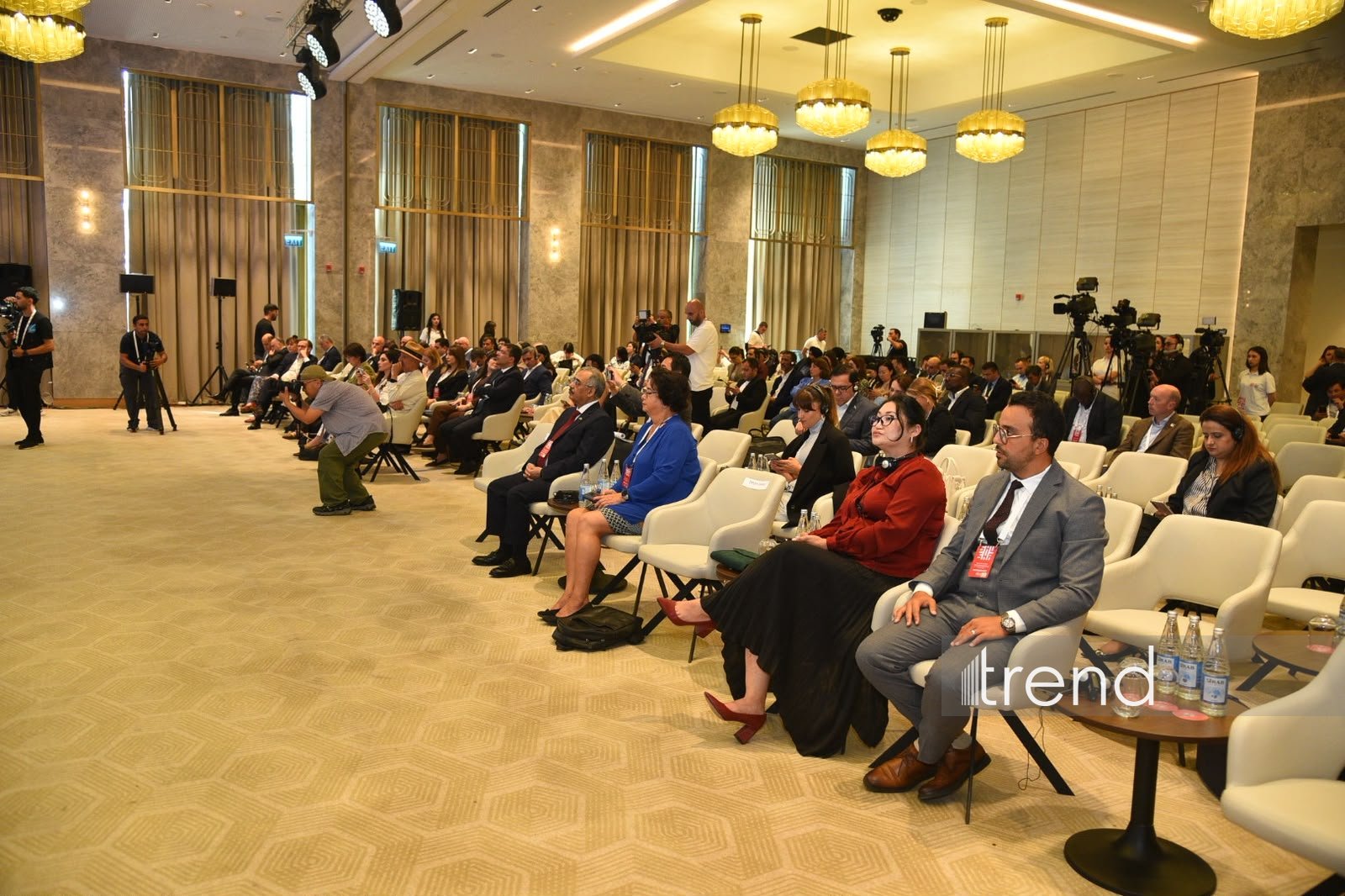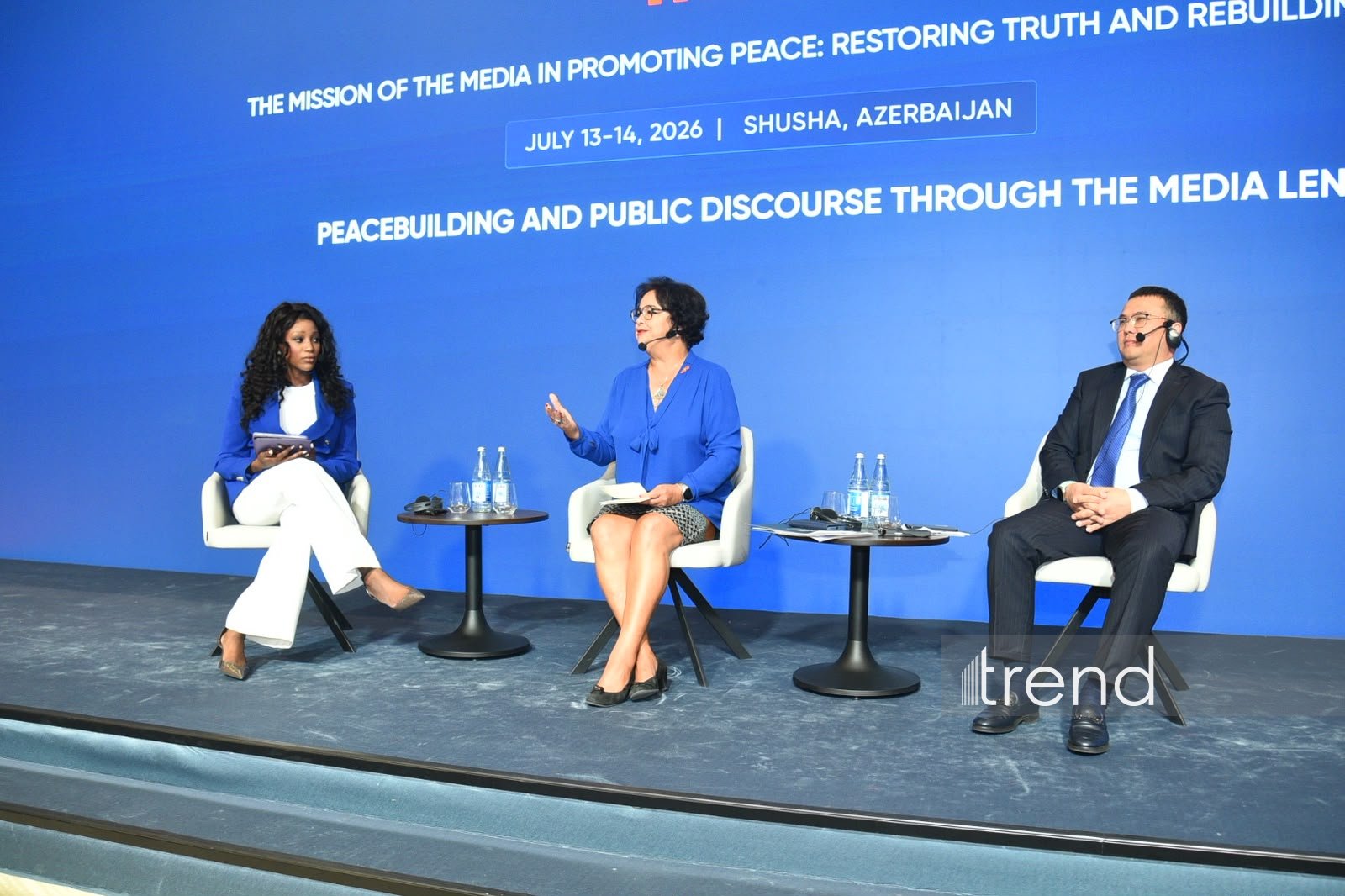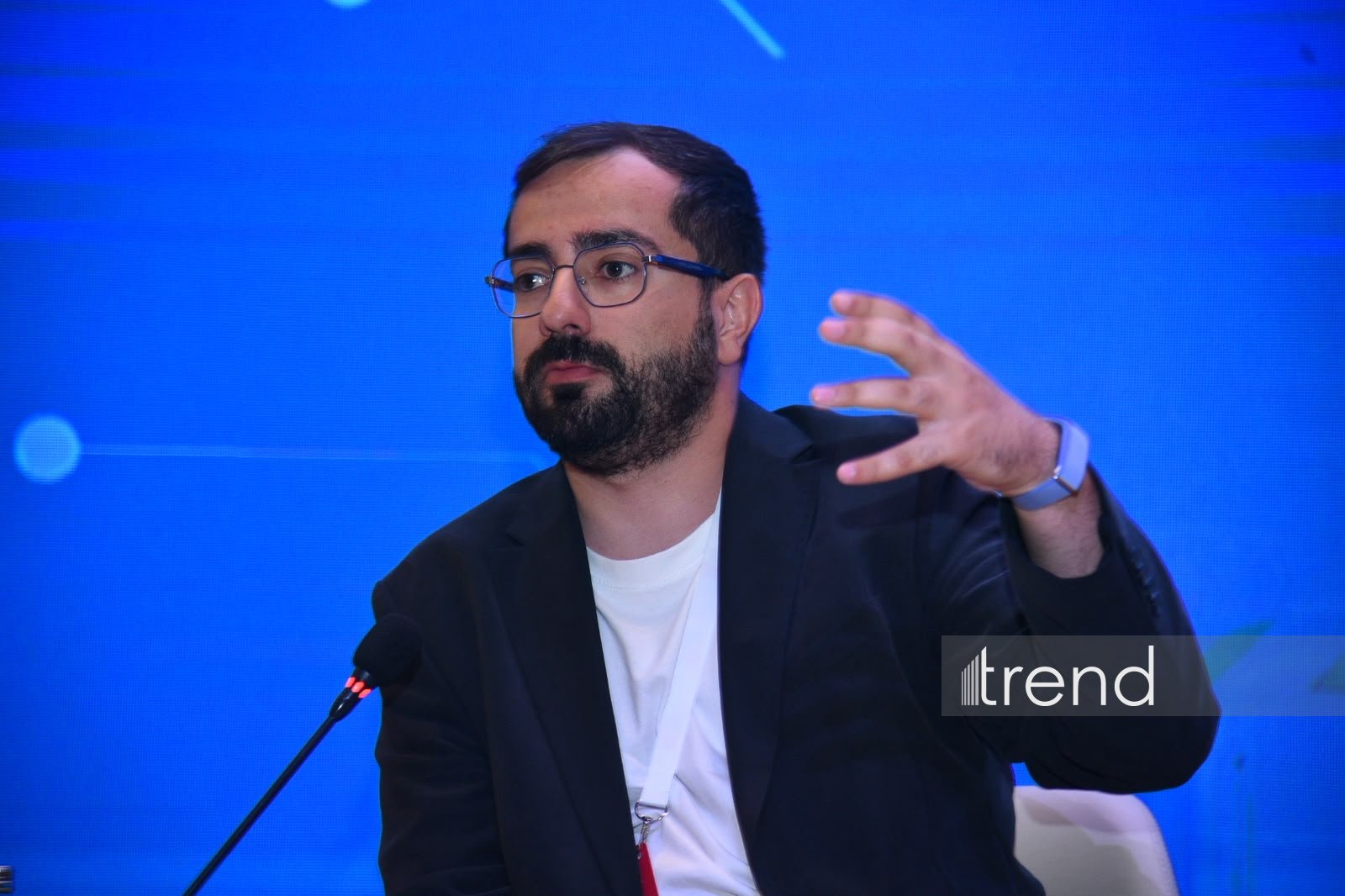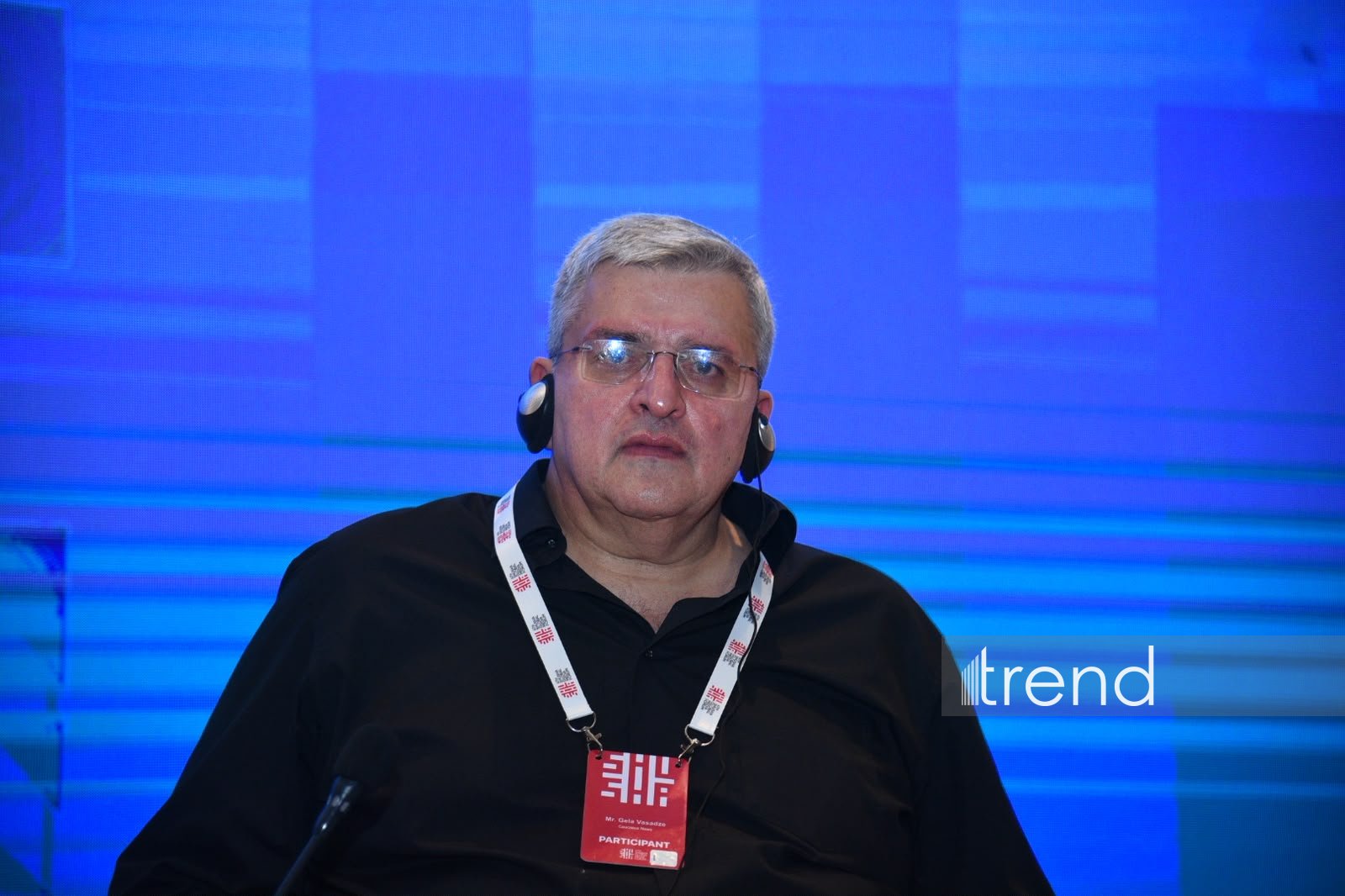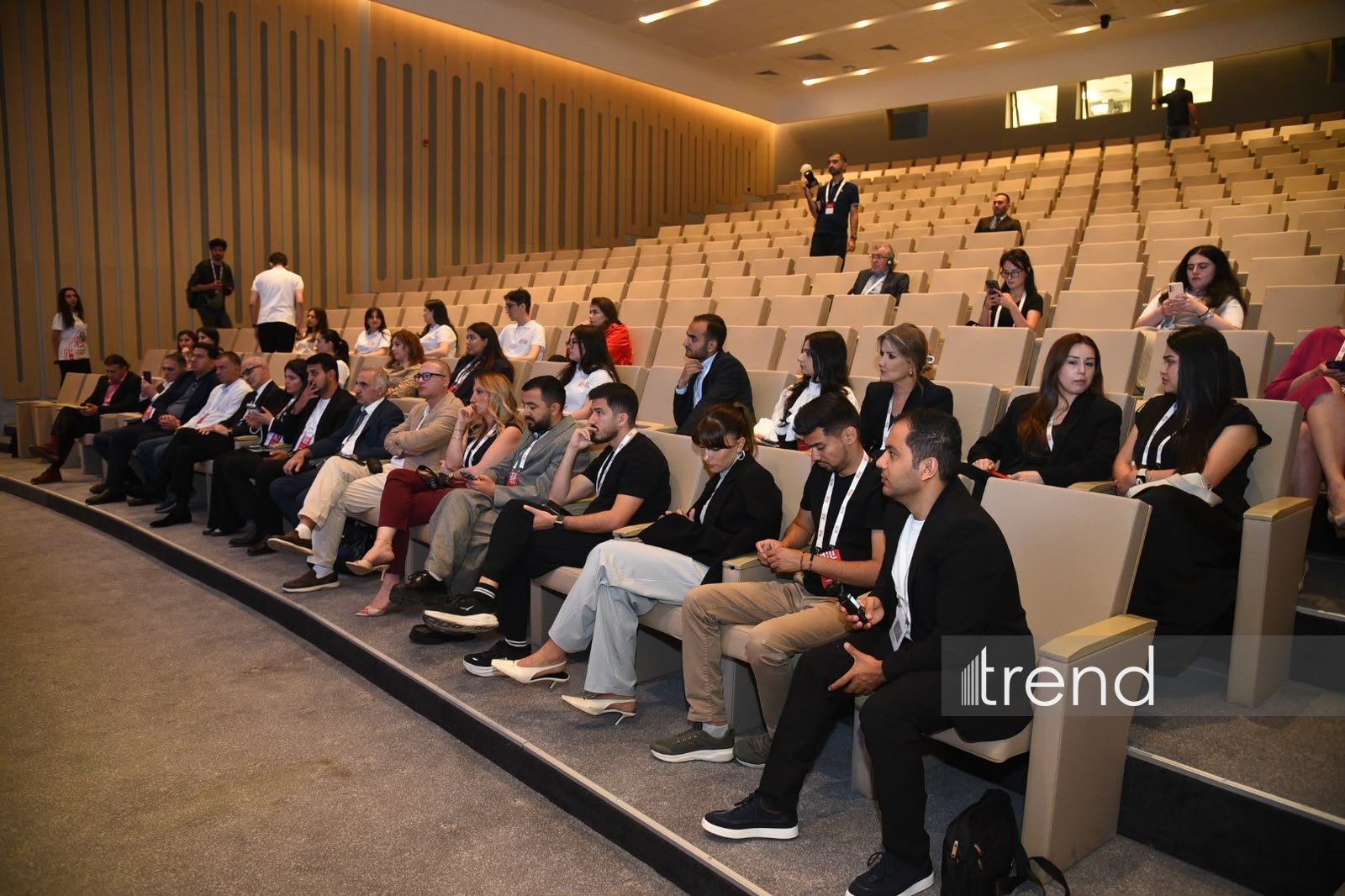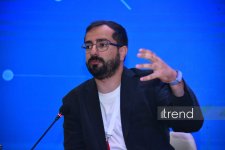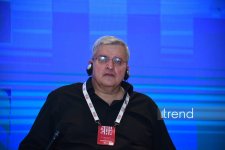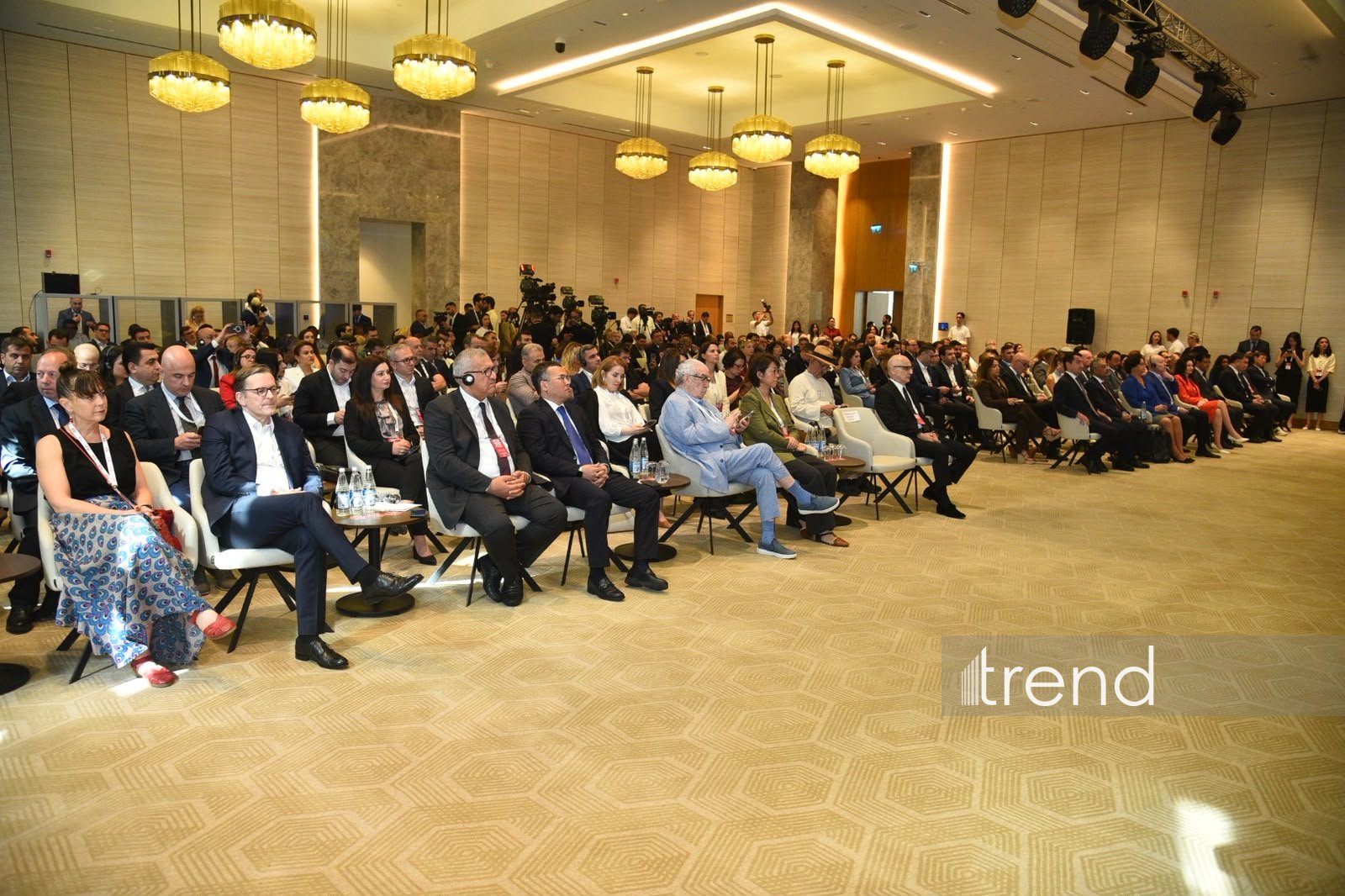
SHUSHA, Azerbaijan, July 14. The 4th Shusha Global Media Forum, titled "The Mission of Media in Promoting Peace: Restoring Truth and Rebuilding Trust," has concluded, Trend’s special correspondent reports.
On the second day of the forum, participants continued discussions on current challenges facing the global media landscape, the role of journalism in strengthening trust between societies, and efforts to counter the spread of disinformation.
The program included panel discussions, speeches by international experts, and presentations by representatives of leading media organizations.
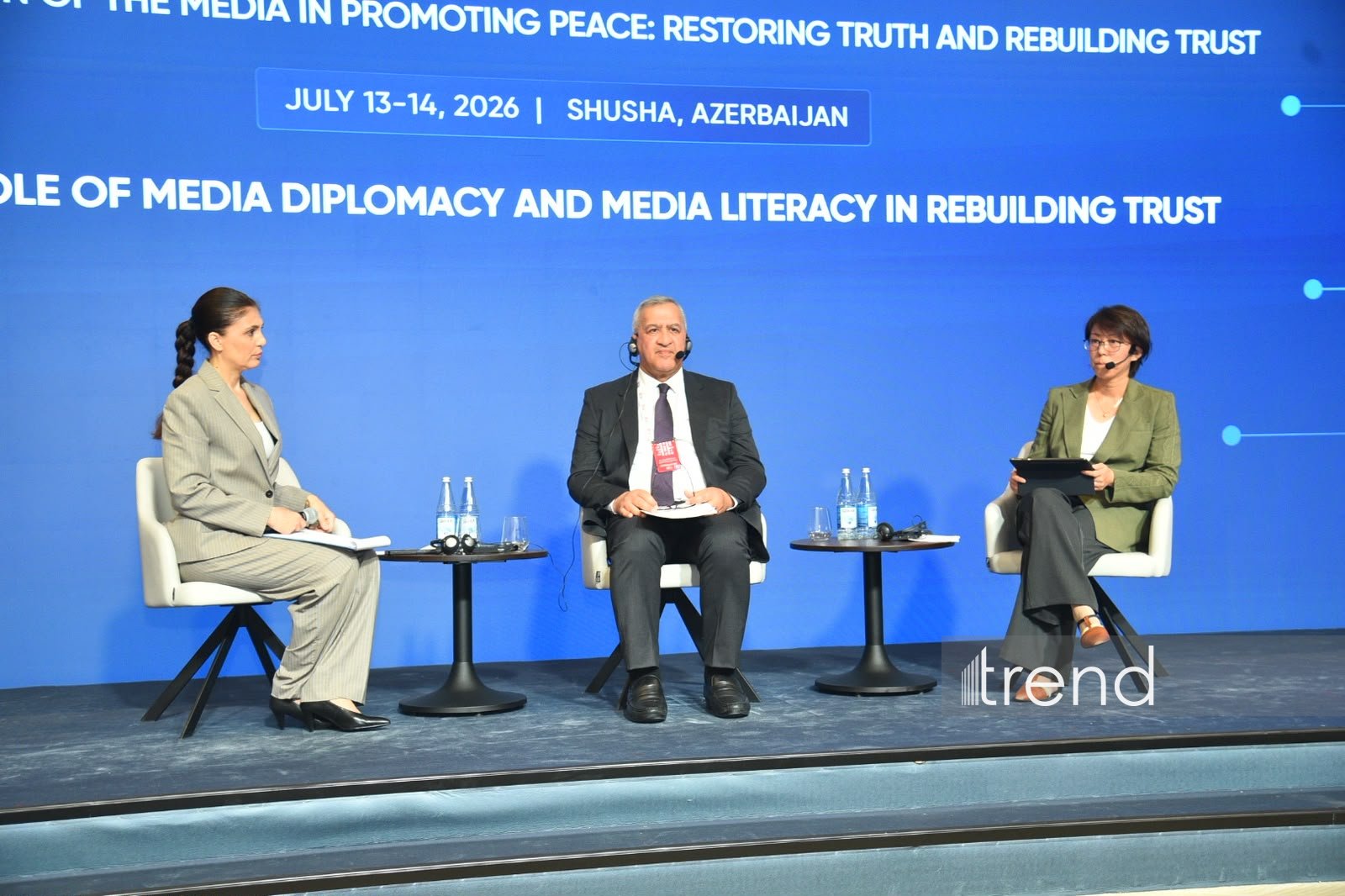
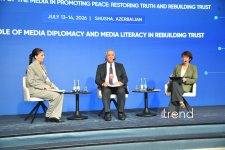
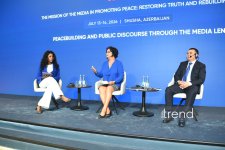
Panels included "Media Horizon: Artificial Intelligence, Visual Storytelling, and the Experience of the Next Generation," "The Role of Media Diplomacy and Media Literacy in Restoring Trust," "Peacebuilding and Public Discourse through the Lens of Media," and more.
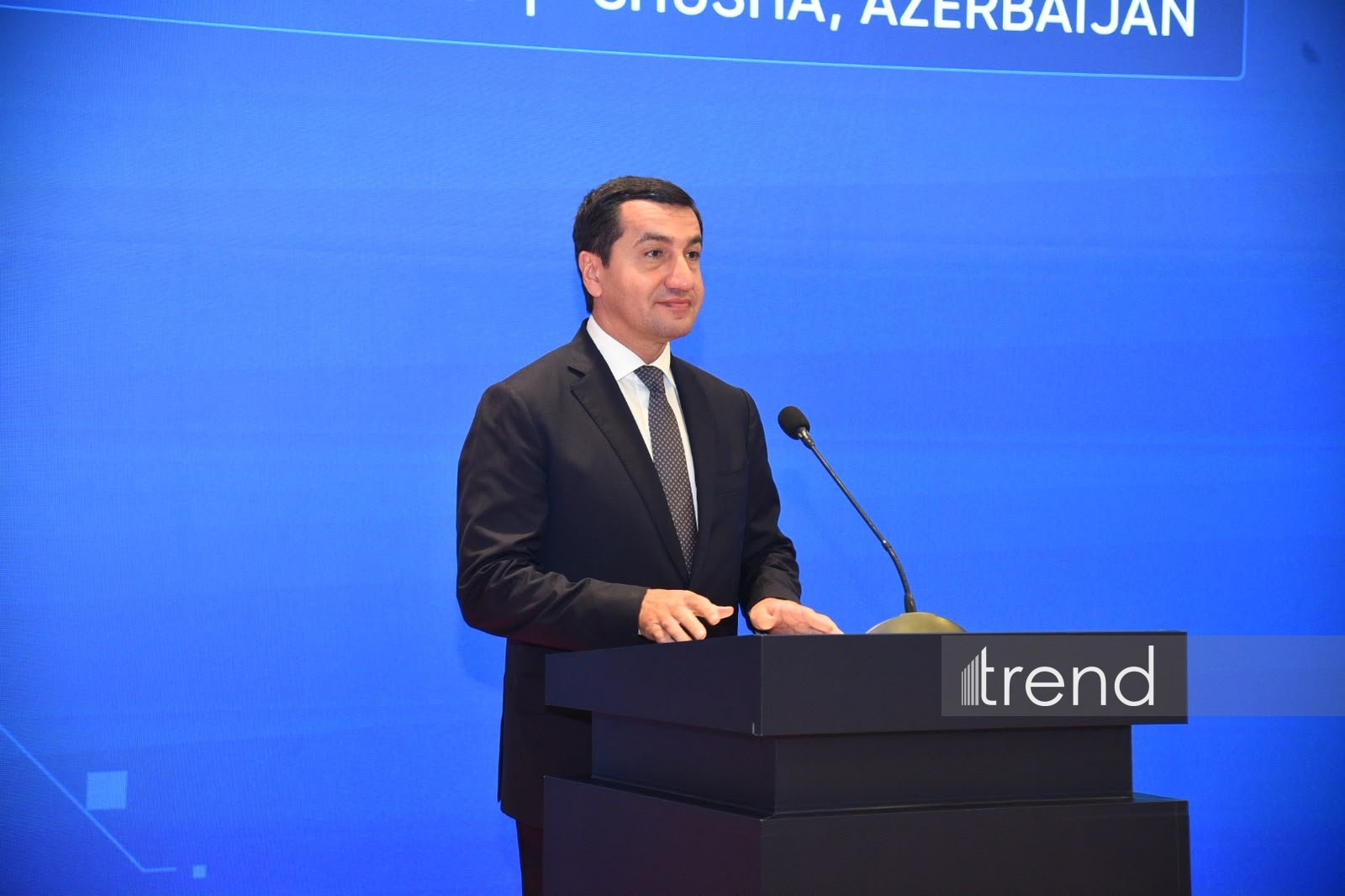
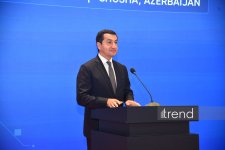
Speaking at the event, the Assistant to the President of the Republic of Azerbaijan and Head of the Foreign Policy Department of the Presidential Administration, Hikmet Hajiyev said that Azerbaijan's media reforms are aimed at strengthening professional journalism, improving institutional capacity, enhancing media literacy, and increasing resilience against disinformation.
"In recent years, Azerbaijan has undertaken a comprehensive modernization of the media landscape. These reforms are designed to strengthen professional journalism, improve institutional capacity, encourage higher ethical standards, enhance media literacy, and help research sectors adapt to the rapid technological change," he said.
According to Hajiyev, media reform is not limited to legislation, but also includes building sustainable institutions, investing in journalists, increasing resilience against disinformation, and strengthening public trust.
"Azerbaijan becomes a regular subject of the international disinformation campaign," he said, adding that governments, media organizations, technology companies, academia, and civil society share responsibility for creating an information environment based on accuracy, transparency, and accountability.
He stressed that cooperation between different stakeholders remains essential for developing a more reliable and responsible global media ecosystem.
Latifa Akharbach, President of the High Authority for Audiovisual Communication of the Kingdom of Morocco, said that at a time when social media is rapidly gaining influence, professional journalism remains the foundation for building public trust, countering manipulation and promoting peace.
"Journalism helps people better understand what is happening. A journalist's job is to provide context, compare and verify sources, check the accuracy of information and set the right priorities. Today we face a paradox: never before has so much information been available, yet never before has trust in that information been so low. That is why professional journalism has become an essential tool for strengthening trust, protecting society from manipulation and preserving peace," Akharbach said.
She noted that, according to the latest Digital News Report, global news consumption is undergoing a historic transformation. According to the report, 54% of users now get their news through social media, search engines and video platforms, while the websites of professional news organizations have, for the first time, lost their leading position.
"This is a historic turning point. For the first time in history, social media has become the primary source of news, surpassing professional media. This reflects a fundamental shift in the information landscape and in audience habits around the world," she said.
Kanat Iskakov, First Vice Minister of Culture and Information of Kazakhstan added that effective efforts to counter disinformation are only possible through joint action by governments, media outlets, online platforms and society, while professional journalism should remain the main tool for strengthening trust and peace.
"With the development of information technologies, opportunities for information dissemination have expanded, but at the same time the information environment has become more complex. Ignoring existing rules leads to serious consequences: the spread of disinformation, the loss of trust between various participants in public life, reduced accountability and, most importantly, the erosion of trust and weakening of international relations. Disinformation is used not only to manipulate public opinion but also to fuel conflicts between countries and peoples, and within states — to spread hatred and destabilize society," Iskakov said.
He said one of the key areas in combating disinformation is close cooperation with digital platforms and increasing transparency regarding distributed content.
"We consider cooperation with online platforms extremely important. Content created using artificial intelligence must be clearly labeled so that users can understand its origin. This is an important legislative measure, and Kazakhstan has already made significant progress both in refuting false information and in cooperation with the world's largest digital platforms," he said.
Iskakov emphasized that adherence to professional journalistic standards also plays an important role.
"Responsible journalism based on accuracy, objectivity, fact-checking and respect for different points of view is the best defense against the escalation of conflicts in the information space. At the same time, it is necessary to maintain a balance between freedom of speech and protecting society from manipulative information," he said.
The First Vice Minister also highlighted the need to improve media literacy among the public and expand international cooperation.
"Together with civil society and educational institutions, we must develop media literacy programs so that people can critically assess information and recognize disinformation. At the same time, no country can effectively address this problem alone. It is precisely at such international platforms that we must exchange experience, develop common mechanisms and jointly reduce the negative consequences of the spread of false information," Iskakov added.
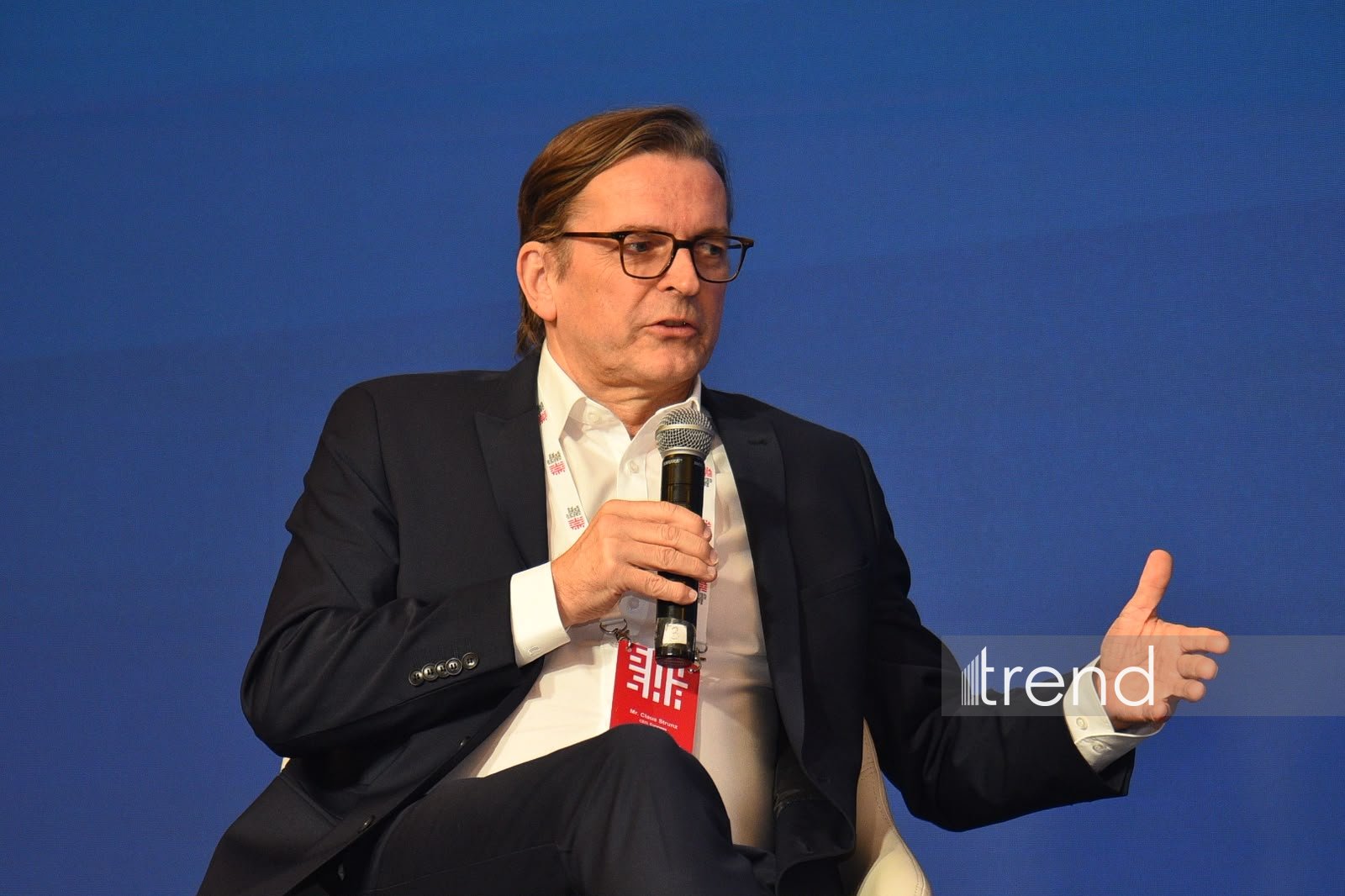
Euronews CEO Claus Strunz said that genuine interest in people and the ongoing development of international professional relationships form the foundation of strong journalism and help build trust among members of the global media community.
“A journalist must be genuinely interested in other people, their culture, their behavior, and what they do. Only then can they truly become a good journalist,” he said.
According to Strunz, during his two days at the forum, he gained more professional knowledge and new contacts through personal interactions than he could have acquired in several months of work. He noted that it is important for journalists not to miss opportunities for collaboration, as it is precisely interaction with colleagues that opens up new prospects for the profession.
The CEO of Euronews also urged young journalists to set aside time every day to develop an international network of contacts, rather than waiting for others to take the initiative. He emphasized that regularly communicating with colleagues, maintaining existing connections, and being open to meeting new people are important investments in one’s professional future. According to him, it is precisely these connections that ultimately help create collaborative projects, exchange experiences, and carry out the journalistic mission more effectively in a rapidly changing world.