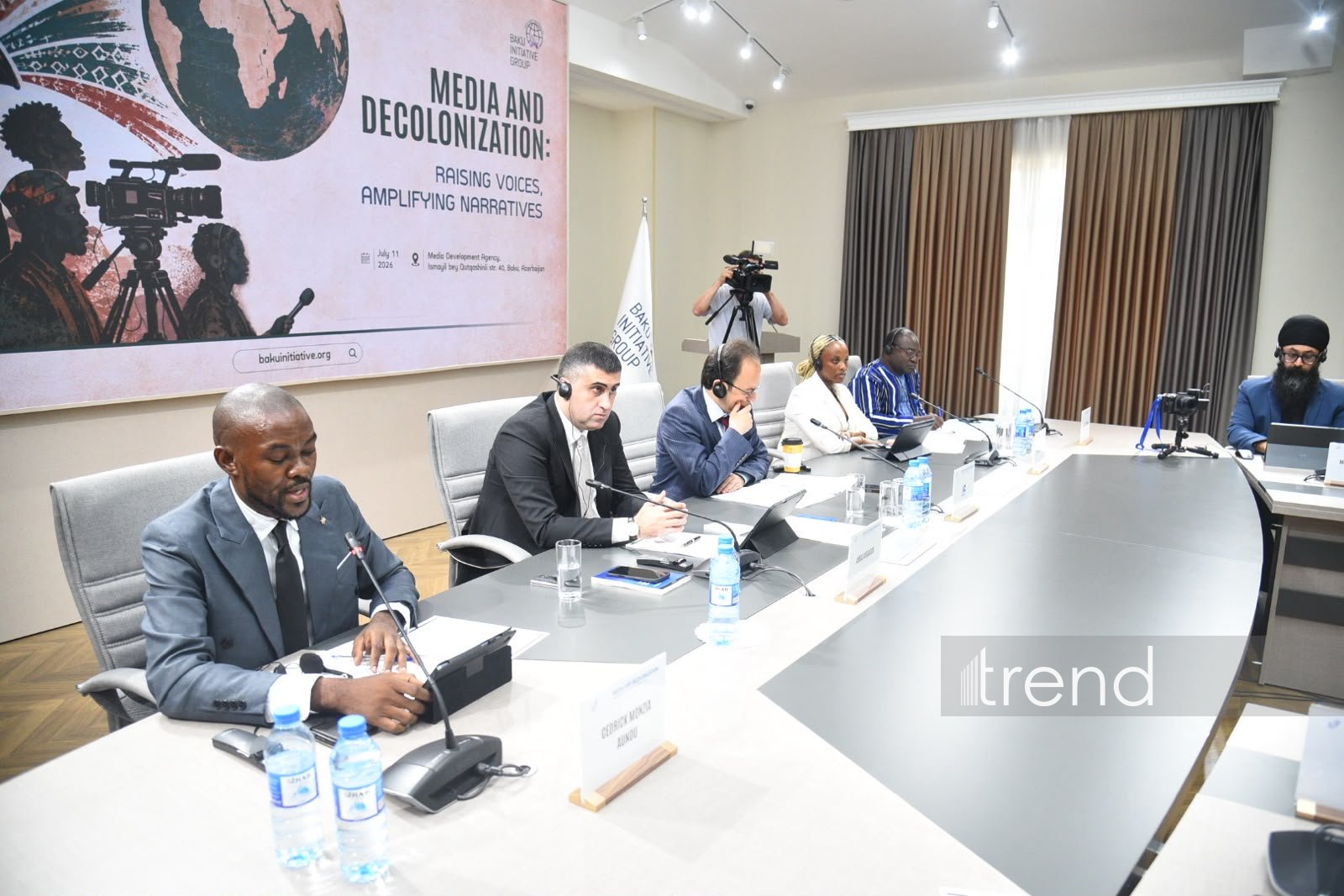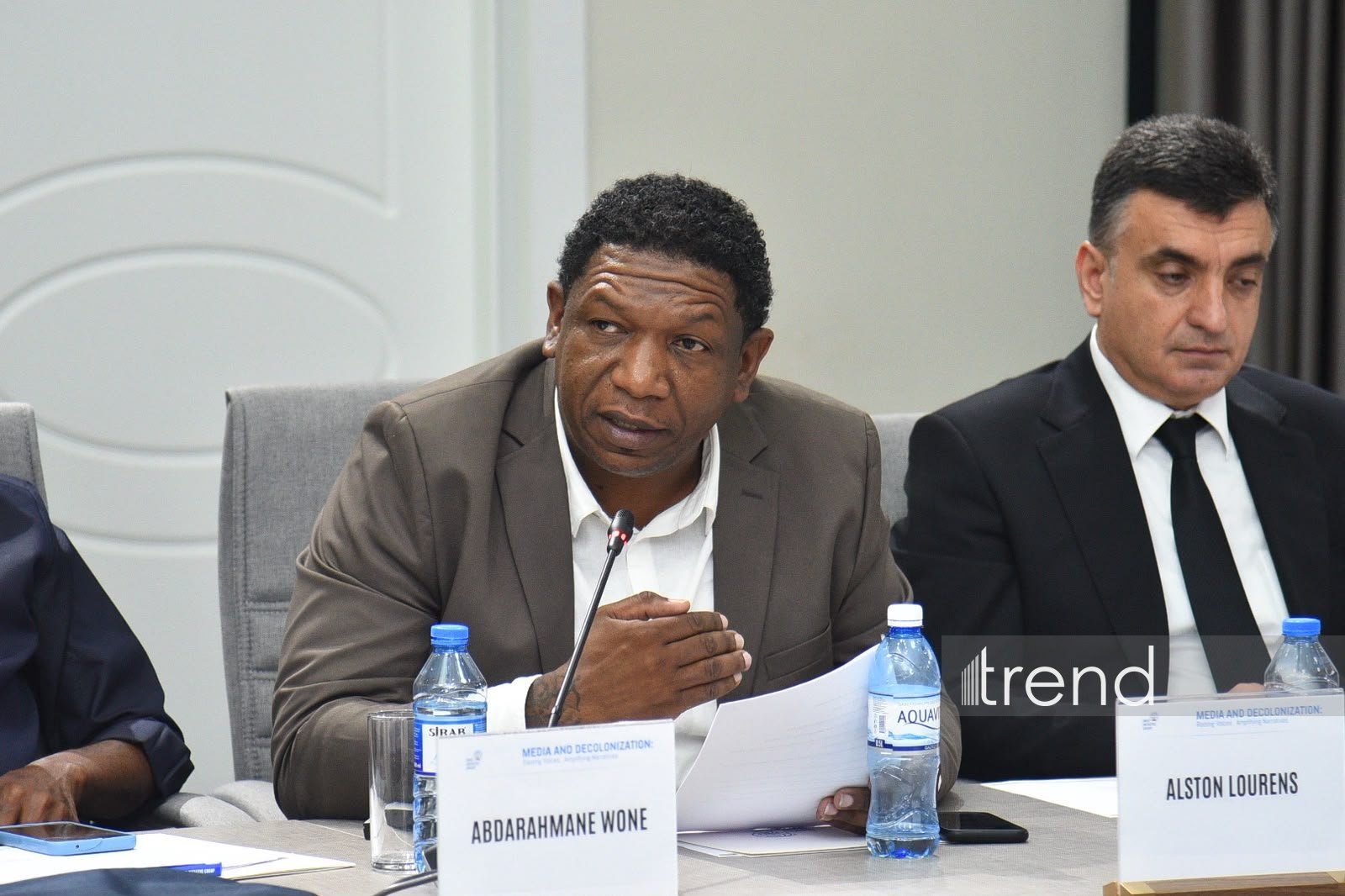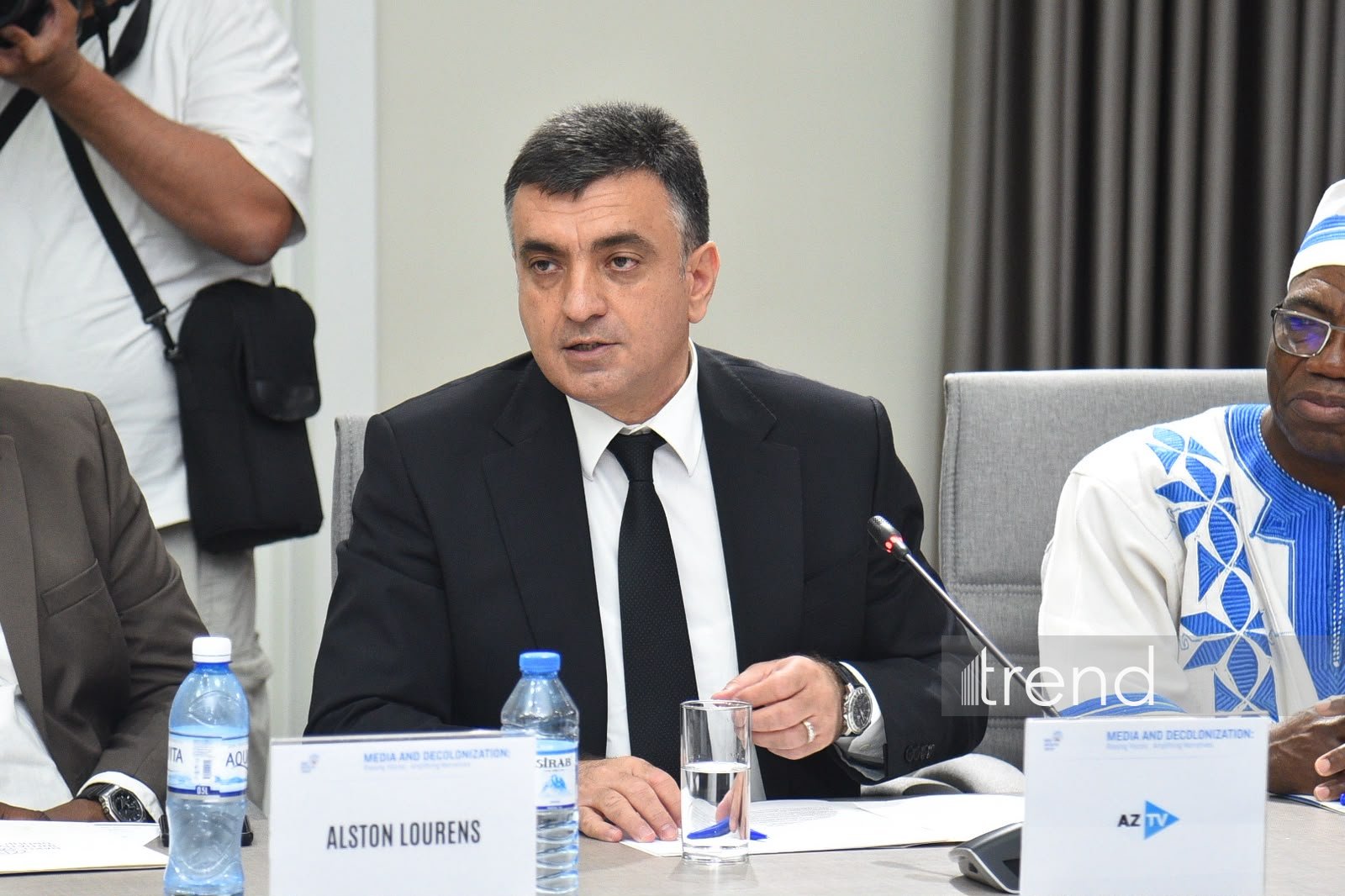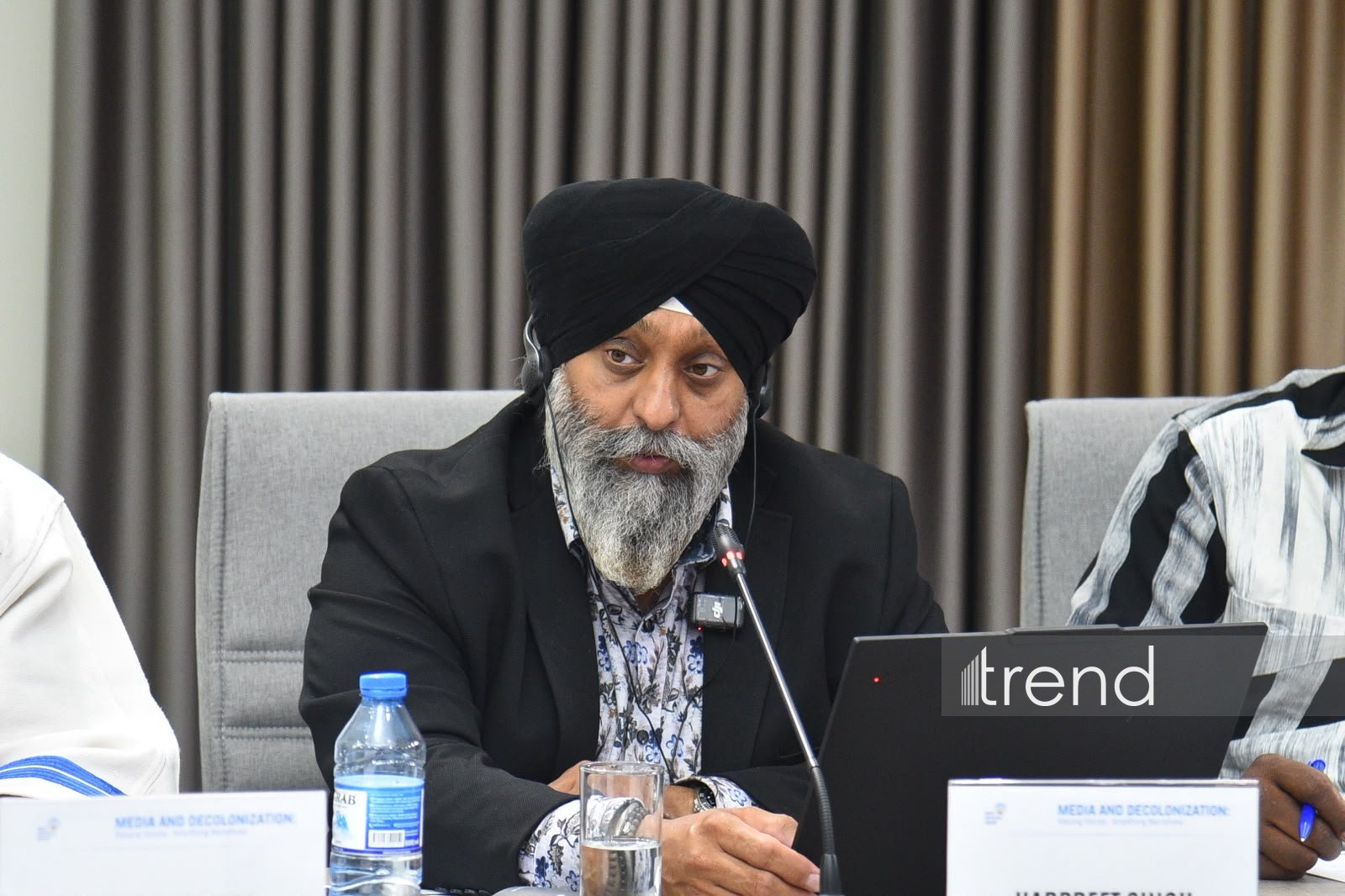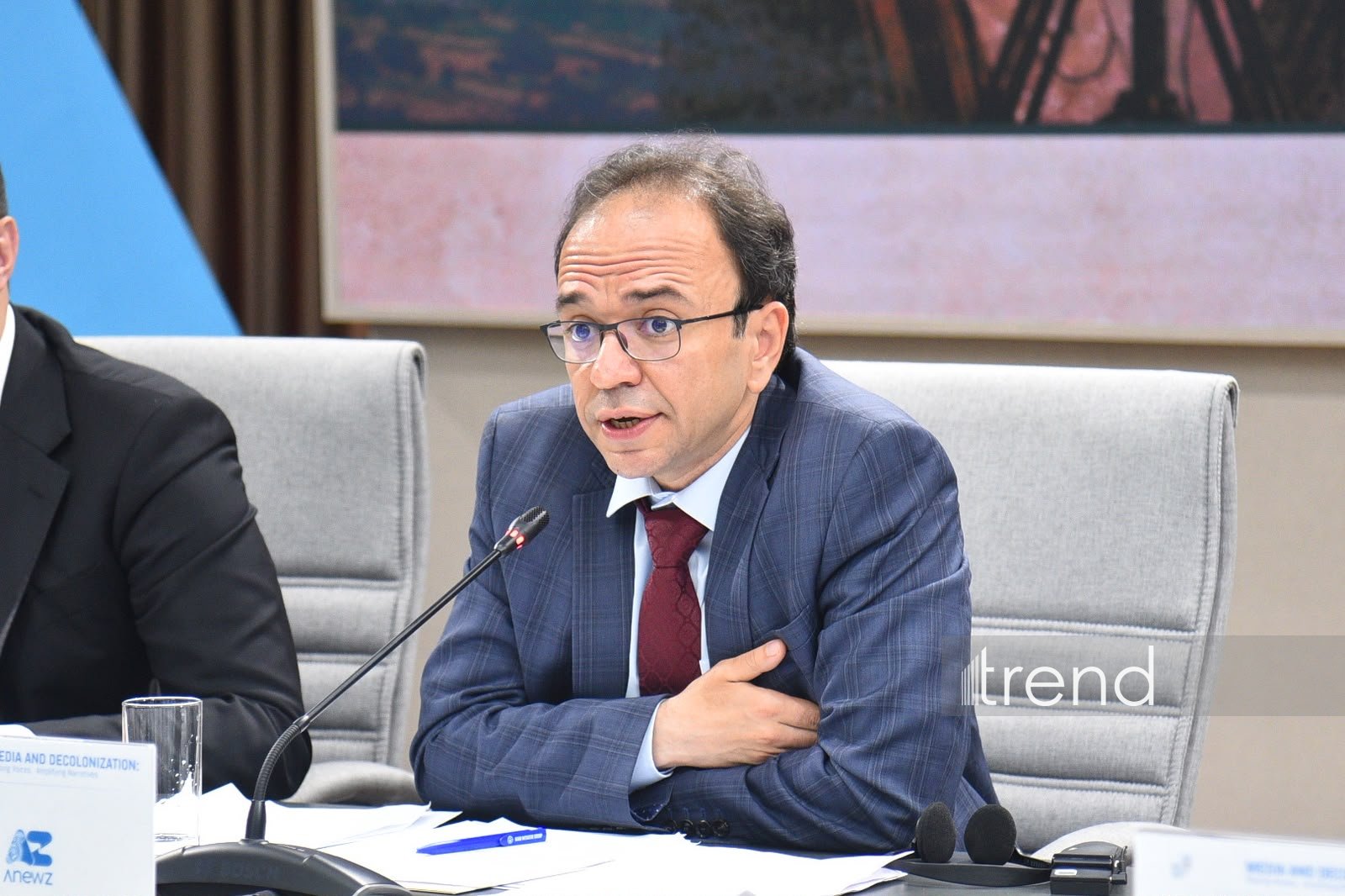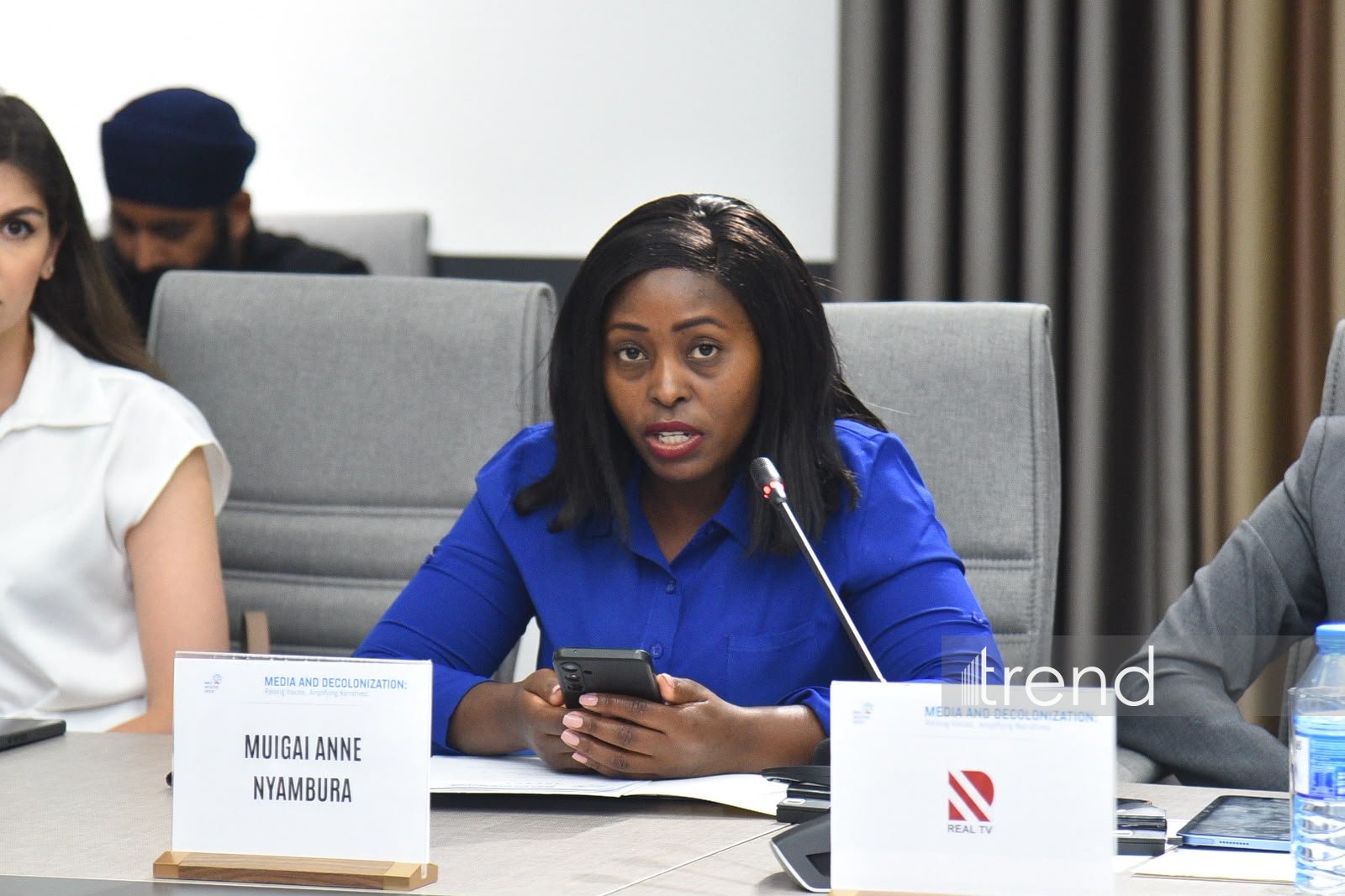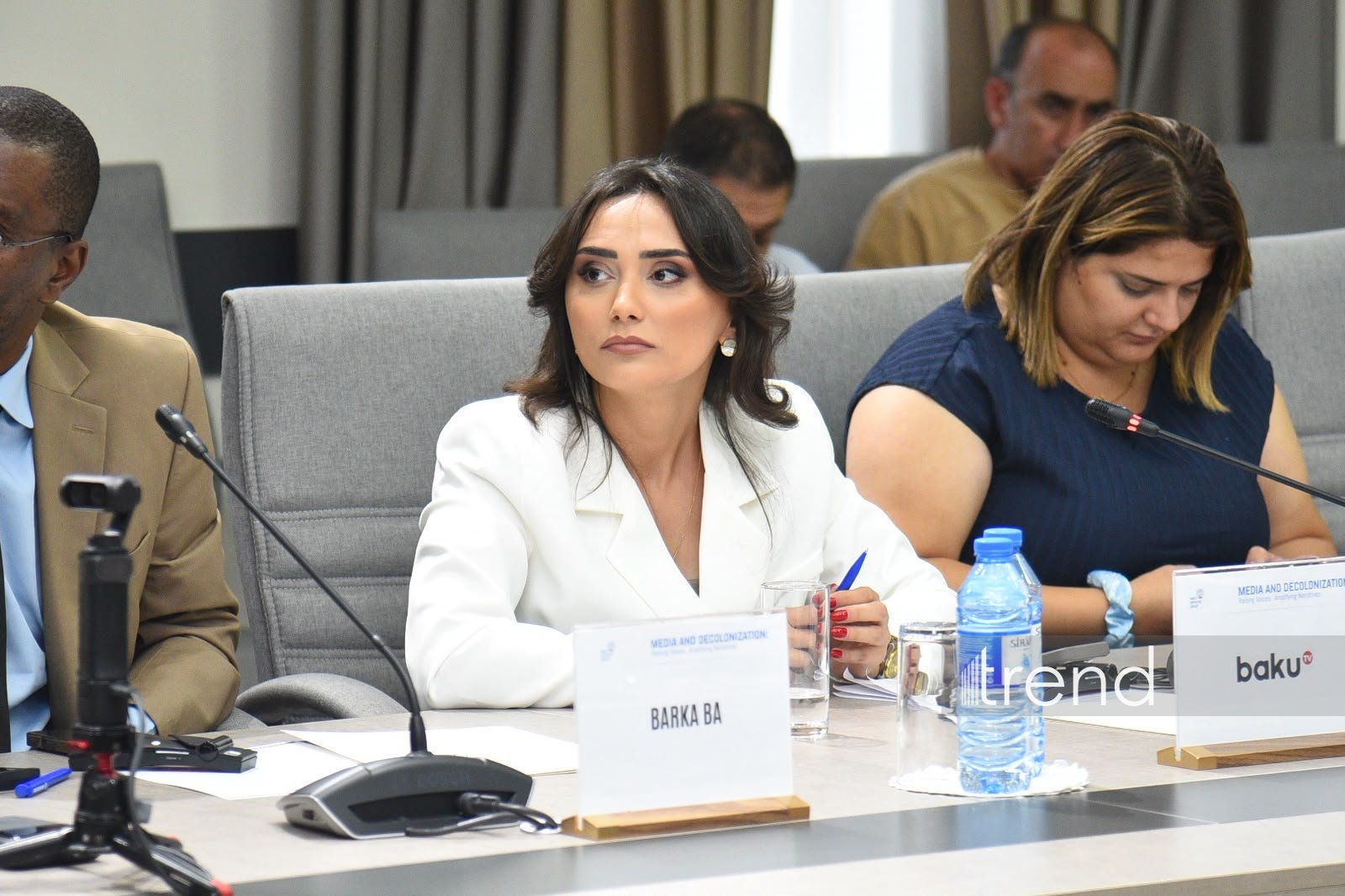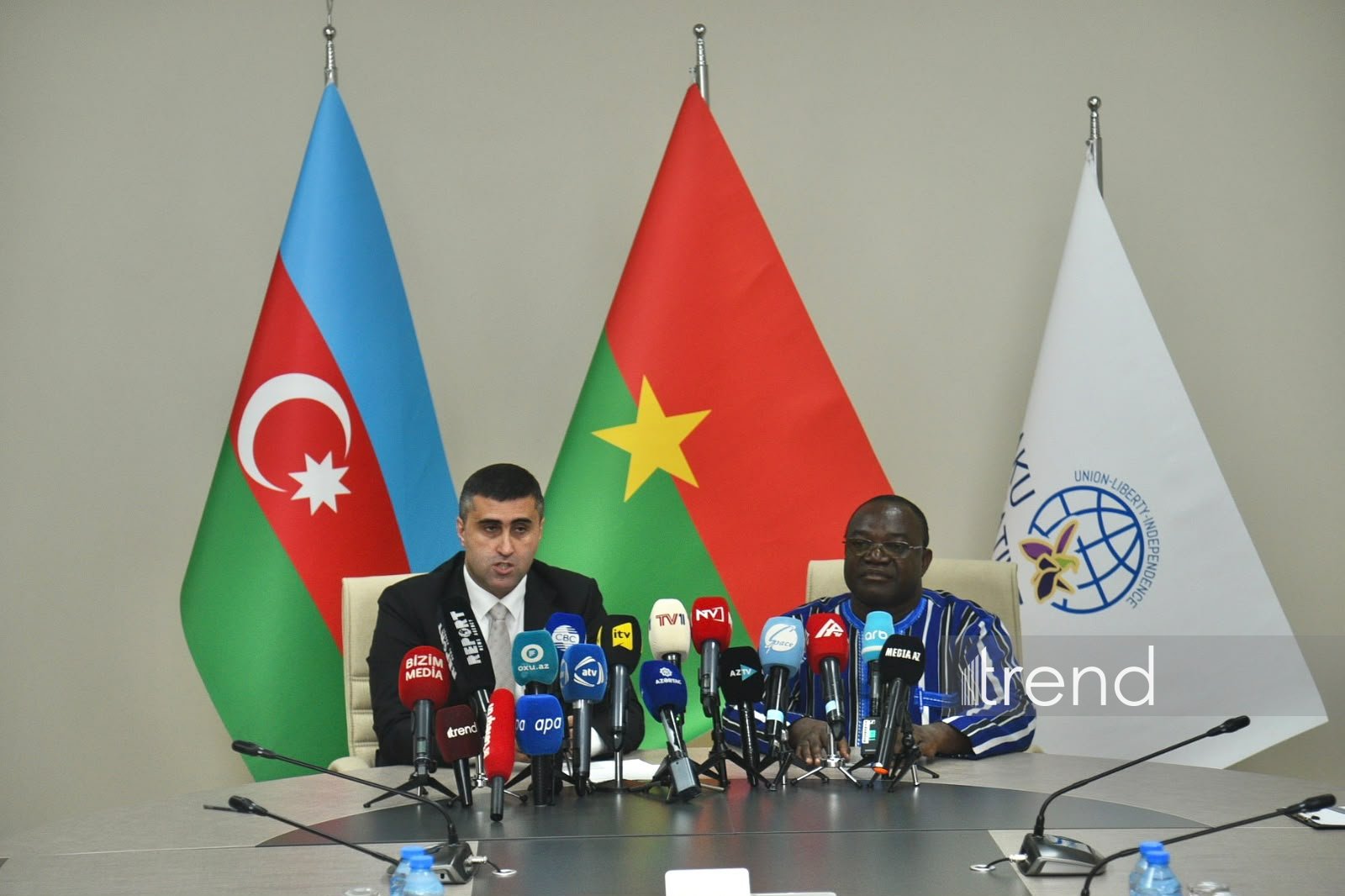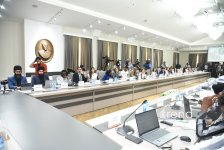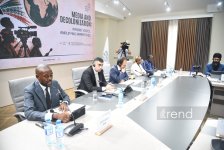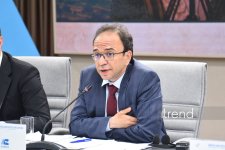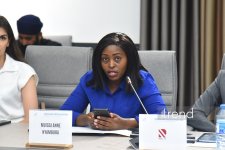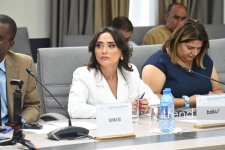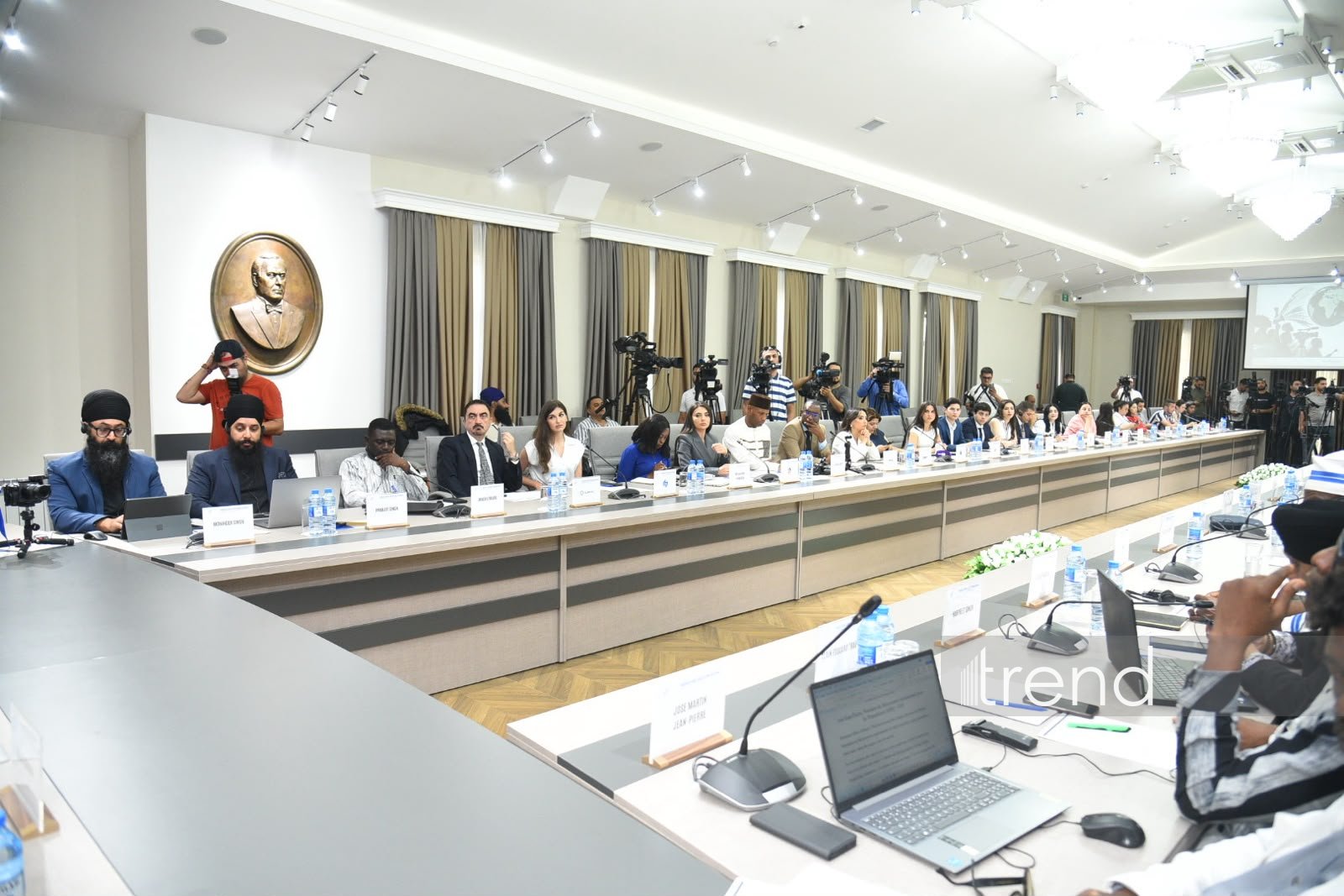
BAKU, Azerbaijan, July 11. An international conference on the theme “Media and Decolonization: Rising Voices, Amplifying Narratives” organized by the Baku Initiative Group (BIG) was held in Baku, Trend's correspondent reports from the event.
The conference was the first platform of its kind organized in Azerbaijan with the participation of media representatives from former colonial territories.
The conference brought together leaders and representatives of media organizations from former and current colonial territories, journalists, political commentators, representatives of diaspora organizations, experts in media and communications, representatives of civil society institutions, researchers, diplomats, government officials, and representatives of local media.
The event focused particularly on highlighting, in the international media, the realities of colonialism that have long remained in the shadows, the economic exploitation of territories, the plundering of natural resources, the erasure of cultural identity, systemic discrimination, repression against indigenous peoples, as well as policies aimed at deliberately altering the demographic composition of the local population by resettling people from outside, as exemplified by the Kanaks (New Caledonia) and Bonaire.
The conference featured discussions on breaking down the artificial information blockade imposed on colonial territories, applying cutting-edge artificial intelligence tools to combat disinformation and fake news, establishing an international coordination network among journalists and media organizations, and strengthening cooperation between international media organizations and local journalists.
The event focused on the role of the media and the challenges they face in amplifying the voices of people and ethnic minorities who are subjected to neocolonial exploitation and live under colonial dependence in the international information space.
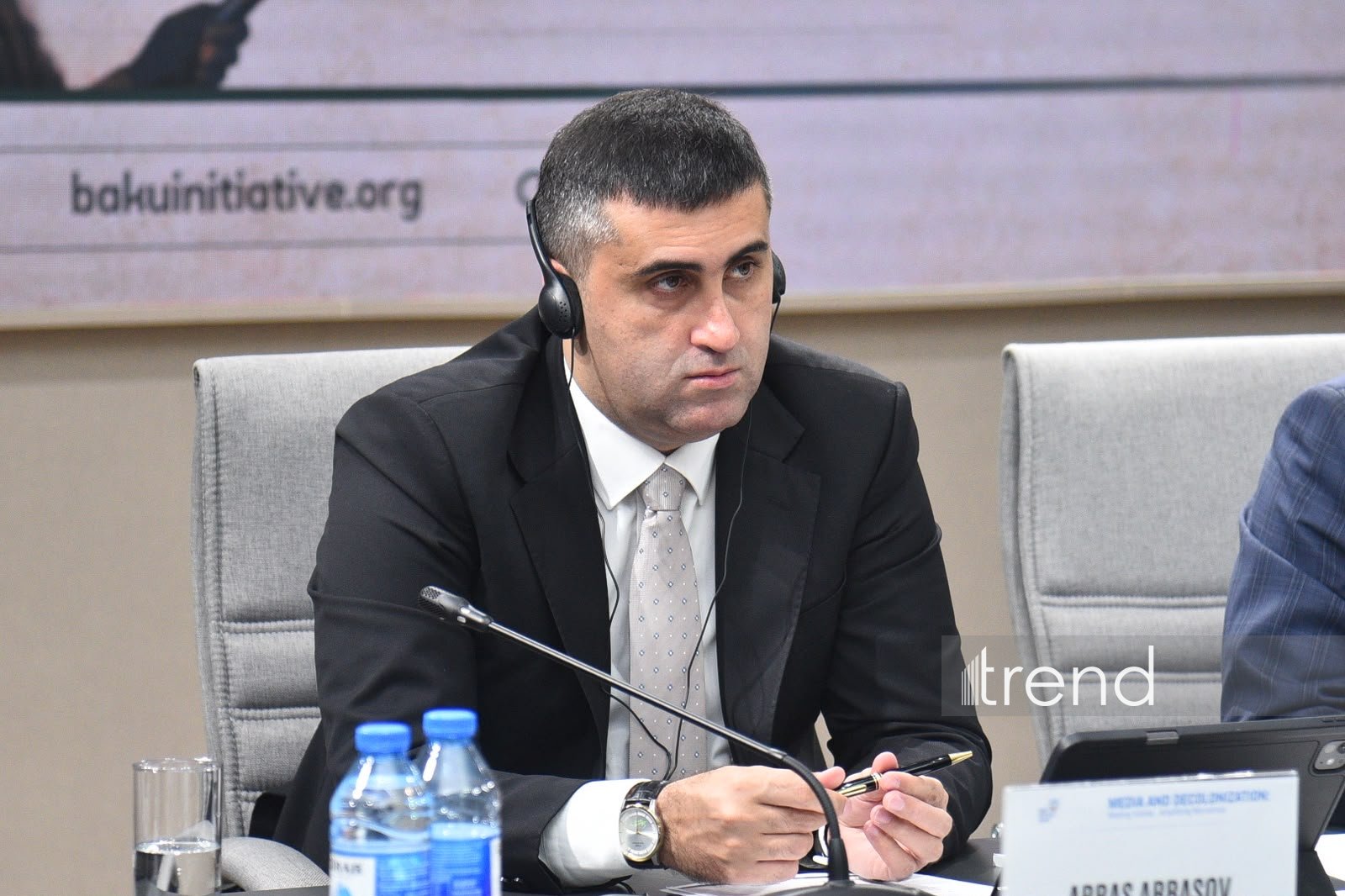
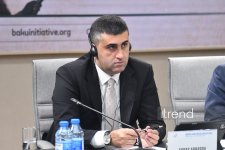
Speaking at the event, Abbas Abbasov, Executive Director of the Baku Initiative Group (BIG), stated that journalists play a key role in all spheres of public life.
“The role of journalists is of immense importance in all spheres of public life. Journalists’ dedication to their profession, professionalism, and hard work play an important role in raising global awareness. Journalism requires a high degree of responsibility, dedication, and integrity. It is a dynamic and complex field in which one often has to work under intense pressure and tight deadlines,” he said.
Abbasov noted that over the past three years, BIG has made significant progress in drawing the international community’s attention to the consequences of colonialism and the importance of the decolonization process.
“Undoubtedly, the media has played an indispensable role in this. We highly value your dedication to the cause and your professional responsibility, which help raise public awareness and keep society informed,” he said.
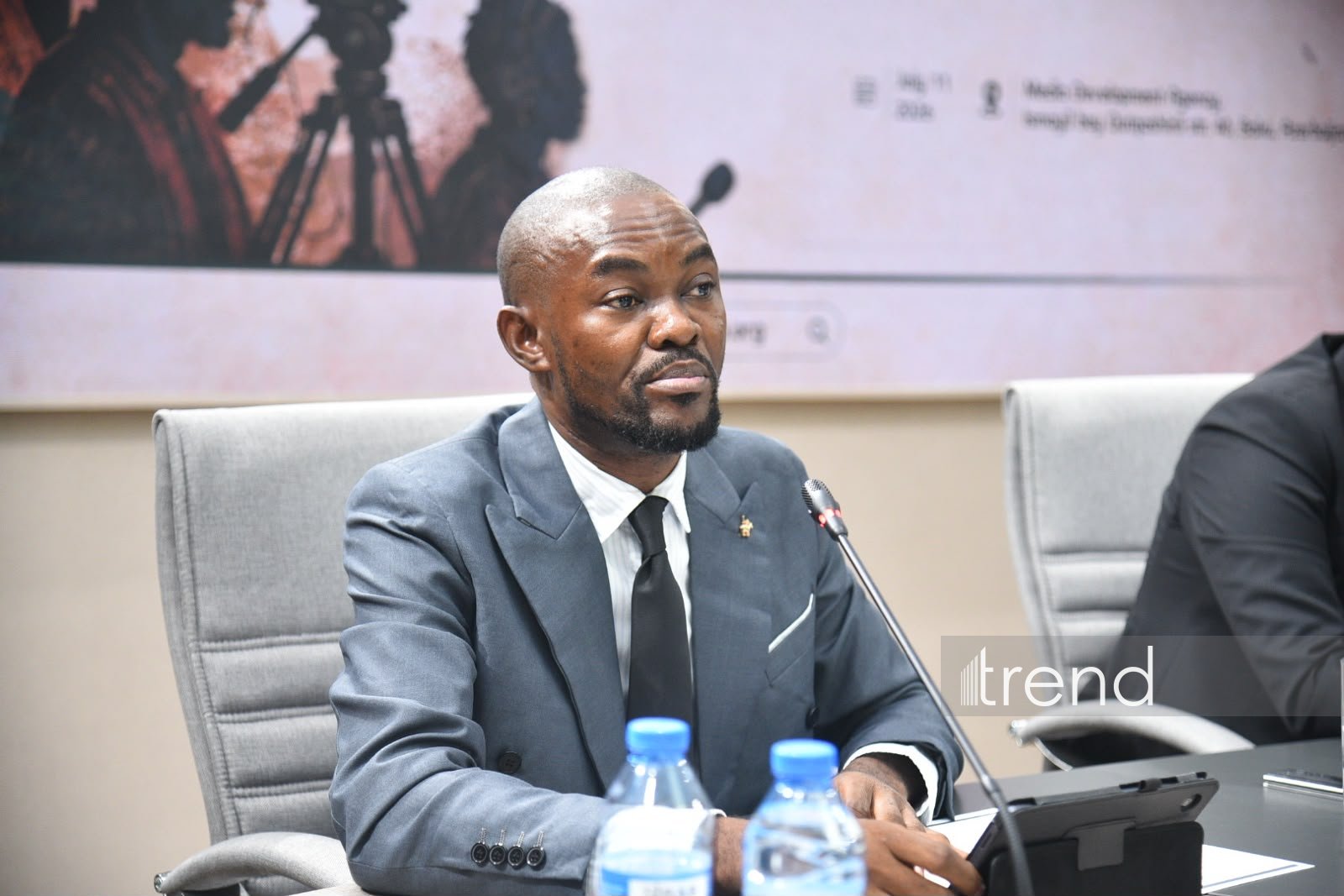
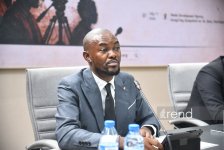
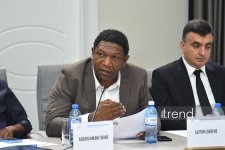
Furthermore, Cedrick Monzia Aundu, Executive Director General of Voice of Congo, stated that the media plays a strategically important role in the process of decolonizing consciousness.
“When we talk about decolonization, we are referring not only to the end of territorial occupation, but also to the decolonization of consciousness and the information space. Today, the media play a strategically important role in this process of transformation. They can either continue to perpetuate existing stereotypes or help shape a more equitable understanding of what is happening,” he said.
Monzia noted that we have now entered the digital age, in which journalists are no longer the sole source of information. A new category of participants in the information space has emerged: digital content creators.
“As journalists, we are confronted with the emergence of new forms of disseminating information about colonialism. First and foremost, it should be noted that the mass media played an important role in colonization and often disseminated information originating from colonial powers. Today, our responsibility is to restore justice and convey the truth about marginalized peoples and their local cultures,” he said.
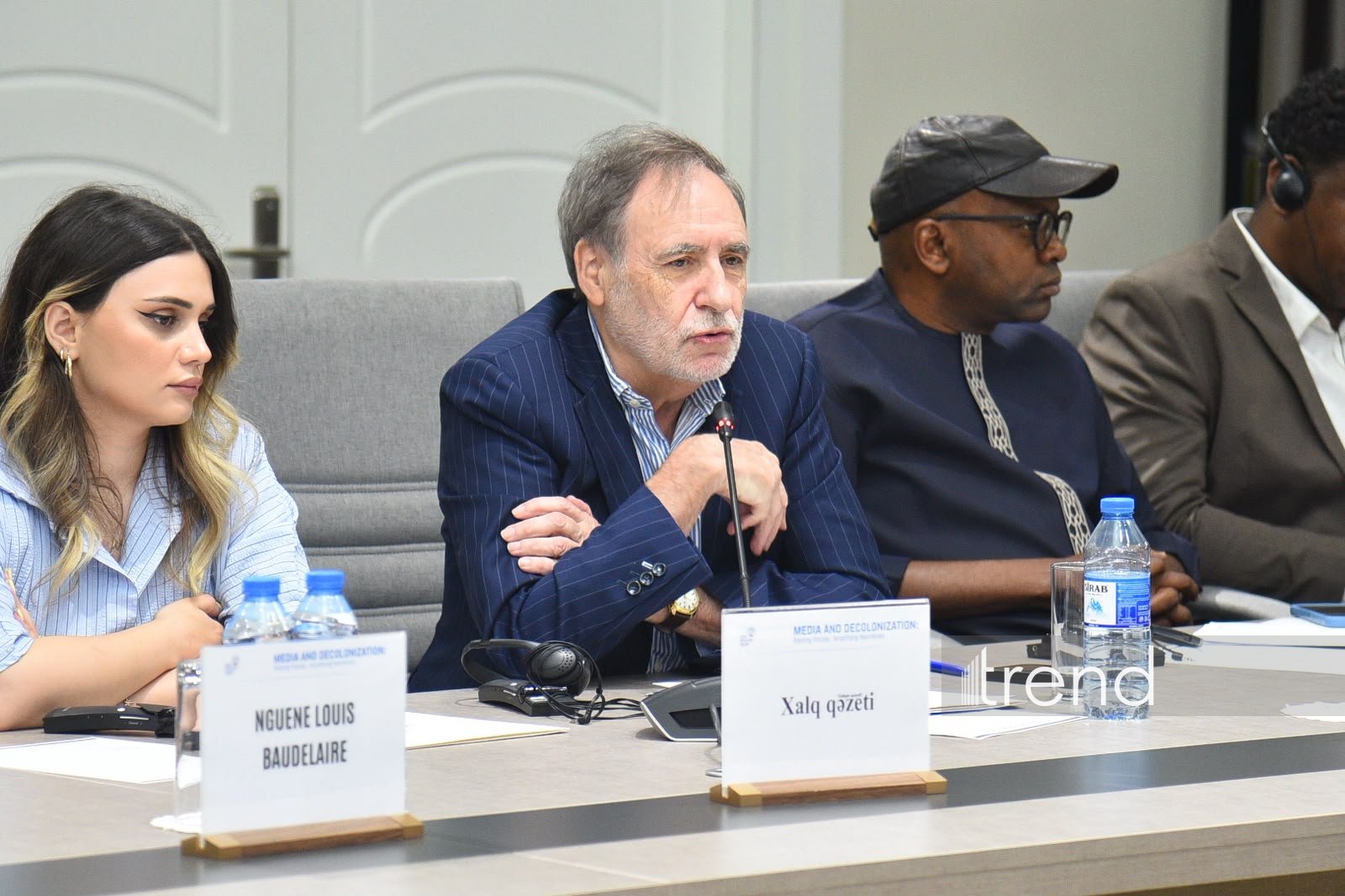
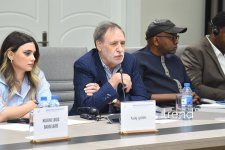
Jean-Michel Brun, founder of the French news portal Musulmans en France, emphasized that the press can serve as a tool for changing perceptions of marginalized peoples.
"Colonization is a crime. However, some French presidents have claimed the opposite. They sought to portray their crimes in such a way as to avoid accountability and make them acceptable in the eyes of the public. This was the case in all colonial powers. In particular, the press did not show colonization as it really was, but rather justified it and created a positive image of colonialism.
In 1880, the French press portrayed colonization as France’s “civilizing mission,” presenting it as a path to progress: supposedly, hospitals and schools were being built, and security was improving. In reality, however, all of this was used to exploit these territories and intensify the suffering of their populations.
“The press played an active role in creating this colonial image,” he said.
Brun noted that a colonial press also existed in Algeria, French Guiana, New Caledonia, and Haiti. It contributed to the formation of a colonial identity and presented events exclusively from a French perspective.
“When it came to colonization, it was invariably portrayed in a positive light. When indigenous peoples were discussed, they were presented as something exotic. In the French press, their culture was reduced to folklore and submissiveness,” Brun noted.
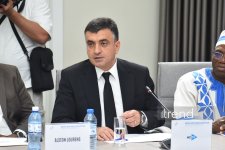
Alston Lourens, a Caribbean media professional, civil rights advocate, and former government advisor from Sint Maarten, noted that decolonization is not only a constitutional process but also a process of communication.
“If colonialism was sustained through certain narratives, then decolonization must also reclaim the right to shape its own narrative. In many Caribbean countries, national broadcasters — that is, having their own state-run television stations — have gradually become a thing of the past,” he said.
According to him, news is increasingly produced by private companies operating in a commercial market.
“Small islands often depend on media content produced outside their territories. In other regions, journalism is supported by government subsidies. Each of these models has its advantages, but each also influences which topics receive sustained attention,” Lourens noted.
He emphasized that constitutional development, self-determination, and decolonization are extremely rarely commercially appealing topics.
“Far more often, movements advocating these ideas are portrayed as disruptive, unrealistic, problematic, and sometimes even extremist, rather than being viewed as legitimate participants in democratic discourse,” Lourens said.
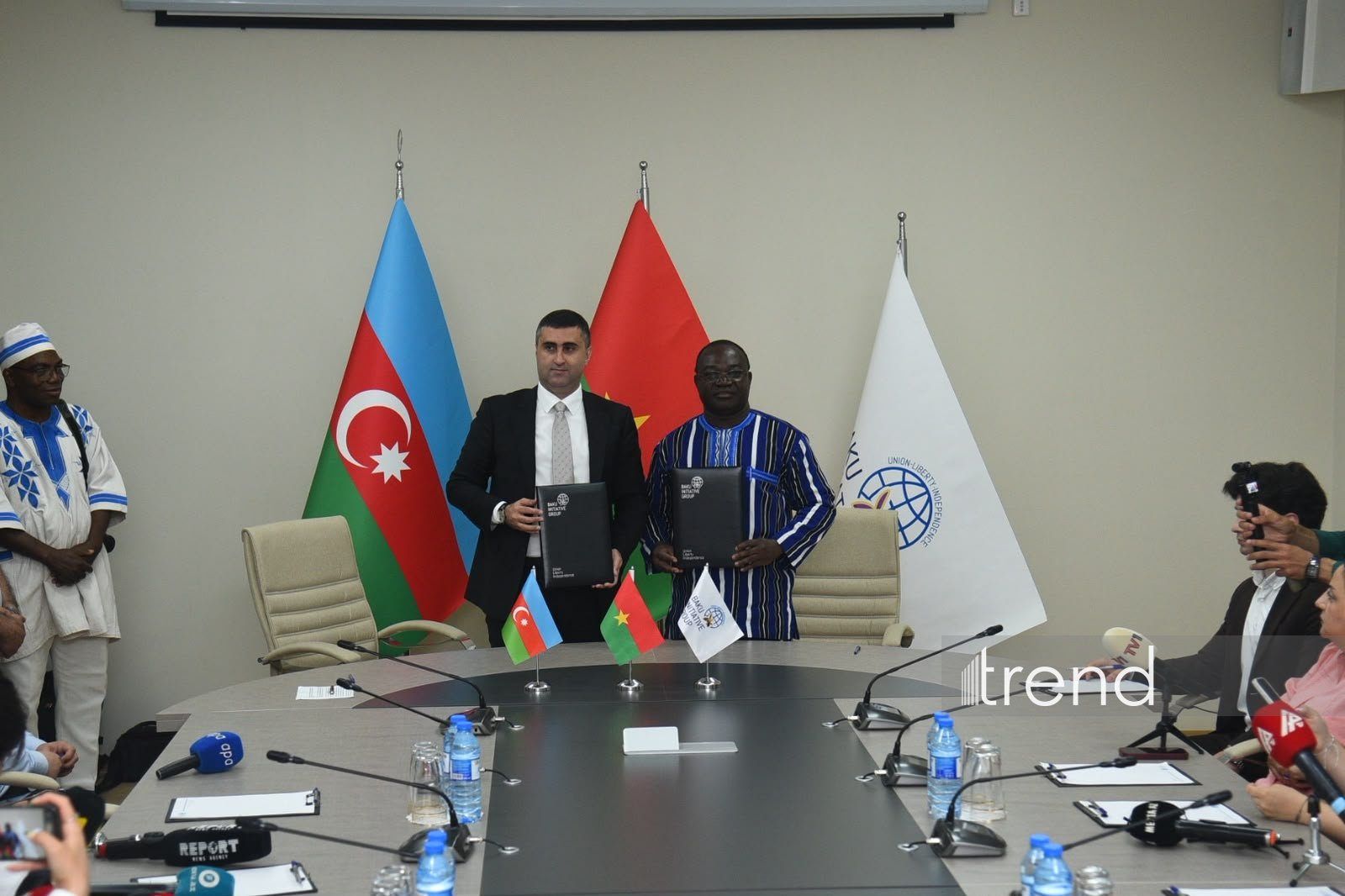
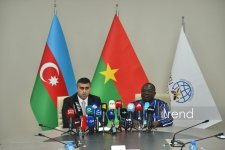
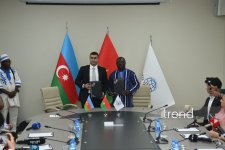
As part of the conference, a Memorandum of Understanding and Cooperation was signed between the Baku Initiative Group and the Institute for Prospective International Studies (INHEI) of the Ministry of Foreign Affairs of Burkina Faso.
The document was signed by Abbas Abbasov, Executive Director of the Baku Initiative Group, and Philippe Sandwidi, Director General of the Institute for Prospective International Studies of the Ministry of Foreign Affairs of Burkina Faso.
This collaboration is seen as an important step in expanding the Baku Initiative Group’s geographic reach in Africa. While the BIG has previously signed similar agreements with political parties and movements in various countries, the organization is now beginning to collaborate with a government agency of a foreign country.