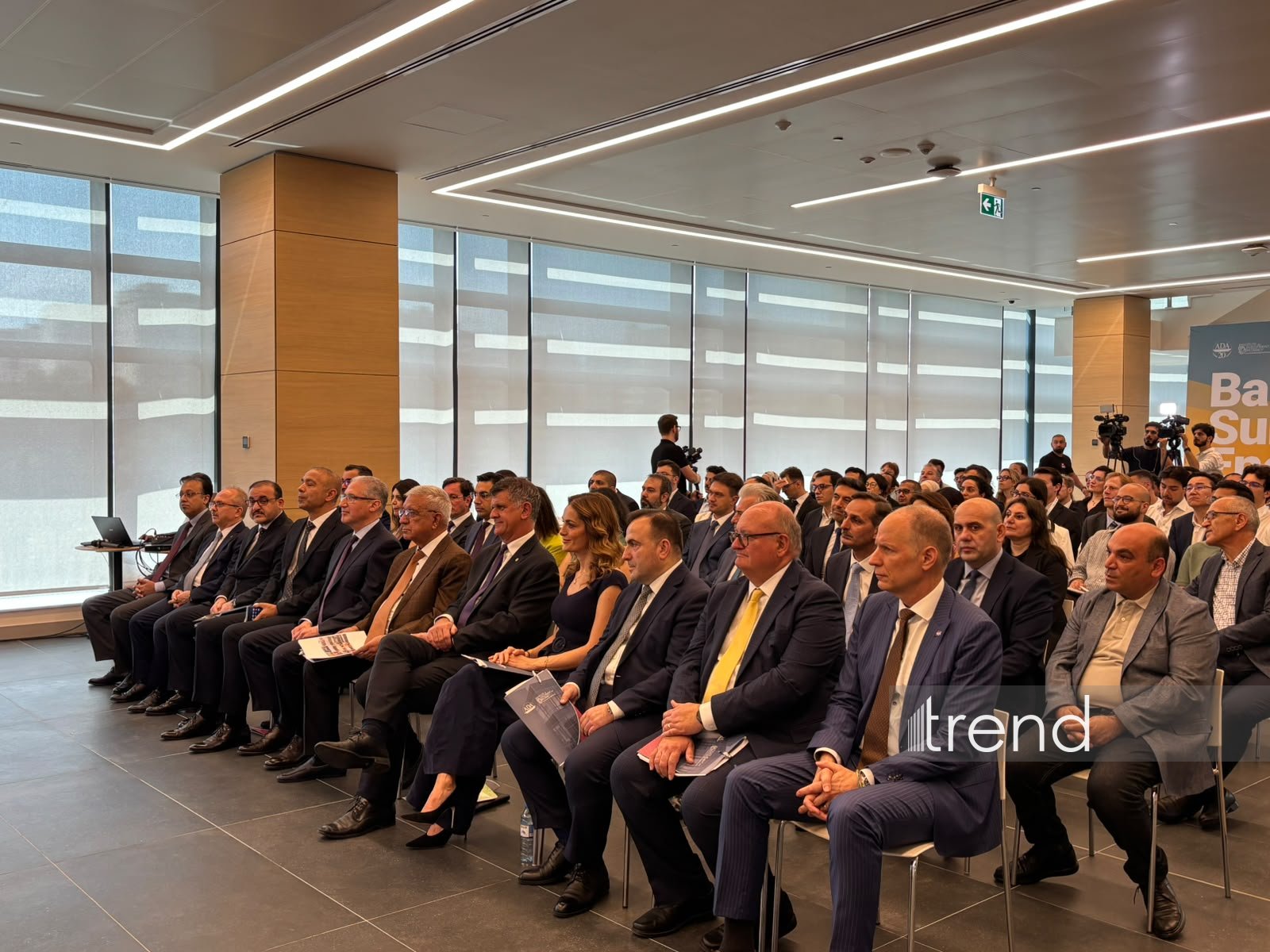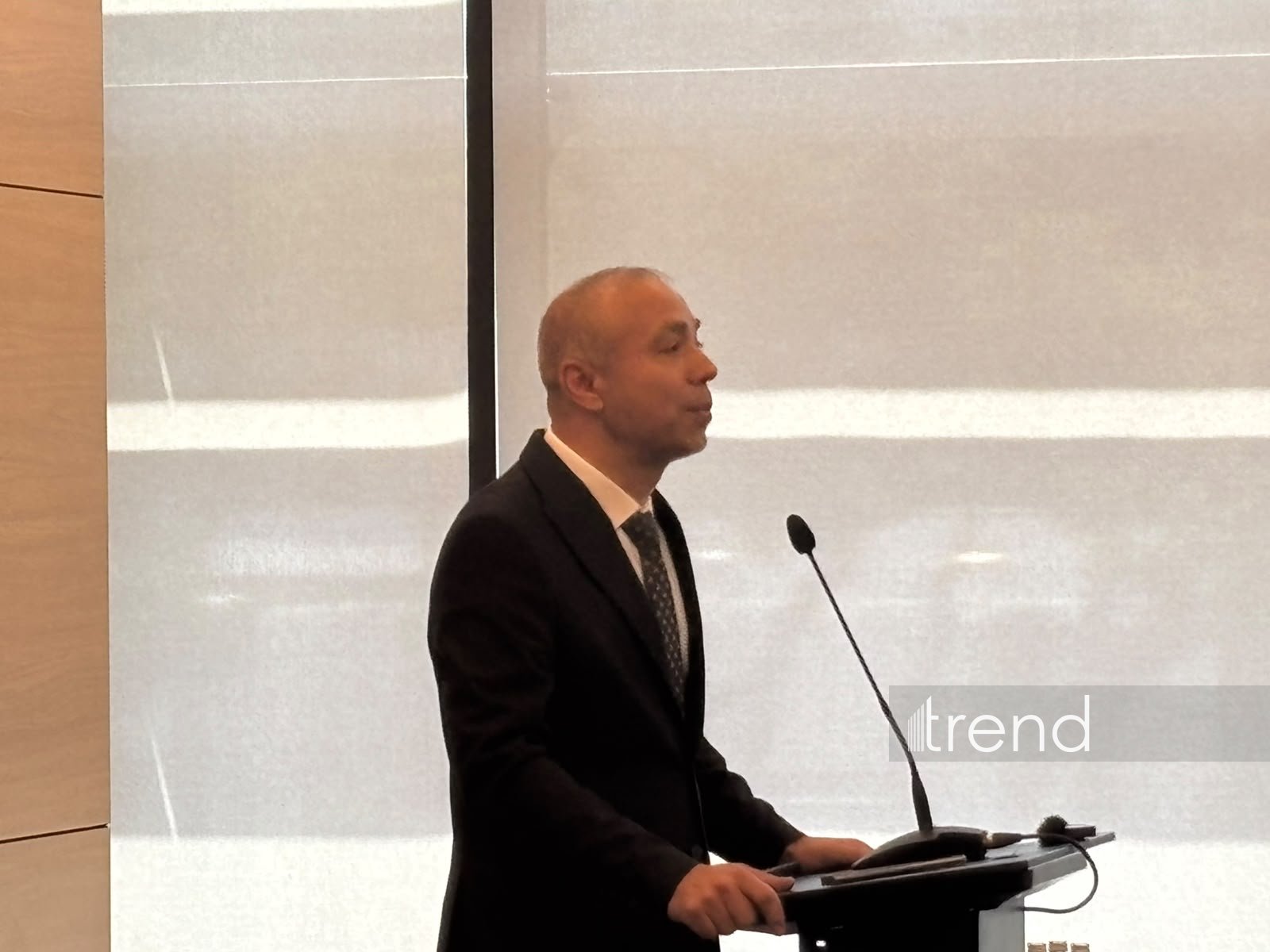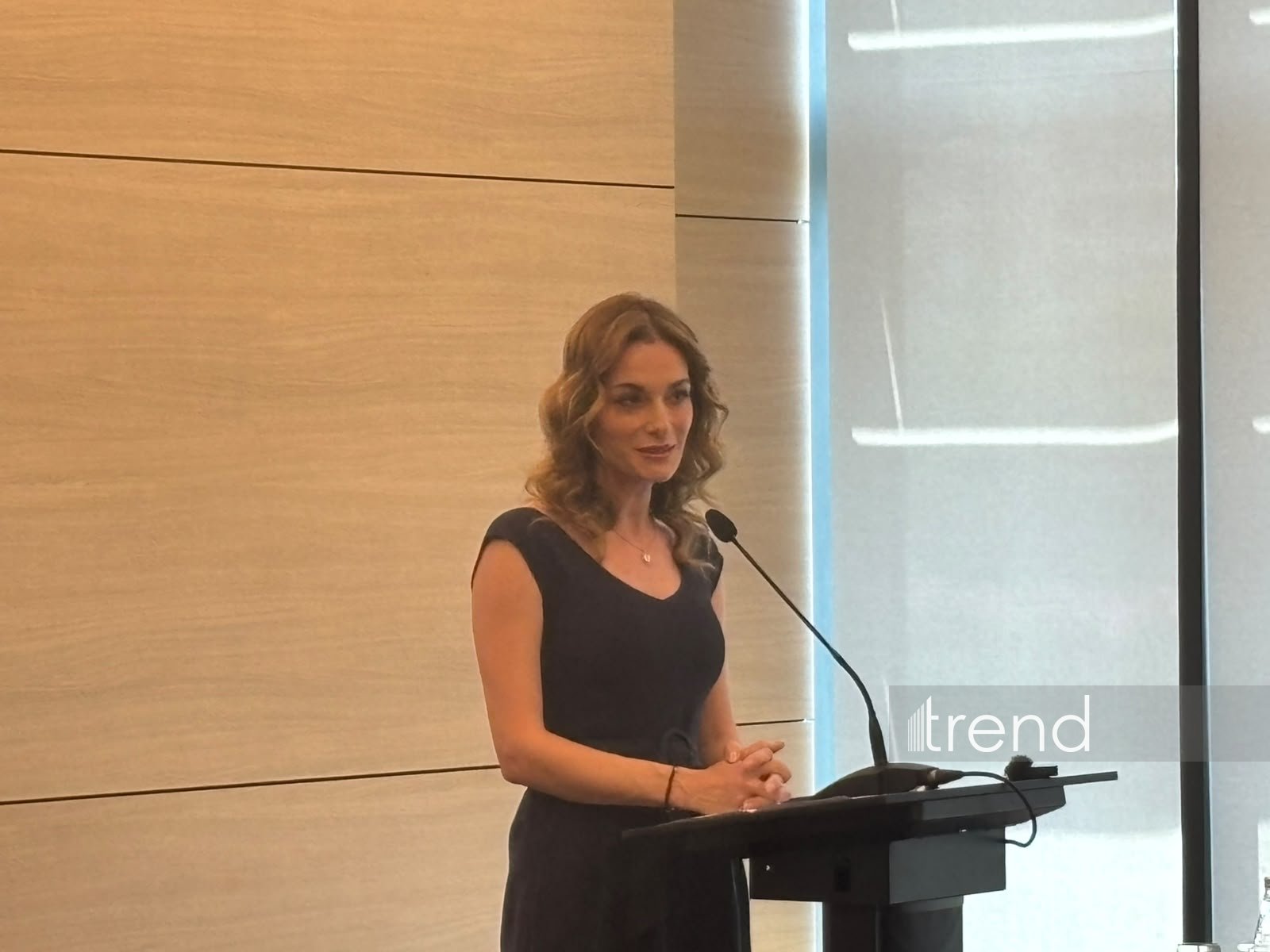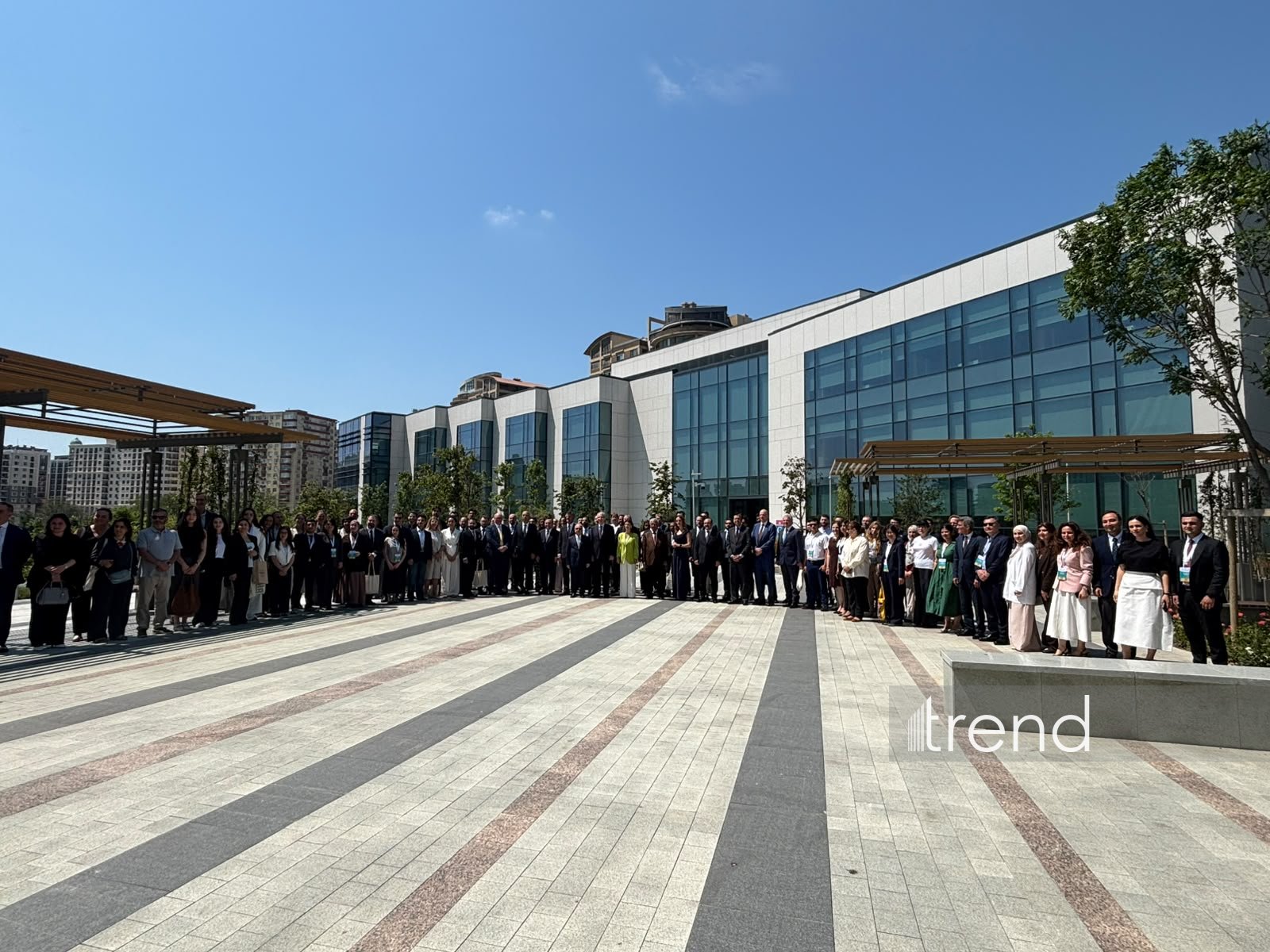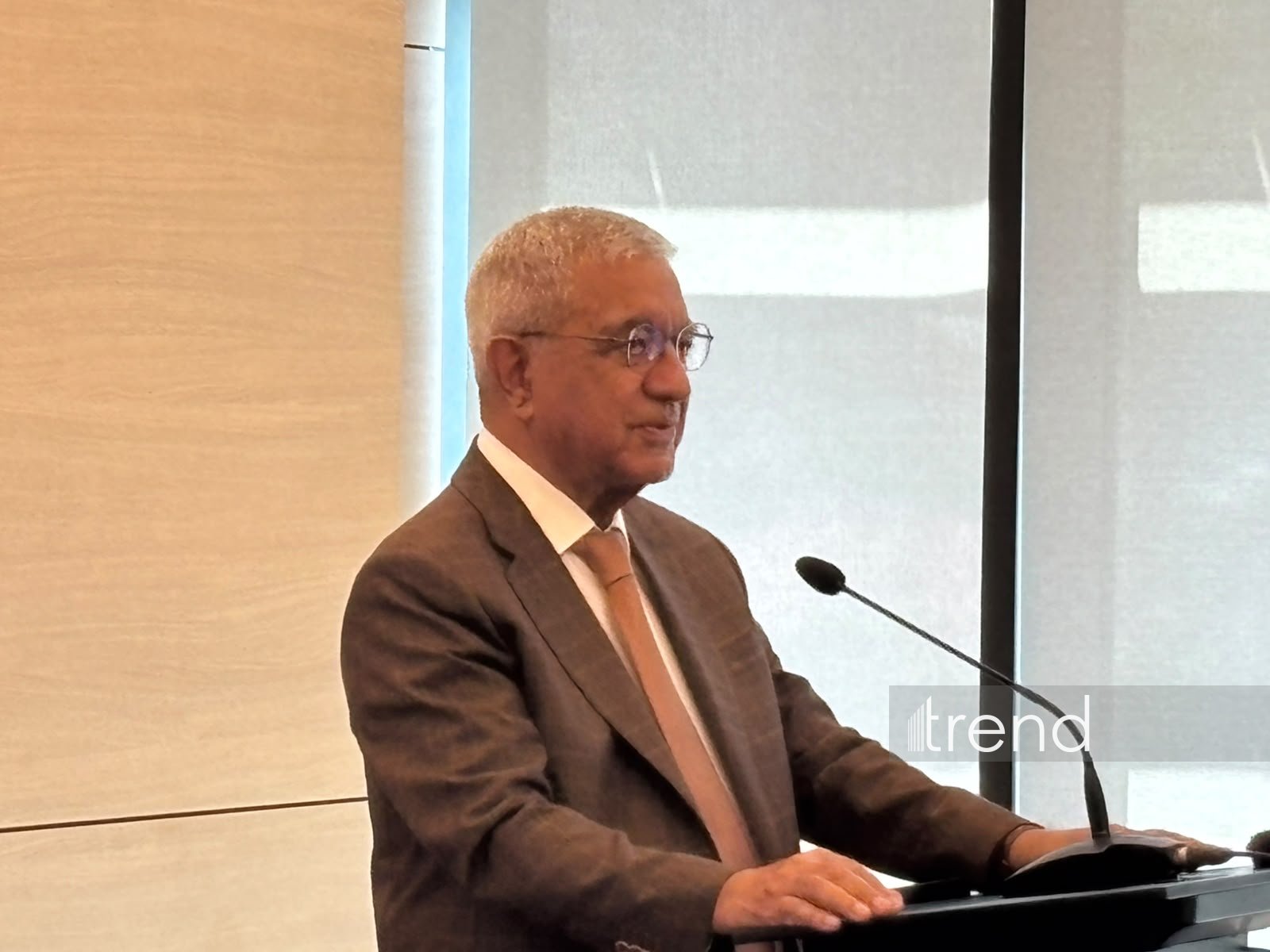

BAKU, Azerbaijan, July 6. The opening ceremony of the 20th Baku Summer Energy School, organized by the Institute for Development and Diplomacy (IDD) of ADA University, has been held in Baku, Trend's correspondent reports from the event.
This year's international educational program, celebrating its 20th anniversary, will be held under the motto "Energy Security and Innovation".
The two-week program will bring together representatives of government agencies, heads of energy companies, international organizations, the academic community, and young professionals from around the world.
The event has discussed current energy security issues, global energy market trends, geopolitical challenges, energy diplomacy, the green energy transition, the development of renewable energy sources, investments in the energy sector, and Azerbaijan's strategic role in the transforming global energy system.
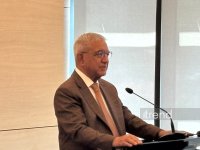
The opening ceremony featured welcoming remarks from ADA University Rector and Ambassador Hafiz Pashayev, Azerbaijan's Presidential Envoy on Climate Change and COP29 President Mukhtar Babayev, bp Regional President for Azerbaijan, Georgia, and Türkiye Giovanni Cristofoli, Azerbaijan's Deputy Minister of Energy Elnur Soltanov, SOCAR Vice President Ziba Mustafayeva, and GL Group Vice President for External Relations and Communications Ilgar Ibrahimli.
Hafiz Pashayev said that the 20th anniversary of the Baku Summer Energy School will be marked by new achievements in Azerbaijan's energy sector.
He also noted that ADA University has constructed nearly 20 new campus buildings over the 20 years of the Baku Summer Energy School.
"The campus's development has paralleled the program's development. Each time we implement a program, we strive to create a new building. Recently, two new buildings were commissioned at the university – for the faculties of Agriculture and Food Sciences, and Design and Architecture. The university continues to focus on sustainability and energy efficiency. Solar panels have been installed on the roofs of both buildings, generating over one million kilowatt-hours of electricity. This partially powers these buildings and the old campus," he said.
Furthermore, according to Pashayev, the university previously implemented a geothermal energy project.
"All of our old campus buildings are partially powered by geothermal energy. This was the first such project in Azerbaijan and, in fact, the first in the region." The university continues to receive support from bp through both its summer energy school and educational projects. bp also supports the development of joint dual degree programs with George Washington University, which contributes to strengthening engineering education at ADA. ADA University began its operations as the Diplomatic Academy, but over time, it has significantly expanded its training programs. Today, the Diplomatic Academy is just one of our university's schools. At the same time, we are proud to continue our contribution to the training of specialists in the field of diplomacy. Our programs already include ambassadors," he said.
Pashayev noted that the first Baku Summer Energy School was held in 2006—the year the Baku-Tbilisi-Ceyhan oil pipeline began operating, calling this a symbolic coincidence.
"I am convinced that the 20th anniversary of our Summer Energy School will also be associated with new achievements in Azerbaijan's oil, gas, and energy sectors," he added.
Meanwhile, Elnur Soltanov said that Azerbaijan has succeeded in turning its energy resources into a source of development for the country.
According to him, the Baku Summer Energy School brings together representatives from various countries and deservedly bears the unofficial title "The United Nations in Energy."
"The development of the oil industry attracted the best engineers, architects, and scientists of the time to Baku, making the city one of the most dynamically developing centers in the world. As early as 1918, Azerbaijan became the first democratic republic in the Muslim world. In 1941, Azerbaijan supplied more than 80 percent of all oil for the Eastern Front, where the fight against the Nazis was being waged. In the 1990s, Azerbaijan again made a strategic choice, turning oil and gas resources into a factor in the country's development, strengthening regional cooperation, and international energy security," he noted.
Soltanov said that these decisions subsequently played a significant role in strengthening the state and liberating Azerbaijani territories.
In conclusion, he expressed confidence that the participants of the Baku Summer Energy School will be able to gain a deeper understanding of Azerbaijan and its energy history.
"I believe that upon completing the school, you will be more knowledgeable, happier, and will take with you this fire and light of Azerbaijan to share with others," the deputy minister added.
Then, Ziba Mustafayeva announced in her speech that SOCAR is becoming an integrated energy company with a focus on AI.
"SOCAR is no longer just an oil company. We are transforming into an integrated, diversified energy company, driven by data and artificial intelligence. The company continues to operate in all traditional segments of the oil and gas industry – exploration and production, transportation, refining, and trading – while simultaneously expanding its activities in the energy transition. SOCAR has been implementing solar and wind energy projects for several years and is considering further expansion of its activities at the regional level, as well as exploring other areas of green energy," she said.
SOCAR's Vice President also emphasized that the company was awarded the World Economic Forum's Lighthouse Award in 2026.
"The award recognizes the implementation of digital technologies, automation, and artificial intelligence-based solutions at SOCAR's urea plant in Azerbaijan. Our experience has been recognized globally and can now be applied in other countries. This year, SOCAR acquired the fuel and retail business and oil refining assets of Italiana Petroli in Italy. This transaction was one of the company's largest international transactions. This year marks the 20th anniversary of the Baku-Tbilisi-Ceyhan (BTC) oil pipeline's operation. Recently, the pipeline's operatorship was transferred from BP to SOCAR. This means that we have developed the local expertise to manage such a large-scale infrastructure and are ready to share this experience with other countries," SOCAR's Vice President stated.
According to Mustafayeva, none of the company's achievements would have been possible without cooperation with international partners.
In conclusion, she emphasized that SOCAR highly values its cooperation with ADA University, noting the university's contribution to the training of the company's executives and managers through joint educational programs.
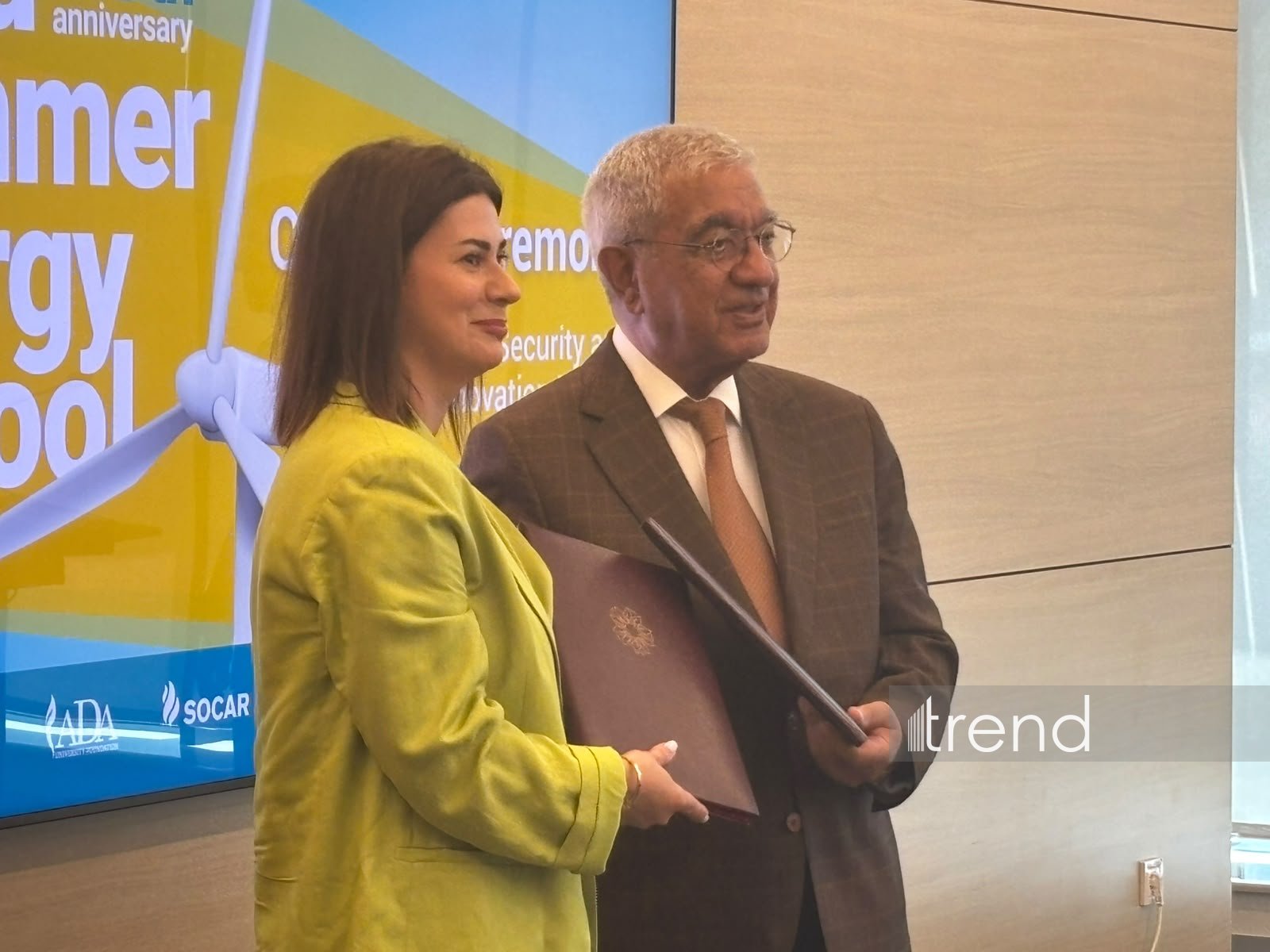
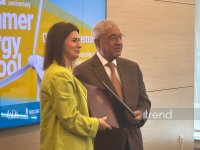
The event included the signing of a Memorandum of Understanding between ADA University and the Clean Energy Center for the Economic Cooperation Organization (CECECO).
The document aims to develop cooperation in clean energy and strengthen regional collaboration in this area.