



BAKU, Azerbaijan, October 22. Syria imported $294.583 million worth of natural gas from Azerbaijan from January through August 2026, totaling 864.410 million cubic meters, according to the State Statistical Committee.
Overall, Azerbaijan exported 16.378 billion cubic meters of natural gas worth $5.711 billion to eight countries during the first eight months of 2026.
Compared with the same period in 2025, the value of natural gas exports decreased by $286.011 million, or 4.8%, while export volumes fell by 75.102 million cubic meters, or 0.5%.
Meanwhile, Azerbaijan imported natural gas worth $14.471 million, totaling 215.022 million cubic meters, from a single country, Iran, from January through August 2026.
During the same period in 2025, Azerbaijan imported 233.303 million cubic meters of natural gas worth $36.321 million from two countries, Russia and Turkmenistan.
As a result, the value of Azerbaijan's natural gas imports declined by $21.850 million, or about 60.2%, year-on-year, while volumes decreased by 18.281 million cubic meters, or 7.8%.
On July 12, 2025, during a working visit to Azerbaijan by Syrian transitional President Ahmed al-Sharaa, a memorandum of understanding was signed between SOCAR and the Government of the Syrian Arab Republic. The document was signed by SOCAR Supervisory Board Chairman Mikayil Jabbarov and Syrian Energy Minister Mohammed al-Bashir.
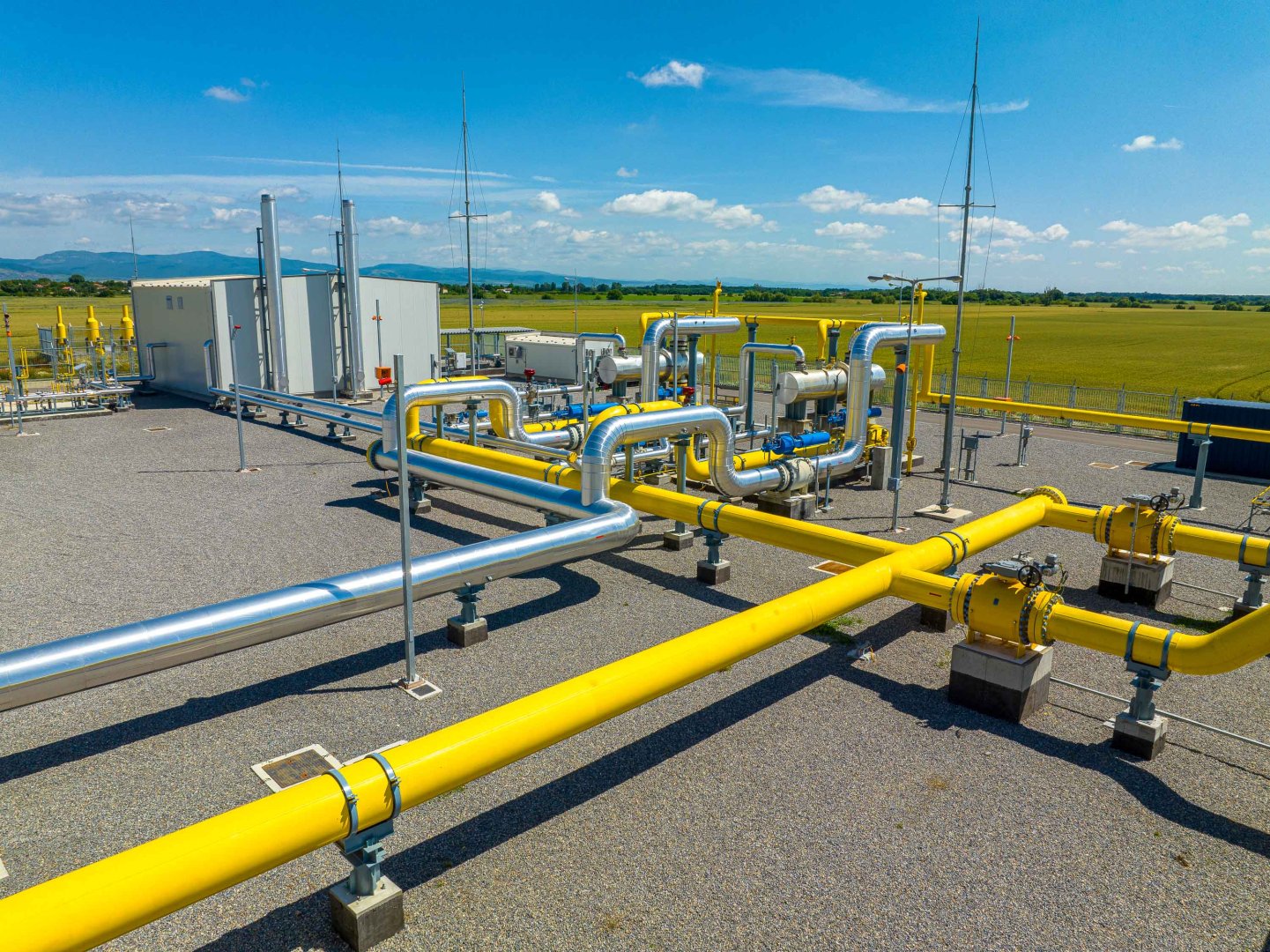
All technical preparations for transporting natural gas have been completed. Exports of Azerbaijani gas to Syria via Türkiye began on August 2, 2025.
During the first phase of the project, Azerbaijan plans to supply Syria with 1.2 billion cubic meters of natural gas annually. The gas is transported through Türkiye's Kilis region to power plants in Aleppo and Homs, where it is used to generate electricity. The project is expected to provide 1,200–1,300 megawatts of power generation capacity.
Expanding natural gas exports is one of Azerbaijan's key policy priorities. The country currently exports gas to 16 countries and has the world's widest geographic reach for pipeline gas supplies.
Speaking at the opening ceremony of the Türkiye–Syria natural gas pipeline, Azerbaijan's Economy Minister and SOCAR Supervisory Board Chairman Mikayil Jabbarov described the project as the result of the political will of four countries. He said that gas exports from Azerbaijan to Syria through Türkiye were a clear example of joint efforts and shared results.
Türkiye's Energy and Natural Resources Minister Alparslan Bayraktar said the infrastructure would initially enable exports of up to 2 billion cubic meters of natural gas to Syria annually.
He noted that transporting Azerbaijani gas to Syria through Kilis would enable power plants with a combined capacity of around 1,200 megawatts to operate in Syria and help meet the electricity needs of five million households.
Syrian Energy Minister Mohammed al-Bashir described the project as the beginning of cooperation between the two countries.
"This is not the last project. We will implement even larger projects together with Azerbaijan in the future. We have reached agreements on expanding technical cooperation with Azerbaijan and implementing new investment projects," he said.
Fahad Hamad Al-Sulaiti, director general of the Qatar Fund for Development, praised Azerbaijan's role in the project in an exclusive interview with Trend.
Noting that the first deliveries of natural gas to Syria had begun, Al-Sulaiti said the project was the result of successful cooperation among Azerbaijan, Türkiye and Qatar.
"We highly appreciate Azerbaijan's role in this process and want this partnership to expand further in the future," he said.


