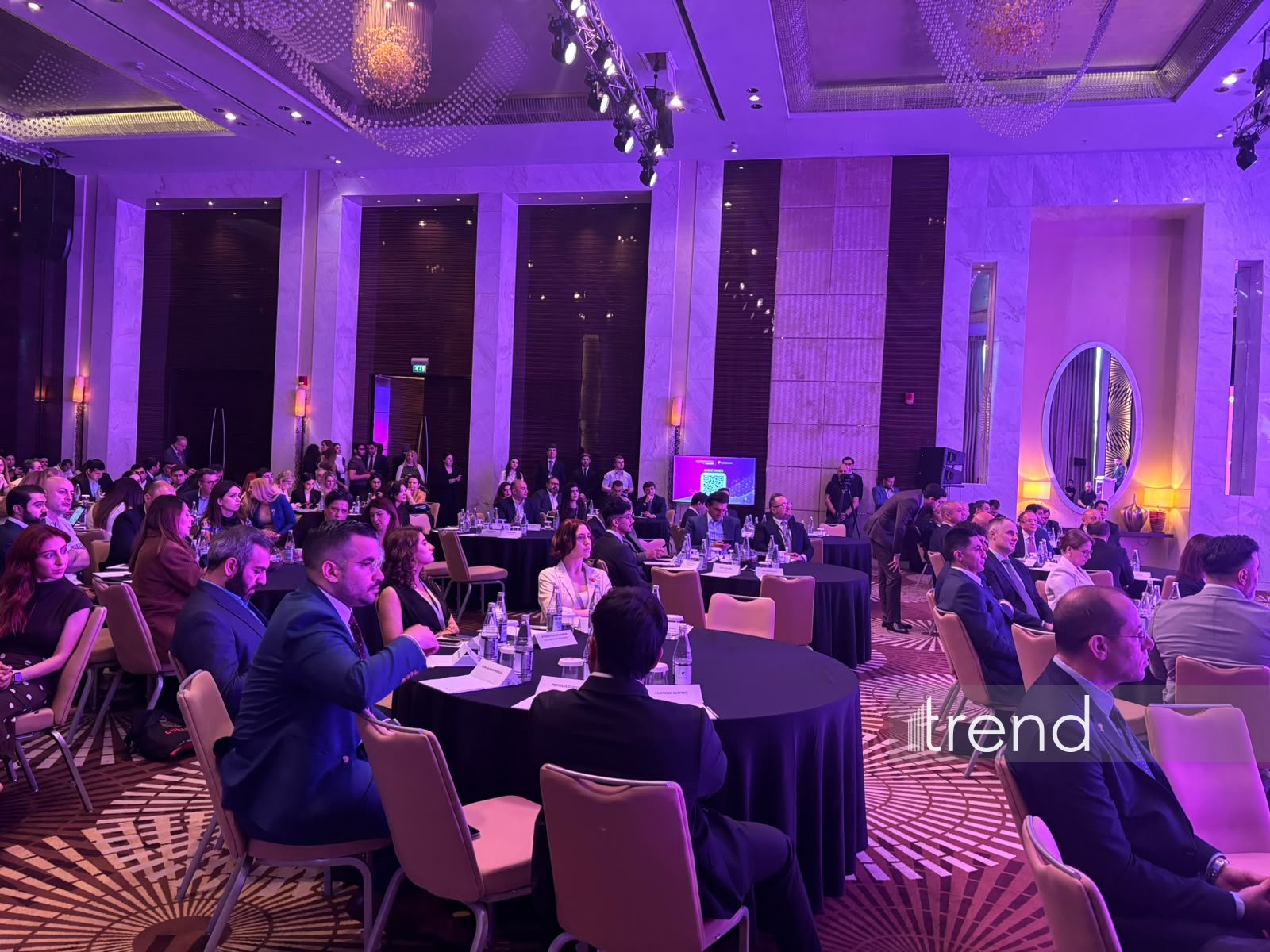

BAKU, Azerbaijan, June 11. An event titled “Technovation: Science and Innovation for Sustainable Economic Transformation” took place today in Baku, organized by PMI with the support of the American Chamber of Commerce in Azerbaijan (AmCham Azerbaijan), Trend’s correspondent reports from the event.
The event brought together representatives of government agencies, the business community, international companies, and the expert community to discuss the role of science, innovation, and modern technologies in ensuring sustainable economic growth and economic diversification.
The program included presentations by representatives of the government, business, and international organizations, as well as panel discussions on the development of the non-oil and gas sector, the innovative transformation of the economy, sustainable development, and the adoption of cutting-edge technologies.
The participants discussed opportunities to strengthen cooperation between the public and private sectors, exchange experiences, and promote innovative solutions that contribute to Azerbaijan’s long-term economic development.
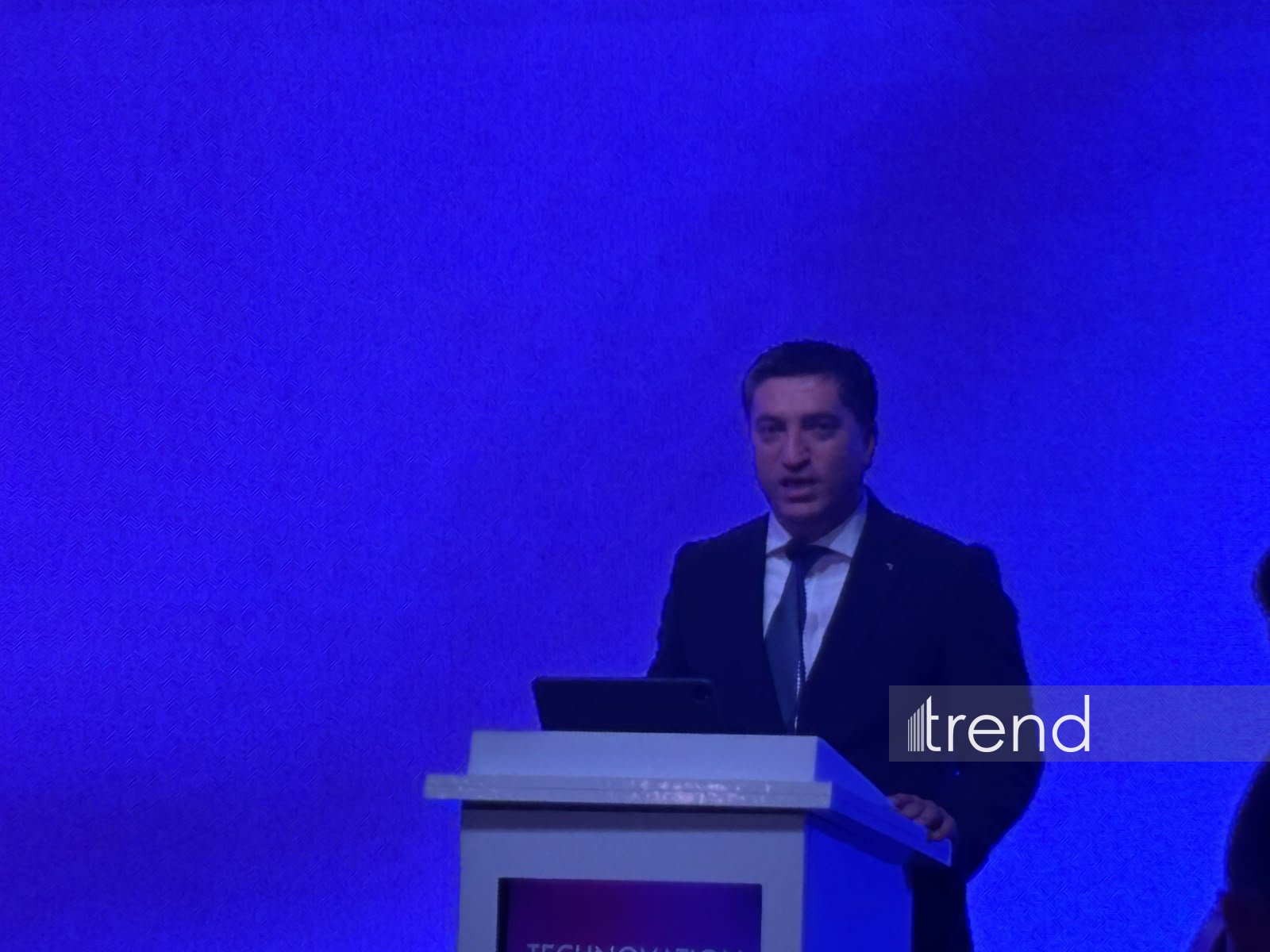
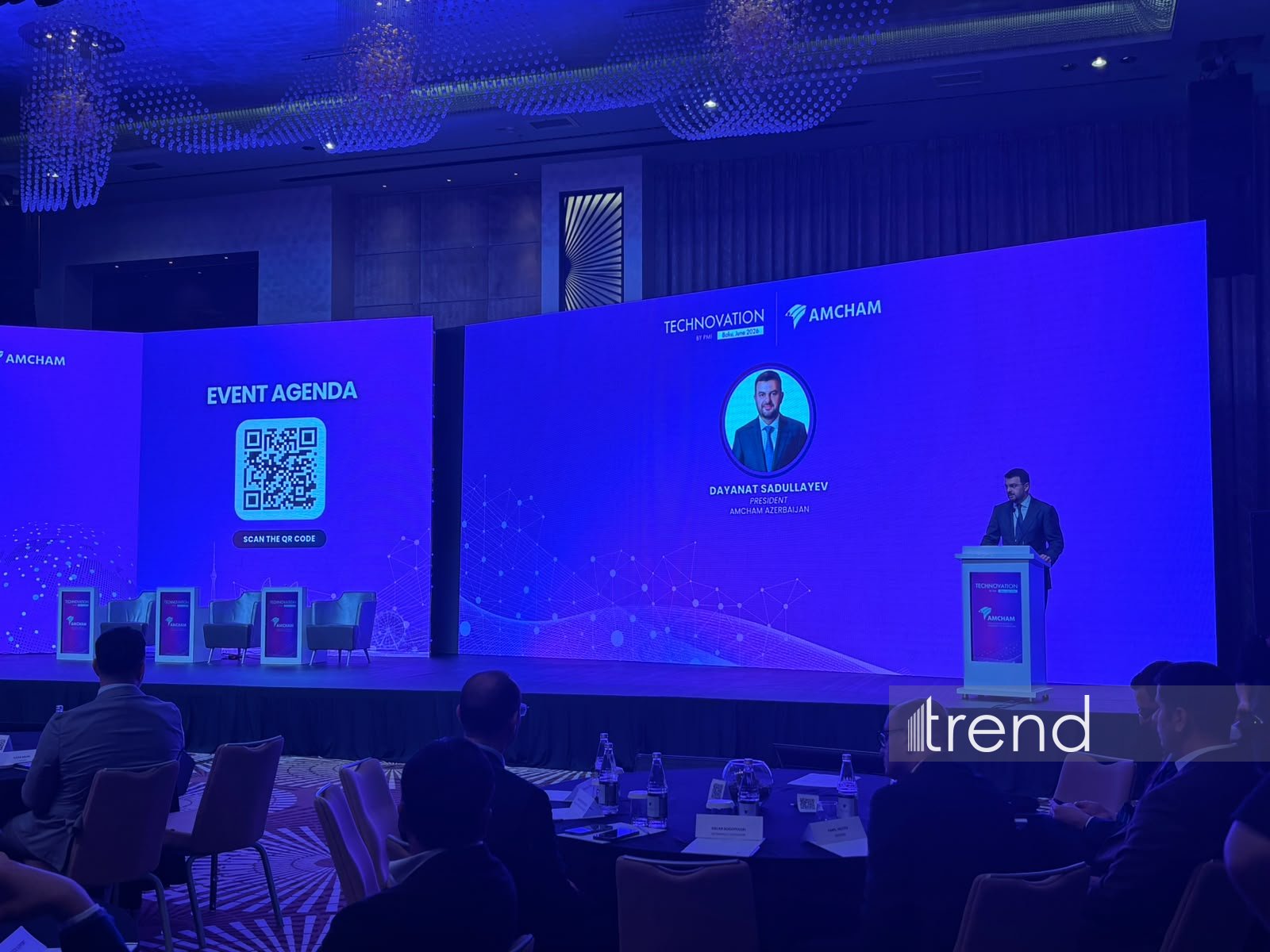
Speaking at the event, President of the American Chamber of Commerce in Azerbaijan (AmCham Azerbaijan), Dayanat Sadullayev said that in the face of rapid global change, businesses must not only adopt new technologies but also rethink their business models, improve efficiency, respond to emerging challenges, and create long-term value.
According to him, corporate sustainability is becoming particularly important in today’s environment.
“Today’s rapidly changing environment and global events demand sustainability from businesses. It is important for the business community not only to adapt to new technologies but also to rethink approaches to doing business, improve efficiency, respond to new challenges, and create long-term value,” he said.
Sadullayev noted the importance of platforms for dialogue and the exchange of experience between the public and private sectors.
“Platforms such as Technovation, and any other venues for communication and dialogue play an important role in building relationships. One of AmCham’s goals is to create such platforms for interaction and cooperation between the public and private sectors,” he emphasized.
The President of AmCham Azerbaijan expressed his gratitude to PMI for its cooperation and trust in organizing the event, and also noted the high level of engagement from government officials and chamber members.
He also expressed his gratitude to the speakers, moderators, partners, and participants for their contributions to the event and expressed hope that the discussions held during the event would foster new ideas, strengthen cooperation, and advance dialogue.
Huseyn Huseynov, advisor to Azerbaijan’s Minister of Economy, noted that today, the non-oil sector accounts for the bulk of Azerbaijan’s economy and continues to be the main driver of economic growth.
According to the advisor, over the past two decades, Azerbaijan has laid a solid foundation for sustainable economic growth thanks to strategic investments, modern infrastructure, and a reform-oriented business environment.
He noted that today the non-oil sector accounts for the majority of the country’s economy and continues to be the main driver of economic growth. In this regard, he said, the key task is to accelerate development by building a diversified and innovation-oriented economy.
"Digital transformation is central to Azerbaijan’s economic agenda. The country is implementing a digital economy development strategy aimed at strengthening digital infrastructure, accelerating technology adoption, supporting innovation, and developing the skills necessary for the economy of the future.
“Technology alone does not bring about transformation; people play a key role in this process. In this regard, Azerbaijan is actively investing in the development of human capital,” he said.
Huseynov noted that as part of the national 4IR Academy program, implemented in partnership with the American company Coursera, tens of thousands of citizens have gained access to educational programs in the fields of artificial intelligence, data analysis, cybersecurity, and other promising areas.
The Minister’s Advisor also noted the importance of international partnerships, emphasizing that the United States has remained one of Azerbaijan’s key economic partners for over three decades.
He added that cooperation between the two countries is gradually expanding from traditional energy to areas such as innovation, technology, and digital transformation.
Moreover, Huseynov noted that the economic dialogue between Azerbaijan and the U.S. demonstrates the emergence of new opportunities for cooperation, including high-performance computing, artificial intelligence, cloud technologies, and digital innovation.
The official also highlighted the expansion of cooperation with companies such as Dell Technologies, Oracle, Microsoft, and Amazon, noting the transition to a strategic technology partnership.
According to him, these initiatives form the foundation of a modern digital economy capable of boosting productivity, creating jobs, attracting investment, and enhancing global competitiveness.
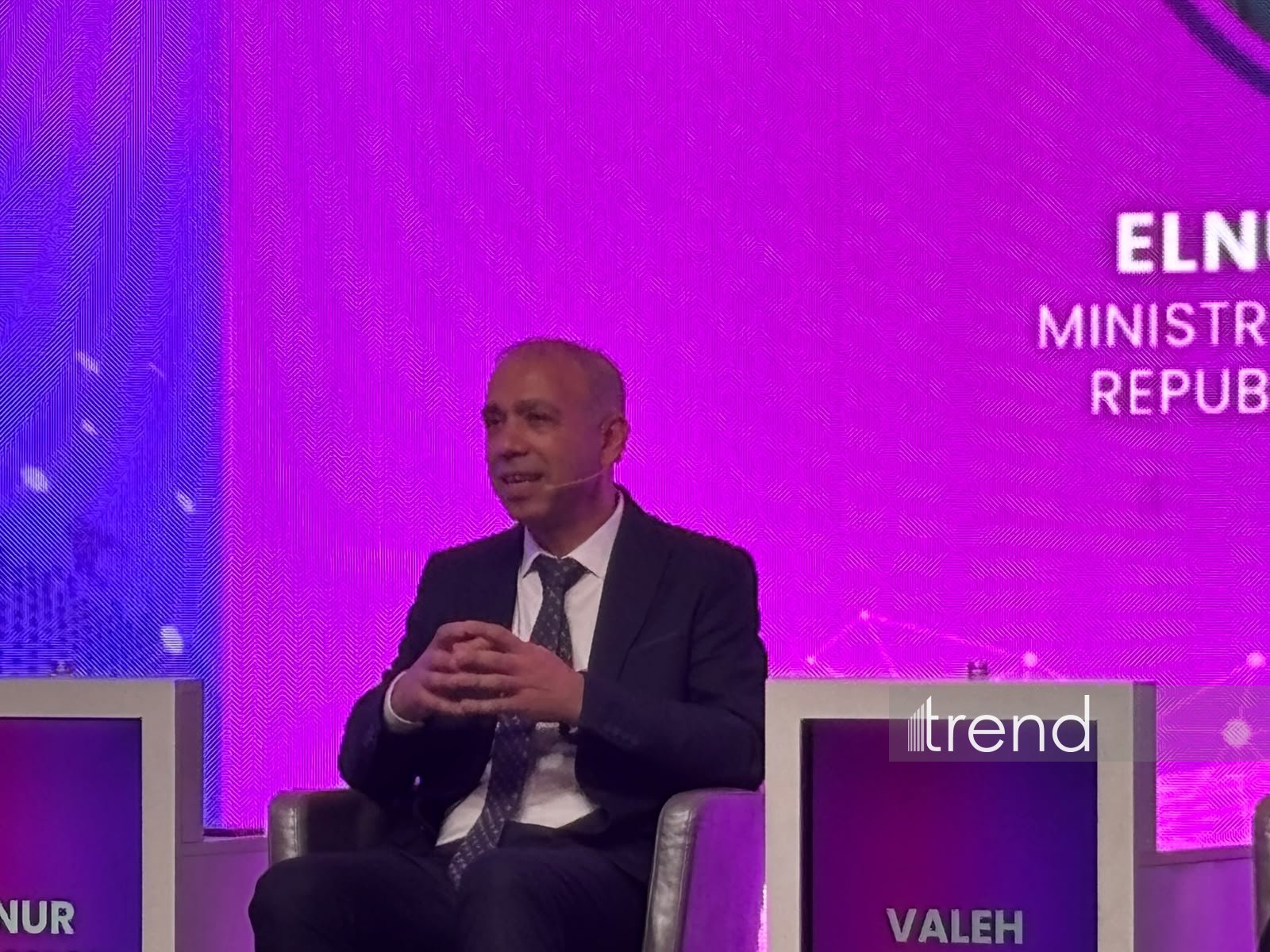
Deputy Minister of Energy Elnur Soltanov said that Azerbaijan is transitioning to a new phase of economic development amid changing global economic conditions and the transformation of traditional drivers of growth.
According to him, the country is entering a qualitatively new economic era in which the former drivers of rapid growth are losing their former significance, while the human capital, demand, and business ties formed during the previous stage of development are creating the foundation for a new stage of development.
Soltanov noted that economic diversification should not be viewed as an end in itself.
He stated that economic growth and sustainable development are the priorities, and diversification should be viewed in the context of these goals.
"Diversification is important for enhancing economic resilience, but in some cases it can lead to the support of unprofitable enterprises, so the approach to it must be balanced. Azerbaijan’s economy is showing stabilization in oil production and significant growth in gas production between 2020 and 2025, though such rapid growth rates are not expected to continue in the future,” he said.
Speaking about the role of the State Oil Company of Azerbaijan (SOCAR), he noted its transformation and the expansion of its international operations. He pointed out that the company is expanding its operations beyond Azerbaijan’s borders, including into Georgia, Turkey, and European markets, such as Italy.
Furthermore, Soltanov emphasized that SOCAR is increasingly focusing not only on oil and gas production and processing, but also on exporting expertise and accumulated knowledge, which, in his words, is an important indicator of the country’s economic development.
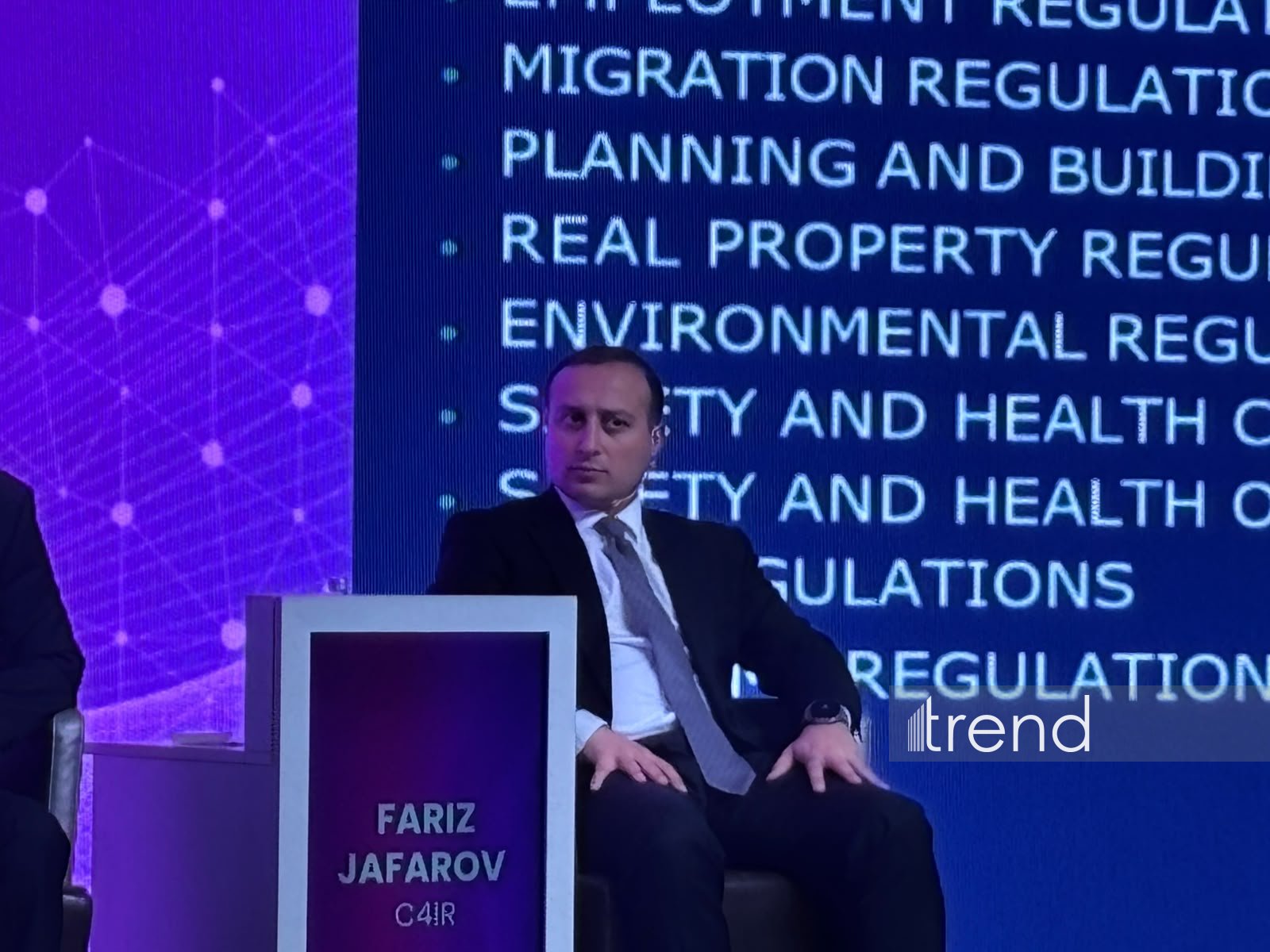
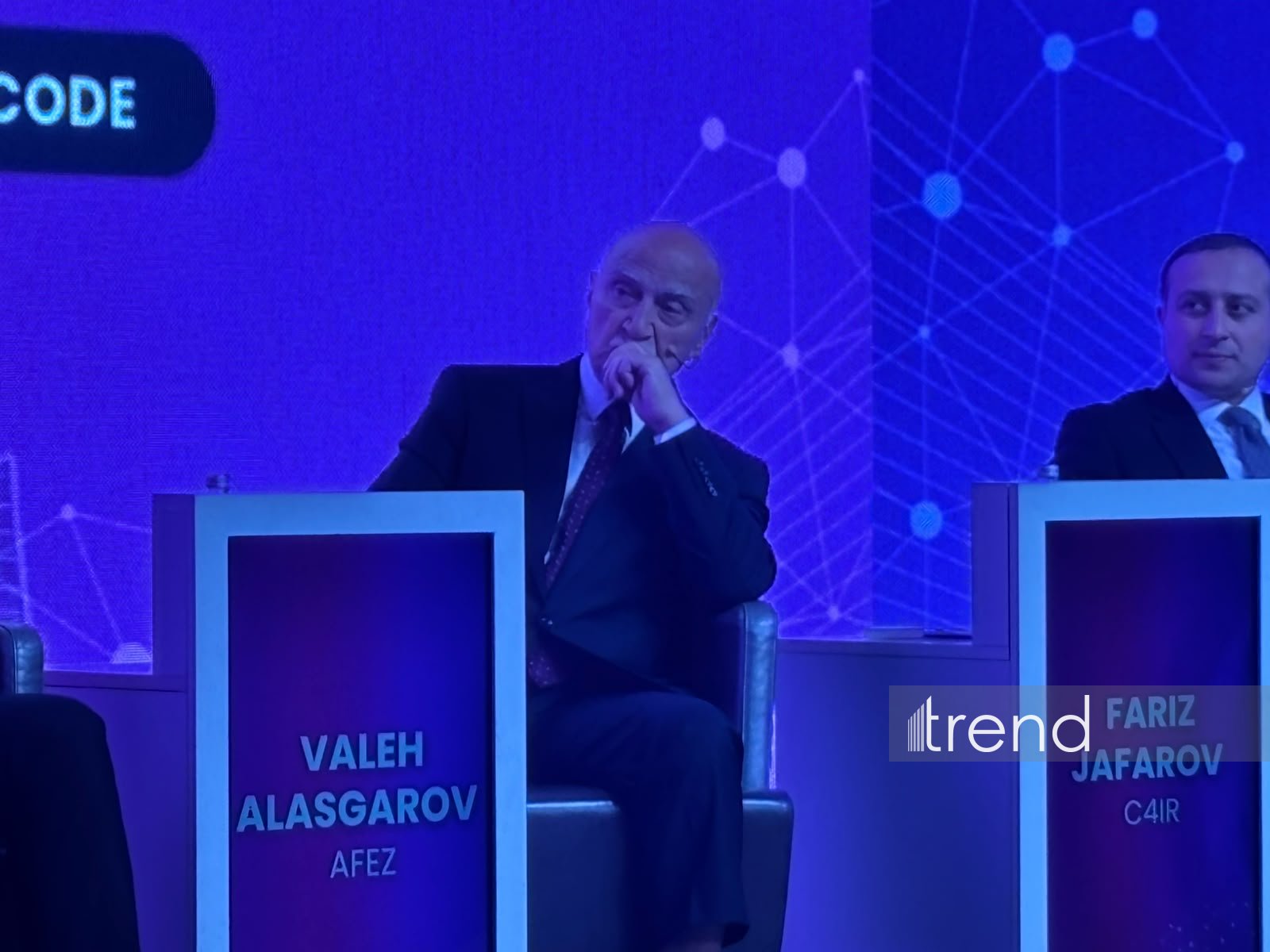
In turn, Chairman of the Board of the Alat Free Economic Zone Authority, Valeh Alasgarov said that cargo airport within the Alat Free Economic Zone (FEZ) will help attract high-tech companies.
"The North-South and East-West international transport corridors in the vicinity of the Baku International Sea Trade Port enable us to provide investors and clients with all types of transport and logistics services using road, rail, and sea routes.
Given the importance of having a cargo airport for high-tech industries, an agreement has been reached with the local carrier Silk Way Airlines to establish a cargo airport within the Alyat Free Economic Zone.
This will be the first airport within the free economic zone," he said.
Alasgarov announced that construction began in March 2024, and commissioning is scheduled for next year.
He noted that this will make it possible to attract high-tech companies to establish operations within the Alat SEZ.
According to him, investors are provided with industrial land plots equipped with pre-installed infrastructure and utilities.