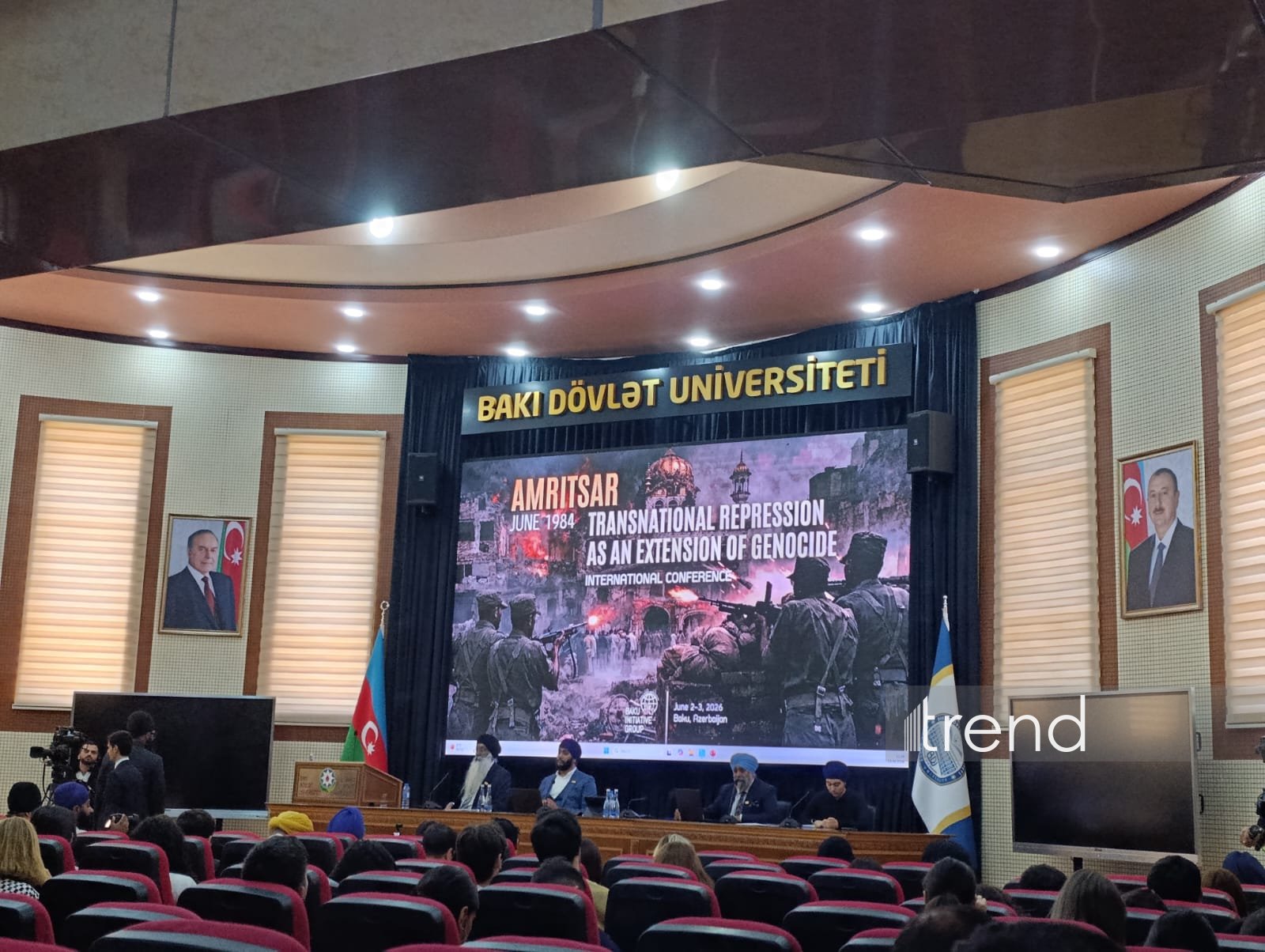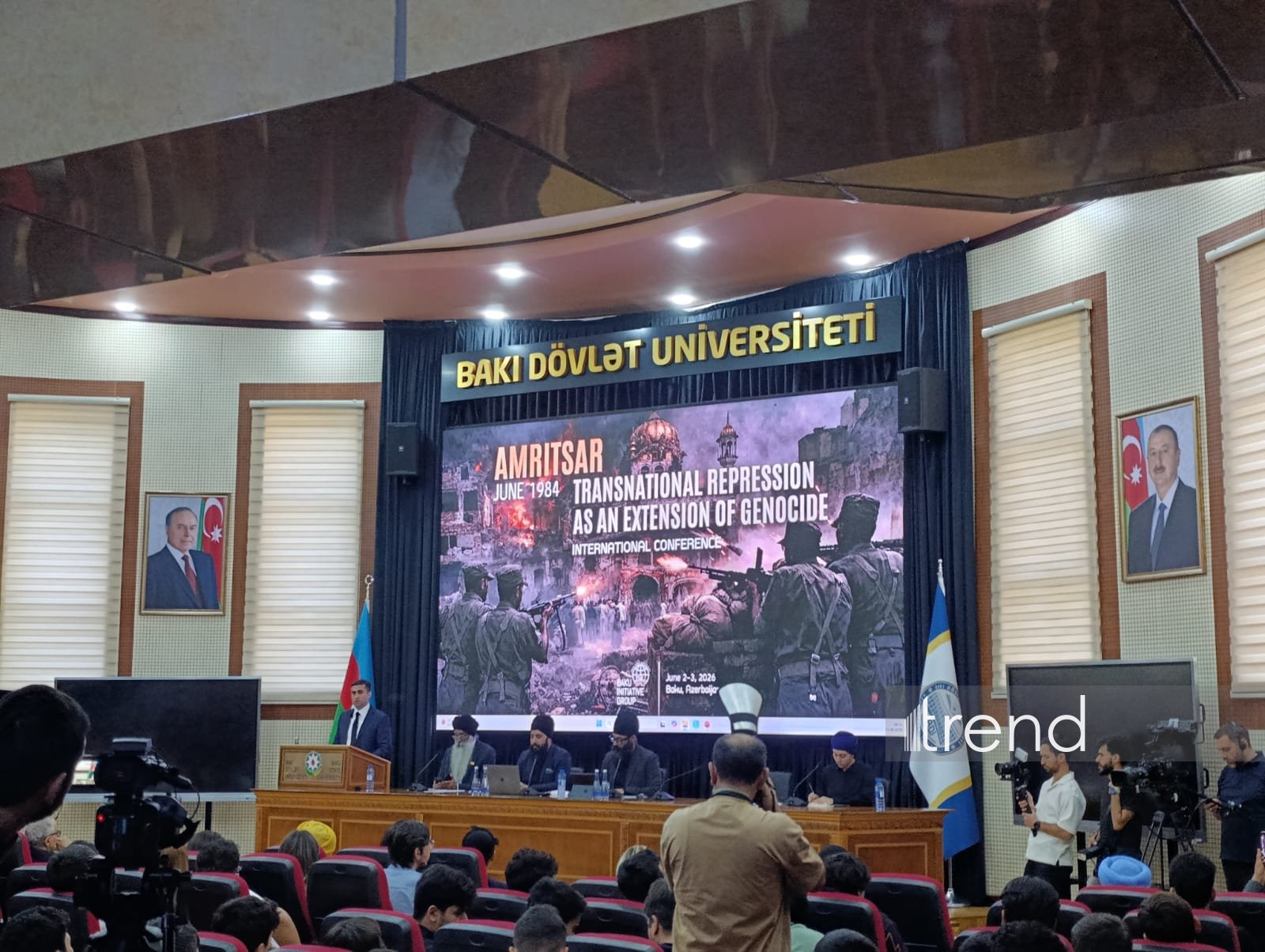
BAKU, Azerbaijan, June 3. An international conference, organized by the Baku Initiative Group, on "June 1984, events in Amritsar: India's transnational repression of ethnic minorities in the context of genocide" dedicated to the Indian government's repressive policies against ethnic minorities, has been held in Baku, Trend reports.
Representatives of the Dalit community, who have suffered from the Indian government's repressive and systemic discrimination policies, participated in events held in Azerbaijan for the first time.
The event also featured influential representatives of the Sikh community from Canada, the UK, the Netherlands, Germany, Switzerland, Australia, and the U.S., as well as heads of think tanks, human rights and ethnic minority experts, and individuals who have been direct victims of the Indian government's repressive, racist, and persecutory policies.
The conference discussed the ongoing agenda of international organizations of the Indian government's policy of transnational repression and systemic persecution against ethnic and religious minorities, particularly members of the Sikh and Dalit diasporas and their families. At the same time, an exchange of views was held on strengthening coordinated cooperation between diaspora organizations affected by repression, strengthening joint mechanisms for legal protection against transnational persecution, and joint activities on international platforms.
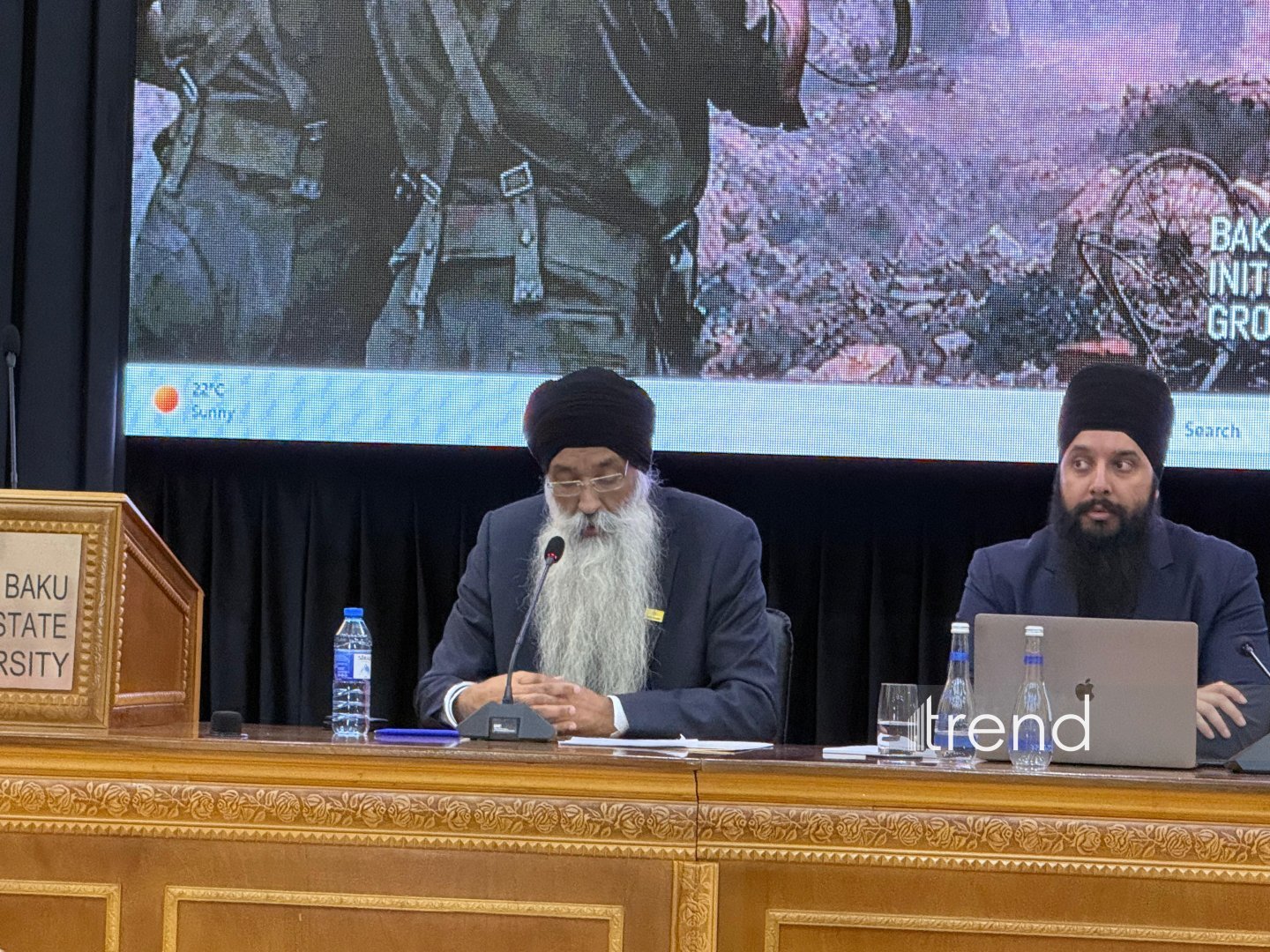
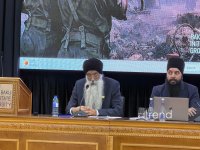
Speaking at the event Chairman of the Sikh Federation of Canada, Buhal Moninder Singh said that the search for ways of peaceful coexistence of peoples is one of the main challenges of modernity.
"The world is changing rapidly, and geopolitical ties are transforming. Today's world is no longer the same as it was two years ago, and it will be different in two years. Finding new partners, strengthening solidarity, and finding ways for people to coexist peacefully are, in all likelihood, some of the most important challenges of our time," he explained.
Moninder noted that for students and young people, who will one day assume responsibility for global development, it is more important than ever to understand with whom they can build solidarity, which peoples are their historical partners, and where they can find support and peaceful coexistence, rather than facing attempts to seize resources, exploit territory, and establish control.
"These are precisely the questions that concern people around the world, especially those who strive for freedom, like the Sikh people. Therefore, they are seeking partners in solidarity throughout the world," he added.
Legal Counsel for Sikh Federation of Canada, Prabhjot Singh Wirring said that occupation and genocide are not isolated events, but stable structures.
"The key point is that occupation and genocide are enduring structures, not one-time events," he said.
According to him, the end of a military presence or a change in political power doesn't mean the end of an occupation.
He pointed out that such systems persist through institutions, laws, the judicial system, police, bureaucracy, borders, and knowledge production mechanisms that can be used to control populations and disconnect people from their own identity and historical roots.
Singh noted that occupation persists through changes in people's understanding of themselves, how they are governed, and how their resistance is criminalized.
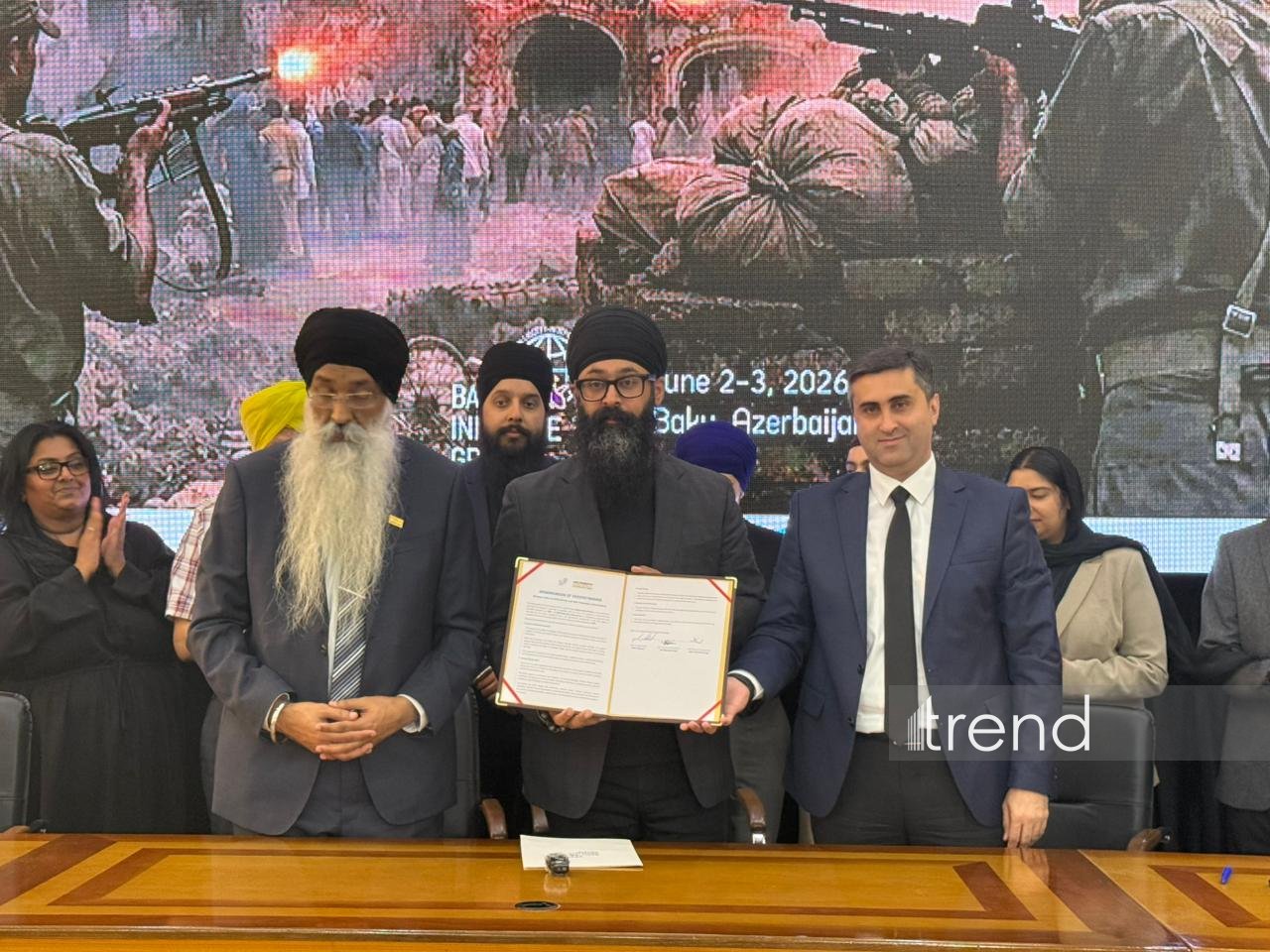
In addition, at the end of the event Baku Initiative Group (BIG) and the International Sikh Federation have signed a memorandum of cooperation.
The objective is to establish a framework for cooperation between the parties in the fields of academic, historical, and cultural research, with a particular focus on historical contacts and cultural interaction.
Within this framework, the parties may explore historical sources, scientific materials, and cultural evidence regarding the presence of Sikh travelers, merchants, and religious figures in the region, including matters related to the Ateshgah temple and the broader historical context of intercultural exchange.
This cooperation aims to promote scholarly dialogue, objective research, cultural mutual understanding, and the preservation of historical memory.