


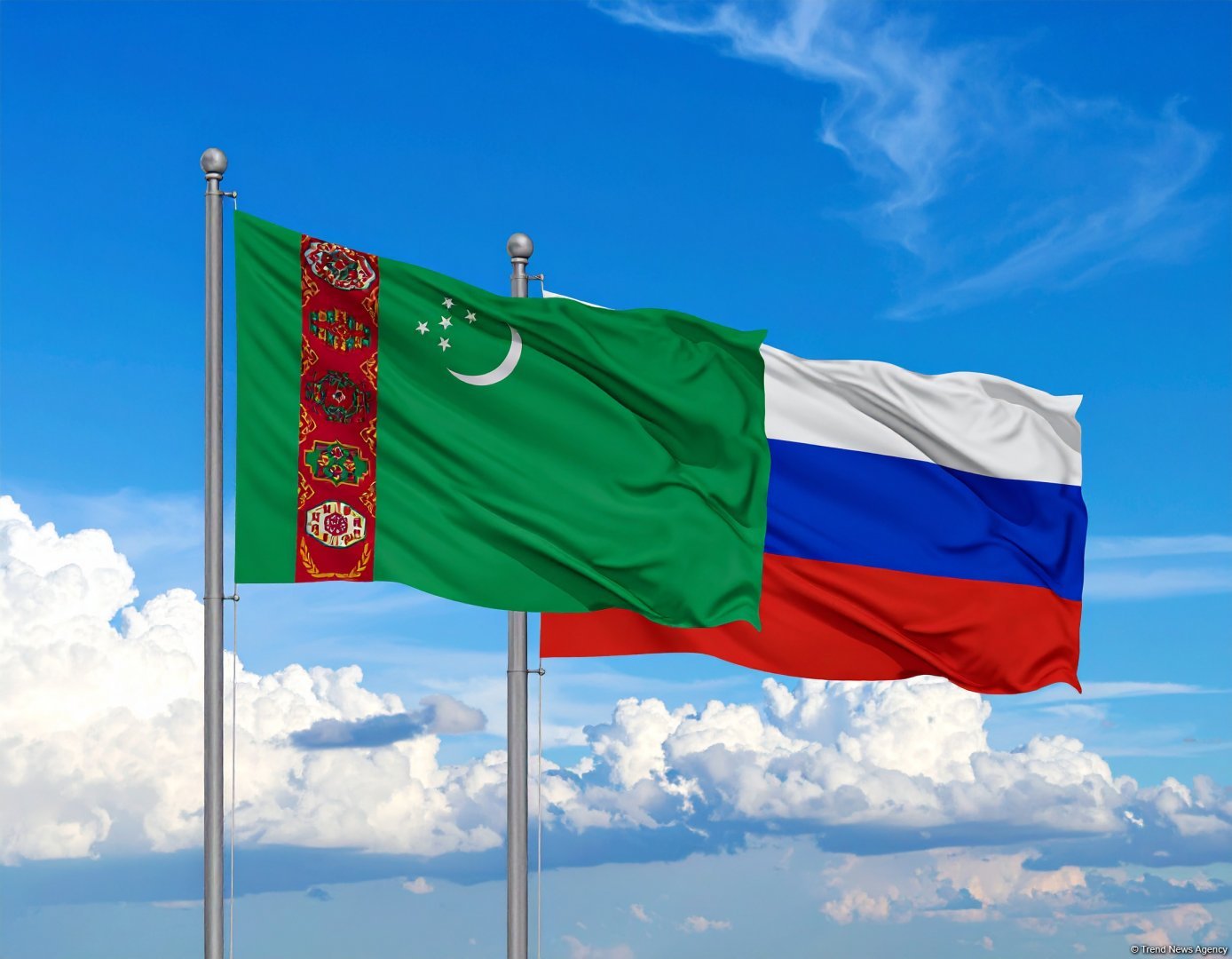

BAKU, Azerbaijan, August 13. Russia has expressed support for closer cooperation among the five Caspian states and initiatives put forward by Turkmenistan to strengthen regional environmental cooperation.
This was reflected in a statement released by the press service of the Turkmen Government, citing Russian Embassy Counsellor-Minister Pyotr Shchukin's remarks at a scientific and practical conference on the protection of the Caspian Sea ecosystem, held in Avaza.
Shchukin called for greater use of the scientific and technical potential of the five Caspian littoral states and more active work through existing regional mechanisms.
“Active joint efforts of the five countries and close cooperation among our experts are necessary, including within the relevant five-party groups,” he said.
According to the report, the Russian diplomat highlighted the role of existing regional structures, including the Caspian Sea Hydrometeorology Committee, in addressing the effects of climate change.
Furthermore, Shchukin stated that Russia attaches importance to the Caspian environmental summit initiated by the Turkmen side, which is scheduled to take place in October in Avaza.
“We expect that the decisions to be adopted at the Caspian environmental summit initiated by the Turkmen side will provide an important impetus to this work,” he said.
The Russian diplomat added that Moscow is ready to support constructive initiatives by the Caspian littoral states.
The push for closer Caspian cooperation comes as changes in the sea's physical conditions are increasingly affecting economic infrastructure around its coastline. Research published in Communications Earth & Environment indicates that continued declines in the Caspian's water level could significantly affect ports, shipping and industrial facilities. Under a 10-meter decline scenario, the study estimates that several major ports, including Turkmenistan's Turkmenbashi, could become significantly farther from the shoreline, while offshore oil and gas infrastructure could also face growing logistical challenges.
The economic dimension has already become part of regional environmental cooperation. The Protocol on Environmental Impact Assessment in a Transboundary Context under the Tehran Convention entered into force in November 2025, creating a framework for assessing the potential cross-border effects of major projects before they are implemented. The rules cover activities including pipelines, oil refineries and offshore operations, meaning that environmental coordination can directly intersect with energy and transport investment across the Caspian.
Against this background, the emphasis on joint scientific work, monitoring and information exchange has practical implications for the region's infrastructure planning. For Turkmenistan, whose Caspian coast includes the Turkmenbashi port complex, better regional data and coordination could help coastal states assess how changing sea conditions may affect maritime transport and other economic activities. This makes Ashgabat's push for closer cooperation relevant not only to environmental policy but also to the long-term operation and planning of Caspian infrastructure.



