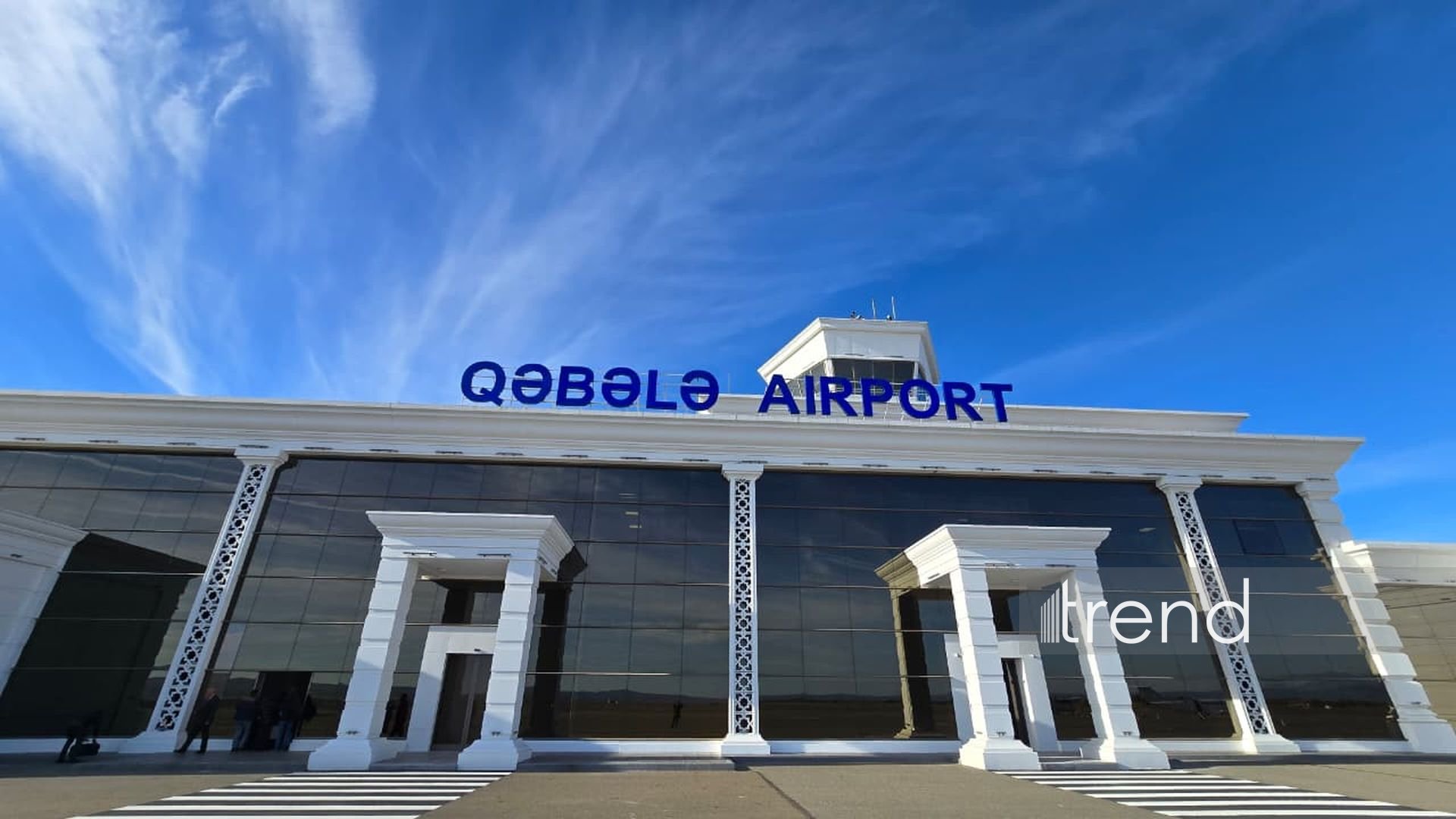

GABALA, Azerbaijan, November 12. A media tour has been organized to the Azerbaijan Airlines (AZAL) Flight Crew Training Center, located at Gabala International Airport, Trend’s correspondent reports from the event.
In the field of aviation, the training of professional pilots is a complex process that requires extensive theoretical knowledge, practical training, and significant flight experience. Modern training aircraft, flight simulators, experienced instructors, and safety standards play a crucial role in this process. One of the primary institutions operating in this field in Azerbaijan is the Flight Crew Training Center of AZAL.
As part of the media tour, journalists had the opportunity to observe the center’s operations firsthand, including the stages of pilot training, training aircraft, simulator capabilities, and the processes in place to ensure flight safety.
The center was established by AZAL and received a training organization certificate from the State Civil Aviation Agency on October 24, 2024. Its headquarters is located at Heydar Aliyev International Airport, while its primary flight training base is situated at Gabala International Airport.
The center’s activities extend beyond initial pilot training. It also focuses on refreshing and enhancing the knowledge and skills of professional pilots, as well as preparing trainee pilots for independent flight operations.
The center also offers an integrated ATPL(A) pilot training program. Training is conducted in accordance with international aviation standards and the requirements established by the State Civil Aviation Agency. The training process encompasses theoretical coursework, simulator sessions, and practical flight training.
Training aircraft: from first flight to professional piloting
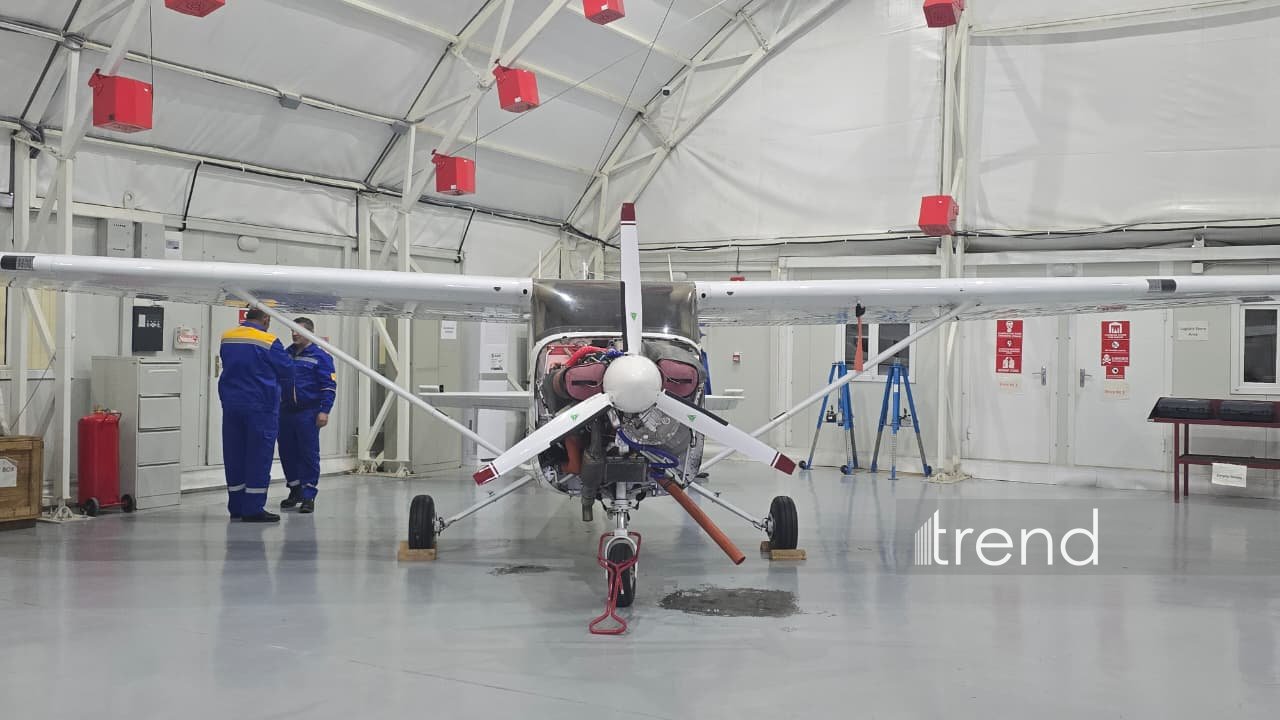
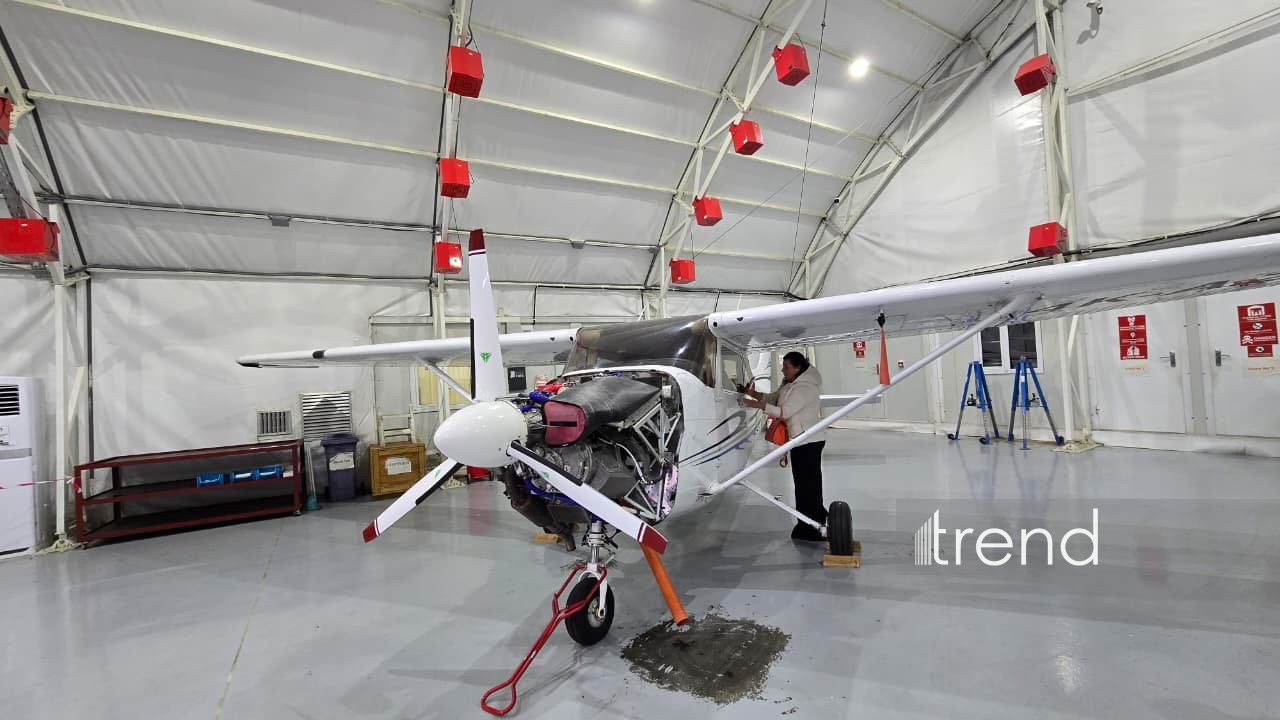
One of the highlights of the media tour was familiarization with the center’s training fleet. Currently, the facility houses five Cessna 172S aircraft and a twin-engine Diamond DA42 NG training aircraft, all used for initial flight training, as well as an ALSIM flight simulator.
The Cessna 172S is primarily intended for cadets new to aviation to acquire foundational flight skills. At this stage, cadets learn how to handle the aircraft, master take-off and landing procedures, and develop in-flight decision-making abilities. In the subsequent phase, the twin-engine Diamond DA42 NG is used to carry out more complex flight tasks.
The Deputy Head of the Center, Seymur Guliyev, told reporters that expanding training opportunities and training local pilots are among the key priorities.
According to him, through the center’s current capacities, it can train 16 pilots per year. The target is to reach an annual figure of 60 individuals from 2027 through 2028.
"Our main priority is the training of local personnel. Expanding the aircraft fleet will significantly enhance pilot training capabilities within the country," emphasized Guliyev.
He noted that another Cessna 172S aircraft is scheduled to be brought to Azerbaijan by the end of this year, with plans for the total number of such aircraft to exceed 10 from 2027 through 2028. Furthermore, there are plans to introduce a new Diamond aircraft and a corresponding simulator for that type of aircraft in 2027.
In addition to increasing the number of aircraft, expanding the instructor staff is also a key focus. Currently, four instructors are participating in relevant training courses in Türkiye. With their integration into operations starting in January, the number of instructors will reach eight, and it’s planned to train a total of 19 new instructors from 2027 through 2028.
From simulator to real flight: how are pilots trained?
Simulator training sessions represent a crucial stage in pilot preparation. During this training, cadets develop their skills in an environment that simulates various flight scenarios before commencing actual flight operations.
The ALSIM simulator used at the center serves as a tool that complements practical flight training. Additionally, a simulator located at the National Aviation Academy is also utilized for relevant training purposes.
Pilot training is conducted through either modular or integrated programs. In the modular program, candidates first obtain a Private Pilot License (PPL) by passing nine theoretical examinations. Subsequently, they proceed to the next stages of training to obtain a Commercial Pilot License (CPL).
In the integrated program, theoretical and practical training are carried out according to a unified curriculum. The flight experience required to obtain a Commercial Pilot License is 210 hours, regardless of the specific program chosen.
Another crucial aspect of the training is the development of Instrument Rating (IR) skills. This training enables pilots to continue flying in cloudy conditions, situations with limited visibility, or complex meteorological environments by relying on the readings from onboard instruments.
According to Guliyev, pilots previously had to travel abroad to undergo training as instrument flight instructors. However, in 2026, the center obtained the necessary authorization in this area. Thus, it has become possible to train pilots who meet the established requirements and grant them the status of instructor within the country.
Seventeen pilots trained and handed over to airline
The results of the center’s operations are already evident in practical terms. Since 2024, 17 pilots have been trained here and transferred to a passenger airline. Currently, 41 pilot trainees are undergoing training at Gabala International Airport.
Speaking about the outcomes of the pilot training program during the media tour, AZAL pilot trainee Rufat Jumali shared his own experience with the journalists.
He noted that he graduated from the National Aviation Academy in 2021 and began flight training in December 2024. During the initial phase of his training, he flew a single-engine Cessna 172 aircraft, subsequently continuing his training in a Diamond DA42.
"I have successfully completed my final examination flight, which marks the conclusion of my training process. I would like to express my gratitude to everyone involved, especially the team at AZAL, for providing me with this opportunity," noted Jumali.
The training path he followed reflects a multi-stage process for aspiring pilots, beginning with theoretical knowledge and progressing to practical experience on various types of aircraft.
Safety comes first
In pilot training, the cultivation of a safety culture is just as vital as accumulating flight hours or developing technical skills. According to the center’s approach, every training flight is conducted in strict adherence to approved programs, standard operating procedures, and prior risk assessments.
Before a flight, potential risks are identified, and proactive measures are taken to mitigate them. Furthermore, the analysis of incidents and observations recorded during flights serves to continuously improve the training process.
In this process, not only pilots and instructors but also technical personnel play an important role. Maintaining the airworthiness of aircraft, inspecting engines and other systems, and ensuring the timely execution of maintenance procedures are among the fundamental requirements for flight safety.
As part of the media tour, journalists were also introduced to the aircraft maintenance process.
Valad Valadov, Technical Director for Western-made equipment at ASG Helicopter Services LLC, said that the company currently provides maintenance for five Cessna 172 Skyhawk aircraft. There are plans to acquire five additional aircraft of this type in the future, bringing the total number to 10.
These aircraft are equipped with German-made engines. A key feature of these engines is their ability to operate on both diesel and aviation fuel. The aircraft are primarily used for pilot training flights.
Valadov noted that the company provides both base and line maintenance for the aircraft. These services include technical inspections, engine removal and installation, replacement of spare parts, and the dismantling and reassembly of wings.
Synthesis of local and international experience
Pilot training is not limited solely to exercises conducted at the airfield. In this field, collaboration among higher education institutions, international training centers, and qualified specialists is of particular importance.
The National Aviation Academy plays a significant role in the training of aviation specialists in Azerbaijan. Integrating theoretical education with practical flight training facilitates the development of the professional knowledge and skills of future pilots. According to the provided information, 65 pilot trainees are currently undergoing flight training at the Atlantic Flight Academy in Türkiye, while 35 cadets are receiving training at the Baltic Aviation Academy in Lleida, Spain.
In addition, the center organizes special 10-day courses designed to refresh and update the knowledge and skills of pilots. These programs enable professional pilots to reinforce their existing knowledge and enhance their proficiency regarding flight regulations and safety procedures.
The media tour in Gabala has once again demonstrated that training a pilot involves much more than simply teaching them how to operate an aircraft. It’s a long-term preparation process that integrates theoretical knowledge, practical experience, technical resources, and a culture of safety into a unified system.
The primary objective of AZAL Flight Crew Training Center is to expand these capabilities, thereby meeting a larger share of the demand for local pilots from within the country. Increasing the fleet of training aircraft, expanding the instructor staff, and enhancing simulator facilities are significant steps taken toward achieving this goal.