


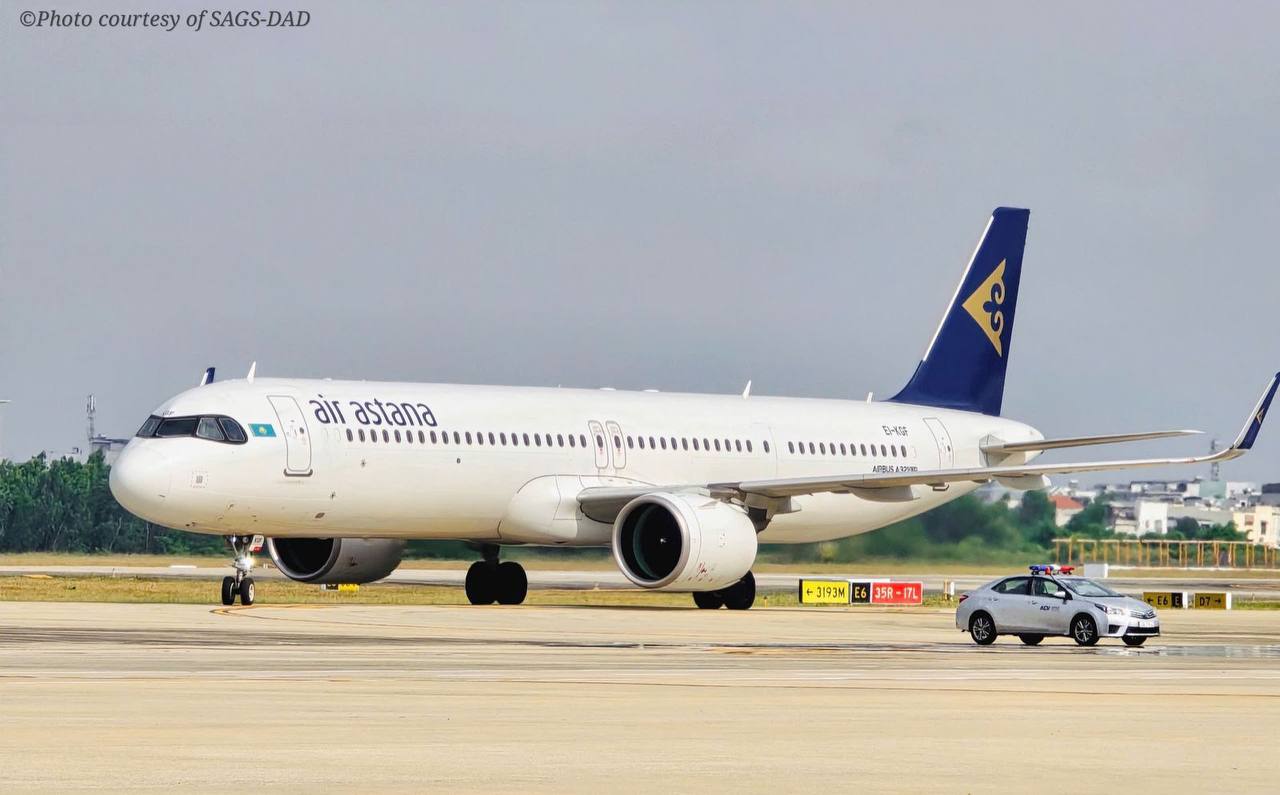
BAKU, Azerbaijan, November 12. Kazakhstan Air Astana Group's revenue per available seat kilometer (RASK) increased by 16% to 7.48 US cents in the third quarter of 2026, compared with 6.45 US cents in the same period of 2025, demonstrating continued strength in unit revenues, according to the company's financial results.
Air Astana recorded RASK growth of approximately 12%, while FlyArystan achieved an increase of approximately 25%.
For the first nine months of 2026, Group RASK increased by 15.9% to 7.45 US cents, compared with 6.43 US cents in the same period of 2025, reflecting sustained improvement in unit revenues throughout the reporting period.
Unit costs continued to grow faster than unit revenues. The Group's cost per available seat kilometer (CASK) increased by 20% to 6.95 US cents in the third quarter, compared with 5.79 US cents in the same period of 2025, exceeding RASK growth by 4 percentage points.
RASK remained above CASK in the third quarter, with the difference between the two indicators standing at 0.53 US cents, compared with 0.66 US cents in the third quarter of 2025.
For the first nine months of 2026, CASK increased by 21.3% to 7.15 US cents, compared with 5.90 US cents in the same period of 2025, against RASK growth of 15.9%. Consequently, the difference between RASK and CASK narrowed to 0.30 US cents from 0.53 US cents a year earlier, although the pace of narrowing slowed on a sequential basis.
"Cost pressures continued to reflect higher fuel prices at international stations and the ongoing impact of Pratt & Whitney engine issues. The proportion of fuel uplifted domestically increased to 75%, from 71% in Q3 2025, reducing the proportion purchased at international stations," Air Astana said.
According to the company, the Group's established domestic sourcing model, which includes purchasing fuel directly from Kazakhstan's refineries, provides an important means of limiting exposure to international fuel-price volatility.
Aircraft ownership, engineering and maintenance, and labour costs also remained under pressure. Engine-related groundings continued to constrain capacity growth, while the Group continued to incur these expenses to maintain its fleet, workforce and operational readiness.
Consequently, the higher cost base was spread over an available seat kilometer (ASK) base that grew by only 4% in the third quarter and 1.8% over the first nine months of 2026. This limited the Group's ability to absorb higher costs through increased capacity, contributing to higher costs per ASK and continued pressure on margins.


