



BAKU, Azerbaijan, November 12. Turkmenistan has proposed declaring 2028-2037 the UN Decade of Climate Resilience and Adaptation and establishing the Ashgabat Climate Dialogue as a new international platform for cooperation, the press service of the Turkmen government reported.
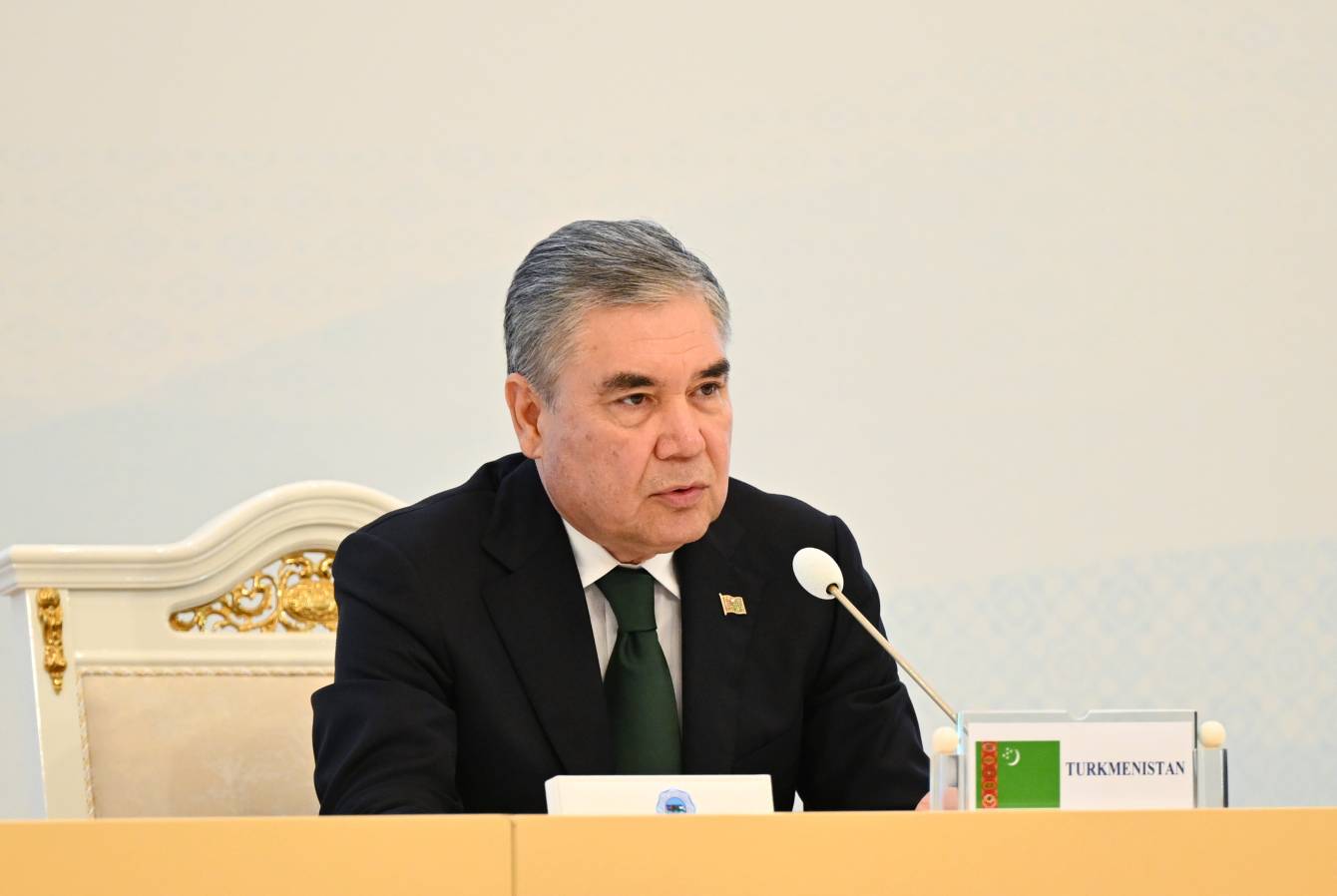
Chairman of the Halk Maslahaty of Turkmenistan Gurbanguly Berdimuhamedov announced the initiatives during the plenary session of the Leaders’ Summit at the 31st Conference of the Parties to the UN Framework Convention on Climate Change (COP31) in Antalya.
Berdimuhamedov said the proposed decade would help the international community focus on practical measures to strengthen countries’ climate resilience and ensure that resources are allocated to countries and regions in need.
“This initiative will allow the international community to focus on addressing specific tasks to strengthen the climate resilience of states and ensure the allocation of resources to countries and regions,” he said.
Turkmenistan also proposed establishing the Ashgabat Climate Dialogue as an open and inclusive international platform for cooperation on climate issues. The country suggested holding its first international meeting with interested partners in Ashgabat in 2027.
Another initiative envisages preparing a Digital Atlas of Climate Change and Its Negative Consequences jointly with the UN Environment Programme, the World Meteorological Organization, the UN Development Programme and other international partners.
According to Berdimuhamedov, the atlas would provide a comprehensive information and analytical tool for continuously monitoring climate change, assessing its adverse effects and identifying effective adaptation measures.
Turkmenistan also proposed creating a global partnership format for providing climate technologies. The initiative aims to expand developing countries’ access to modern environmentally friendly technologies, innovative solutions and climate financing.
In addition, Berdimuhamedov called for considering the development of an International Environmental Code under the auspices of the United Nations to improve the international legal framework for environmental protection.
He said the document could help streamline existing international rules, regulations and standards in areas including environmental protection, climate change mitigation, biodiversity conservation and sustainable use of natural resources.
The chairman also highlighted the importance of the Awaza Programme of Action for Landlocked Developing Countries for 2024-2034, which was officially launched during the Third UN Conference on Landlocked Developing Countries held in Turkmenistan in August 2025.
As chair of the Group of Landlocked Developing Countries, Turkmenistan considers effective implementation of the programme’s climate component a priority, Berdimuhamedov said. He also confirmed the country's readiness to cooperate with interested states and international organizations on climate issues.


