



BAKU, Azerbaijan, November 11. Kazakhstan's Kurultai has approved, in the first reading, amendments aimed at developing alternative energy sources and strengthening the resilience of the country's power system, the Kurultai press service announced.
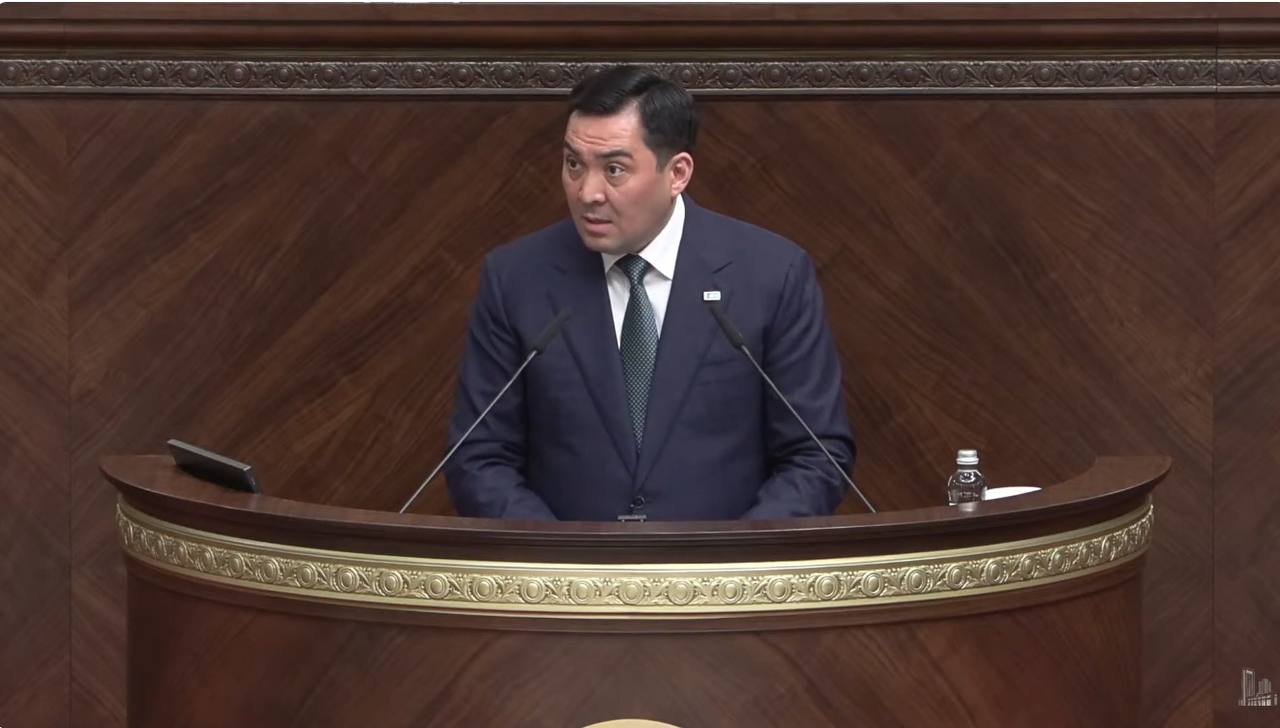
The bill was presented by Minister of Energy Yerlan Akkenzhenov and was drafted in line with President Kassym Jomart Tokayev's Nation Address on October 28 on strengthening the stability of the energy system.
The proposed amendments introduce new mechanisms for developing the energy sector, aimed at improving power system reliability, attracting investment and expanding the use of alternative energy sources.
One of the key provisions is the introduction of competitive auctions to select electricity storage system projects. To make these projects more attractive to investors, the bill proposes long-term payments for maintaining available capacity for up to 15 years.
"Currently, the power system's need for flexible capacity is estimated at approximately 3 GW: around 2 GW is planned to be provided through renewable energy projects, while additional mechanisms are being developed to attract investment for the remaining 1 GW. To this end, competitive auctions for selecting energy storage system projects are proposed," Akkenzhenov said.
The bill also proposes improving the mechanism for selling electricity under bilateral contracts. Power facilities that have supplied electricity under such contracts for at least 36 months will be eligible to switch to selling electricity to the Single Purchaser. This measure is expected to reduce the risk of losing sales outlets and improve the sustainability of investment projects.
Another section of the amendments focuses on more efficient use of energy resources in heating and industry. In particular, the proposals envisage wider use of secondary energy resources, low-grade and waste heat, heat pumps, biomass, biogas and hydrogen.
The bill also establishes a legal framework for developing hydrogen technologies, using energy generated by industrial processes and recovering energy through waste utilization.
Overall, the proposed amendments are expected to introduce competitive mechanisms for developing energy storage systems, improve the investment appeal of projects, reduce electricity sales risks under bilateral contracts, and promote the wider use of modern energy technologies.


