


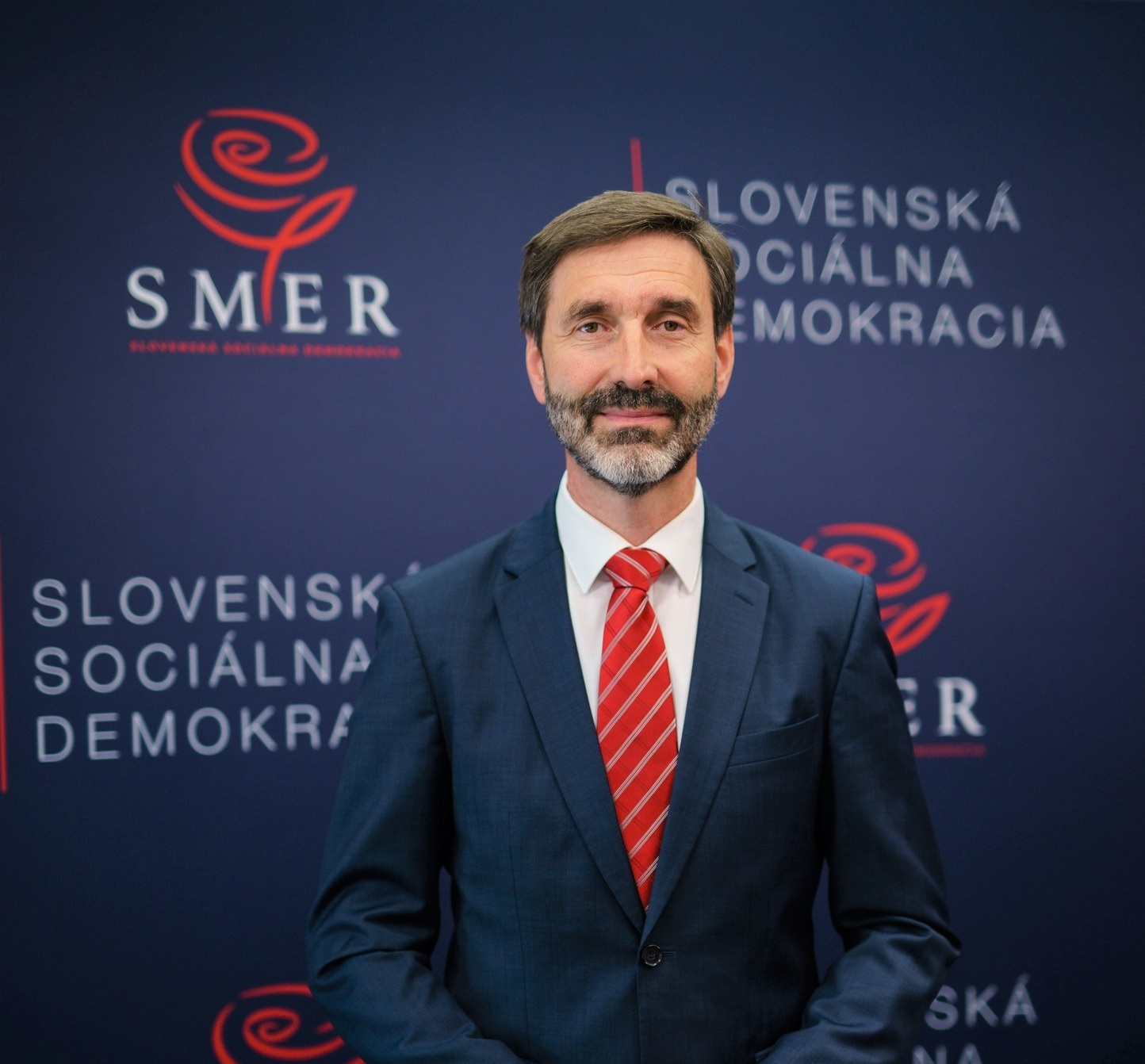

DUBLIN, Ireland, November 12. Azerbaijan’s hosting of the European Political Community Summit in 2028 provides a crucial opportunity to elevate EU engagement with the South Caucasus as a whole, Minister of Foreign and European Affairs of the Slovak Republic, Juraj Blanár said in an exclusive interview with Trend ahead of the European Political Community Summit in Dublin.
He believes that first and foremost, the summit to be held in Azerbaijan should reaffirm the European Political Community as a platform for open dialogue and practical cooperation among wider group of European countries, helping to bridge differences, build trust, and strengthen Europe’s collective ability to develop common responses to shared geopolitical, security, and economic challenges.
“From a strategic perspective, Azerbaijan’s hosting of the summit provides a crucial opportunity to elevate our engagement with the South Caucasus as a whole, and it sends a powerful signal of progress towards lasting peace and post-conflict normalization in the region. Moreover, Azerbaijan is a key partner in advancing cooperation in transport, energy, and digital connectivity. In addition, the Southern Caucasus region, serving also as a bridge between Europe and Central Asia, is becoming increasingly important for Europe’s energy security in the context of fossil fuels supply diversification,” Blanár added.
Talking about the ongoing EPC summit in Dublin, the minister said that Slovakia welcomes the EPC as a forum, where the countries of the broader European region can conduct diplomacy in an atmosphere of mutual trust.
“In line with our Government Programme and the strategic priorities of Slovakia’s foreign policy, we remain committed to foster dialogue on international fora and to protect the institutions, which are the foundations of the international rules-based order. Our main message will be a call to intensifydiplomatic efforts towards achieving a just and lasting peace based on international law and respect for the territorial integrity, inviolability of internationally recognized borders, and the sovereignty of all states. At the same time, we want to strengthen economic cooperation among the members of the EPC, particularly in the energy sector. In the context of energy supply diversification, we believe the members of the EPC should cooperate in the development of clean homegrown energy, notably from nuclear and renewable sources, as well as in enhancing interconnections and developing infrastructure for other energy sources required in the transitional phase, including fossil fuels,” the minister added.
Strengthening European collective security
Blanár believes that strengthening European collective security and crisis-response capabilities in today’s complex geopolitical environment requires a pragmatic, proactive, and well-balanced approach.
”The best way to enhance Europe´s security readiness is to expand operational capabilities, increase targeted defence investments, and support a competitive industrial base, while fully respecting the specific security policies, constitutional frameworks, and national mandates of individual Member States. For Slovakia, a resilient European security architecture relies on strong complementarity with NATO, effective protective measures for critical infrastructure, and sustained channels for diplomatic dialogue. We are convinced that by combining strong operational capabilities with open diplomatic engagement, Europe can safeguard its stability and contribute to a more predictable international order,” the Slovakian minister noted.
Security situation around the Strait of Hormuz
From Slovakian point of view, as the minister said, European countries should address this challenge through a balanced, three-pillar strategy: upholding international law, leading active diplomacy, and strengthening defensive maritime coordination.
”Firstly, Europe firmly supports initiatives like the "No Tolls, No Fees" - currently subscribed to by over 60 countries. Safeguarding freedom of navigation under the United Nations Convention on the Law of the Sea (UNCLOS) without unlawful controls, transit fees, discriminatory restrictions, or attempts to use strategic waterways as political leverage is critical. Secondly, in general, diplomatic efforts should focus on de-escalation and be conducted in cooperation with regional and international partners. Thirdly, we believe that European defensive maritime initiatives should play a vital role in reassuring the commercial shipping sector and securing vital energy flows without fuelling further regional escalation and operating strictly in the framework of international law,” he explained.
Blanár pointed out that while proactive diplomacy and peaceful conflict resolution should remain core pillars of European security, Europeans must be prepared to assume greater responsibility for their defence – both against conventional and hybrid threats, including cyberattacks and attacks on critical infrastructure.
“The latest European Council Conclusions highlight the importance of strengthening Europe’s industrial defence capabilities through a comprehensive 360-degree approach, while thoughtfully ensuring that all security initiatives respect the specific security and defence policies of individual Member States,” he concluded.



