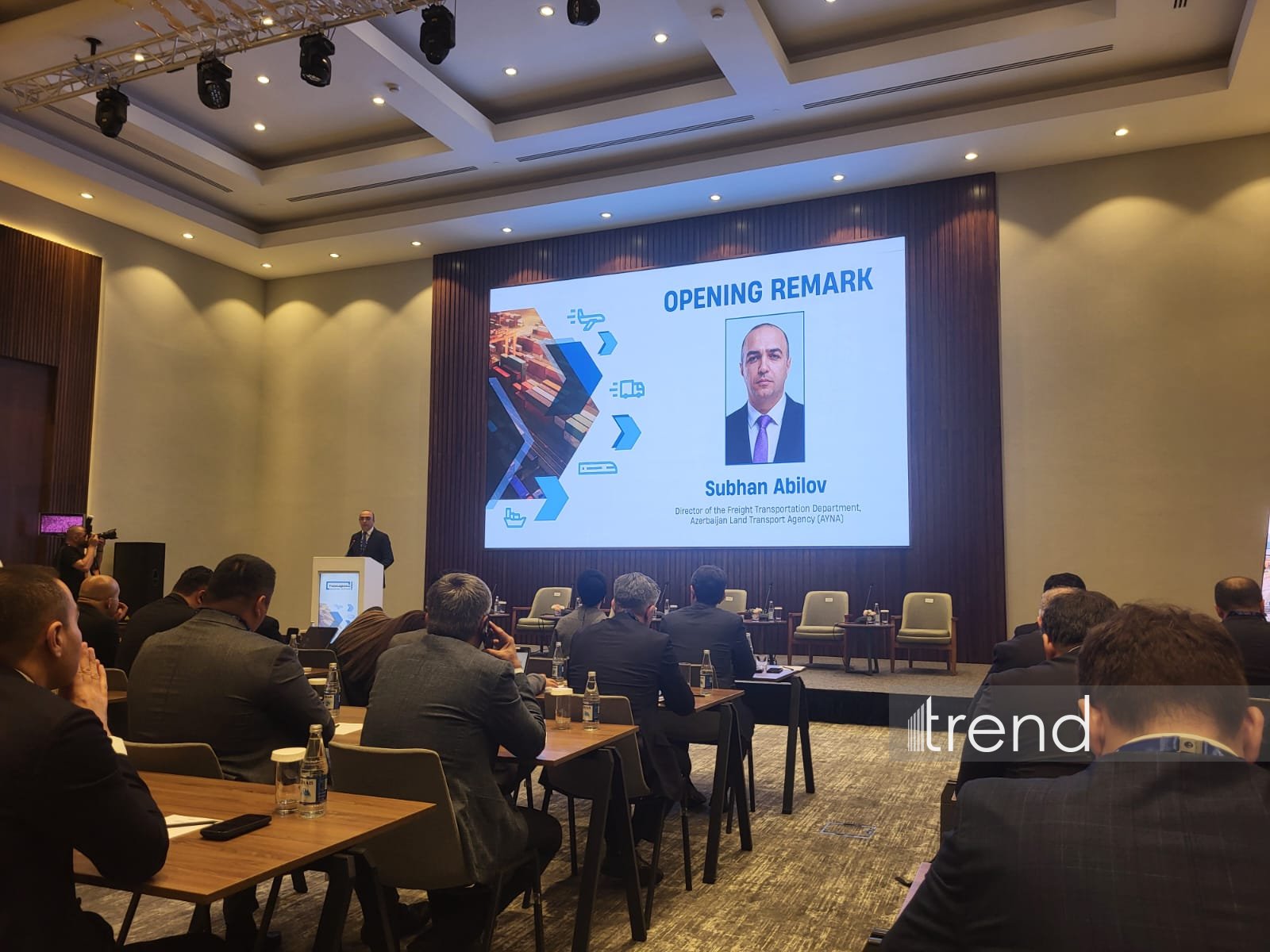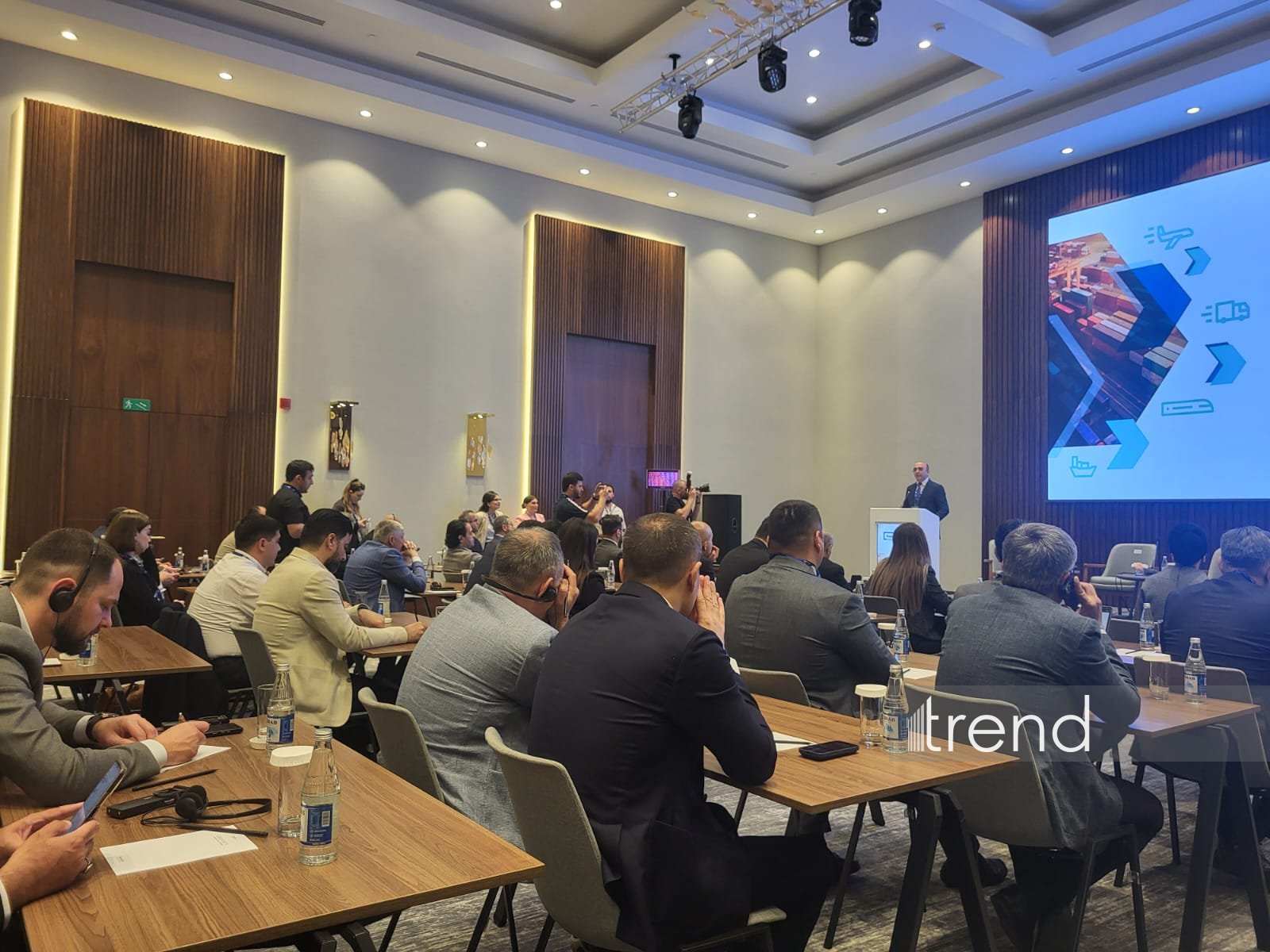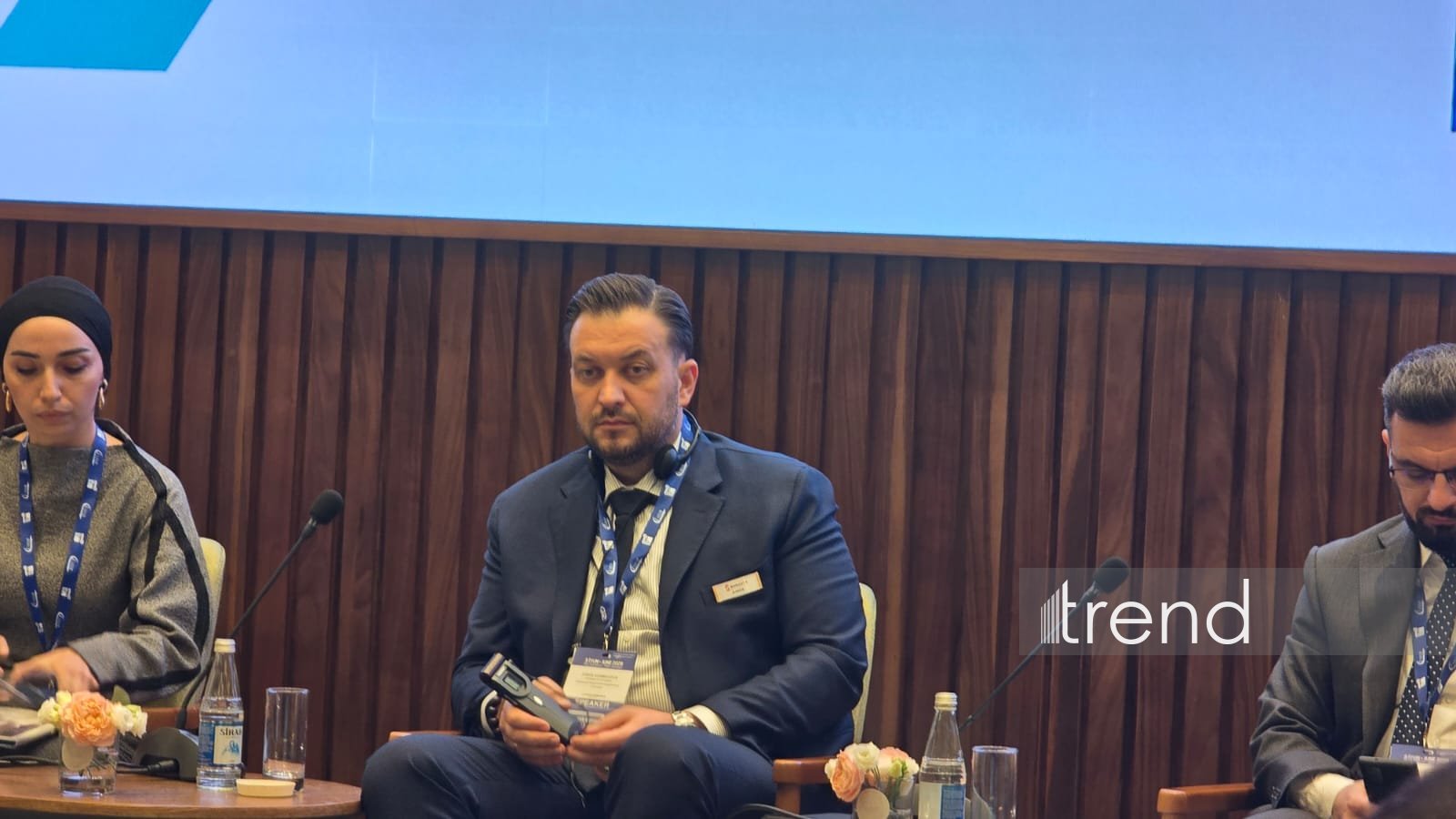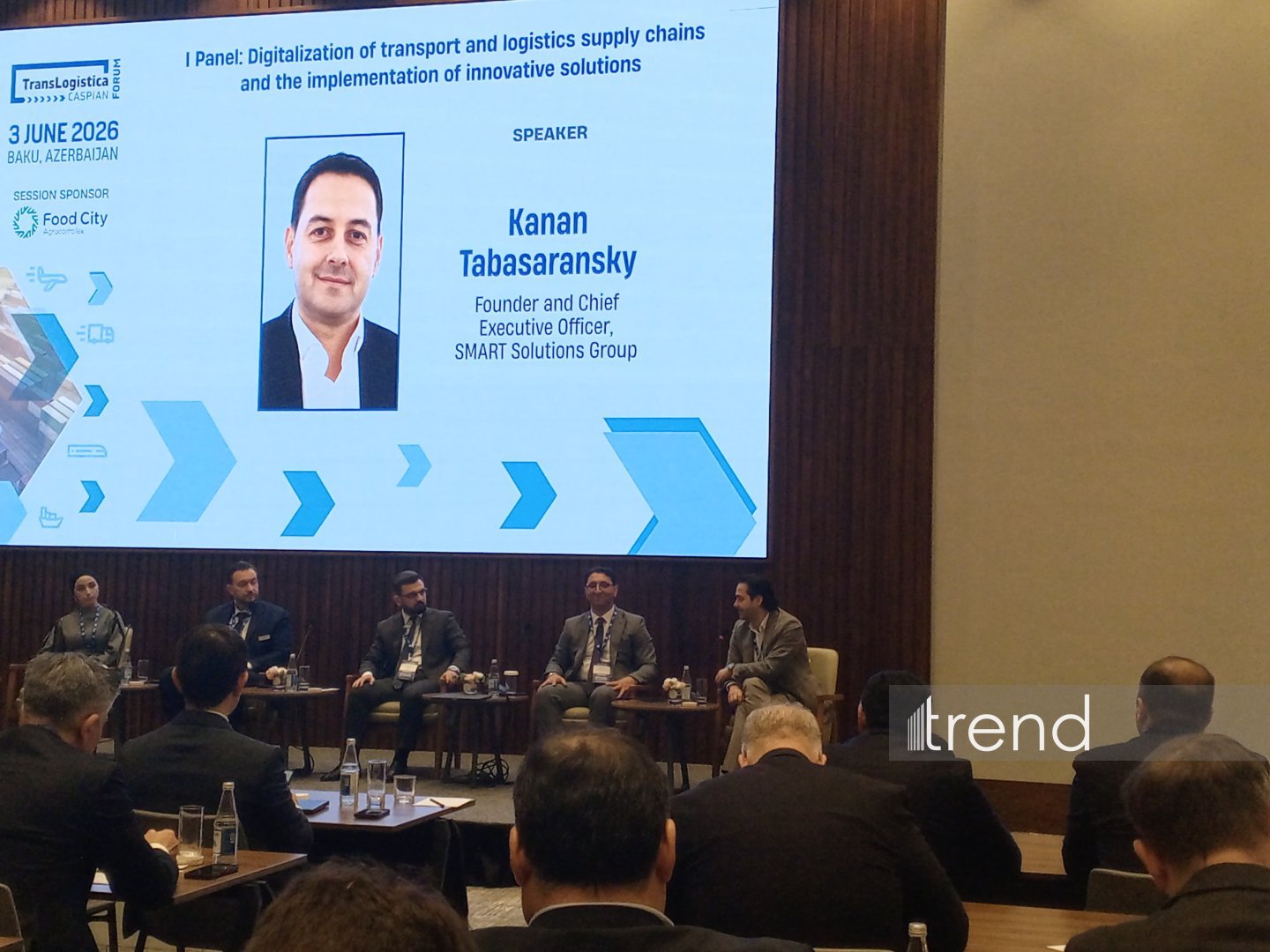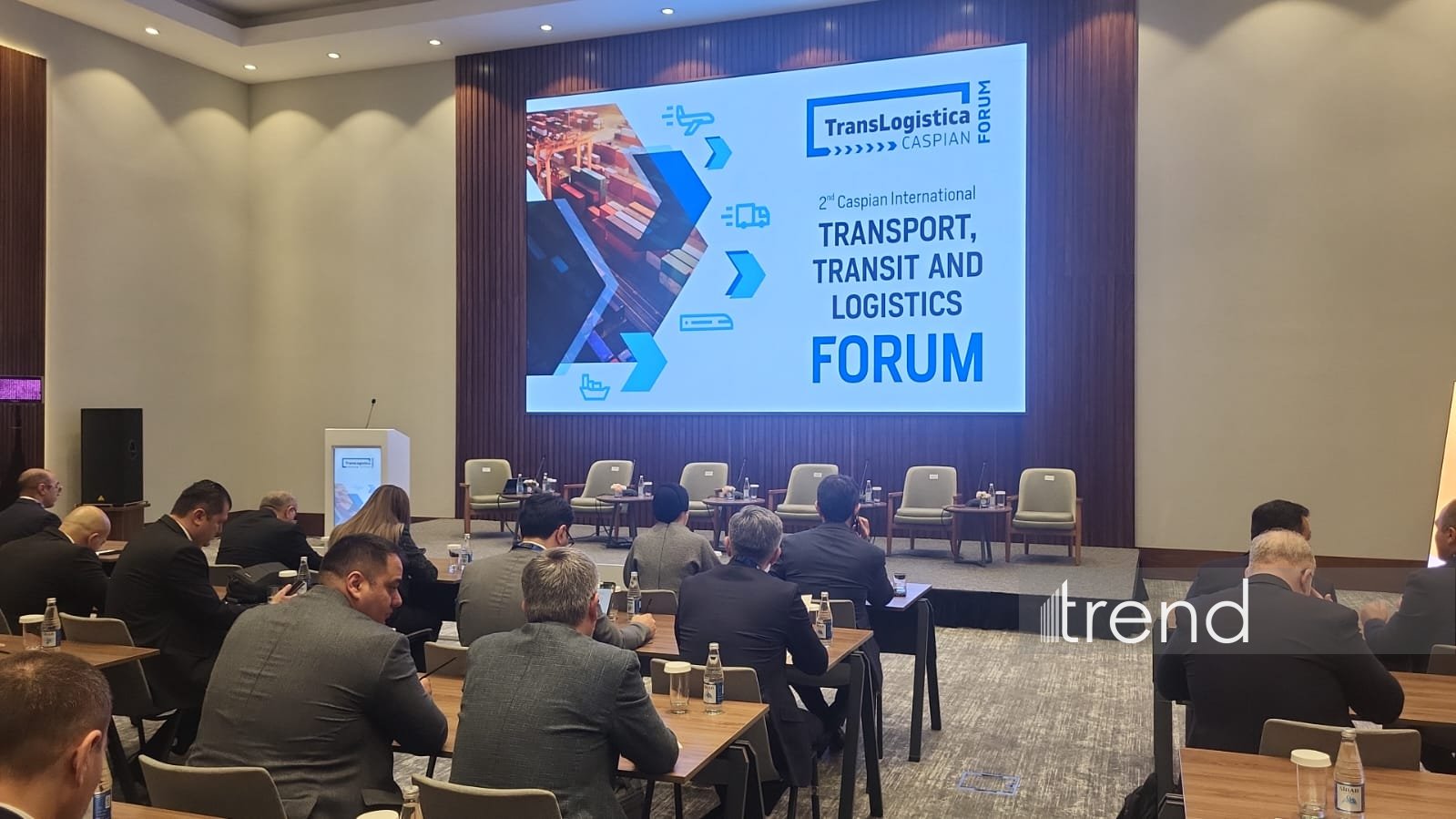

BAKU, Azerbaijan, June 3. The 2nd Caspian International Forum on "Transport, transit, and logistics" has been held in Baku as part of the TransLogistica Caspian exhibition, Trend reports.
During the forum, participants discussed the digitalization of transport and logistics chains, the implementation of innovative solutions, the development of international transport corridors, and strengthening the region's transit potential.
The event examined the development prospects of the Middle Corridor and the Trans-Caspian International Transport Route, the use of digital platforms in logistics, the improvement of customs and transport processes, and the efficiency of international freight transportation.
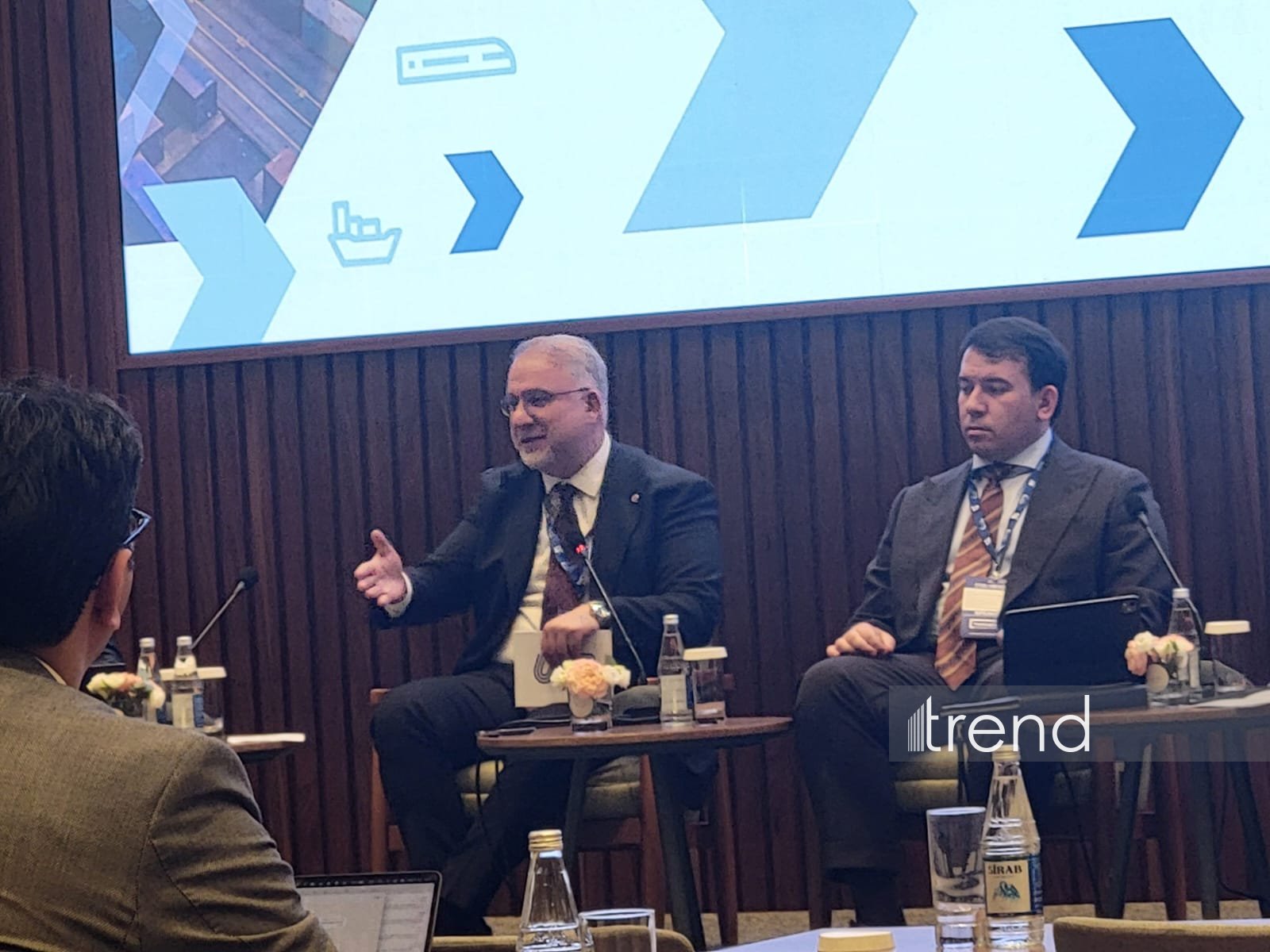
Representatives of government agencies, international transport organizations, logistics companies, and industry associations delivered speeches at the forum, including leaders and experts from the transport and logistics sectors of Azerbaijan, Türkiye, and other countries.
Speaking at the event Director of the Cargo Transportation Department of the Azerbaijan Land Transport Agency, Subhan Abilov said the transport system in Azerbaijan continues to undergo active digitalization, and almost all freight transportation services have already been converted to electronic format.
He explained that digital solutions have become a key focus of reforms in the country's transport sector. The conversion of permits to electronic format is particularly important.
According to him, this has significantly simplified the international transportation process, as foreign carriers can submit applications, make payments, and obtain permits remotely, without entering the country.
Abilov added that Azerbaijan has already implemented a digital permit exchange system with several countries and is negotiating its expansion.
According to him, digitalization is creating a new model for international transportation based on transparency and simplification of procedures.
Advisor to the Chairman of Azerbaijan Railways, Emil Mammadov outlined that the capacity of the Baku–Tbilisi–Kars (BTK) railway line has increased from 1 million to 5 million tons per year following the completion of modernization work, significantly strengthening the Middle Corridor's role in international freight transportation.
According to him, an official event dedicated to the full commissioning of the modernized BTK railway line was held the previous day.
Mammadov noted that Azerbaijan's geographical location and the development of international transport corridors passing through the country are currently the focus of attention at both the regional and global levels.
He emphasized that the development of the Middle Corridor and the implementation of the Zangezur Corridor project, which will increase the capacity of Azerbaijan's transport system several times and create additional opportunities for growth in freight traffic, play a key role in further expanding the country's transit potential.
According to the Azerbaijan Railways representative, the forum's discussions are aimed at identifying the most effective ways to utilize existing infrastructure and adapt the transport and logistics industry to rapidly changing international market conditions.
Mammadov pointed out that the exchange of experience among forum participants and the discussion of promising projects will contribute to the development of new solutions for developing transport connectivity and increasing the efficiency of international transportation.
The Chief Executive Officer of the International Transporters Association (UND), Alper Özel emphasized that the strategic location of Azerbaijan and Türkiye in the region creates significant opportunities for the development of the Middle Corridor and other international logistics routes.
According to him, in 2025, approximately 2.2 million export shipments were made from Türkiye to various countries, including Europe (Mongolia), Portugal (Oman), and Afghanistan.
Furthermore, Alper Özel noted that Türkiye’s total exports last year amounted to approximately $260 billion, of which roughly $110 billion was transported by road. In his words, this means that road transport accounts for 41–42% of total exports.
He added that the share of other modes of transport is approximately 45–46% for maritime transport, 8–10% for air transport, and 1% for rail transport.
The official stated that the railway infrastructure is not yet fully integrated, but the government is taking steps in that direction. He also emphasized that the Middle Corridor primarily relies on road transport, which is driven by speed and market demands.
İn addition, Özel noted that Türkiye is currently working on new routes to expand regional transport networks, with Iraq, Syria, the Gulf countries, and European destinations playing a key role among these routes.
He added that Turkish ports and logistics hubs, such as Mersin, Istanbul, and Samsun, have expanded their transit capabilities toward Europe, the Black Sea, and the Mediterranean.