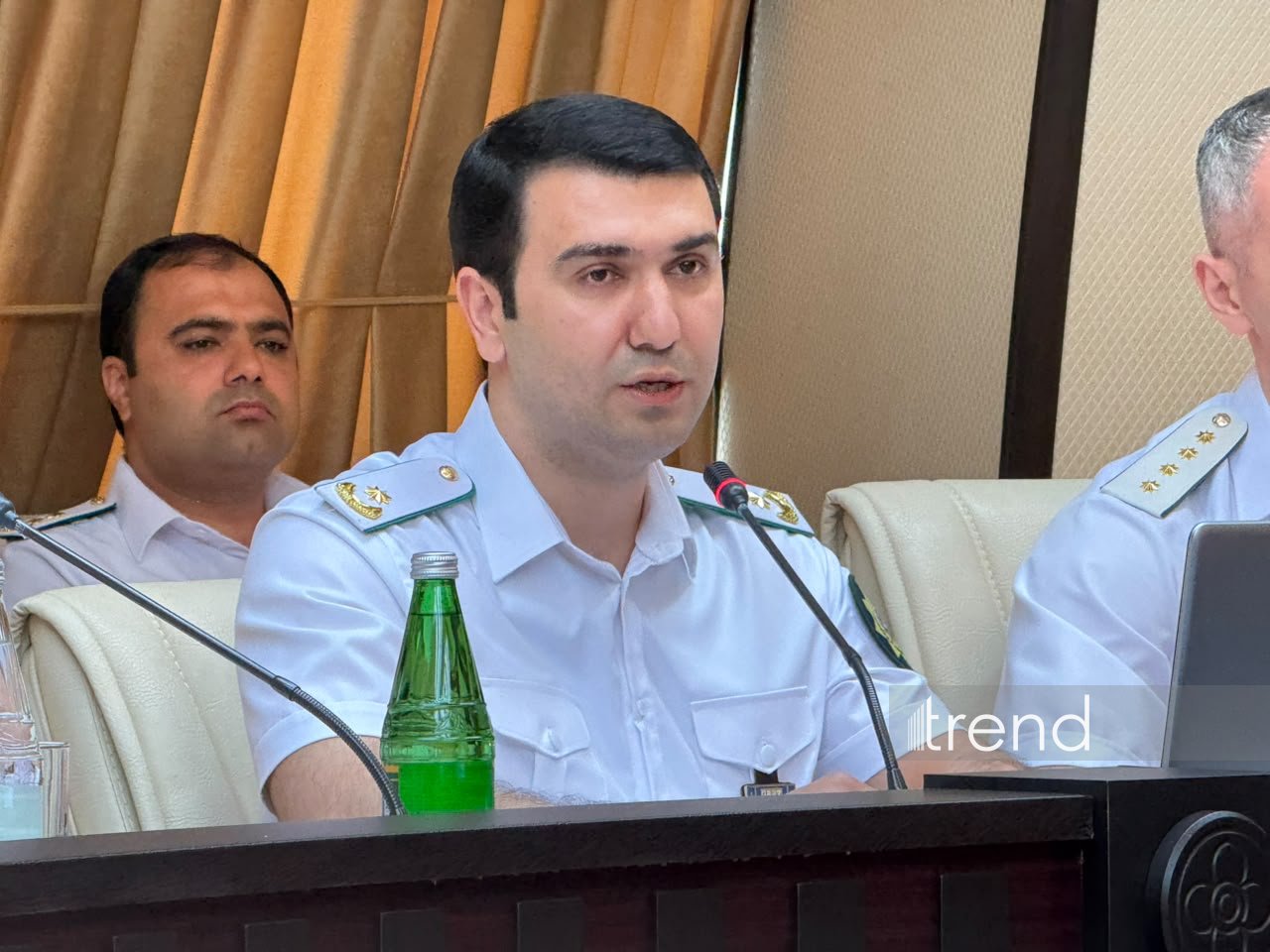

BAKU, Azerbaijan, June 19. The State Customs Committee of Azerbaijan organized a media tour for media representatives to the General Customs Department for Excise Goods today, Trend's correspondent reports from the event.
The event was held to inform media representatives about the reforms implemented in the customs system, the innovations and improvements applied, as well as the organization of customs work at the General Customs Department.
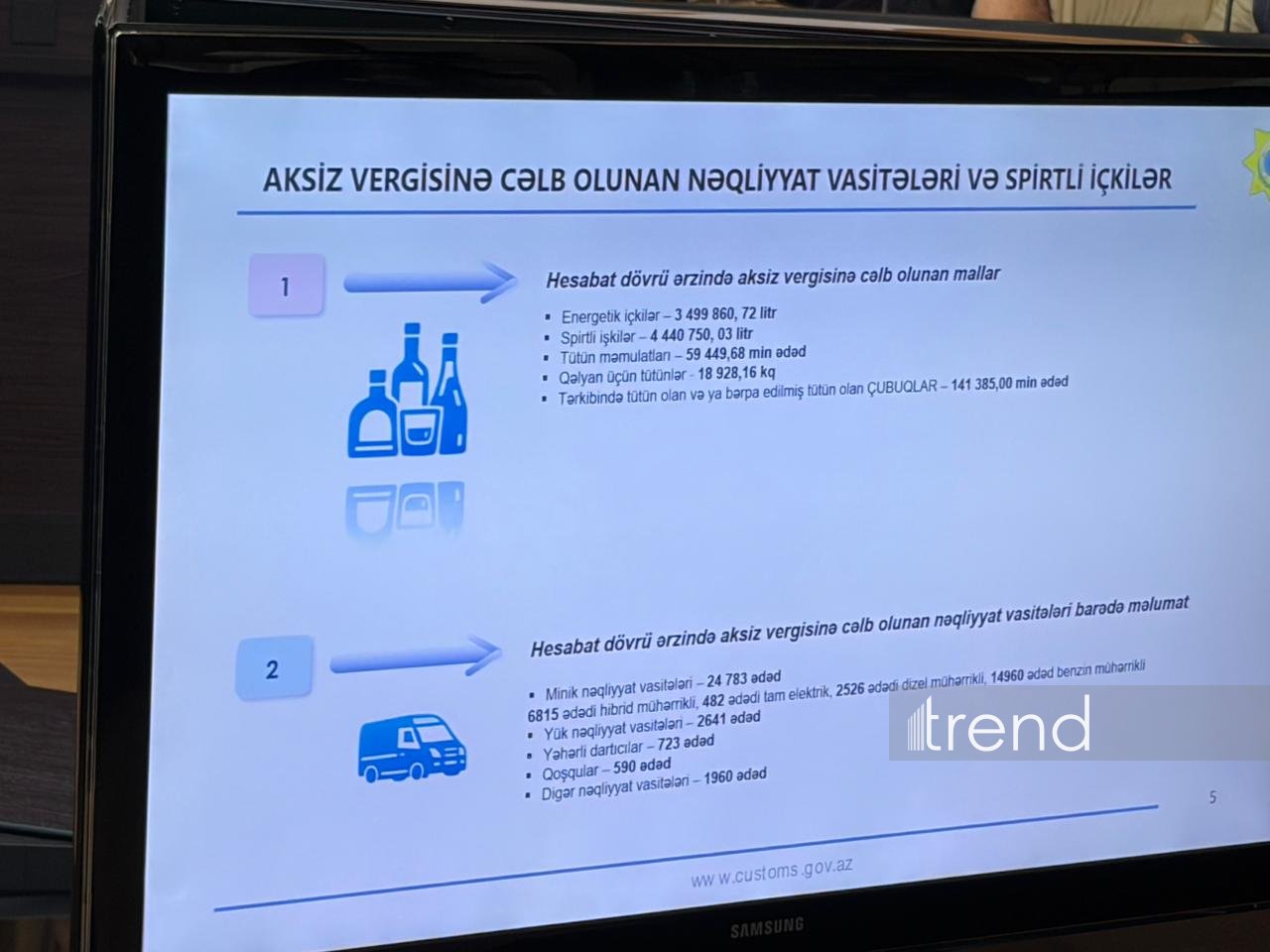
The briefing held at the department provided detailed information on the import, declaration, customs clearance processes of excisable goods, as well as the activities of the main department.
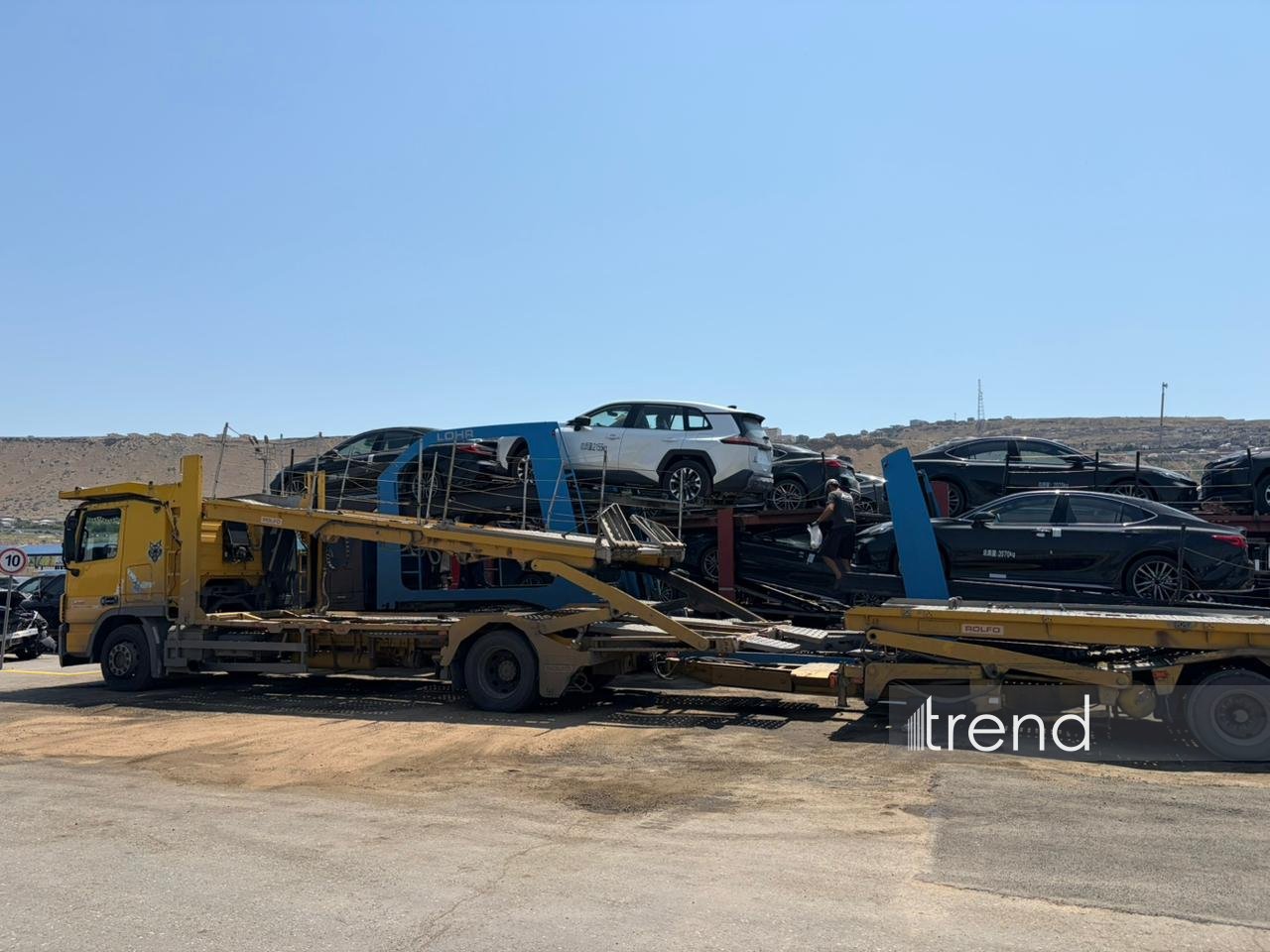
During the event, media representatives were visually demonstrated the activities of the department, various stages of customs control and clearance processes.
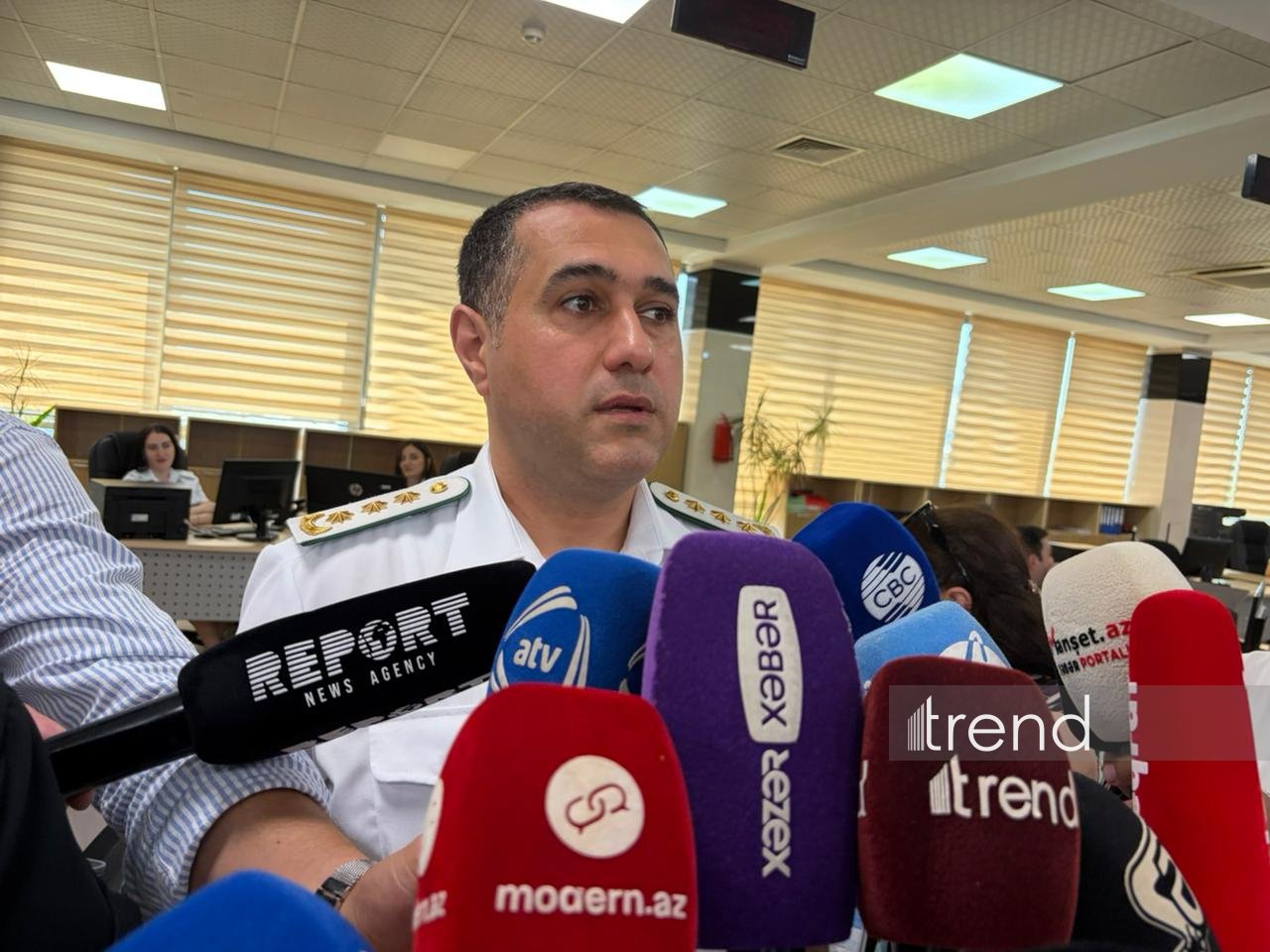
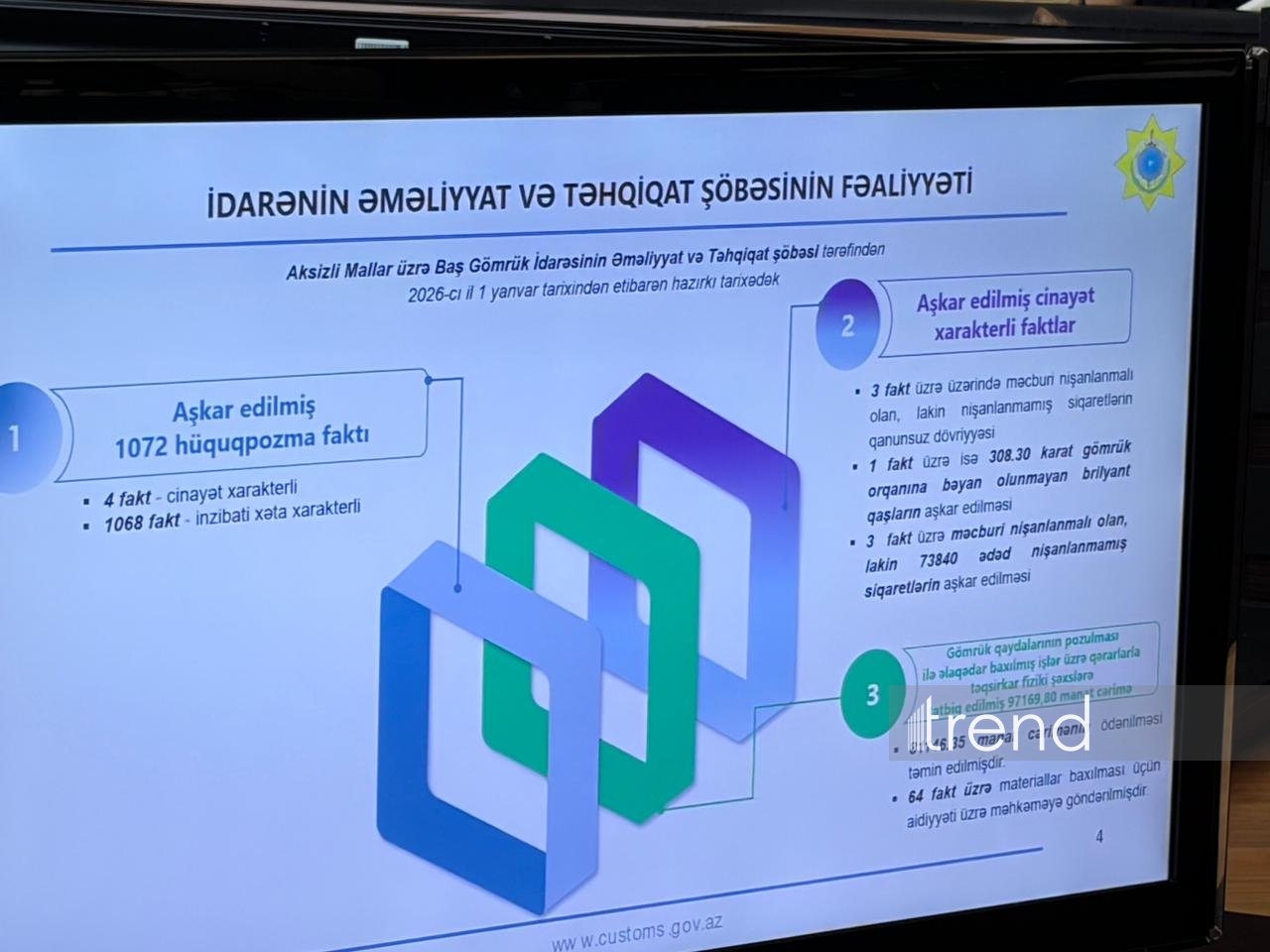
Speaking as part of the media tour, an employee of the General Customs Department, Orkhan Sultanov, said that from January 1, 2026, to date, the department's Operations and Investigation Department has detected 1,072 violations.
According to him, 4 of the detected violations are criminal, and 1068 are administrative offenses.
"From January 1, 2026, to date, among the criminal facts, there are 3 facts related to the illegal circulation of unmarked cigarettes, despite the mandatory marking, as well as 1 fact related to the detection of 308.30 carat diamond rings that were not declared to the customs authority. In addition, facts related to the detection of 73,840 unmarked cigarettes were also recorded.
A total of 97,169 manat ($57,160) of fines were imposed on guilty individuals in cases related to violations of customs regulations. Of this amount, 81,146 manat ($47,730) was paid, and materials on 64 facts were sent to the relevant courts for consideration," Sultanov noted.
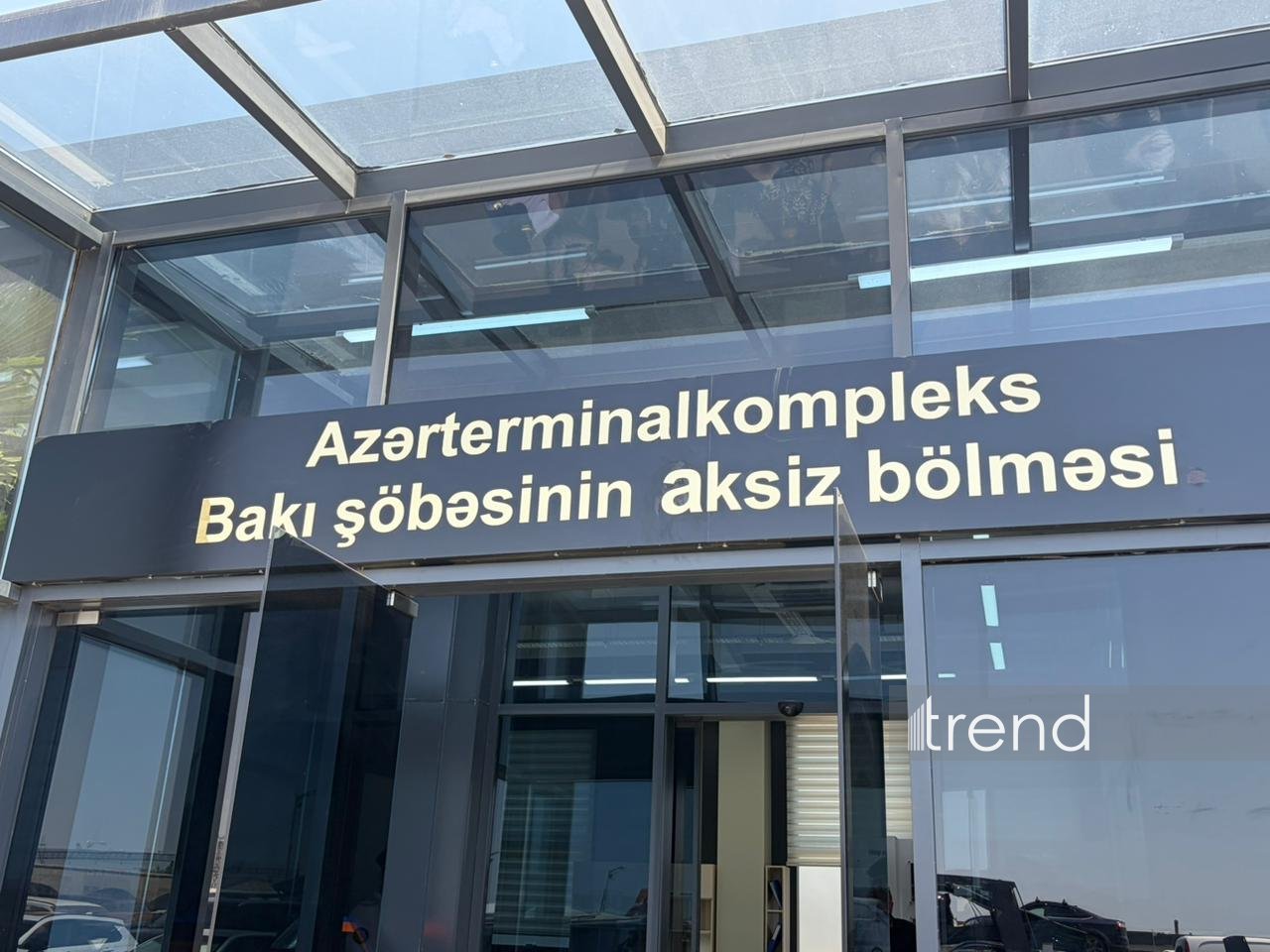
Later, the head of the Baku branch of the Azerterminal Complex Union, customs service lieutenant colonel Ilknur Aliyev, provided information on the process of processing electronic customs declarations.
According to him, after checking the customs declarations and accompanying documents submitted electronically, if no risk is identified, they are forwarded for release in a short time.
"After the release decision is made, the entrepreneur is provided with relevant information via the electronic system. After that, the entrepreneur can complete the customs clearance of the goods and ensure their release into free circulation," Aliyev emphasized.
Providing information on security measures and the process of technical inspection of vehicles, Kamran Mammadov, a representative of the organization providing expertise and inspection services, noted that imported vehicles are checked for compliance with the Euro-4 environmental standard.
According to him, after the presence of ABS braking systems and airbags in cars is confirmed during a physical inspection, the vehicles are issued with a technical identification certificate and are directed to further customs clearance procedures.
The media tour participants then got acquainted with the activities of the Clearance Center of the Main Customs Department for Excise Goods.
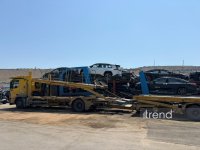
The head of the First Department of the Center, Customs Colonel Javanshir Aslanov, told journalists that the clearance process for freight vehicles begins with their entry into the customs territory.
"If there are no discrepancies in the documents, the cargo is directed to clearance procedures. After the customs declaration is prepared, the documents are checked again. If no deficiencies are detected, the declaration is approved, the documents are archived, and the customs clearance process for the vehicle is finalized," said Aslanov.
During the event, media representatives watched the declaration, issuance of technical identification certificates for vehicles, customs payments, and other operations.
Journalists were informed that services are provided to entrepreneurs and individuals in an operational manner, and customs payments are made in a non-cash form through banks or via the Internet.
During the media tour, a seminar was also held for media representatives on the "Digital Customs Value System" project, which the State Customs Committee has begun to implement.
At the seminar, it was noted that the project allows for the determination of customs value based on digital solutions, more efficient management of income and expenses, unification and digital processing of data, elimination of subjective factors, as well as saving time and money.
In conclusion, discussions were held on the topic, and questions from media representatives were answered.