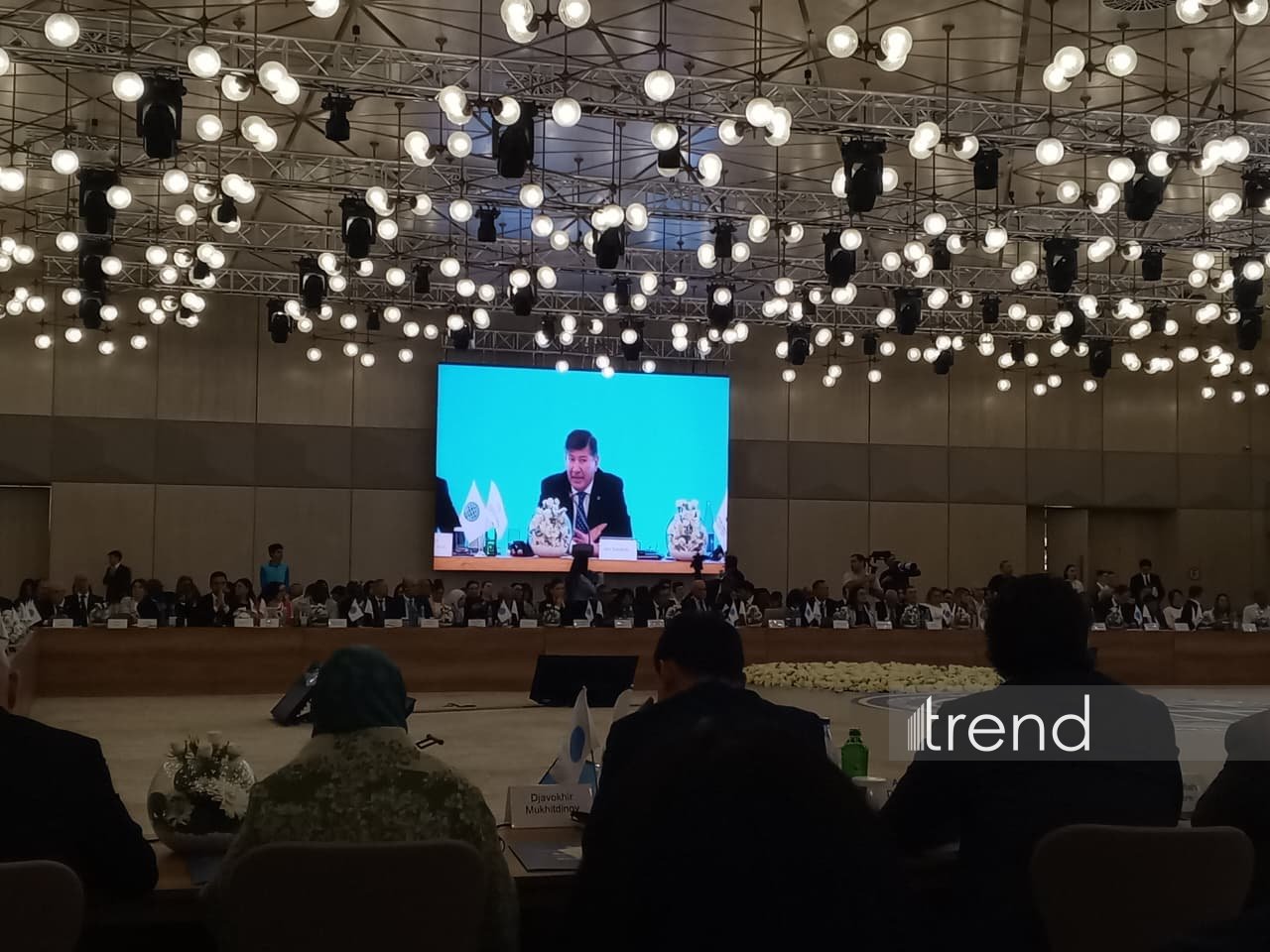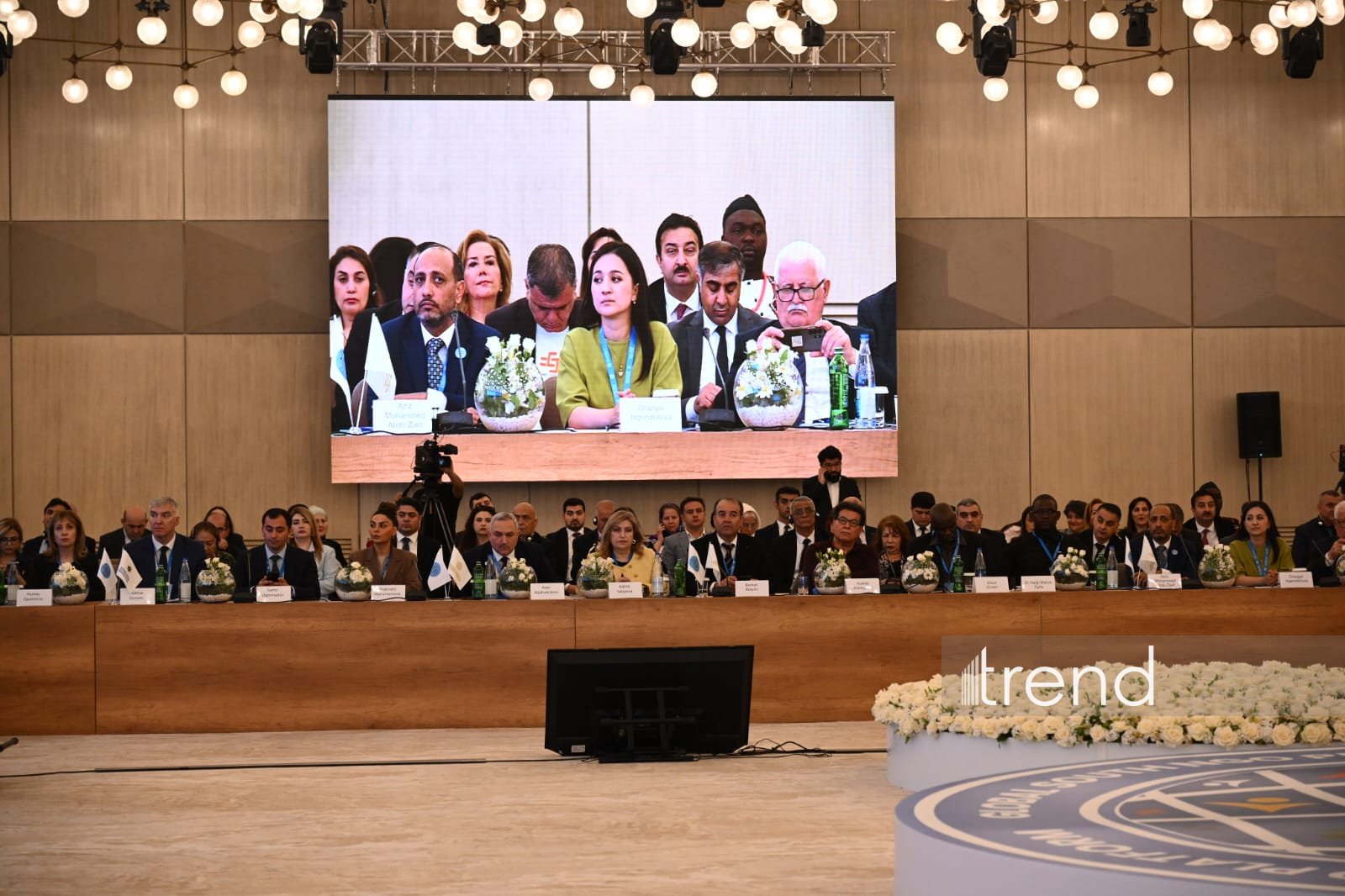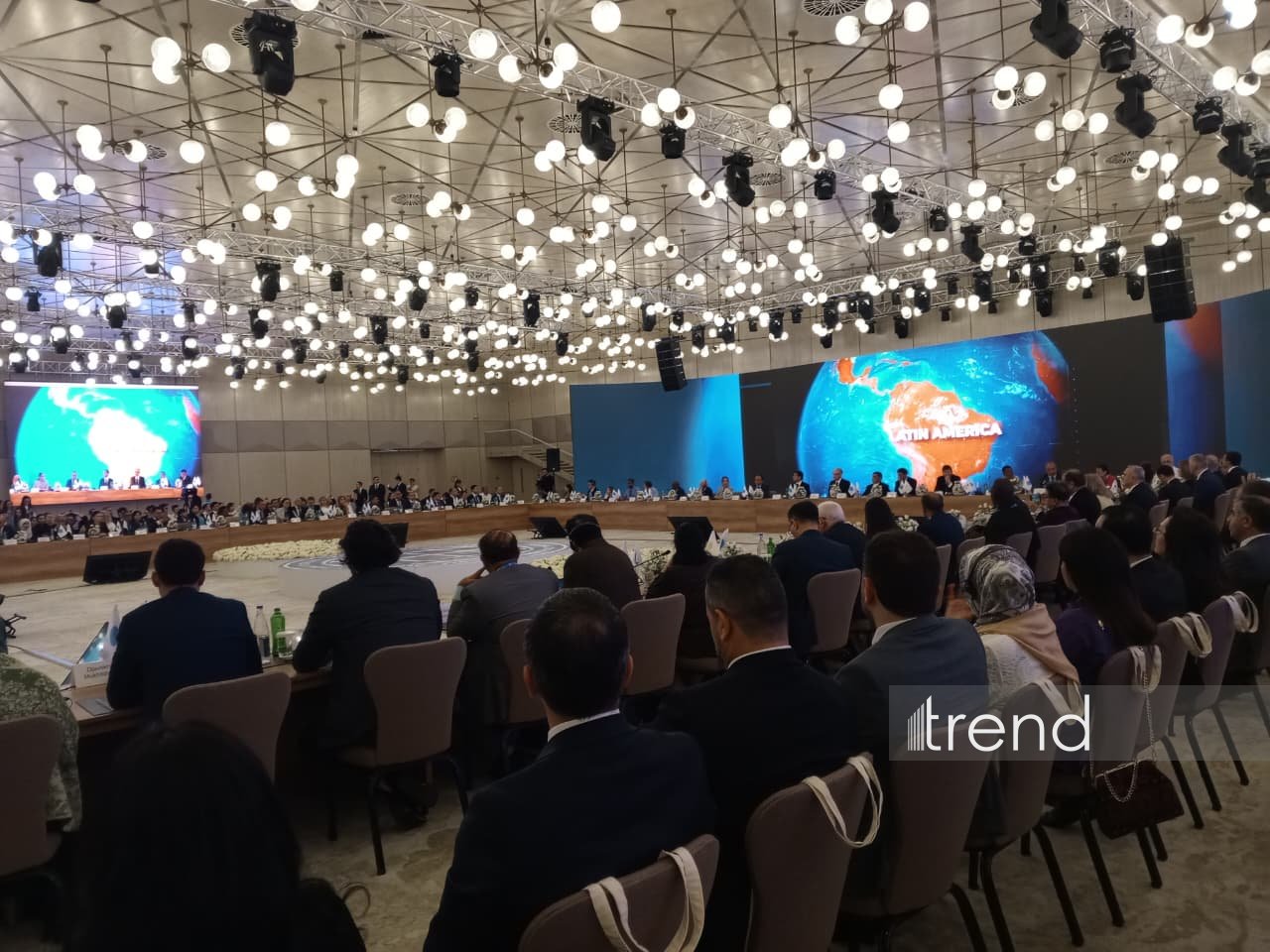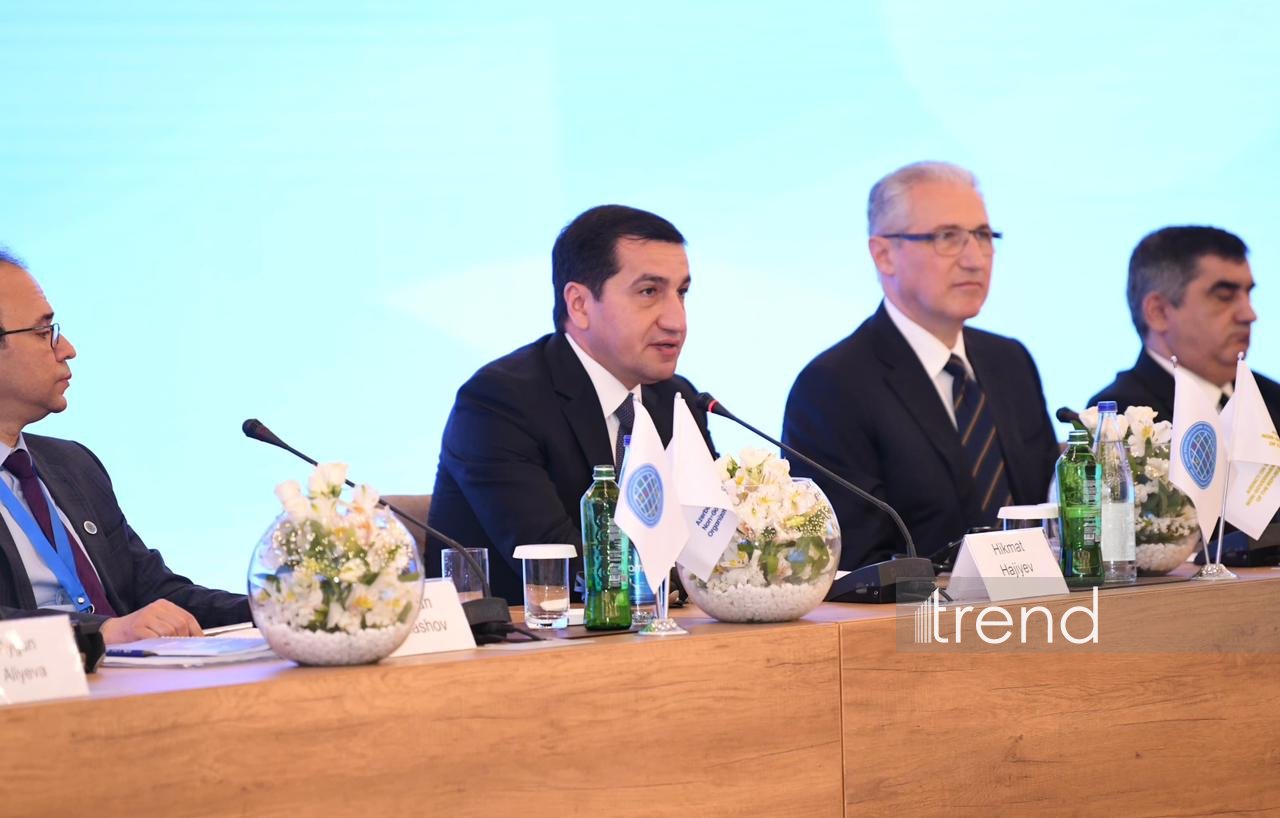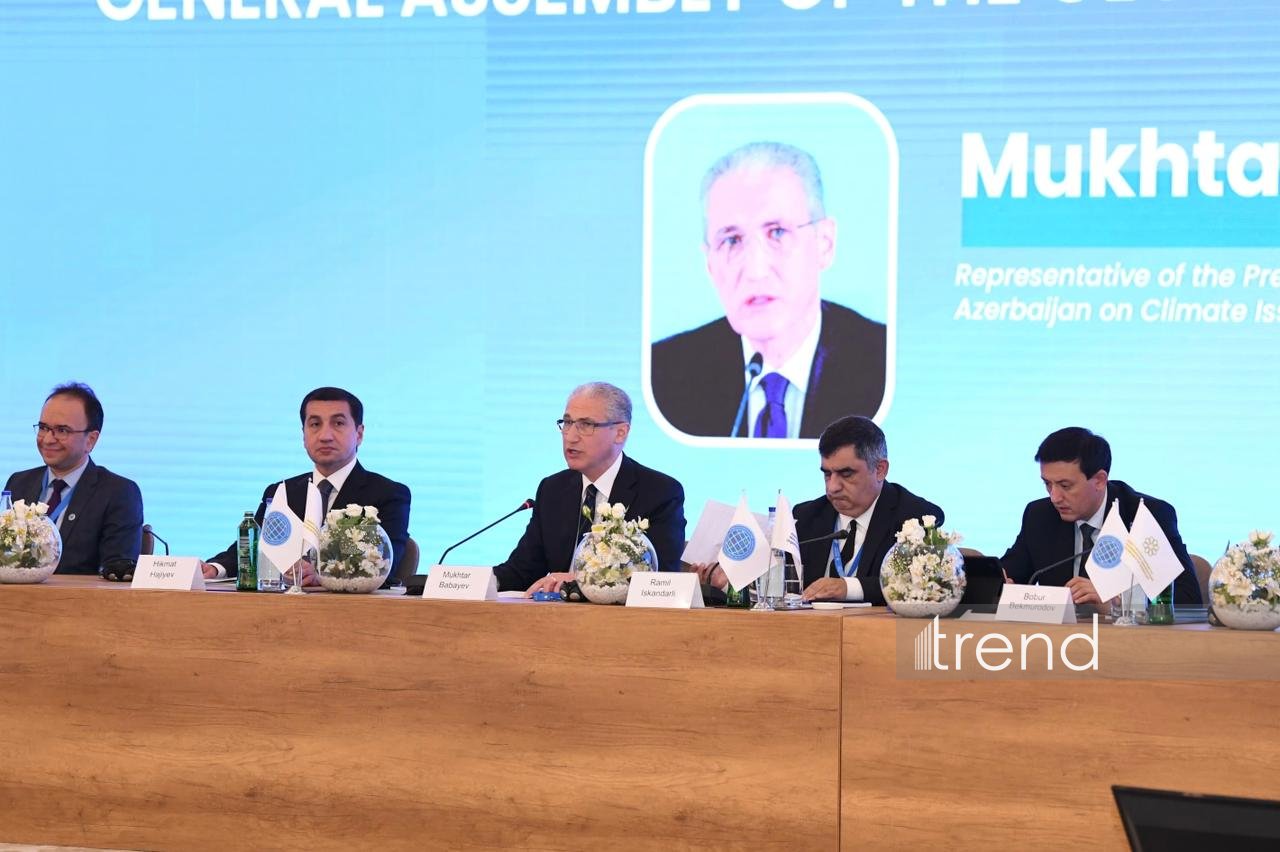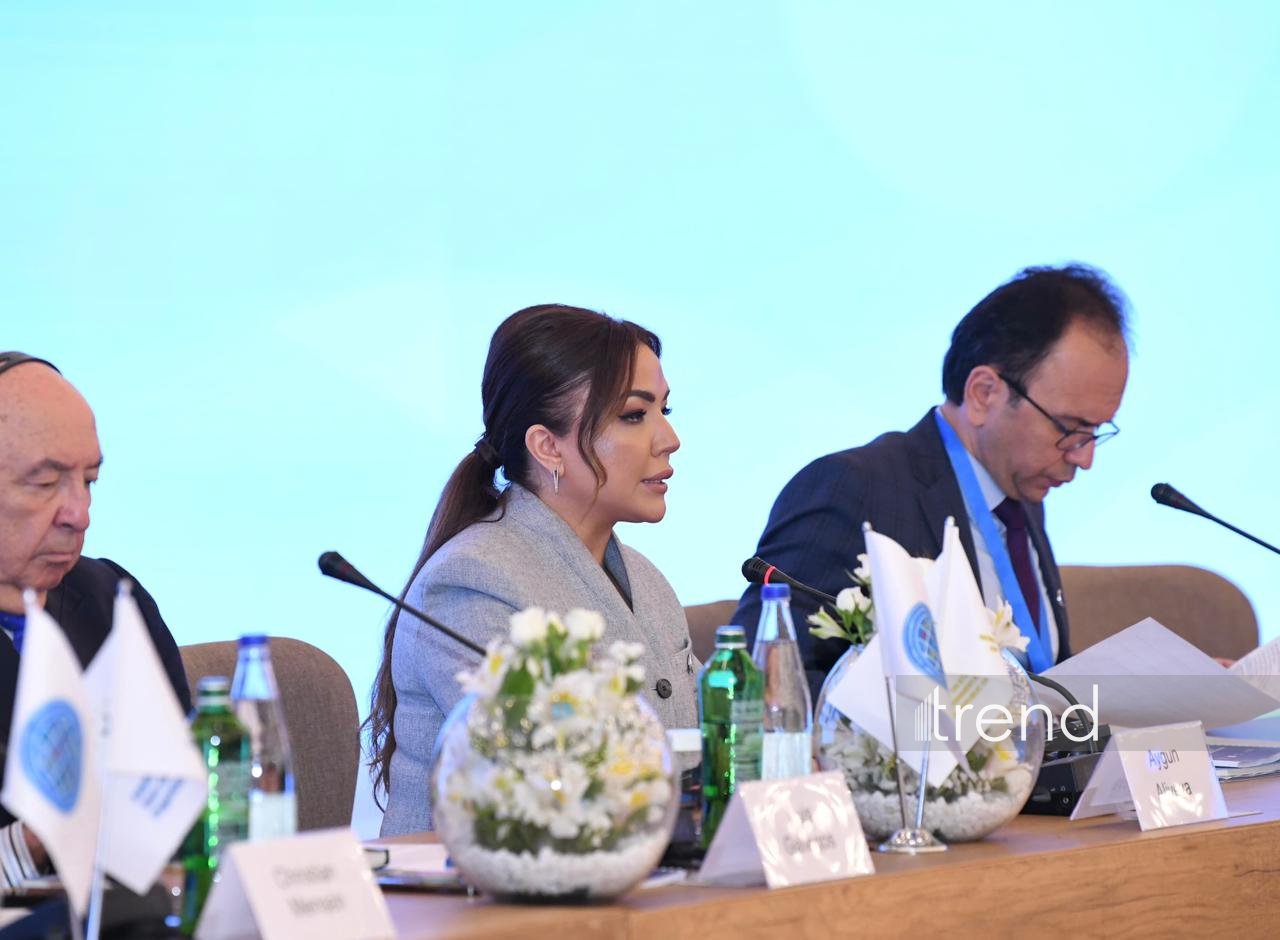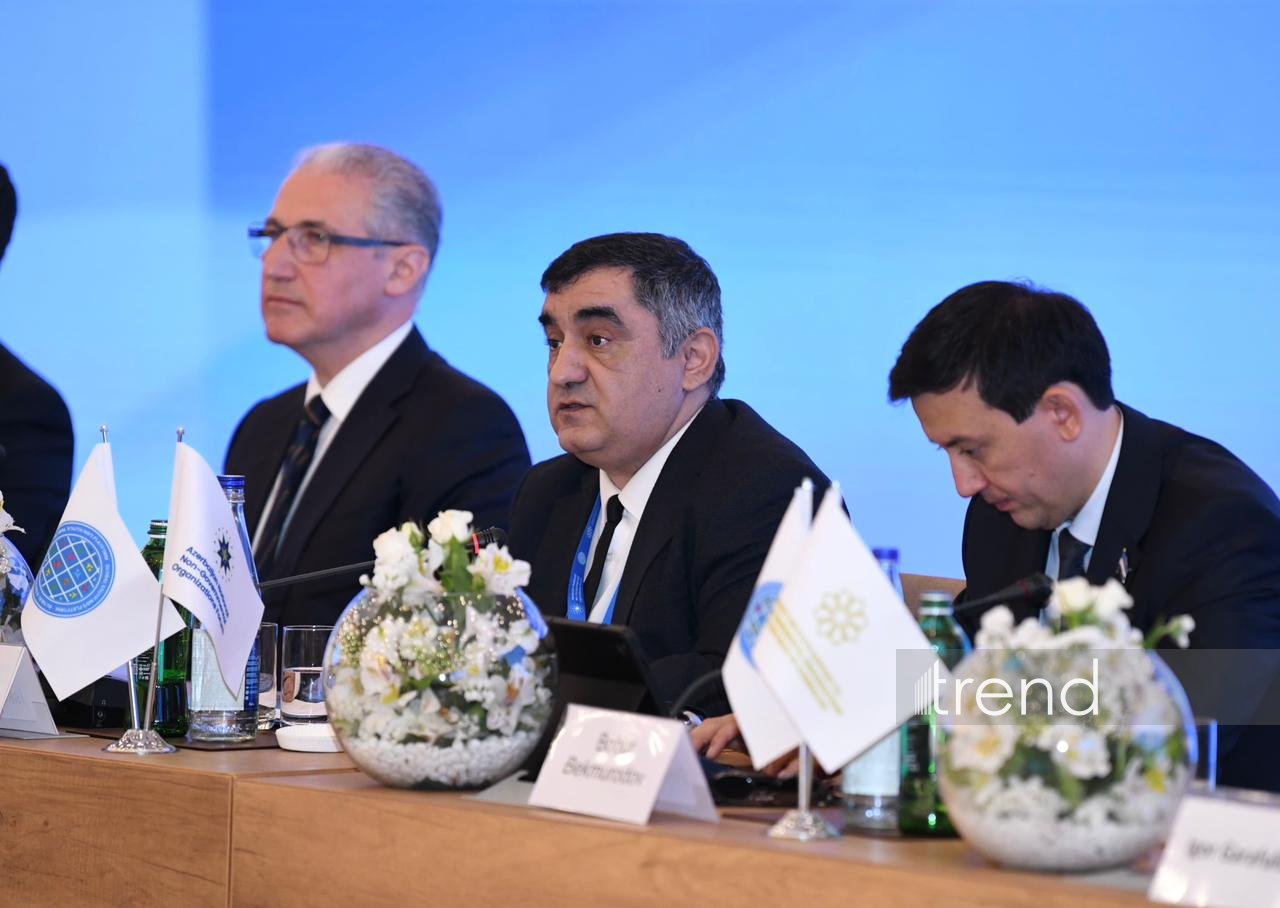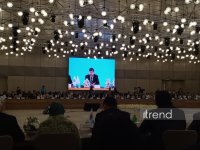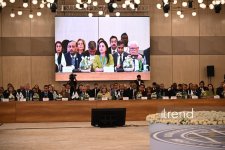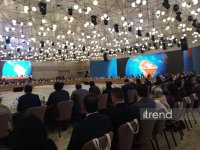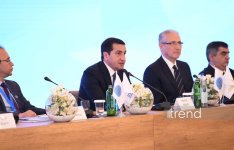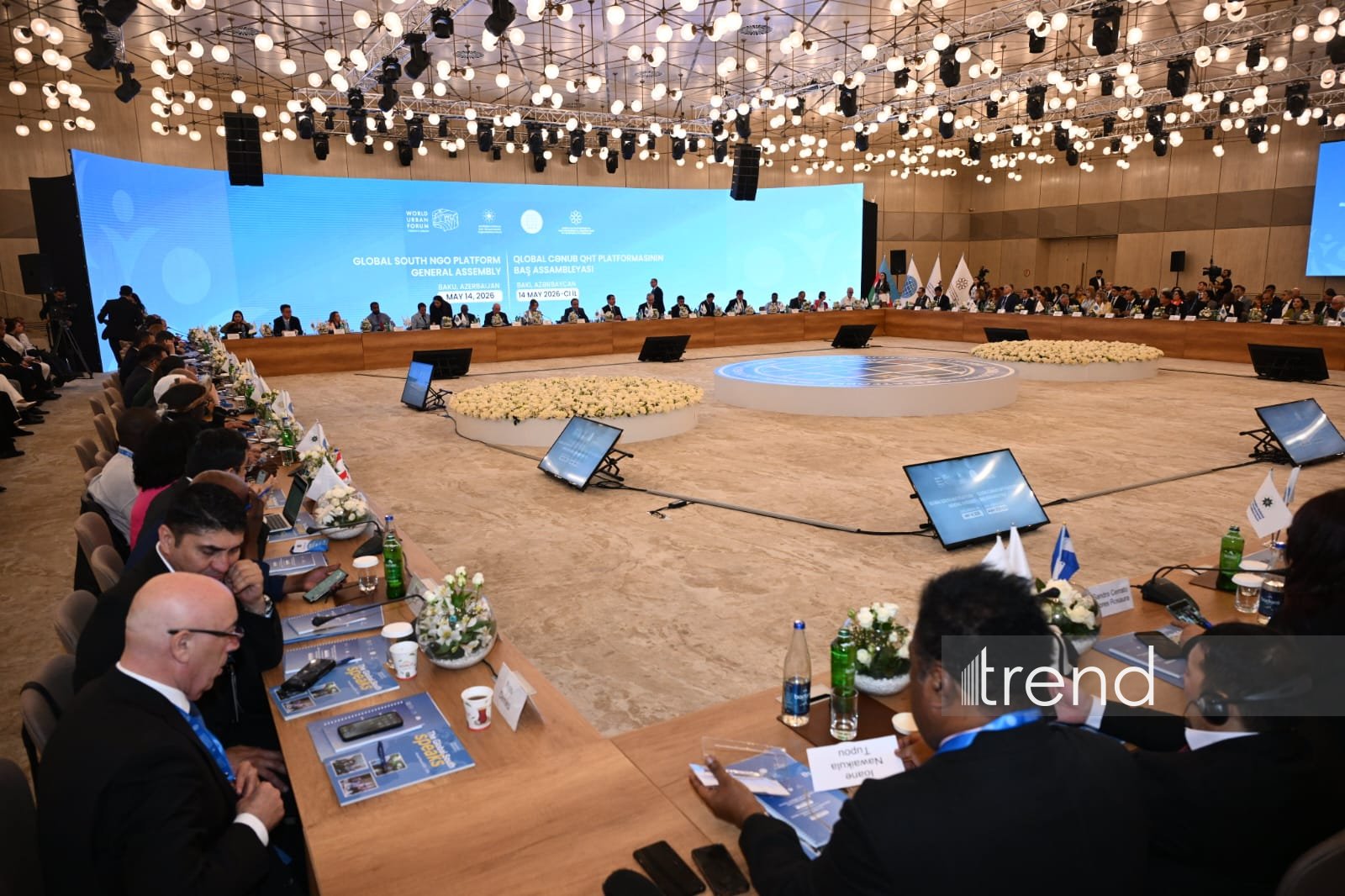
BAKU, Azerbaijan, May 14. On May 14, as part of Baku Urban Week, the 1st General Assembly of the Global South NGO Platform (GSNP) was held at the Gulistan Palace, Trend reports.
The event was attended by representatives of NGOs from 114 countries, representing regions of Latin America, Africa, Asia, and the Pacific.
Speaking at the event, Hikmet Hajiyev, Assistant to the President of Azerbaijan and Head of the Foreign Policy Affairs Department of the Presidential Administration, said that Azerbaijan considers itself part of the Global South.
According to him, geographically, historically, culturally, and by virtue of its destiny, Azerbaijan is part of the Global South.
Hajiyev noted that Baku fully comprehends the challenges and difficulties faced by the countries of the Global South, including their historical legacy, as Azerbaijan has also endured numerous trials and hardships both during the years of independence and throughout its history.
The Representative of the President of Azerbaijan for Climate Issues, Mukhtar Babayev noted that Azerbaijan will continue to promote dialogue and cooperation among developing countries.
“Under the leadership and thanks to President Ilham Aliyev’s vision, Azerbaijan is consistently promoting dialogue, multilateral cooperation, and closer interaction among developing countries, including during our presidency of COP29,” he noted.
According to Babayev, the establishment of the Global South NGO Platform in Baku reflects Azerbaijan’s unwavering commitment to strengthening South-South cooperation and creating inclusive international platforms for dialogue and practical action.
“This platform is much more than just a space for dialogue. It is a force for action,” he emphasized.
Furthermore, Babayev stated that combating climate change is impossible without active public participation, civic engagement, and social cohesion. The holding of the 1st General Assembly of the Global South Non-Governmental Organizations Platform in Baku demonstrates that this vision is becoming a reality.
He also noted that the event continued the spirit of solidarity, dialogue, and cooperation that emerged during COP29 in Azerbaijan.
Chairperson of the Board of Directors of the Agency for Support to Non-Governmental Organizations, member of the WUF13 Organizing Committee, Aygun Aliyeva, said that the Global South NGO Platform, initiated in Baku, has evolved within a year into an international platform for solidarity that transcends geographic and political divides.
According to her, the meeting in Baku reflects a living embodiment of shared will, mutual trust, and the growing voice of the Global South. She emphasized that Azerbaijan has historically served as a bridge between countries of the Global South, and Baku continues this role as a hub for international dialogue and cooperation.
Aliyeva added that within the framework of the upcoming WUF13, for the first time, a single pavilion of NGOs from the Global South was formed and a separate exhibition area was provided with the support of UN-Habitat.
"Another important innovation will be the NGO Forum, which will take place on May 19. This forum, organized for the first time in the history of WUF13, will help strengthen the role of civil society as a global partner in issues of urbanization and sustainable development," she concluded.
Ramil Iskandarli, the Chairman of the Board of the Azerbaijan National NGO Forum, added that the Global South Network has been recognized by the UN Office for South-South Cooperation as a model platform for effective solutions.
“This is clear evidence of growing international attention and trust. At the same time, this success directly reflects Sustainable Development Goal 17—the philosophy of global partnership,” he noted.
Iskandarli stated that the Global South Network is viewed as one of the important and sustainable legacies of civil society. The network has already been recognized by international organizations and authoritative centers: “We have participated in many global and regional events in cities such as London, Bonn, Nairobi, Addis Ababa, and, finally, Baku, where we shared our experience.”
According to Iskandarli, the experience of the Agency for State Support of Non-Governmental Organizations in encouraging local NGOs to engage in international cooperation serves as a solid foundation for future activities. Financial support for Global South cooperation sends an important signal for the future.
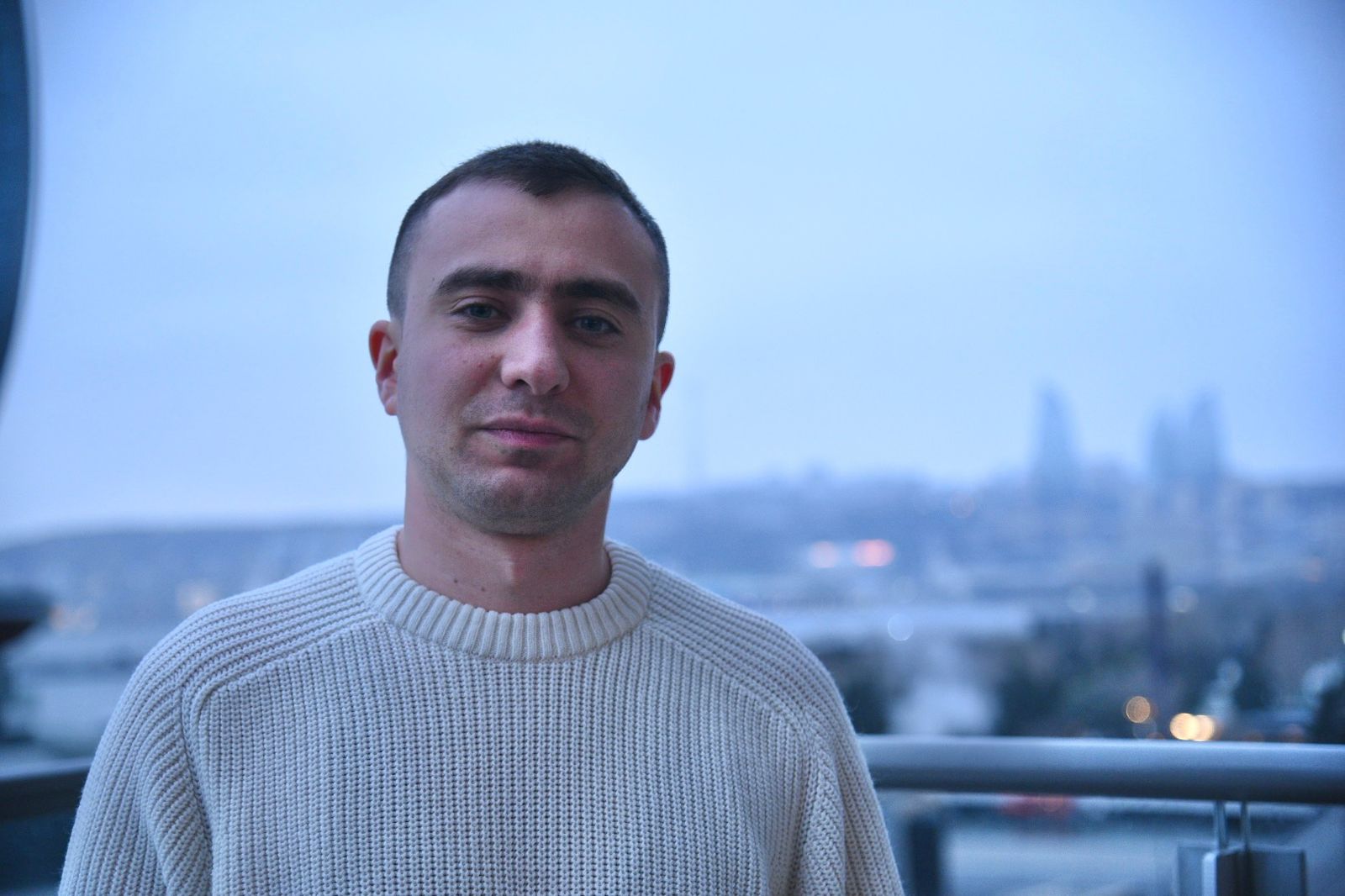
During the event Fuad Karimli was elected Secretary General of the Global South Non-Governmental Organization Platform.
Four deputies for regional areas were also elected.
The Secretary-General will lead the organization for five years, while the deputies will oversee the respective regional divisions.
Meanwhile, NGO representatives from 114 countries, representing Latin America, Africa, Asia, and the Pacific, are participating in the event.
In addition, a framework document was adopted that establishes the organization’s institutional architecture and key operational mechanisms.
The document was agreed upon by the participating organizations following the work carried out and officially approved as the basic regulatory act governing the platform’s management system and operating principles.
As part of the decision, the appointments of the Secretary-General and Deputy Secretaries-General were also confirmed; they will begin performing their duties in accordance with established rules and procedures.
In addition, it was noted that working groups have been tasked with developing and launching the practical operational mechanisms necessary for the full-scale launch of the Platform’s activities in the coming months.