


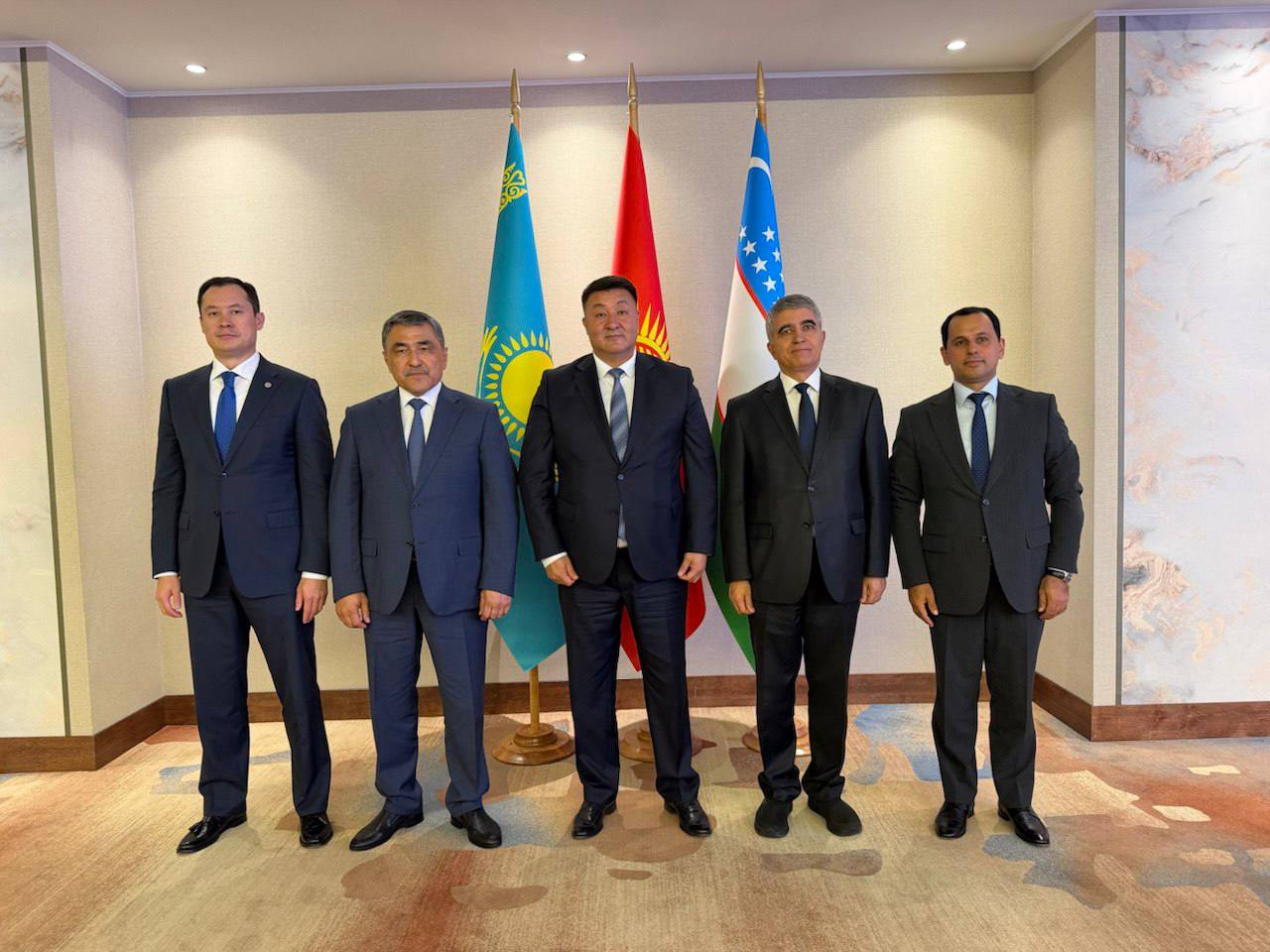

BAKU, Azerbaijan, June 20. Officials from Kyrgyzstan, Kazakhstan and Uzbekistan signed a joint protocol to ensure adequate water and energy supplies during July and August 2026.
This was reflected in the statement published by the Ministry of Energy of Uzbekistan, following the meeting in Bishkek to discuss regional cooperation on the efficient use of water and energy resources and to coordinate supplies during the summer period.
The meeting brought together the energy and water resources ministers of Kyrgyzstan and Kazakhstan, Uzbekistan’s water resources minister, and Muzaffar Boboev, director of the National Dispatch Center under Uzbekistan’s Energy Ministry.
During the talks, the participants reviewed the current state of regional cooperation in the water and energy sectors, discussed measures to ensure the efficient use of water and energy resources during the summer months, and examined ways to maintain stable energy supplies across the region.
The officials noted that regional cooperation is becoming increasingly important amid population growth, rapid economic development and rising demand for energy resources throughout Central Asia.
"In the context of growing populations, expanding economic activity and increasing energy demand, regional cooperation remains a key factor in ensuring water and energy security," the participants noted during the meeting.
The talks concluded with the signing of a joint protocol outlining measures to ensure adequate water and energy supplies for participating countries during July and August 2026.
The agreement underscores ongoing efforts by Central Asian nations to strengthen coordination over shared water and energy resources, which are critical for electricity generation, agriculture and economic development across the region.
The signing of the summer protocol highlights the growing importance of regional coordination in managing Central Asia's interconnected water and energy systems. With hydropower-rich upstream countries and energy-consuming downstream economies increasingly dependent on one another, effective cooperation is becoming essential to maintaining energy security, supporting agricultural production and mitigating seasonal resource shortages. The agreement also reflects broader efforts by regional governments to institutionalize dialogue on water-energy management as climate variability and rising demand place additional pressure on shared resources.



