


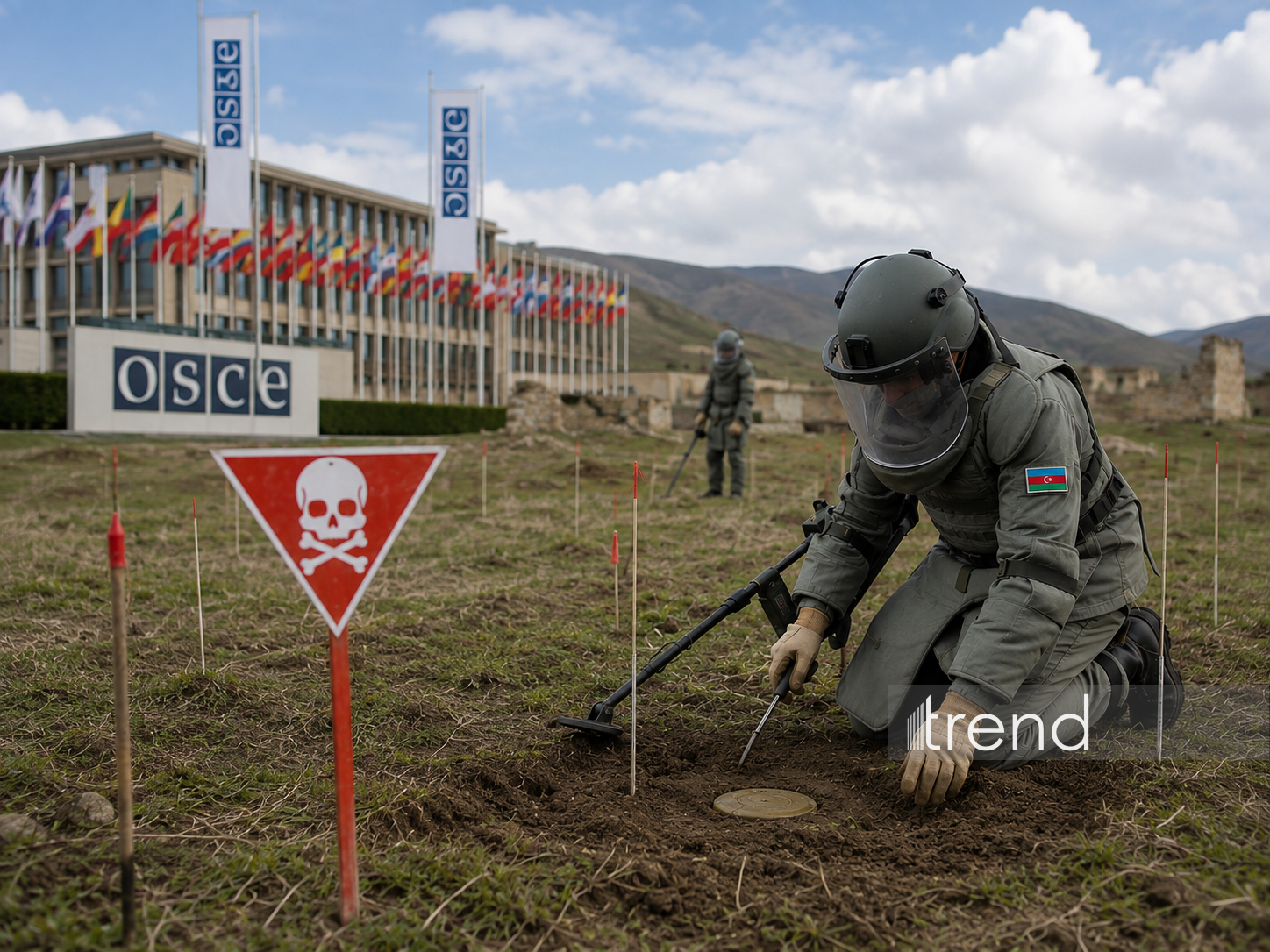

BAKU, Azerbaijan, August 4. The mine threat remains one of the most serious humanitarian challenges facing Azerbaijan in the post-conflict period. Following the liberation of its territories from occupation, the country has been confronted not only with the task of rebuilding cities and villages, but also with the complex and long-term challenge of making these areas safe for human habitation. This is why, in recent years, Azerbaijan has consistently raised humanitarian demining on international platforms not only as a matter of national security, but also as an issue of regional development, human rights and sustainable peace.
Against this backdrop, the visit to Baku by Swiss Federal Councillor, Head of the Federal Department of Foreign Affairs and OSCE Chairperson-in-Office Ignazio Cassis drew particular attention. During a joint press briefing, Azerbaijani Foreign Minister Jeyhun Bayramov openly stated that Azerbaijan expects the OSCE to play a more active role in humanitarian demining through concrete projects, while the Swiss side highlighted its extensive experience in this field. This demonstrated that the mine threat has become an issue not only for bilateral relations but also for broader international cooperation.
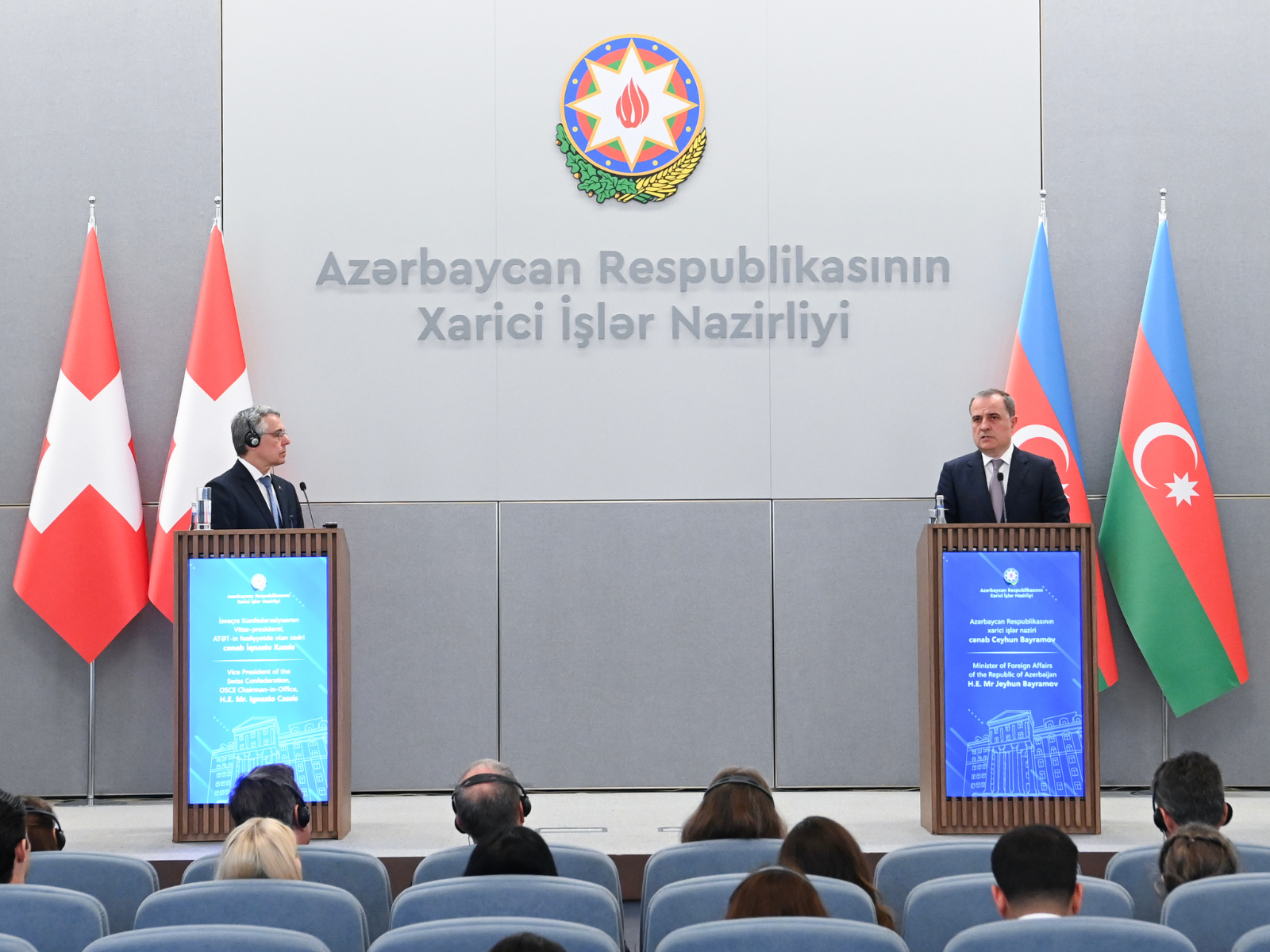
In reality, the issue extends far beyond mine clearance itself. Accelerating demining operations is regarded as a key prerequisite for the success of the Great Return program, the reconstruction of Karabakh and Eastern Zangezur, the launch of new transport corridors, the expansion of the investment climate and the region's broader economic integration. For this reason, Azerbaijan's expectations of the OSCE are aimed not only at political support but also at mobilizing practical projects, technology, financing and expert resources.
Keeping the mine threat on the international agenda
Azerbaijan's efforts are not limited to diplomatic meetings. In a recent statement, the Ministry of Foreign Affairs reported that two Azerbaijani citizens were seriously injured in another mine explosion in the Khojavand district, once again calling on the international community to step up its support.
The ministry stressed that since the end of the 2020 Patriotic War, 433 people have been affected by landmine contamination resulting from Armenia's actions. The figures demonstrate that the mine threat continues to claim victims long after the conflict has ended.
According to the ministry, the humanitarian consequences of landmines remain a serious obstacle to sustainable peace, development and human security.
The statement emphasized that "ensuring a mine-free future is an essential condition for sustainable peace, development and human security."
The ministry believes that broader international support for humanitarian demining activities is essential to achieve this goal.
Humanitarian demining is an urgent issue that saves lives
Speaking to Trend, Head of the Azerbaijani delegation to the OSCE Parliamentary Assembly and member of the parliamentary Committee on International Relations and Inter-Parliamentary Ties Gaya Mammadov said Armenia had planted more than one million landmines across Azerbaijani territories during the occupation while nearly one thousand towns and villages had been destroyed.
According to the lawmaker, preliminary estimates place the damage inflicted on Azerbaijan at more than $150 billion.
He said that international assistance for reconstruction, rehabilitation and especially humanitarian demining would contribute not only to restoring justice but also to strengthening sustainable peace throughout the region.
"Humanitarian demining, which is entirely humanitarian in nature and aimed at saving human lives, is particularly urgent," he stressed.
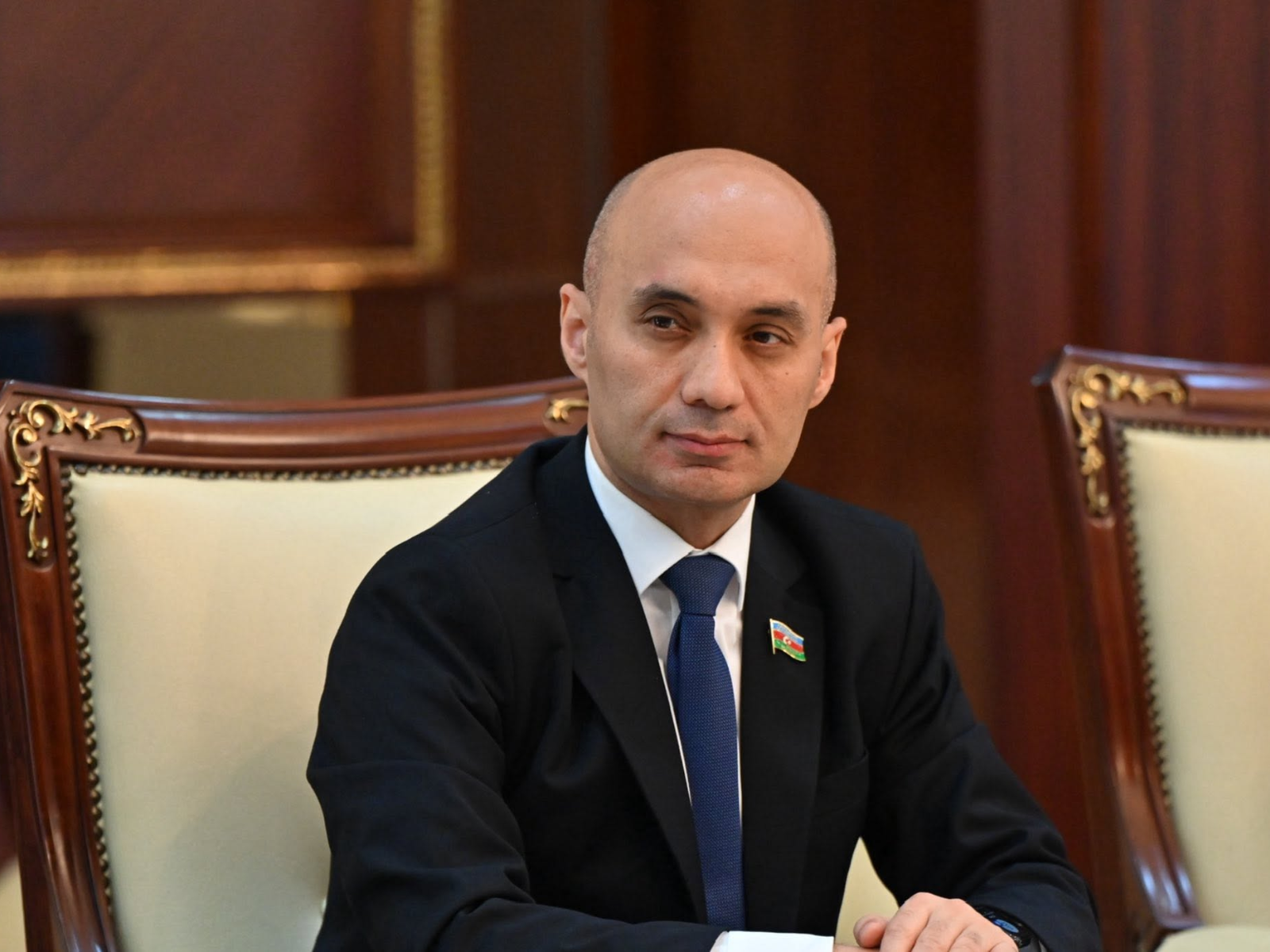
Mammadov noted that Azerbaijan consistently raises this issue on all international platforms, including the United Nations, as well as during bilateral meetings.
According to him, several international organizations have recently adopted documents supporting Azerbaijan's position.
The MP recalled that in 2025 the OSCE Parliamentary Assembly adopted a document calling for increased international support for reconstruction, rehabilitation and humanitarian demining efforts in Azerbaijan's liberated territories.
Mammadov believes that these calls must now be translated into practical results.
"It is important that OSCE participating States increase their assistance to Azerbaijan. The OSCE Chairperson-in-Office can also contribute by promoting such support in line with the Parliamentary Assembly's recommendations," he said.
In his view, such an approach is important not only for Azerbaijan but also for the security of the region as a whole and for the post-conflict recovery process.
The mine threat remains an obstacle to human rights
The humanitarian consequences of landmines are not merely a security issue but have also become a fundamental human rights concern. In this regard, a recent statement by Azerbaijan's Commissioner for Human Rights (Ombudsperson) once again highlighted the impact of the mine threat on the right to life and safe living conditions.
The statement expressed serious concern over an incident in the Khojavand district in which an employee of a private company involved in humanitarian demining operations was injured by an anti-personnel mine.
It noted that mine explosions continue to undermine people's rights to life, health and a safe environment, while also posing a major obstacle to the safe return of former internally displaced persons to their homes.
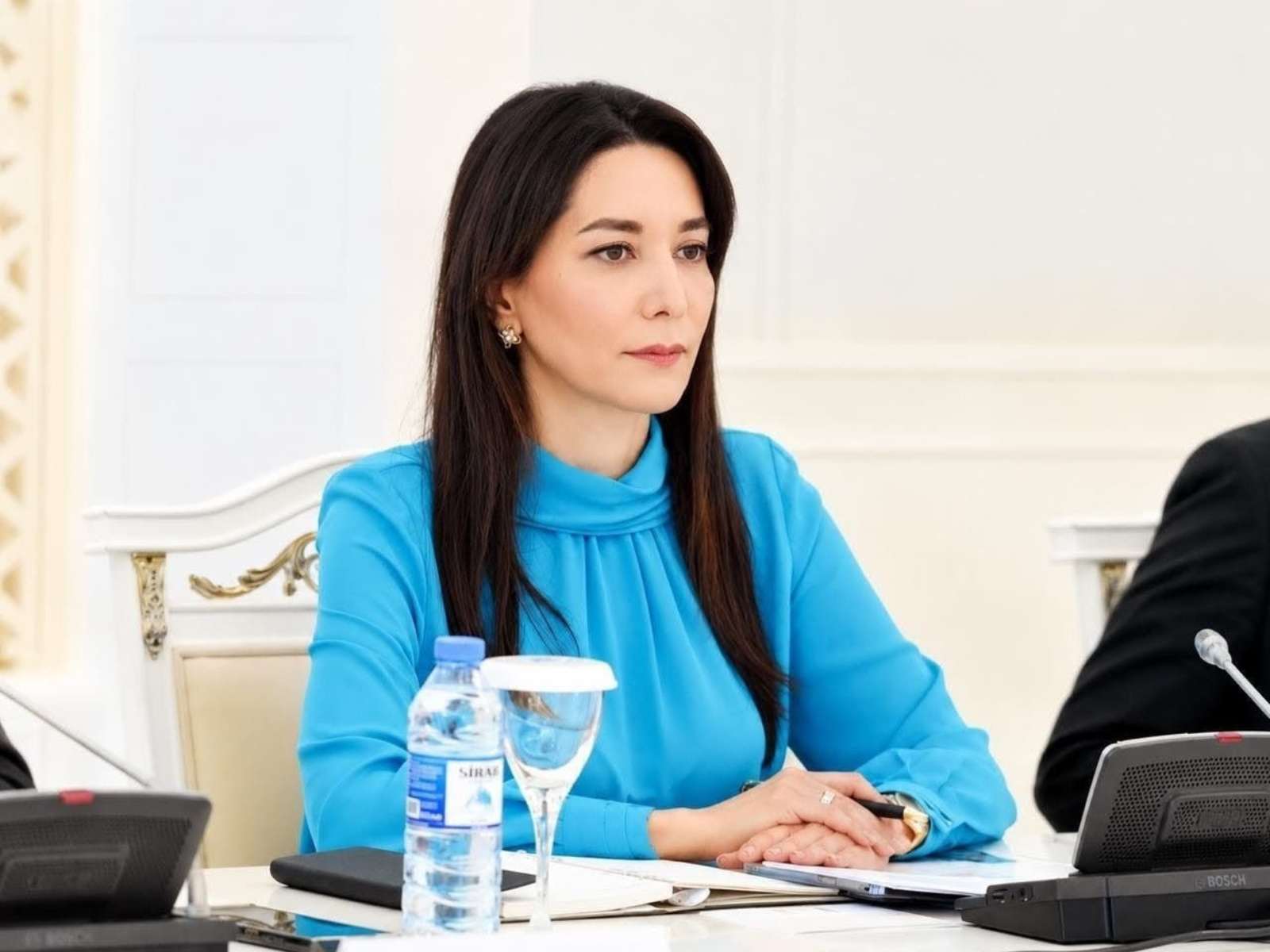
Ombudsperson Sabina Aliyeva called on the international community and relevant international organizations to expand their technical, financial and expert support for Azerbaijan's humanitarian demining efforts.
The statement reiterated that eliminating the mine threat is essential to ensuring human rights, protecting people's lives and health, and enabling the safe reconstruction and resettlement of the liberated territories.
"It's time for the OSCE to move from political statements to practical projects"
Speaking to Trend, Sevinc Fataliyeva, a member of Azerbaijan's delegation to the OSCE Parliamentary Assembly and member of the parliamentary Committee on International Relations and Inter-Parliamentary Ties, said humanitarian demining is one of the key pillars of Azerbaijan's post-conflict recovery policy.
She noted that clearing liberated territories of mines and unexploded ordnance is strategically important not only for public safety but also for accelerating socio-economic development, facilitating the return of former internally displaced persons, restoring transport and energy infrastructure, and expanding regional cooperation.
According to the MP, this is why humanitarian demining was one of the central issues during Ignazio Cassis' visit to Baku.
Fataliyeva said Jeyhun Bayramov's call for a more active and practical OSCE role in addressing the mine threat reflects the current realities on the ground.
"The mine threat remains one of the biggest obstacles to the reconstruction of the liberated territories," she stressed.
According to her, rebuilding residential areas, constructing roads, energy and communication infrastructure, reviving agriculture and ensuring the safe return of people to their native lands all depend directly on the pace of demining operations.
Fataliyeva noted that, according to ANAMA, more than 287,000 hectares had been cleared of mines by mid-July this year, with over 255,000 mines and unexploded ordnance detected and neutralized.
At the same time, she said the scale of the problem remains enormous, with 433 people killed or injured in mine explosions since 2020, clearly illustrating the humanitarian dimension of the threat.
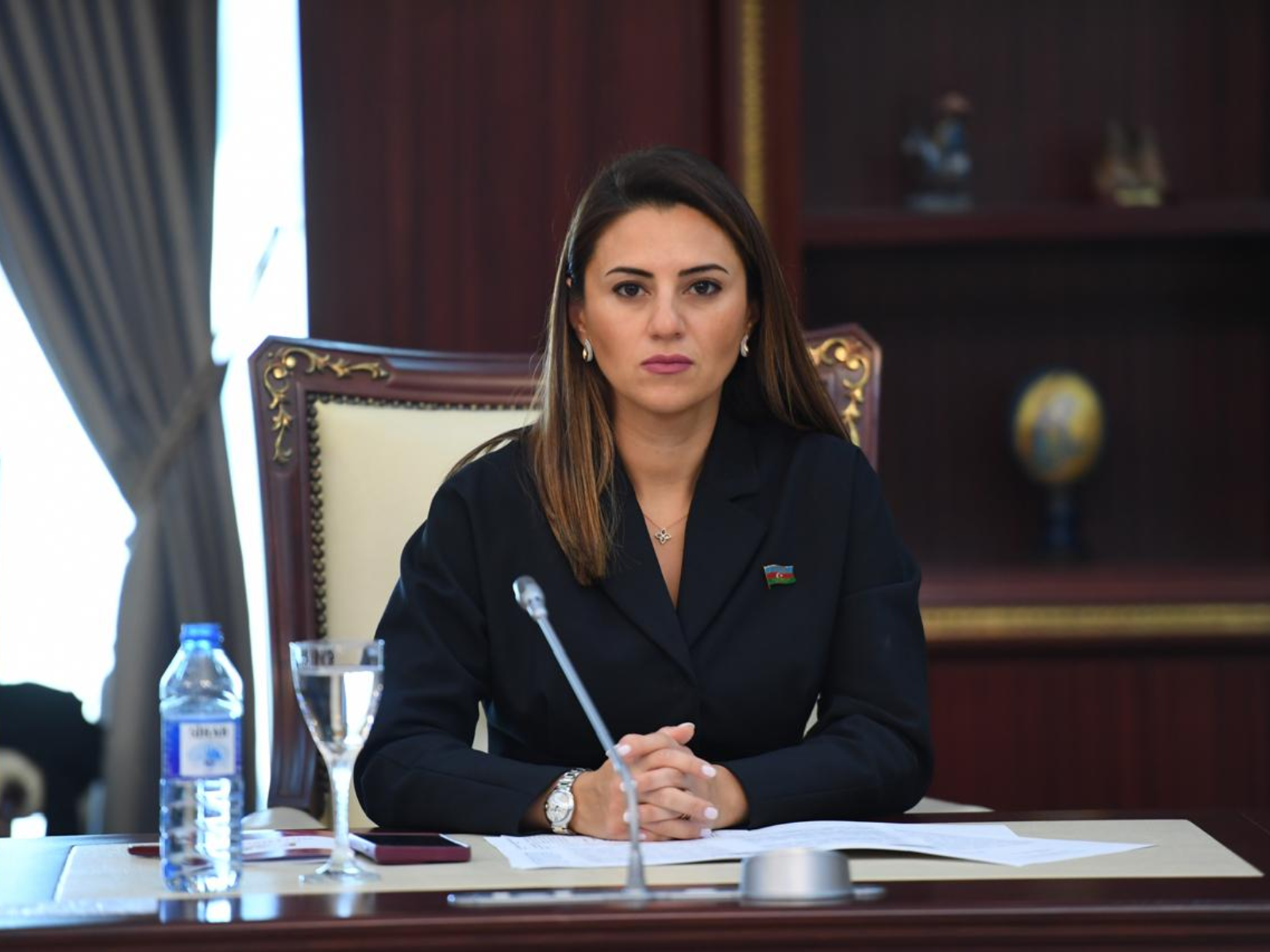
Fataliyeva stressed that under these circumstances the OSCE's role should not be limited to political declarations.
"This is about implementing concrete projects, mobilizing additional financial resources, introducing modern mine-detection technologies, unmanned systems, robotic equipment and digital mapping capabilities, as well as providing specialist training and sharing best international practices," she said.
She noted that Azerbaijan currently bears the main burden of demining operations, with ANAMA working alongside the Ministry of Defense, the Ministry of Emergency Situations and other relevant agencies.
According to the MP, Azerbaijan has long been consistently raising humanitarian demining within the OSCE framework while calling for the expansion of the organization's practical assistance mechanisms.
In her opinion, a more active OSCE role could significantly accelerate reconstruction in the liberated territories.
"Every area cleared of mines creates opportunities to build new settlements, construct social infrastructure, attract investment and ensure the safe return of former internally displaced persons," she said.
Fataliyeva added that humanitarian demining is important not only for Azerbaijan's domestic recovery but also for regional economic integration.
She said that as the South Caucasus increasingly becomes a key transport hub linking Europe and Asia, the safe implementation of the Middle Corridor, new road and railway routes, as well as energy and communications projects, depends directly on successful demining.
The MP believes that bringing to Azerbaijan the advanced technologies available in OSCE participating States, including artificial intelligence-based solutions, drones, engineering equipment and innovative methodologies, would further enhance ANAMA's effectiveness.
"Today, humanitarian demining is not merely a technical issue. It is a humanitarian issue directly linked to people's right to live safely, return to their homes and rebuild their lives. A more active and practical OSCE role in this area could make a tangible contribution to strengthening security and confidence-building in the South Caucasus," Fataliyeva stressed.
Azerbaijan presents a new test for the OSCE
The main message Azerbaijan has consistently delivered on international platforms in recent years is that sustainable peace in the post-conflict period cannot be achieved through political agreements alone. Without removing the physical consequences of war, ensuring safe living conditions, enabling the full return of former internally displaced persons and restoring economic activity, it is difficult to speak of lasting peace.
Against this backdrop, Jeyhun Bayramov's statement that Azerbaijan expects concrete projects from the OSCE, together with Ignazio Cassis' remarks highlighting Switzerland's extensive experience in humanitarian demining and its readiness to cooperate in this field, indicate that new opportunities are emerging. Switzerland's allocation of 100 million Swiss francs for humanitarian demining in Ukraine, along with decades of experience in this field across various countries, demonstrates the availability of significant expertise.
If the OSCE responds to Azerbaijan's call by launching concrete humanitarian demining projects, this could become one of the organization's first tangible and measurable contributions in the South Caucasus in many years. Such a step would not only support Azerbaijan's reconstruction efforts but also strengthen regional confidence, facilitate the safe implementation of transport and communications projects and contribute to long-term peace.
In this sense, the key issue for the OSCE is no longer recognizing the existence of the mine problem but demonstrating practical involvement in solving it. Concrete steps in humanitarian demining in Azerbaijan could become one of the clearest indicators of the organization's effectiveness in the post-conflict period.



