



BAKU, Azerbaijan, June 8. The European Union’s clean energy investment is projected to reach nearly $390 billion in 2025, ranking third globally, according to the International Energy Agency (IEA), Trend reports.
Driven by the post-Ukraine war energy crisis, favorable policies, and declining renewable costs, Europe has dramatically shifted its energy profile over the past decade.
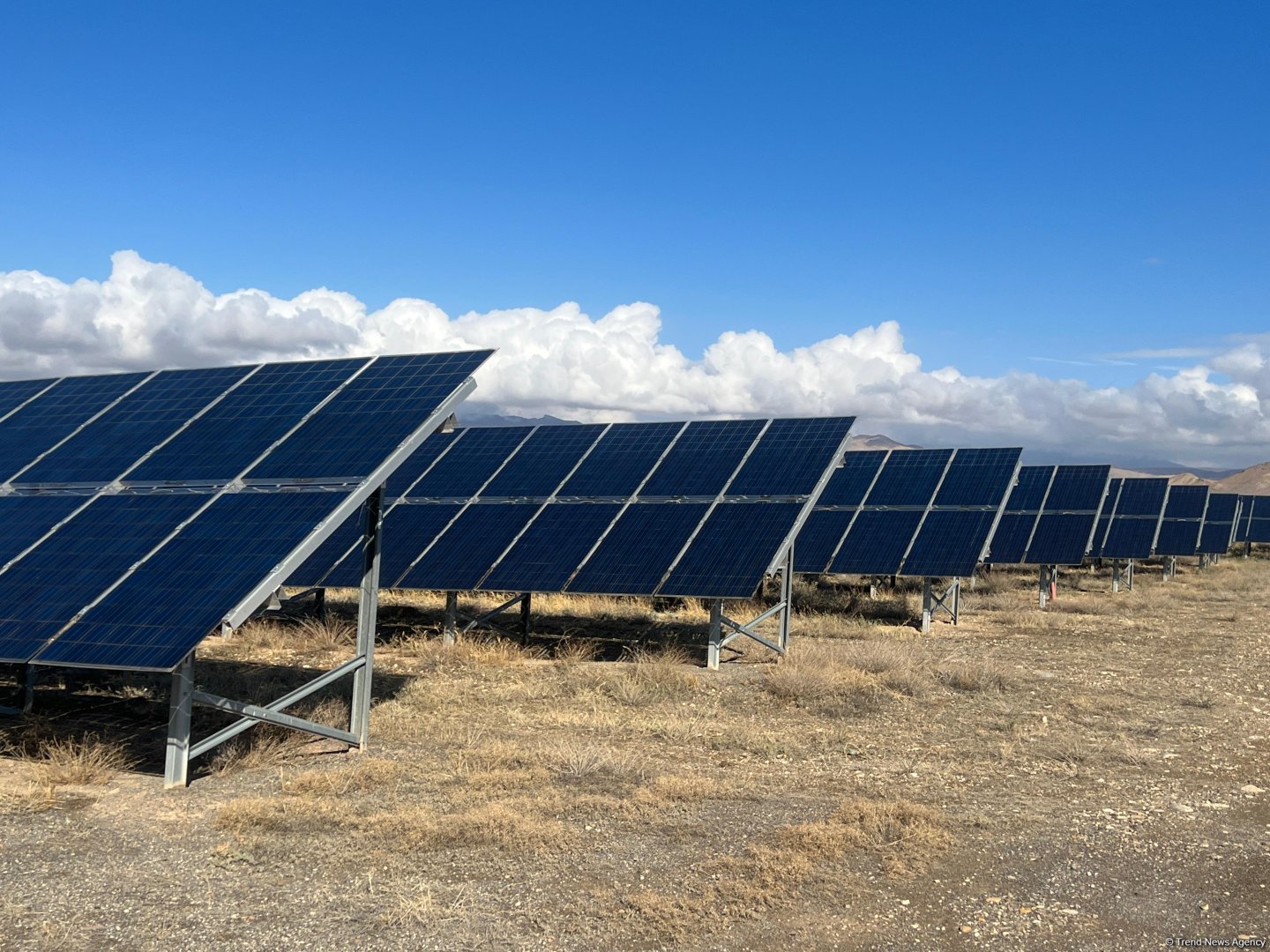
The ratio of investment in renewable electricity generation to unabated fossil fuel power has surged from 6:1 in 2015 to nearly 35:1 in 2025. Solar photovoltaic (PV) technology has played a central role: rooftop PV costs have dropped more than 50%, and utility-scale solar by about 40%, fueling an investment spike to nearly $95 billion in 2024 alone.
Renewables supplied half of the EU’s electricity in 2024, while fossil fuels fell to just over a quarter—half their share a decade earlier. The region is also leading in energy-efficient buildings, with investment in that sector doubling to $100 billion over the past ten years and set to exceed $160 billion by 2030 to meet global energy efficiency targets.
Despite this momentum, implementation hurdles persist. High inflation, rising interest rates, and supply chain disruptions have made some projects financially unviable. Denmark’s recent offshore wind auction, for instance, failed to attract a single bid, highlighting investor concerns over auction design and non-indexed contracts.
In response, the EU is pivoting toward bolstering industrial competitiveness and energy resilience, as reflected in its February 2025 Clean Industrial Deal. Meanwhile, to counter the sharp drop in Russian gas imports, EU countries have diversified supply sources—particularly through increased LNG imports from the United States—stabilizing but not fully reversing elevated gas prices.
As the EU continues its clean energy transition, balancing climate goals with affordability and energy security remains a central challenge.



