


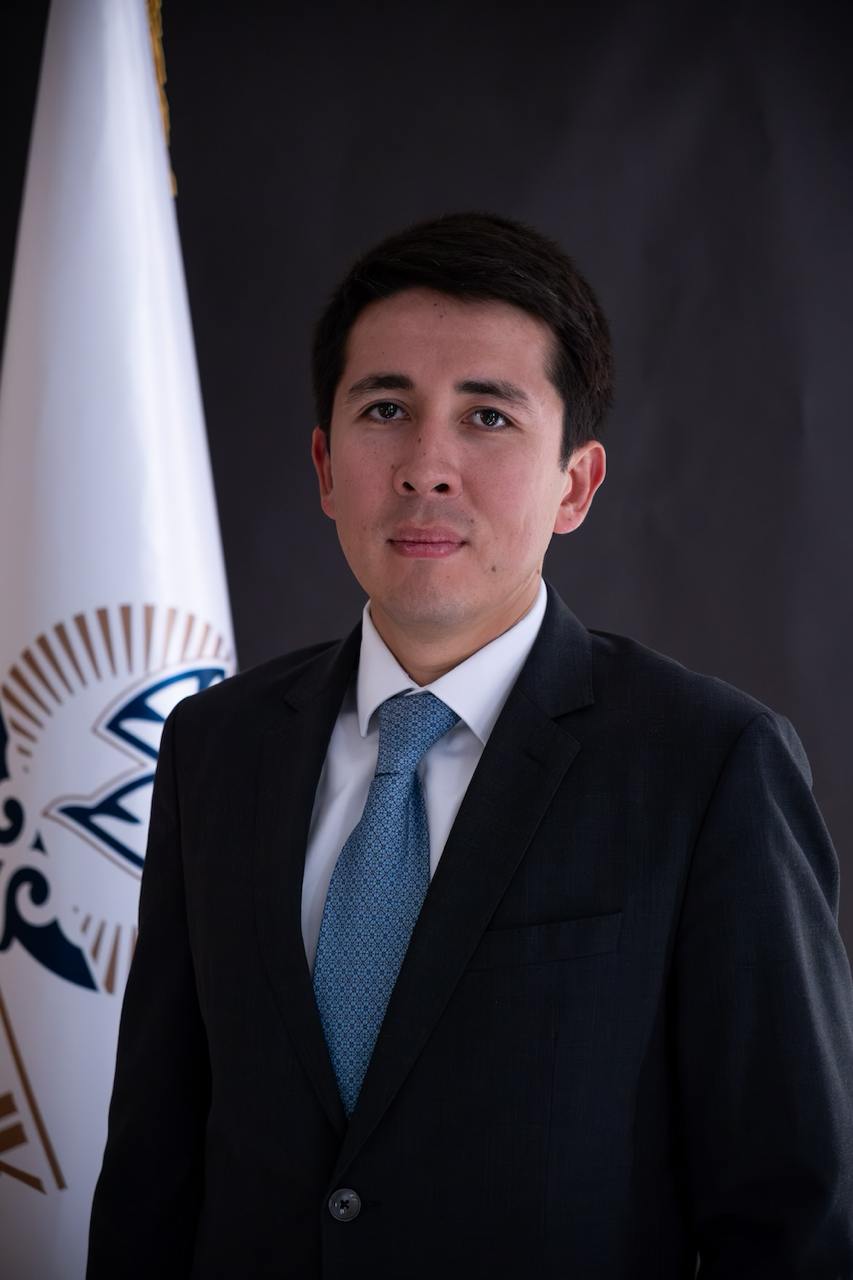

BAKU, Azerbaijan, August 7. Zhandos Qairgeldi has been elected Chairman of the Board of Directors of Kazakhstan’s national gas company QazaqGaz.
This was announced by the press service of QazaqGaz.
The decision was made by the Management Board of Samruk-Kazyna on August 6, 2026, which also terminated early the powers of former QazaqGaz Board Chairman Elzhas Otynshiev.
"He has more than 10 years of professional experience in corporate finance, strategic and financial planning, investment project management, risk management and corporate governance," the press service notes.
Throughout his career, he held senior positions at KazMunayGas Onimderi LLP, KPI Inc. LLP, KLPE LLP and Sileno LLP, where he was responsible for economic and financial matters, risk management, financial support of investment projects and operational activities.
Since August 2025, Qairgeldi has served as Director of the Oil and Gas Assets Department at Samruk-Kazyna. The personnel changes took effect following the decision of the shareholder’s Management Board.
QazaqGaz is Kazakhstan’s national vertically integrated gas company and a portfolio company of the Samruk-Kazyna Sovereign Wealth Fund. It operates across the full gas value chain — from exploration and production to transportation, processing, distribution and sales.
The company manages the largest gas transmission network in Central Asia, comprising more than 20,000 km of main gas pipelines with an annual capacity of over 250 billion cubic metres, as well as tens of thousands of kilometres of distribution networks. QazaqGaz is responsible for domestic gas supply, international transit (including Russian and Central Asian gas), and the sale of gas on both domestic and export markets. It also develops, finances, builds and operates pipelines and underground gas storage facilities.
In recent years, the company has focused on expanding gasification across Kazakhstan, implementing major infrastructure projects such as the second string of the Beineu–Bozoi–Shymkent pipeline and gas processing plants at the Kashagan field, and strengthening energy security while supporting the country’s transition toward more efficient and sustainable gas use.



