



BAKU, Azerbaijan, August 7. Uzbekistan has proposed to the member states of the Eurasian Economic Union to develop a joint program titled “Green Industrial Transformation,” which will help improve energy efficiency and accelerate the adoption of clean technologies.
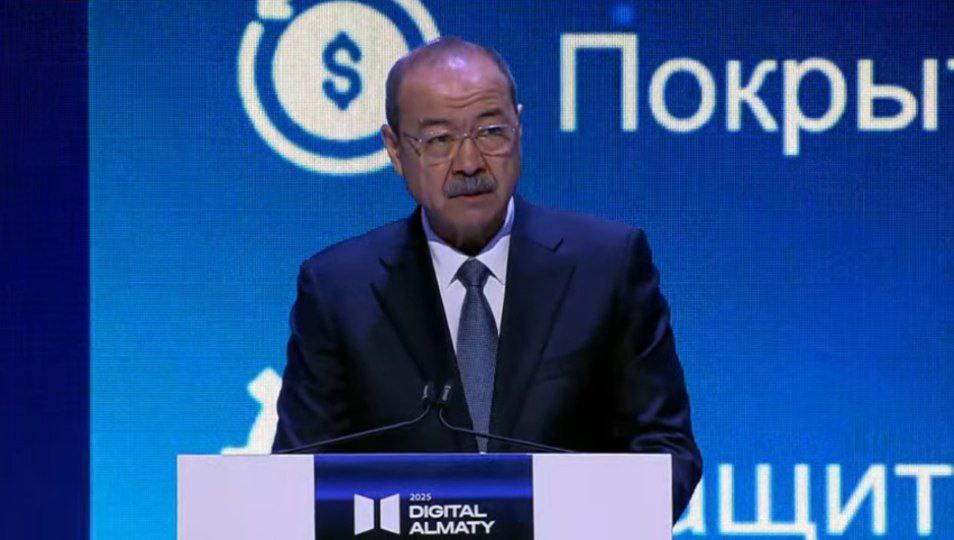
This was stated by Abdullo Aripov, Prime Minister of the Republic of Uzbekistan, at an expanded meeting of the Eurasian Intergovernmental Council.
According to him, one area for further cooperation should be the creation of a portfolio of projects in the most energy-intensive sectors using modern technologies. “In the first phase, it would be advisable to develop a portfolio of projects in the most energy-intensive sectors, including artificial intelligence-based solutions for managing energy consumption, utilizing green bonds, preferential lending, and public-private partnership mechanisms,” Aripov noted.
He also proposed strengthening cooperation in the area of labor mobility. In particular, Uzbekistan advocated for the integration of the country’s national digital employment platform with the Eurasian “Work Without Borders” system. “We are ready to hold consultations with the Eurasian Economic Commission to develop coordinated approaches for launching this initiative,” he said.
Aripov identified the development of tourism among the countries of the region as another promising area. He noted that holding the meeting on the shores of Lake Issyk-Kul demonstrates Central Asia’s significant tourism potential and proposed joining the “Central Asia Tourism Ring” initiative.
According to him, this involves creating joint cross-border routes, a unified calendar of events, and packaged tourism offers, as well as promoting them through shared digital platforms. “We propose to include all of these areas in the new plan for joint activities between the Government of the Republic of Uzbekistan and the Eurasian Economic Commission,” Aripov stated.
He emphasized that the implementation of these initiatives will contribute to strengthening mutually beneficial partnerships and the sustainable development of the region’s countries.



