



BAKU, Azerbaijan, August 6. Kazakhstan has presented a comprehensive plan for the development of the light industry sector for 2026–2030, focusing on production localization, market expansion and support for domestic manufacturers.
This was reflected in the statement published by the official information resource of the Prime Minister of the Republic of Kazakhstan.
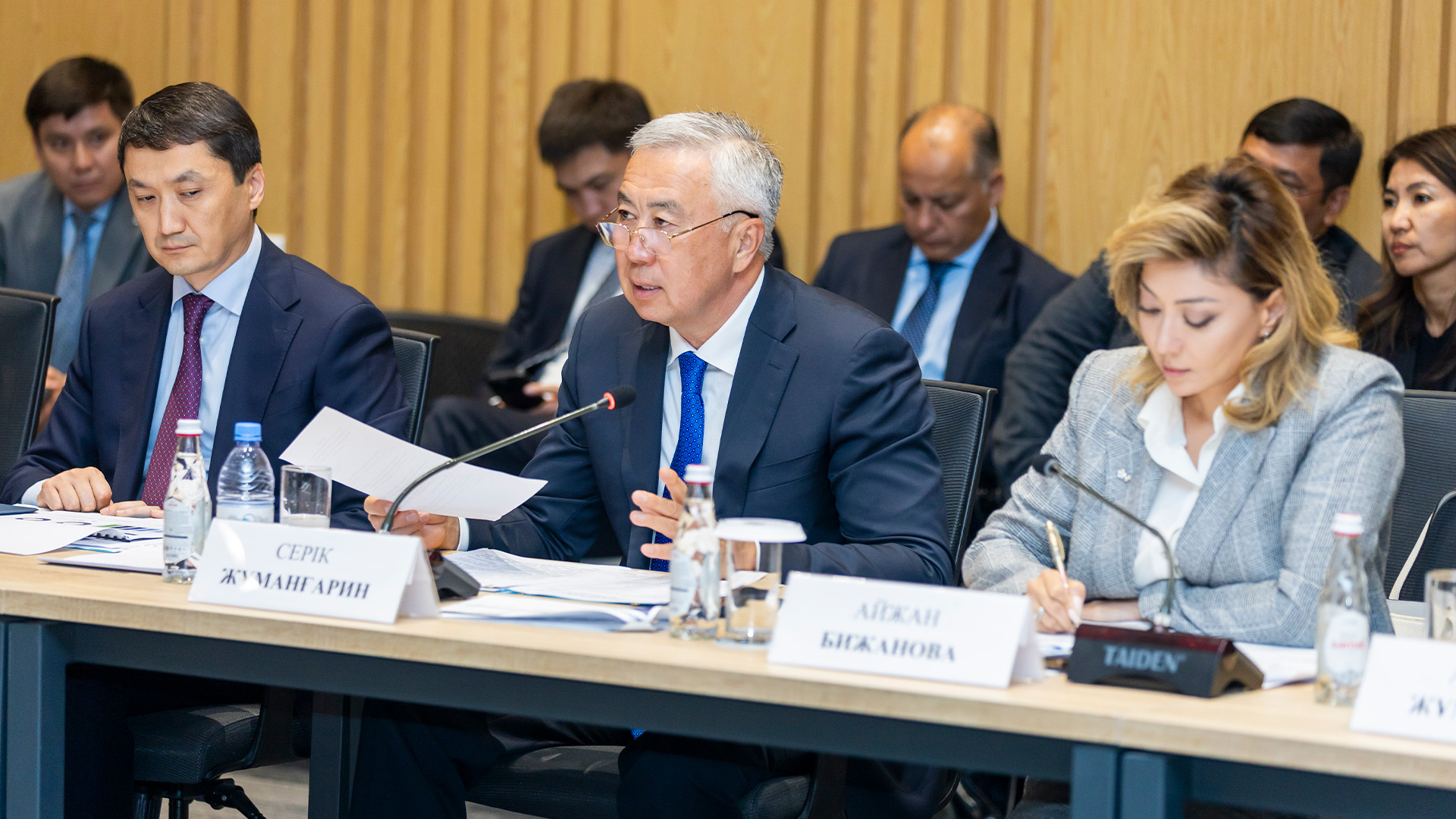
The plan was discussed at a meeting chaired by Kazakhstan’s Deputy Prime Minister and Minister of National Economy Serik Zhumangarin with representatives of relevant ministries, the National Chamber of Entrepreneurs "Atameken", the Damu Entrepreneurship Development Fund and domestic enterprises.
"The Comprehensive Plan sets ambitious goals. By 2030, the plan aims to increase raw material processing volumes by 1.5-2 times, create approximately 40,000 jobs, and implement 35 investment projects. The state is prepared to support companies that increase localization and expand production. At the same time, the Comprehensive Plan will remain a flexible document and will be revised as necessary based on implementation practices," emphasized Serik Zhumangarin.
According to Vice Minister of Industry Olzhas Saparbekov, the document includes 28 measures aimed at improving legislation, procurement mechanisms, combating shadow imports, attracting investment, developing local brands and training specialists.
The medium-term measures include ensuring access to raw materials for manufacturers, expanding sales markets and creating equal competitive conditions in public procurement. Long-term priorities include deeper localization of production and greater market transparency. One of the planned measures is the introduction of a full traceability system for raw materials and finished products through the use of "virtual warehouses" and electronic invoices.
A key instrument will be localization agreements with industry enterprises. Under these agreements, companies will undertake obligations to increase production volumes, localize manufacturing, create jobs and improve employee qualifications. In return, businesses will have access to state support measures, including preferential financing, equipment leasing, special investment contracts and long-term procurement agreements.
According to the Ministry of Trade and Integration, light industry and agriculture account for the largest number of domestic producers in Kazakhstan. At the same time, imports continue to dominate the sector’s foreign trade, indicating significant potential for further development of local production.
The meeting also highlighted measures aimed at increasing the presence of Kazakh products in retail. Legislation requires that at least 30% of shelf space be allocated to domestic goods, while retail facilities receiving state support must allocate no less than 50%.
In addition, restrictions have been introduced on unjustified refusals by retail chains to sign supply agreements with Kazakh producers and on excessive increases in rental costs. The Ministry of Trade and Integration is also developing a comprehensive program to promote products under the "Made in Kazakhstan" brand.
During the meeting, Atameken and the Damu Fund presented proposals for the 10th Ulttyq Ónim exhibition of domestic manufacturers, with a focus on light industry. The expanded program is expected to include industry sessions, discussions on sales through marketplaces and retail chains, export and logistics consultations, Fashion Day and a competition for the best light industry brand in Kazakhstan.
Representatives of the industry also raised issues related to certification costs, public procurement requirements and the need to consider companies’ localization levels, job creation and modernization investments when selecting suppliers.
Zhumangarin noted that certification remains an important mechanism for ensuring product quality and safety, while instructing the Ministry of Trade and Integration to study opportunities to reduce certification costs, extend certificate validity periods and introduce certain incentives for companies operating under special investment contracts. The Deputy Prime Minister emphasized that the development of light industry is a priority for Kazakhstan primarily due to its potential to create jobs and strengthen domestic manufacturing.



