


TASHKENT, Uzbekistan, August 25. Uzbekistan is exploring new approaches to regulating stablecoins and tokenized securities, taking into account the specific features of digital financial instruments and international experience.
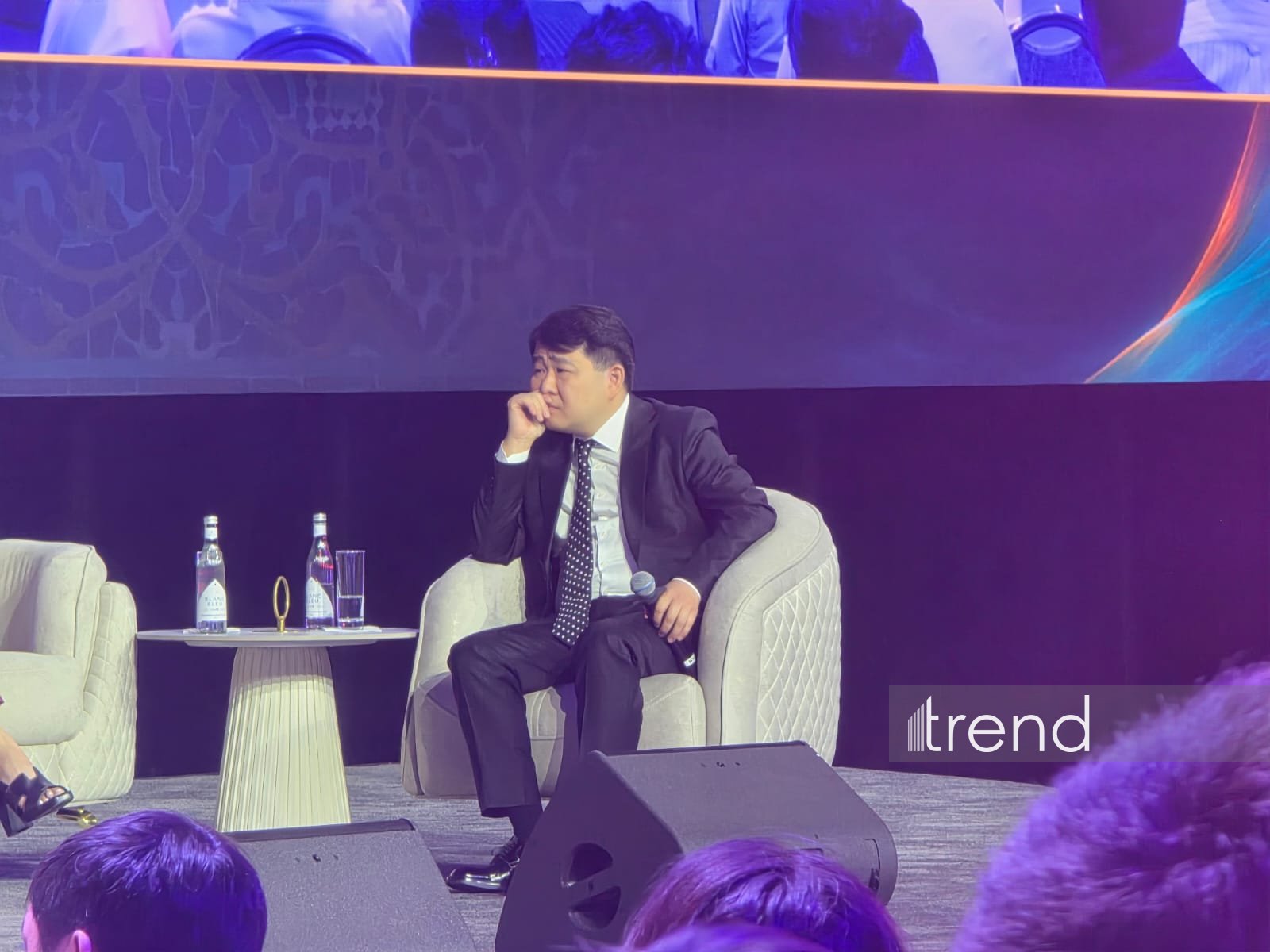
Vyacheslav Pak, First Deputy Director of the National Agency of Perspective Projects, made the remarks while speaking at the Silk Road Finance & Technology Forum, Trend’s special correspondent reports from Tashkent.
According to Pak, the development of digital financial instruments requires existing regulatory approaches to be adapted, as such instruments enable significantly faster movement of value. “We cannot use traditional tools for regulating financial instruments and apply them to stablecoins because they operate on a completely different basis,” Pak said.
He noted that unlike traditional payments, which can take several days or even a week, transactions involving digital assets can be completed within seconds or minutes.
According to Pak, the development of an appropriate regulatory framework should take into account anti-money laundering (AML), monetary policy, the integration of stablecoins into the traditional banking system and their reflection in monetary statistics. “We need to understand how we are going to manage those risks from the point of view of AML and monetary policy, for example, how we are going to integrate stablecoins into the traditional banking system and how we will reflect them in monetary statistics,” he said.
Speaking about the tokenization of securities, Pak noted that international experience in this area is still developing, creating an opportunity to establish different regulatory approaches. “When we started to study foreign experience, we found that there are no approved practical models here. I think that currently there is no country in the world that has a fully regulated tokenization of securities market,” he said.
According to Pak, one possible approach could involve creating a digital twin of a traditional stock or bond. At the same time, the issuance of tokenized securities requires clear rules governing their accounting, payments and the exercise of holders’ rights.
Pak particularly highlighted issues related to tokenized shares, including ensuring shareholders’ rights to participate in voting and corporate governance. “There are many big challenges, and I think platforms like this are trying to find new solutions and understand how to create new regulation quickly,” Pak concluded.



