


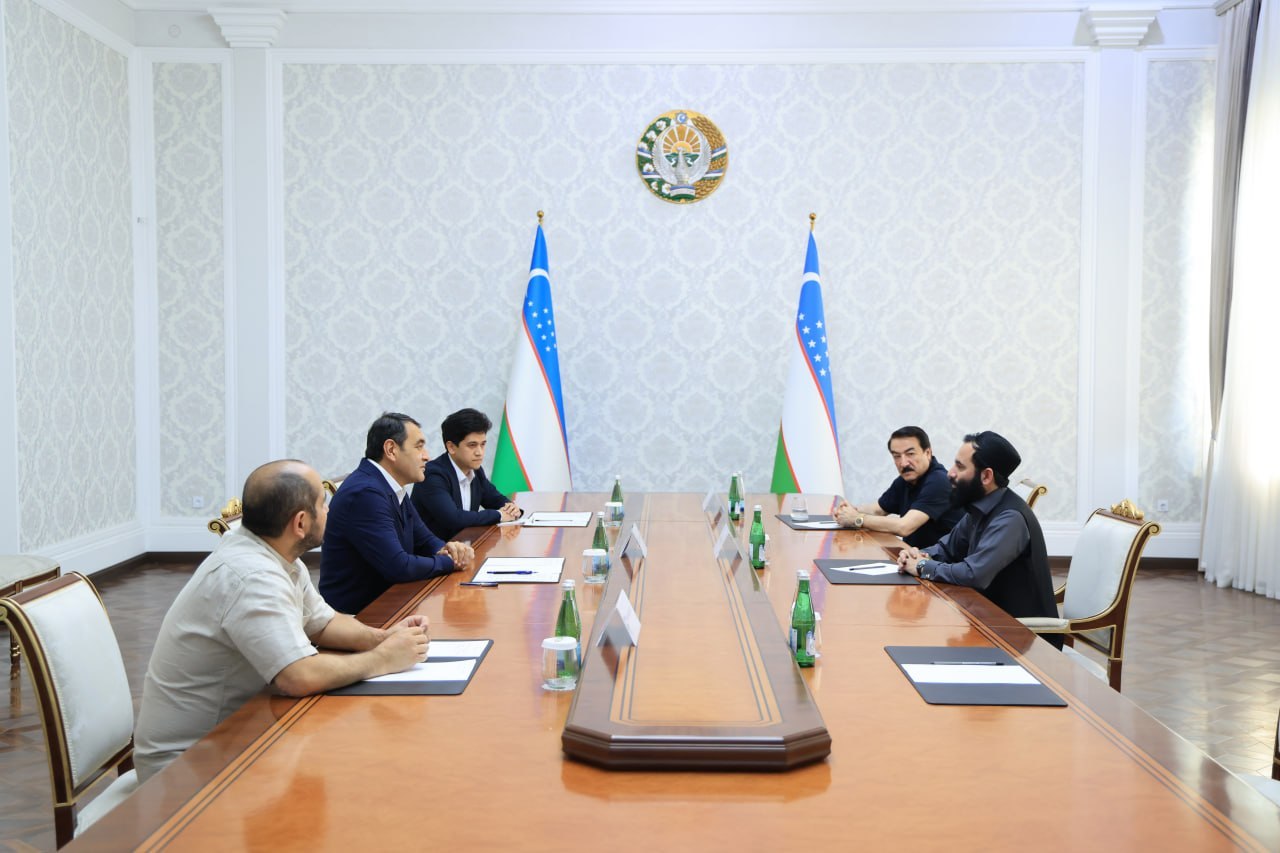

BAKU, Azerbaijan, August 17. Uzbekistan’s Fergana region is working to advance trade and investment cooperation with Afghanistan, with new projects in construction, textiles, agriculture and aviation discussed.
This was reflected n the statement by the Fergana Regional Administration following a meeting between Fergana regional Governor Khayrullo Bozorov and Abdul Hafiz Faryad, head of Afghanistan’s state-owned Spinzar Kunduz corporation, and Zamaray Kamgar, chairman of Afghan airline Kam Air.
The meeting followed a July 26–27 visit by a Fergana delegation led by Bozorov to Afghanistan, where officials and businesses held talks on expanding trade, investment and economic ties. As a result of that visit, Fergana regional trade houses began operating in Kabul and Mazar-i-Sharif.
The latest meeting focused on moving those agreements toward practical implementation and launching new joint investment projects.
Afghan business representatives expressed interest in working with Fergana-based companies in construction, textiles, agriculture and aviation. The sides discussed potential projects and initiatives to be implemented jointly with local businesses.
Bozorov said economic and trade ties between Uzbekistan and Afghanistan have been developing steadily and that the regional delegation’s engagement with Afghan businesses creates opportunities for new initiatives.
“It is important to make effective use of existing opportunities to implement new projects with Afghan businesses and expand practical cooperation across each of these areas,” Bozorov said.
The Uzbek side also emphasized the need to translate existing agreements into concrete projects and strengthen business-to-business cooperation.
The establishment of trade houses in Kabul and Mazar-i-Sharif is expected to provide additional channels for Fergana companies to access the Afghan market and expand commercial ties.
Following the meeting, the parties agreed to accelerate the implementation of joint investment projects, ensure the fulfillment of existing agreements and take bilateral cooperation to a new level.



