



BAKU, Azerbaijan, August 21. The Tajik government has allocated 60.3 billion somoni ($6.5 billion) for construction and rehabilitation work at the Rogun Hydropower Plant since 2008.
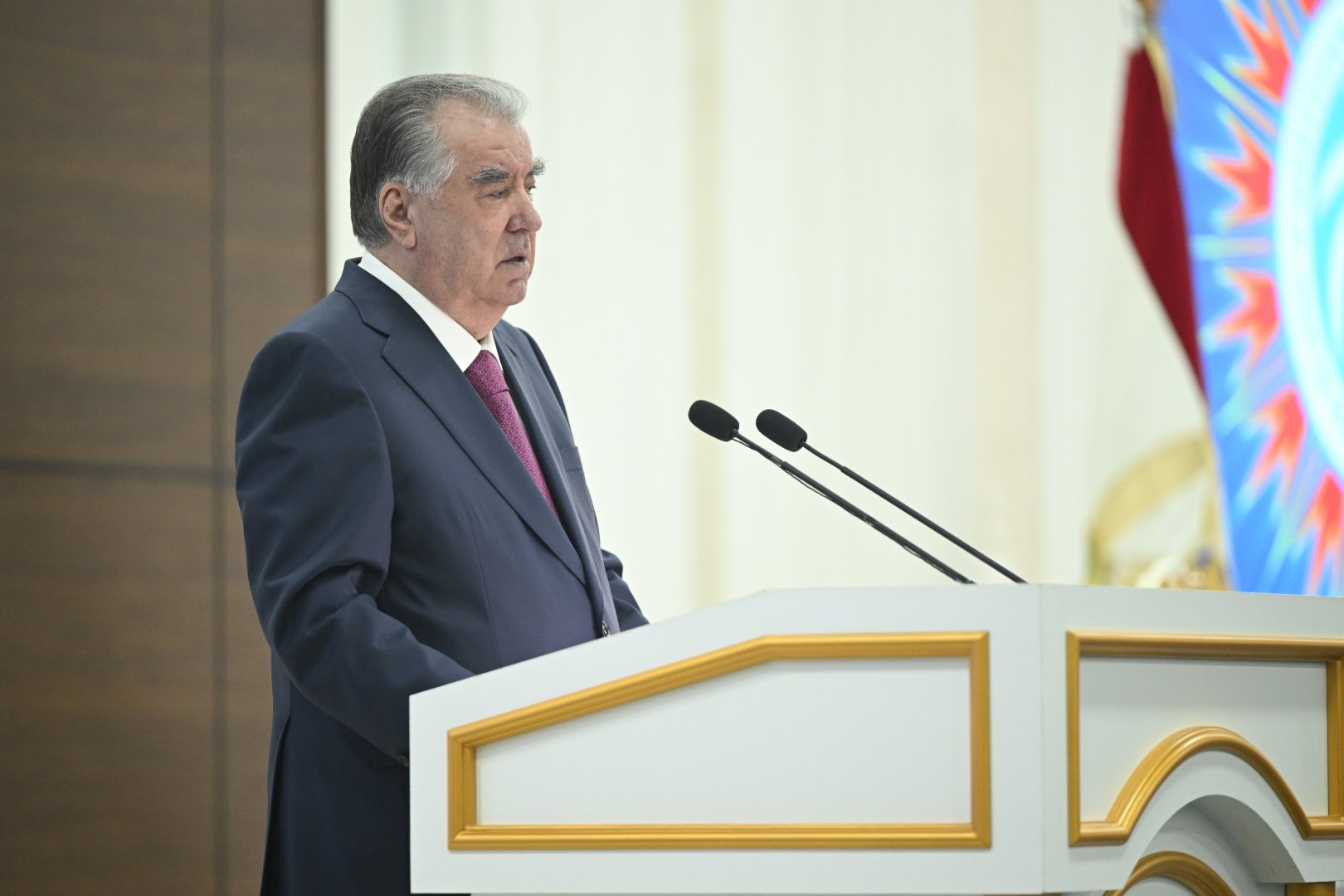
This was reflected in the statement by the press service of the Tajik president, citing President Emomali Rahmon's speech made at a meeting with employees working in the construction of the Rogun HPP.
According to him, 8.1 billion somoni ($875 million) was allocated from the state budget for construction work in 2025, while 11.4 billion somoni ($1.2 billion) has been earmarked for 2026. “From 2008 to the present, the government has allocated 60.3 billion somoni ($6.5 billion) from the state budget and other sources for construction and rehabilitation work at the hydropower plant,” Rahmon said.
A total of 8.4 billion somoni ($908 million) from all sources of financing was spent on construction and installation work during the first seven months of 2026. The president said the completion of the Rogun HPP remains one of the priorities of Tajikistan's economic and social policy. At the same time, Tajikistan continues to attract financing from international financial institutions and development partners.
According to Rahmon, grant agreements totaling $650 million have been signed with the World Bank for the first two stages of the project. In addition, loan and grant agreements with a number of international financial institutions have been signed for a total of more than $1.9 billion.
Meanwhile, the Rogun Hydropower Plant is being built on the Vakhsh River in southern Tajikistan and is one of the country's largest infrastructure projects. Once completed, the facility is planned to have an installed capacity of 3,780 megawatts.
The project includes the construction of a 335-meter-high rockfill dam, which is expected to become the world's tallest of its kind. The dam and reservoir are being developed in complex mountainous and underground geological conditions, requiring large-scale excavation, tunneling, and construction works.
Rogun HPP is intended to increase Tajikistan's electricity generation capacity and improve the country's energy security, while also creating additional potential for electricity exports to regional markets.
Construction of the plant has been carried out in stages, with work focusing on the dam, underground structures, tunnels and reservoir. The project remains a major priority for the Tajik government as the country seeks to expand its hydropower capacity and strengthen its energy infrastructure.



