


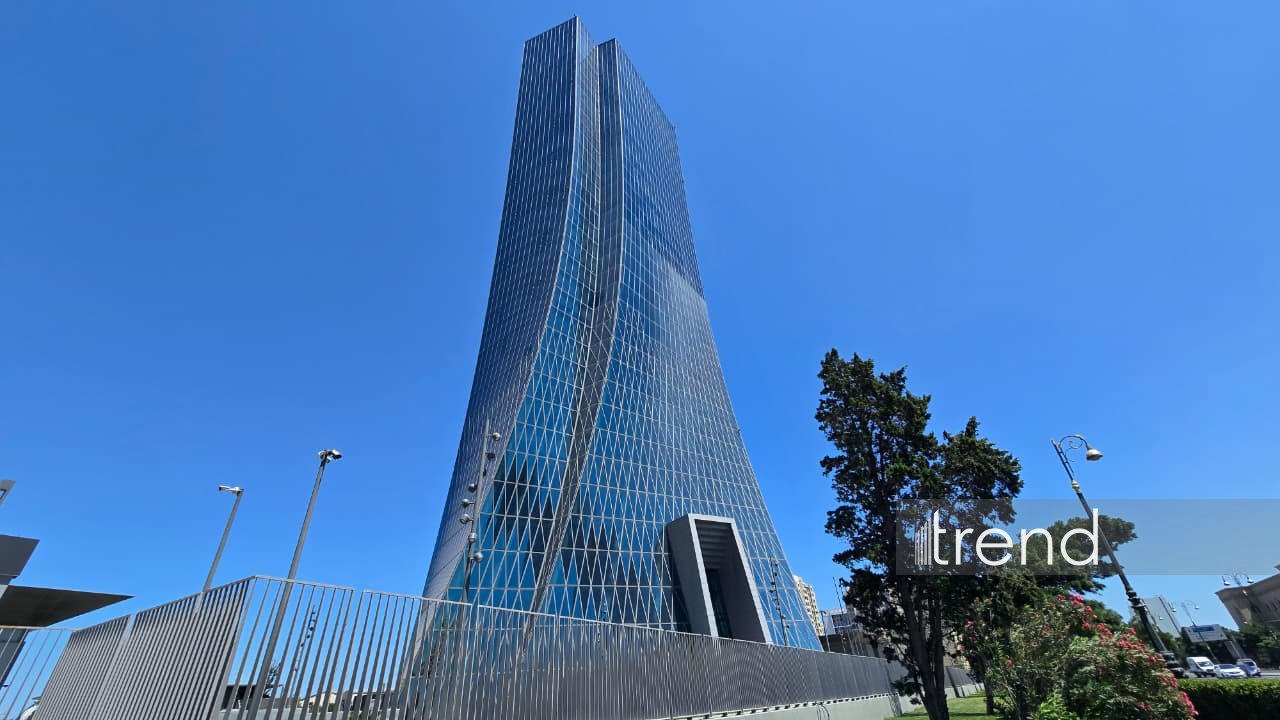

BAKU, Azerbaijan, August 21. Azerbaijan's Central Bank has held officials at three non-bank credit organizations (NBCOs) administratively liable as part of its supervisory measures, the regulator said.
SF Azerbaijan NBCO LLC and one of its officials were fined 50,000 manats ($29,412) and 10,000 manats ($5,882), respectively, by a decision of the Khatai District Court in Baku for violating legislation on combating the legalization of criminally obtained property and the financing of terrorism.
The official of BOKT IDK LLC was also fined 2,000 manats ($1,176) for violating the requirements of the law on non-bank credit organizations and rules governing the submission of borrower information to the Centralized Credit Registry.
An official of Prior Credit NBCO OJSC was fined 3,000 manats ($1,765) on the same grounds.
As a result of the Central Bank's supervisory measures, officials at the three NBCOs were fined a combined 15,000 manats ($8,824), while SF Azerbaijan NBCO LLC was separately fined 50,000 manats ($29,412).
NBCOs operate under licenses issued by the Central Bank and provide loans and other financial services permitted under Azerbaijan's law on non-bank credit organizations.
More than 50 licensed NBCOs are currently registered with the Central Bank. They include Aqrarkredit NBCO OJSC, PARA NBCO OJSC, FINCA Azerbaijan NBCO, KredAqro NBCO LLC, FinEx Kredit NBCO OJSC, AzFinans NBCO LLC, Irshad NBCO LLC, AZPUL NBCO LLC and Nova Credit NBCO LLC.
Central Bank Governor Taleh Kazimov said at a news conference last year that the regulator's priority was not rapid growth in lending but maintaining financial stability and ensuring sustainable lending.
"We will introduce quite a number of innovations in non-bank credit organizations and the microfinance sector in general. We believe the changes we have made to the rules governing NBCOs will support the sector's development," Kazimov said.
He said the Central Bank was not interested in the rapid expansion of daily loans because both financial institutions and consumers could face significant risks.
"Given the high risks in these areas, we have increased reserve requirements. The growth of daily loans is not of interest to the Central Bank from the perspective of developing a strategic sector," he said.



