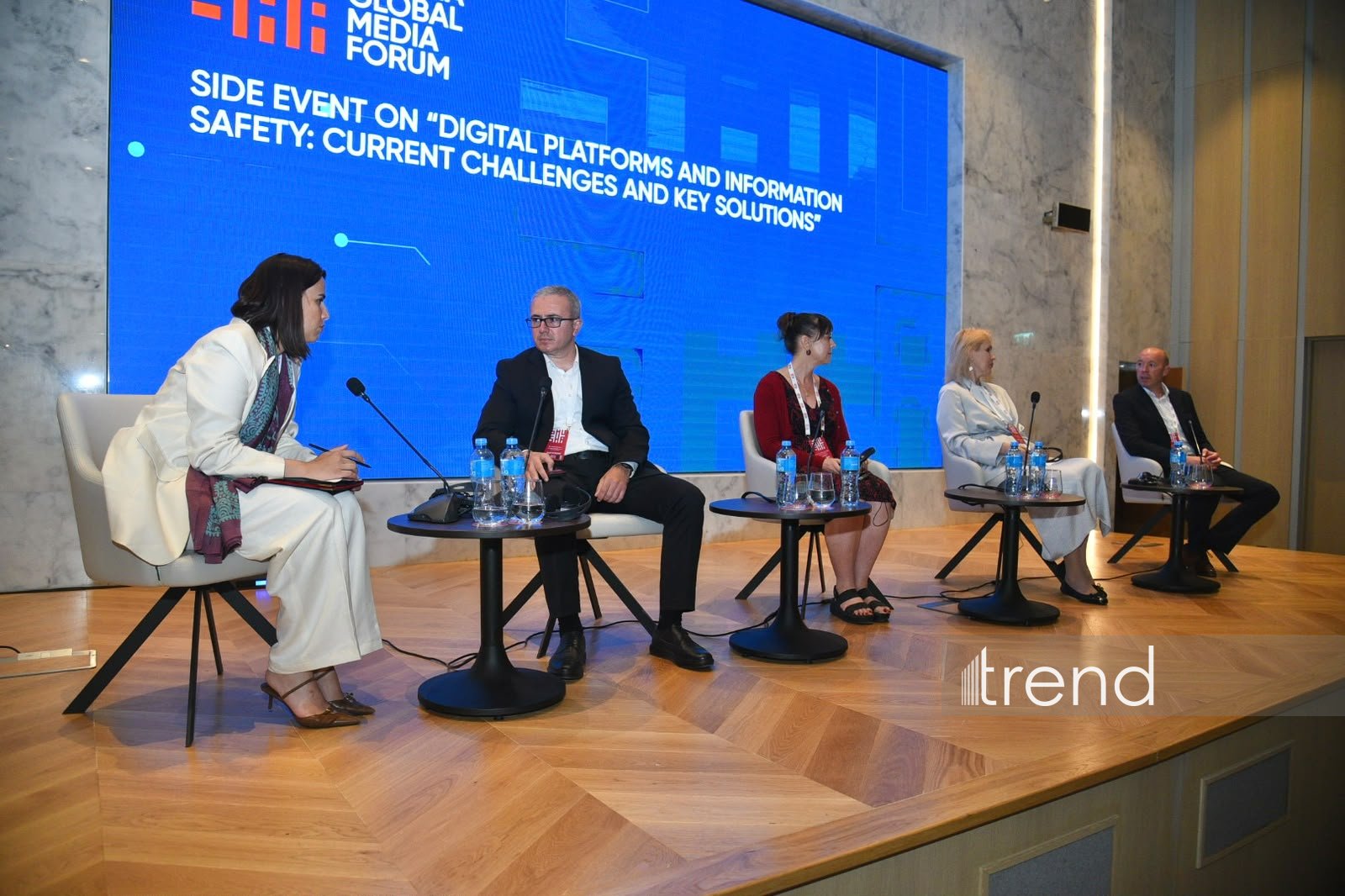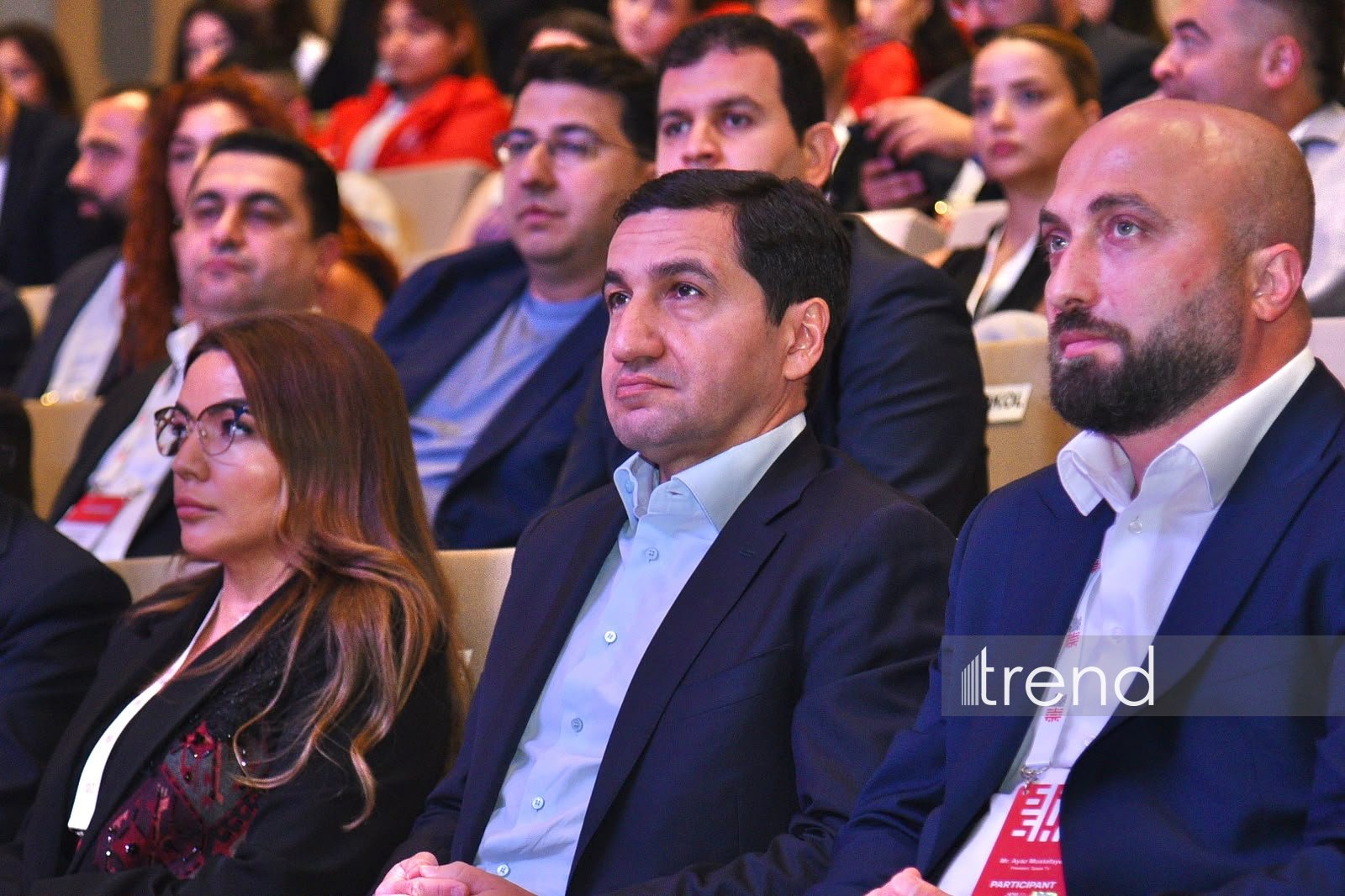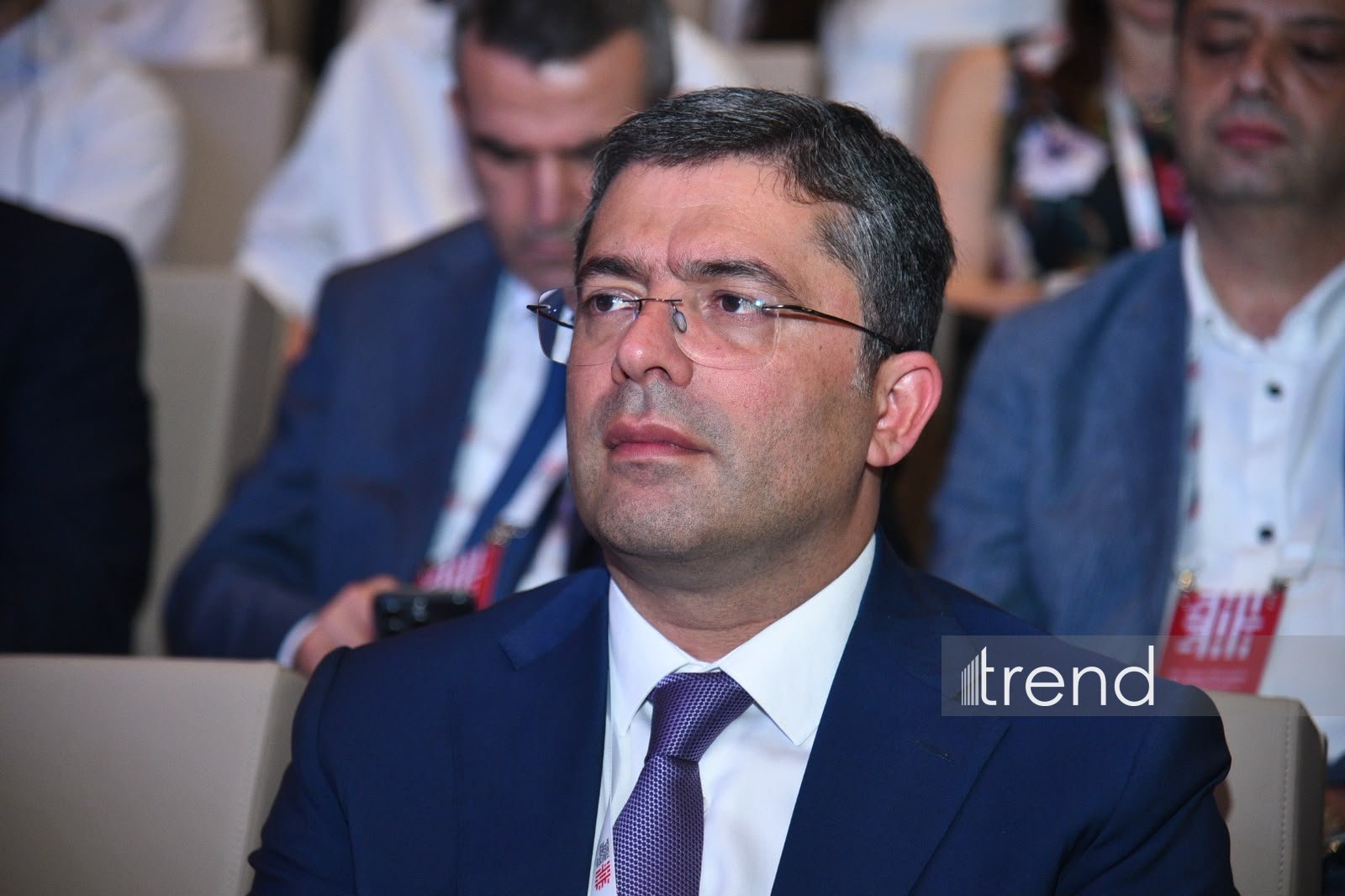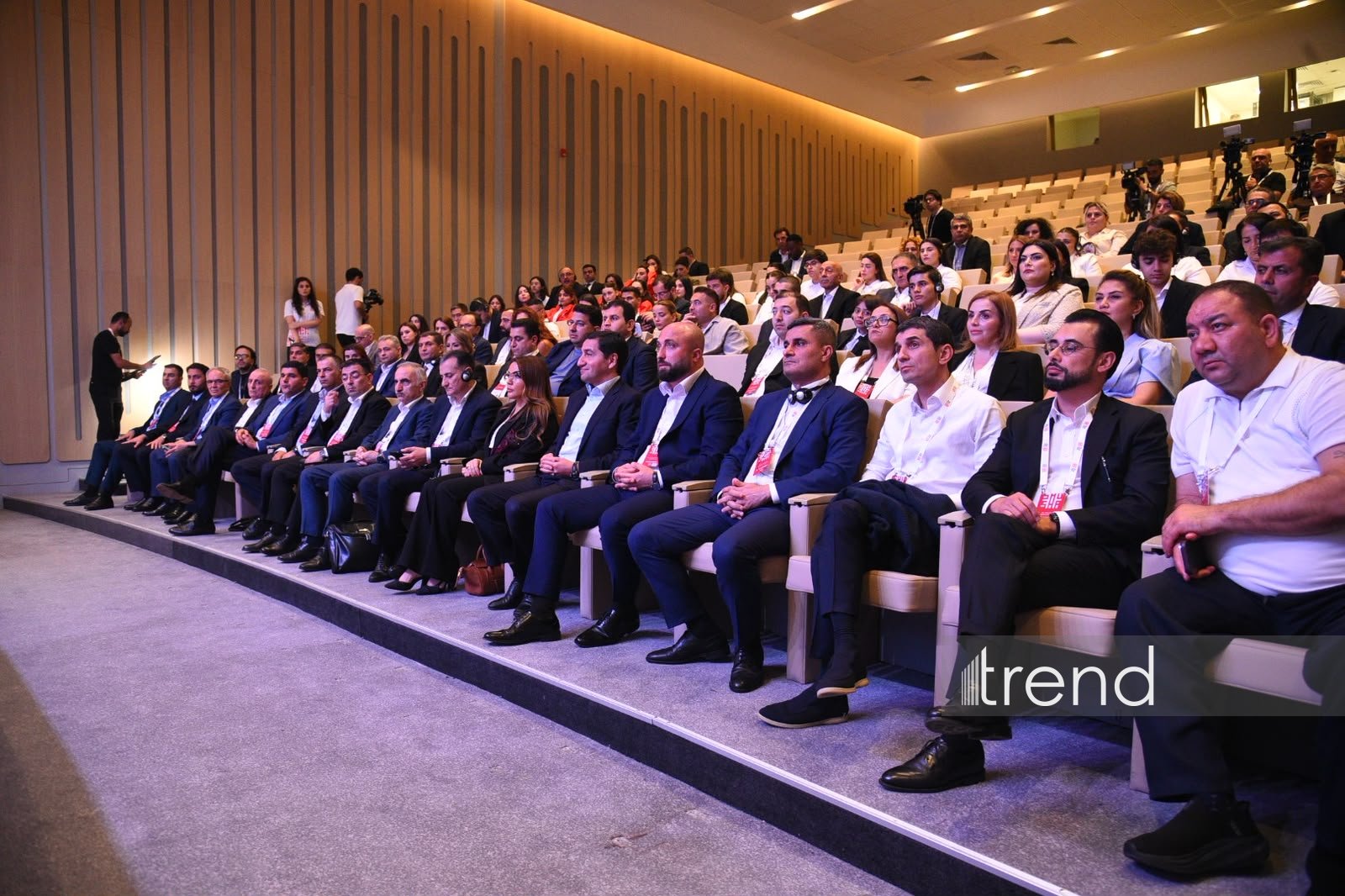
SHUSHA, Azerbaijan, July 13. As part of the 4th Shusha Global Media Forum, a panel discussion titled “Digital Platforms and Information Safety: Current Challenges and Key Solutions” took place, focusing on issues related to ensuring information security, countering disinformation, regulating digital platforms, and protecting children online, Trend’s special correspondent reports.
Panel participants were discussing the impact of artificial intelligence and deepfake technologies on the information space, challenges related to the spread of misinformation, issues of personal data protection, and international experience in creating a safe digital environment.
During the discussion, particular attention has been paid to improving mechanisms for regulating digital platforms, enhancing the public’s digital literacy, and developing cooperation between the government, the business sector, and civil society to ensure a safe digital space.
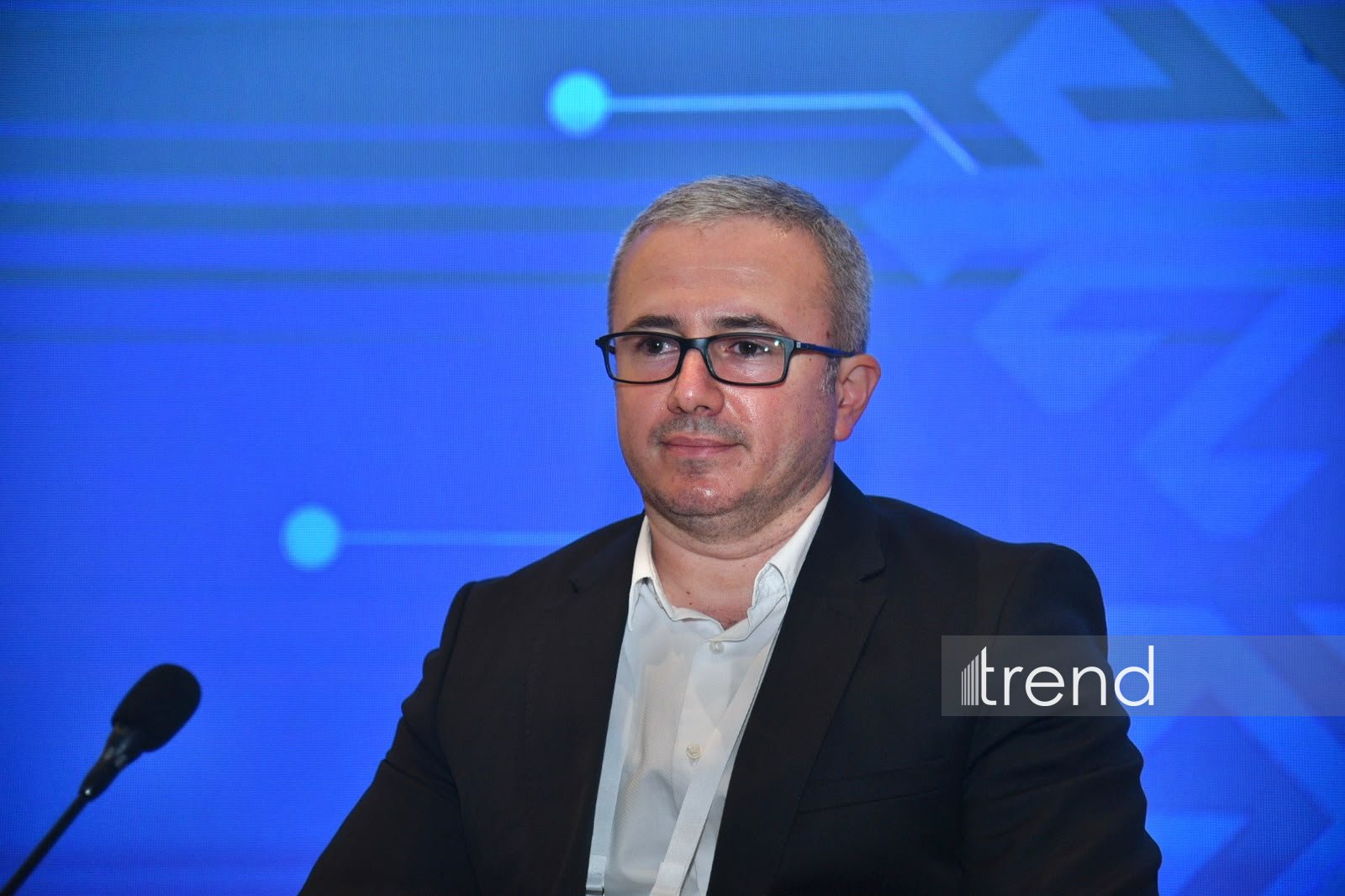
Speaking at the event, the representative of the Electronic Security Service (ESS) under Azerbaijan’s Ministry of Digital Development and Transport, Farid Zeynalov said that information security today is not only a technical issue but also a vital component of national security and social stability.
“Information security today is not just a technical issue; it is also a matter of national security for states and an important component of social stability and security,” he said.
According to Zeynalov, digital platforms are increasingly being used to manipulate information, shape public opinion, carry out cyberattacks, and disseminate content created using artificial intelligence and deepfake technologies.
The representative of the Security Council paid particular attention to the protection of children and adolescents, calling them one of the most vulnerable groups of digital users.
He noted that responsibility for their safety should rest not only with the state, but also with civil society, academia, and parents.
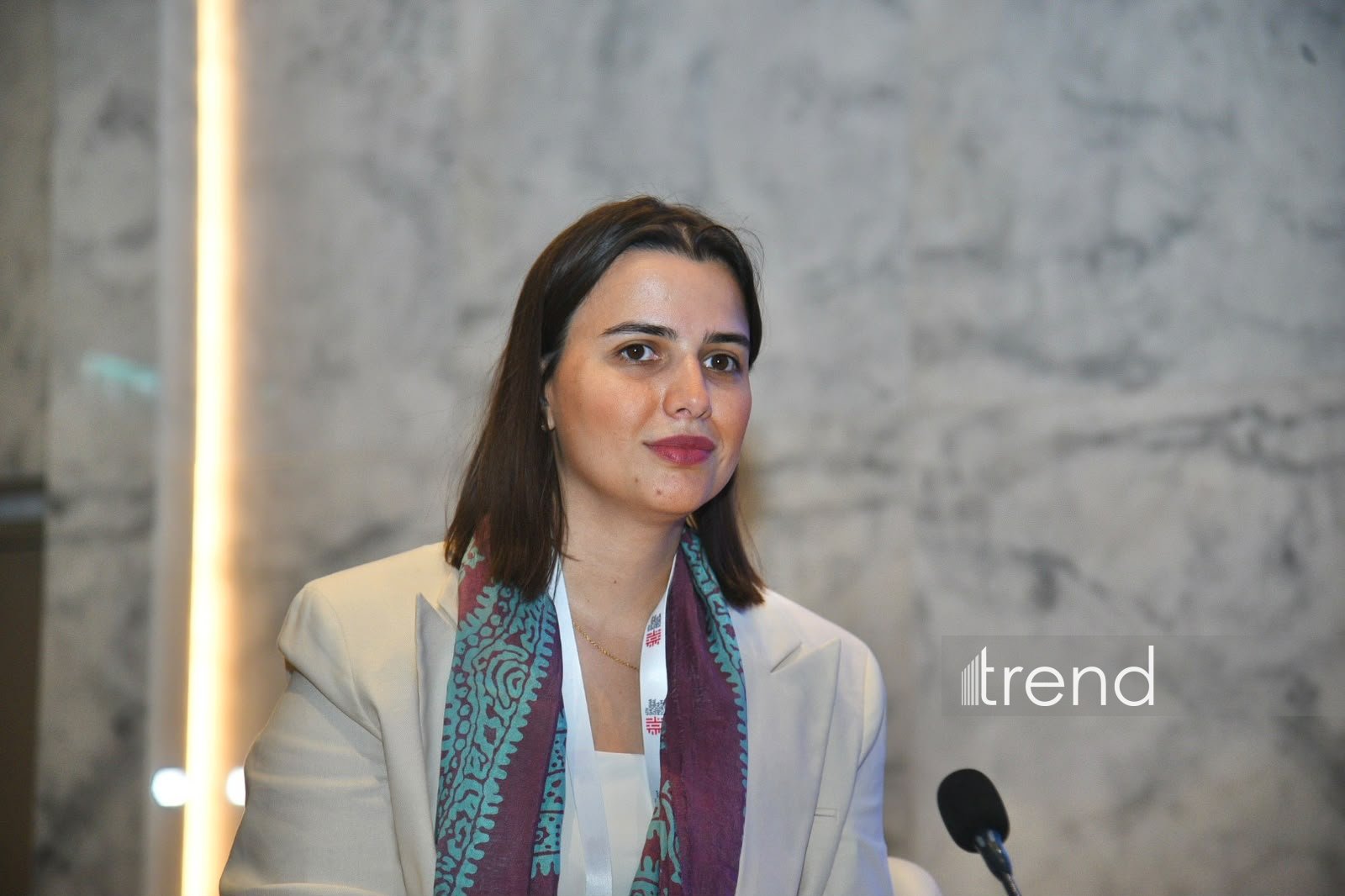
The co-founder and director of Dharana Digital, and researcher Karen Sutherland noted that development of AI and deepfake technologies could lead to users losing trust in any content published online.
“I think we’ll reach a point where we simply stop believing everything we see on the internet because we’ll no longer be able to distinguish truth from fiction,” she said.
According to Sutherland, artificial intelligence significantly simplifies the performance of many tasks and the analysis of large volumes of data, but at the same time creates new opportunities for fraudsters who use deepfakes, fake audio and video recordings, and other tools to deceive users.
She noted that combating these threats requires a joint effort by government agencies, digital platforms, and society. According to her, developing users’ digital literacy, verifying the accuracy of information, and implementing effective mechanisms for regulating content created using artificial intelligence are of particular importance.
Furthermore, Sutherland supported measures to restrict minors’ use of social media, citing Australia’s experience, but emphasized that bans alone are not enough. In her view, it is important to create conditions that will encourage face-to-face interaction among children and adolescents and reduce their dependence on digital technologies.
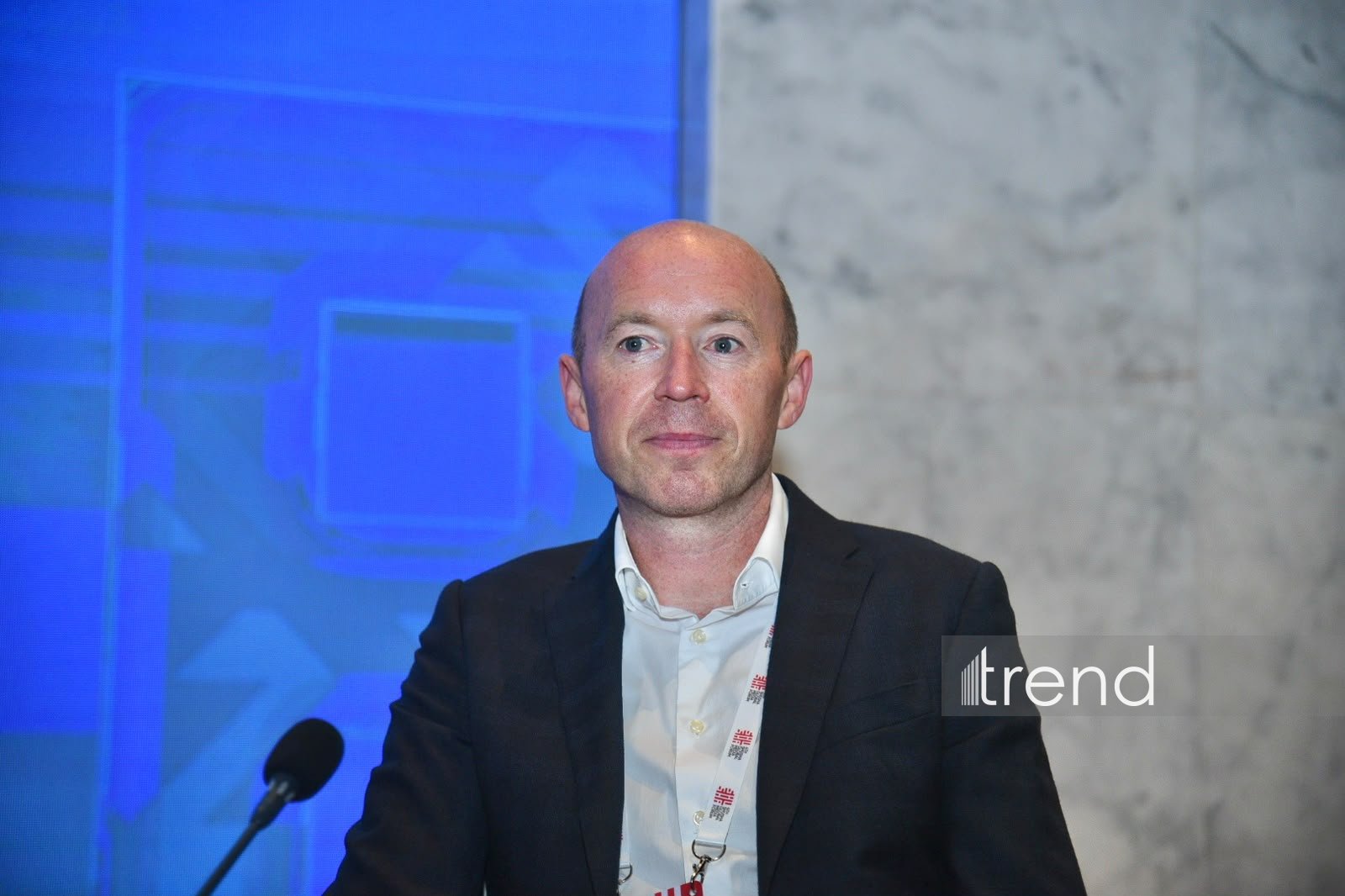
LinkedIn’s Head of Public Sector, Healthcare, and Nonprofit Sales for the EMEA & LATAM regions, Seamus Clancy highlighted that LinkedIn is collaborating with Azerbaijani government agencies on digital transformation, labor market development, and professional skills enhancement.
“We are actively working with many government agencies in Azerbaijan, using data to make decisions focused on specific results,” he said.
According to Clancy, LinkedIn data enables real-time analysis of the labor market, tracking of the most in-demand professions and skills, and assessment of trends in various economic sectors.
He noted that the platform is viewed not as a social network, but as a professional platform focused on job search, career development, training, and interaction with employers.
Furthermore, Clancy emphasized that ensuring user trust remains one of LinkedIn’s key principles. According to him, the platform places special emphasis on verifying the authenticity of accounts, protecting privacy, and promptly removing content that violates the rules.
Seamus Clancy also noted that effectively addressing the challenges associated with the development of artificial intelligence and digital platforms requires joint efforts by the government, the private sector, and society, as well as improving the population’s digital literacy.
TikTok’s Director of Public Policy and Government Relations for Eastern Europe, Diana Ryan said that user trust is the foundation of a safe digital environment that fosters creativity, learning, and communication.
“Safety isn’t just a feature of our platform. It’s the foundation that enables creativity, learning, and meaningful user interaction,” she said.
According to Ryan, more than 1 billion people worldwide use TikTok every day, and the platform’s audience in Azerbaijan exceeds 1 million users.
She noted that TikTok’s approach to safety is based on three key principles: enforcing strict community guidelines, providing users with tools to manage their digital experience, and promoting digital literacy.
Furthermore, Ryan emphasized that every piece of content posted on the platform is reviewed using artificial intelligence technologies and subsequently moderated by specialists. According to her, TikTok conducts moderation in more than 70 languages, including Azerbaijani, and regularly publishes reports on community guideline compliance, ensuring transparency in the platform’s operations.