
BAKU, Azerbaijan, July 23. As part of the 48th session of the UNESCO World Heritage Committee, held in Busan, Republic of Korea, the Republic of Azerbaijan presented a new international program aimed at supporting small island developing states (SIDS).
This was reported by the Permanent Delegation of the Republic of Azerbaijan to UNESCO.
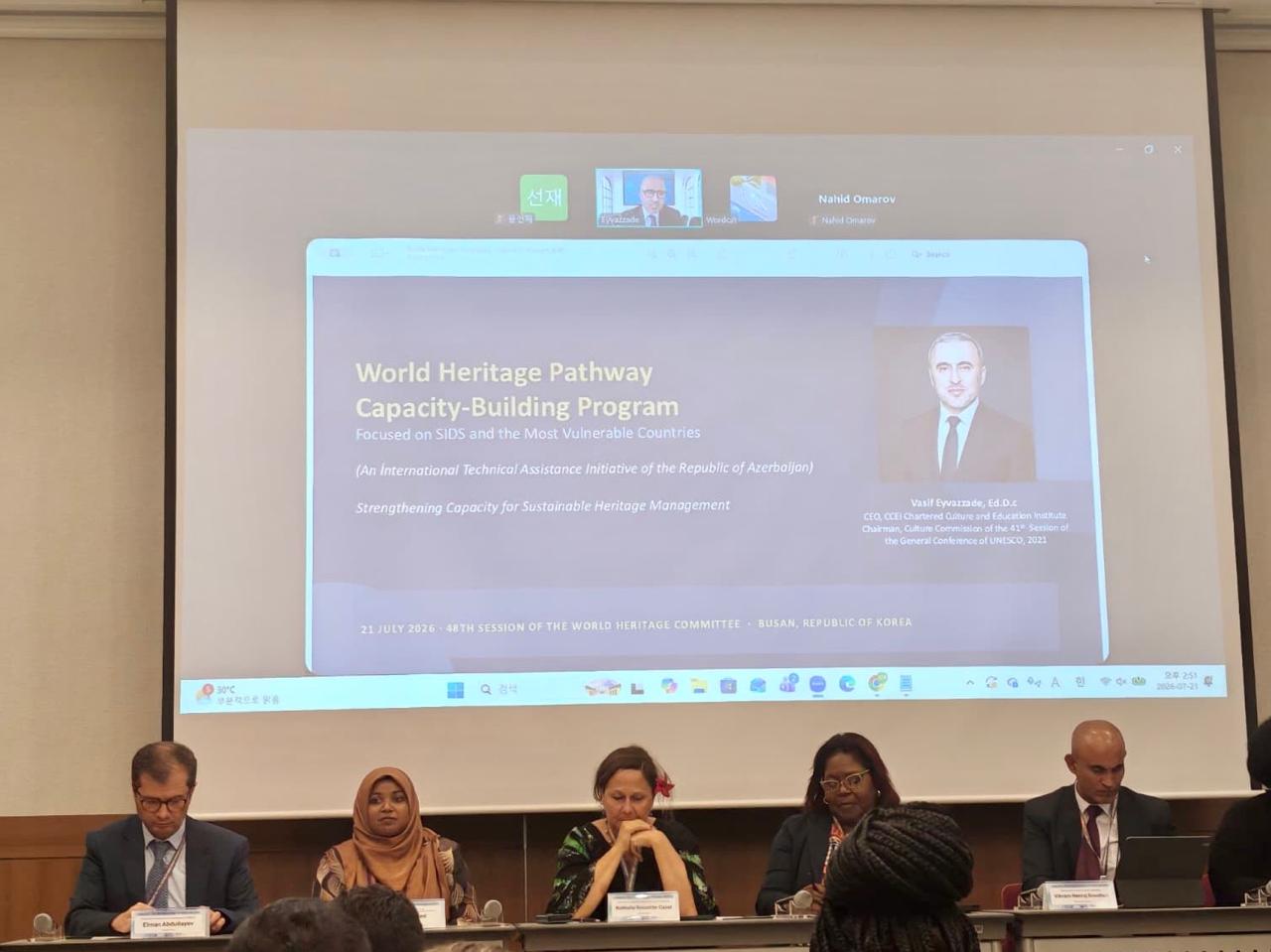
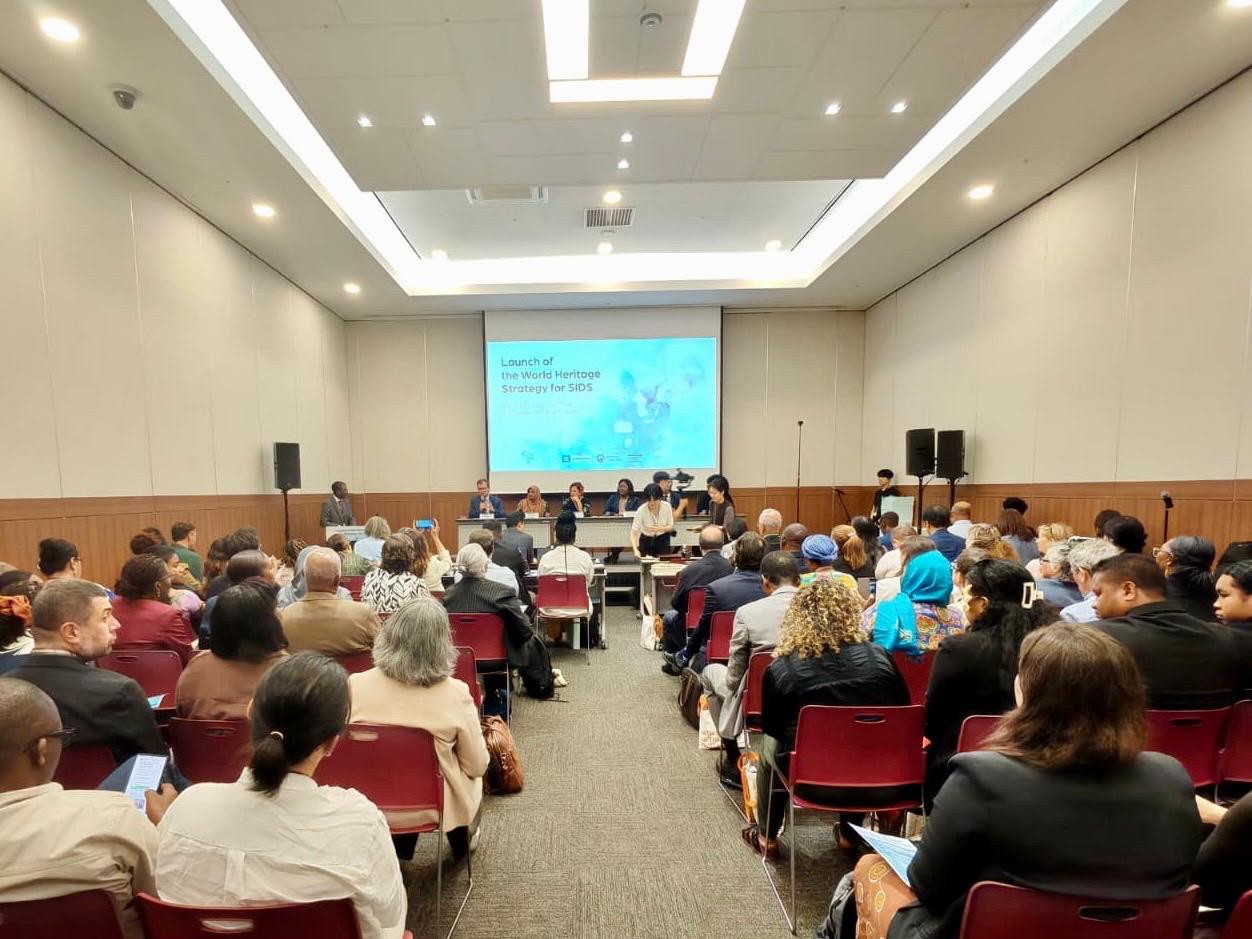
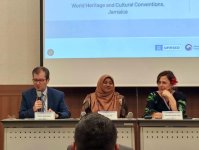
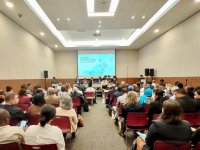
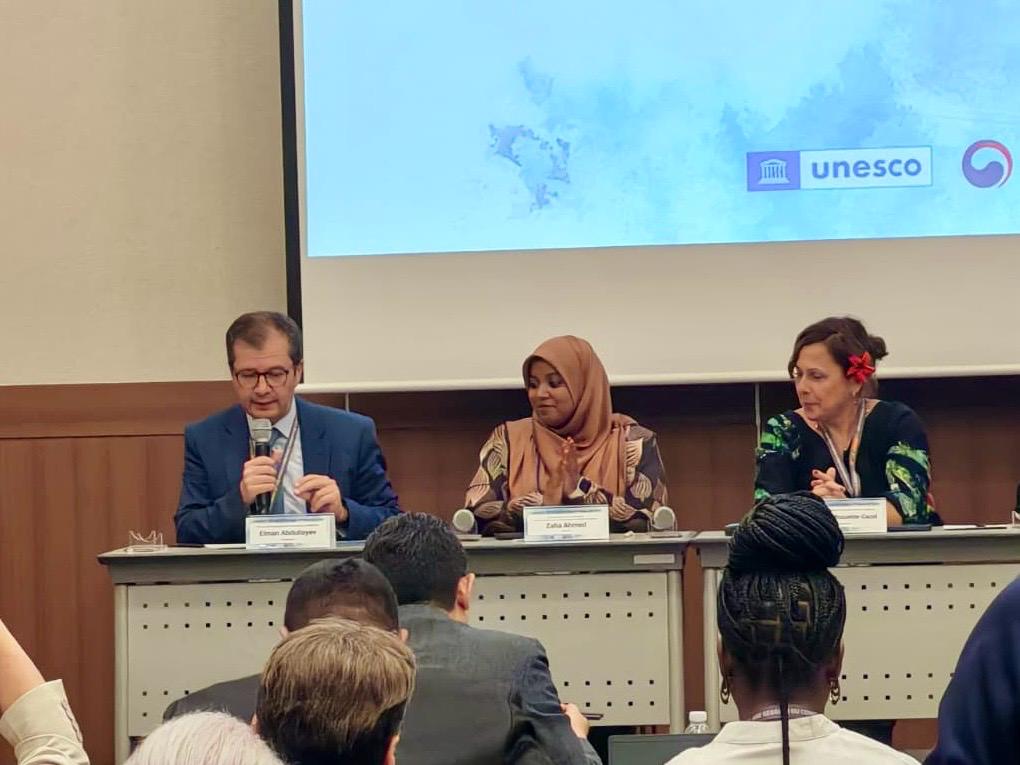
Meanwhile, it was noted that during a high-level event on the topic “World Heritage Strategy for SIDS,” organized by the World Heritage Center, the “Republic of Azerbaijan’s Initiative on International Technical Assistance for Capacity Building on the Path to World Heritage for Small Island Developing States (SIDS)” was announced.
The new initiative aims to strengthen the institutional capacity and professional skills of SIDS, and to provide expert and technical support for the inclusion of unique heritage sites in small island developing states on the UNESCO World Heritage List.
The program is being developed by the “Institute for the Certification of Culture and Education.”
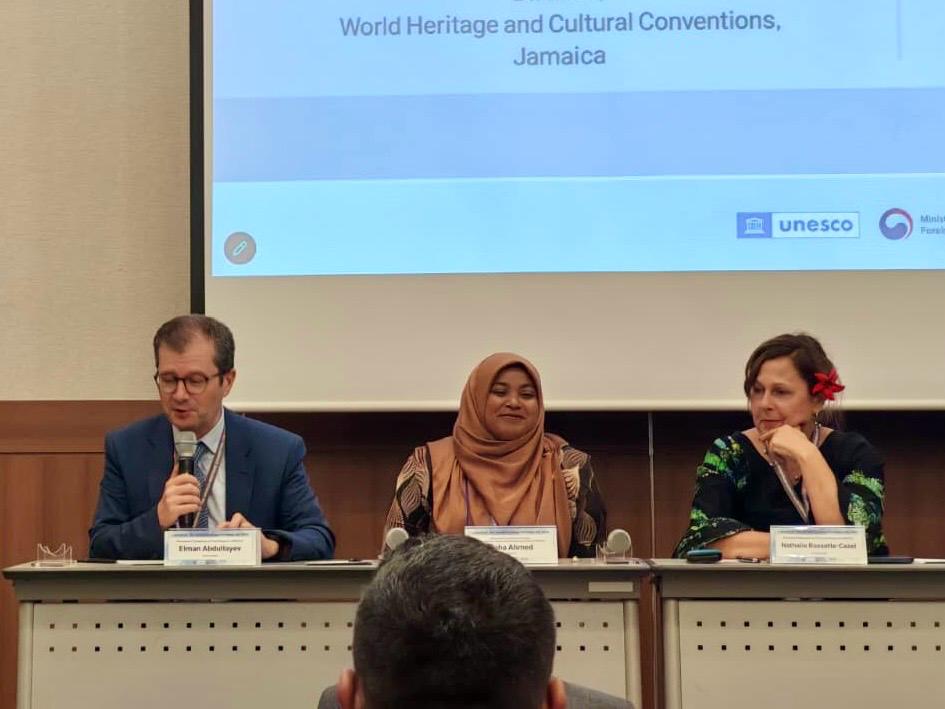
Speaking at the event, Elman Abdullayev, Permanent Representative of the Republic of Azerbaijan to UNESCO, stated that the program aims to make an additional contribution to the important work being carried out by UNESCO in this area, and provides support mechanisms designed to strengthen practical capacity to address the specific needs of small island developing states (SIDS), particularly the challenges related to climate change as they pertain to the protection of World Heritage sites. It was noted that the program will be implemented by professional experts recruited by the “Institute for Certification in Culture and Education,” who possess international experience in this field.
Speaking at the event, Lazare Eloundou, Director of the World Heritage Center, emphasized the importance of the program and expressed gratitude for Azerbaijan’s support of SIDS.
The event also highlighted that the initiative announced by Azerbaijan is viewed as an important step toward strengthening international solidarity, promoting the exchange of expertise in the protection of the world’s cultural and natural heritage, and building the capacity of the SIDS and other vulnerable countries.