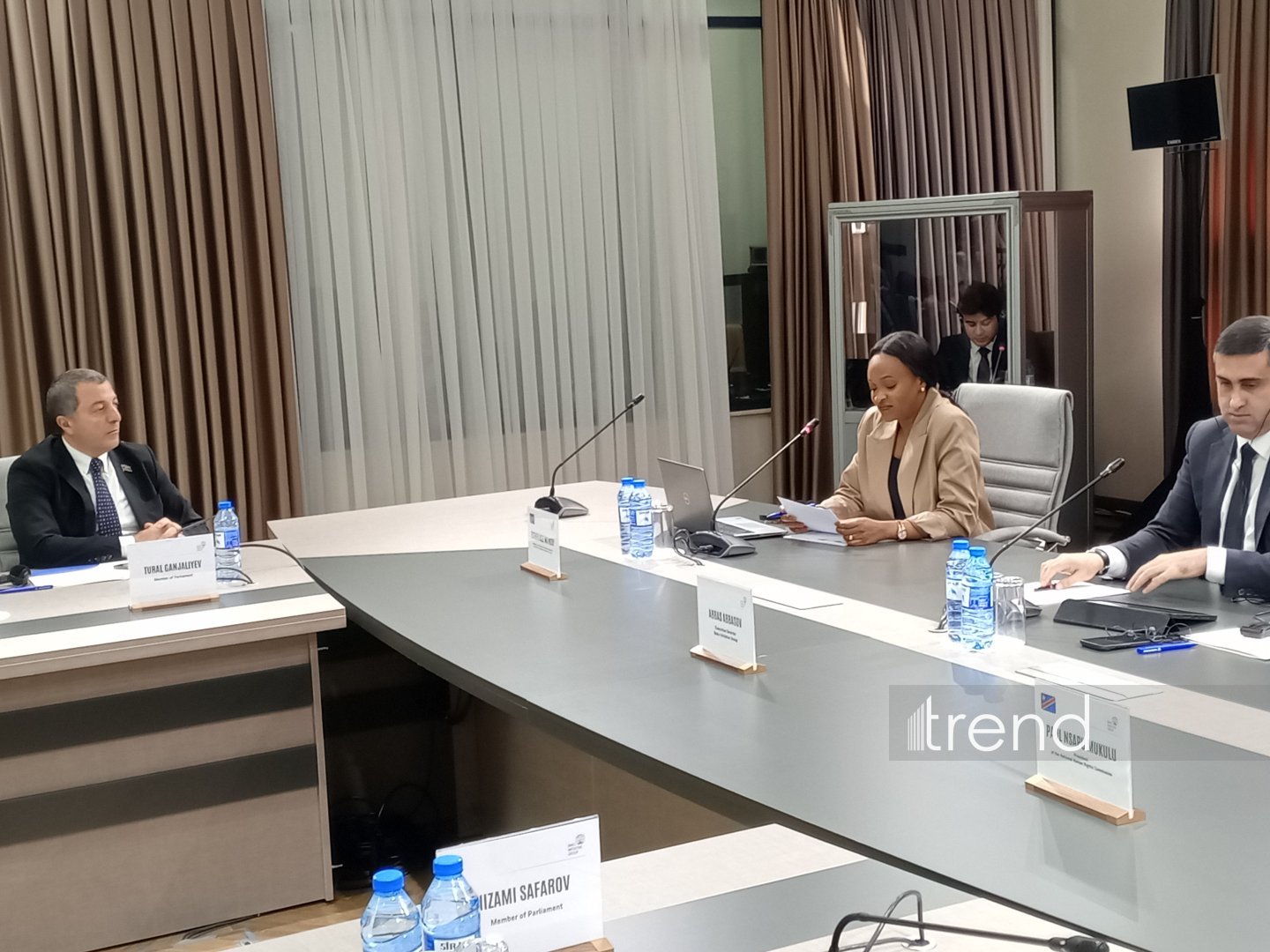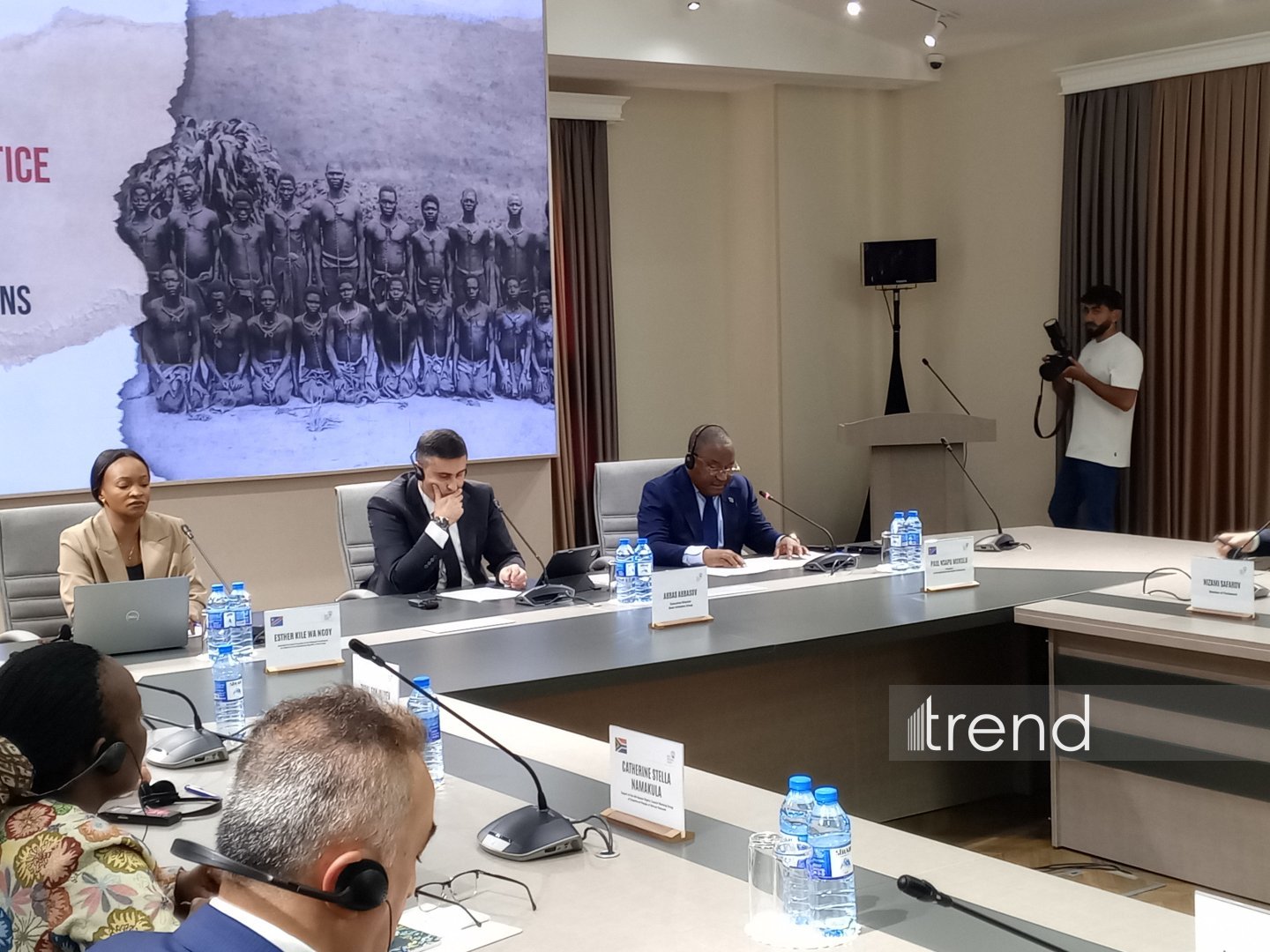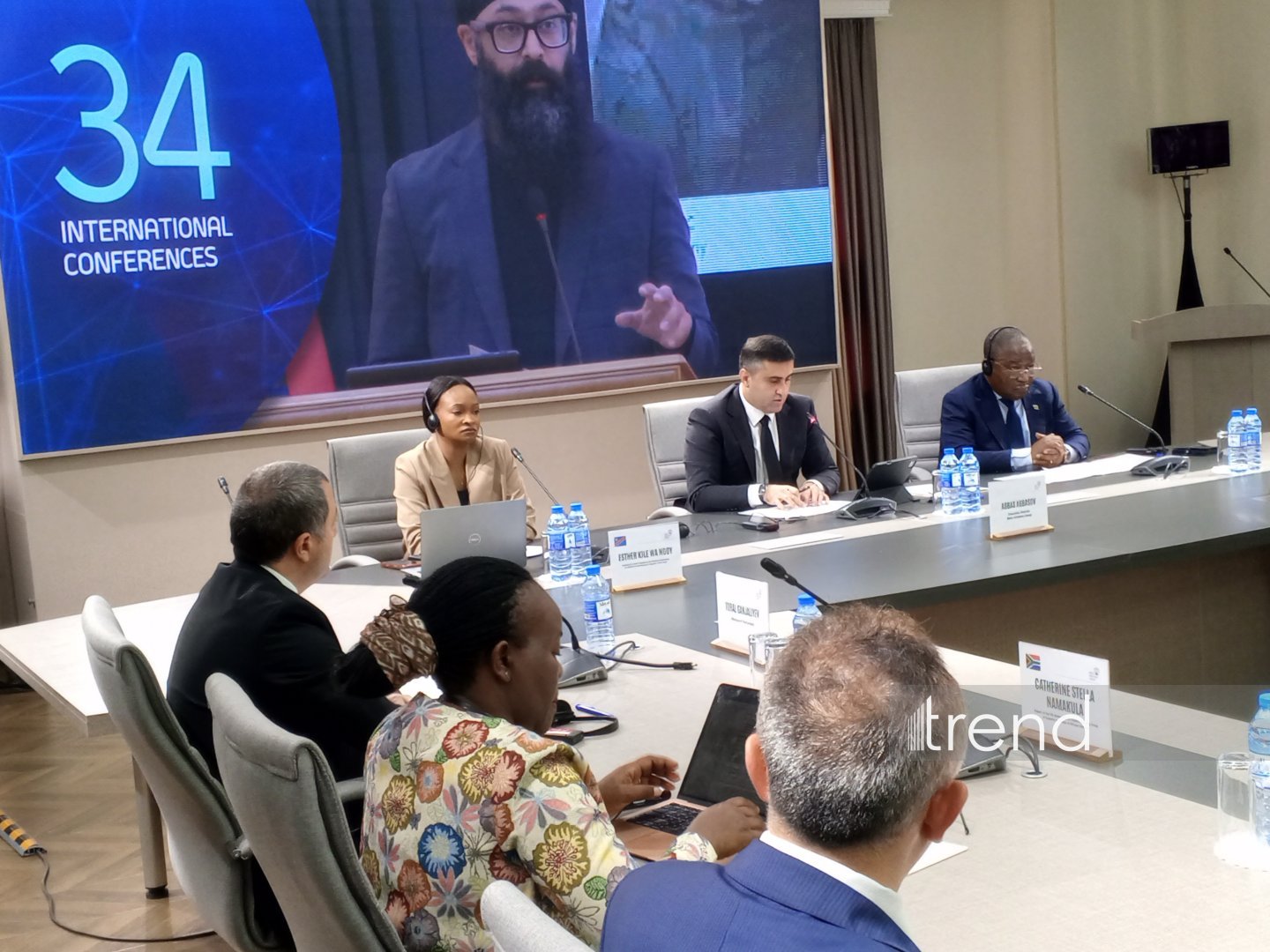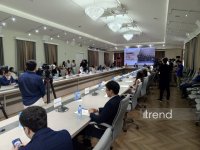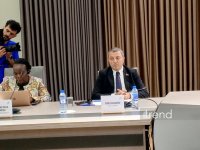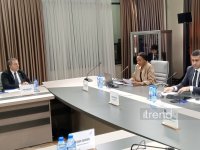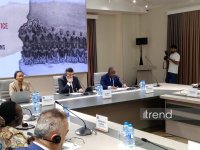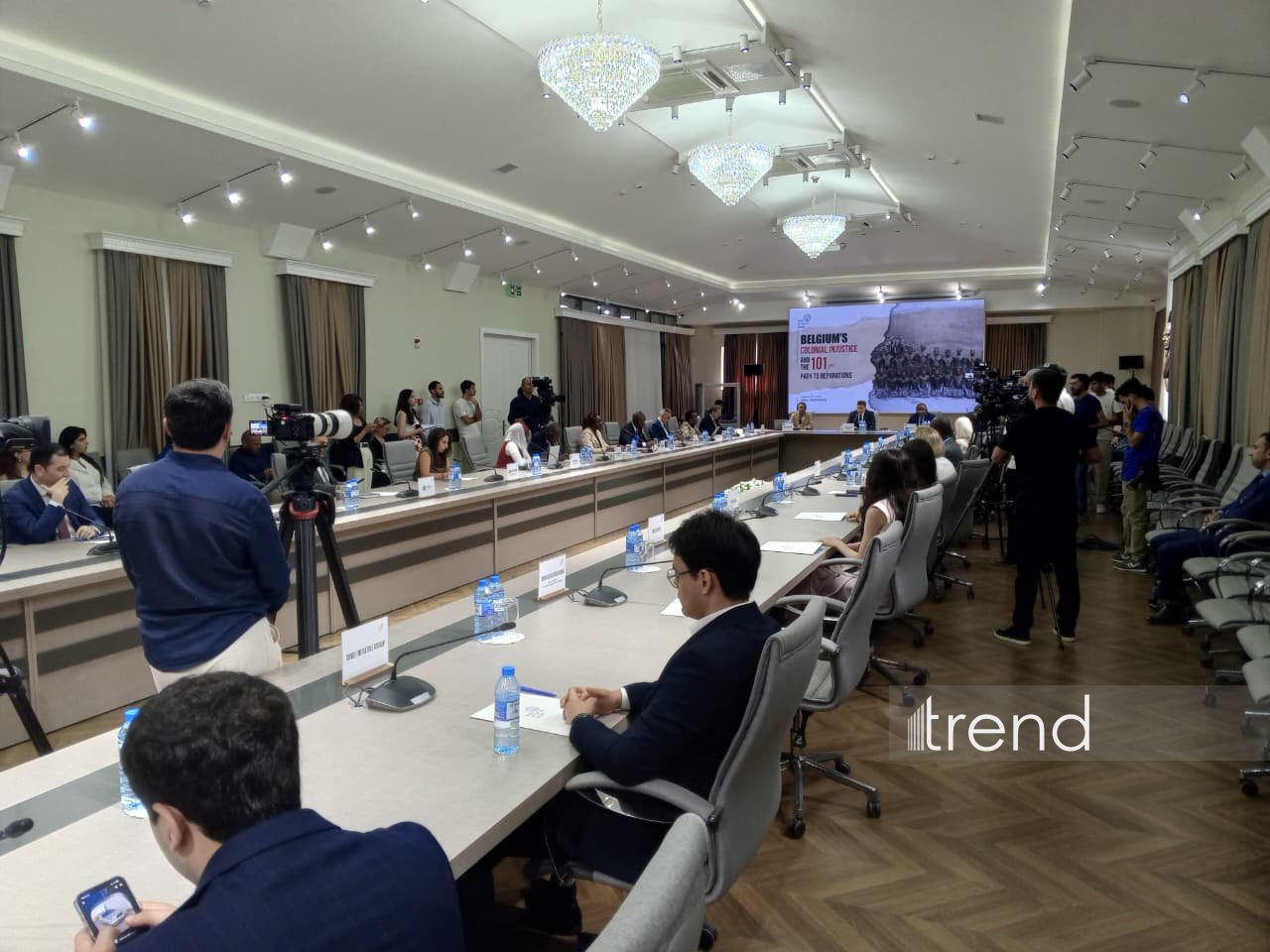
BAKU, Azerbaijan, August 21. An international conference on the topic ‘Belgium's colonial injustice and 101-year path to reparations’ took place in Baku at the initiative of the Baku Initiative Group (BIG), Trend's correspondent reports from the event.
The event was attended by officials from the Democratic Republic of the Congo (DRC), Rwanda, and Burundi, former Belgian colonies where, as the organizers note, Belgium continues to exert neocolonial influence, as well as representatives from Morocco and the Republic of South Africa (RSA). UN representatives are also participating in the conference.
Among the participants were the DRC’s ombudsman, members of the Congolese parliament, Rwanda’s ambassador to Türkiye, diplomats, and UN experts.
In addition, the conference was attended by experts in international law, historical justice, and reparations, as well as researchers, human rights defenders, and other specialists.
Conference participants were discussing the promotion, within the UN agenda, including that of the UN Human Rights Council, of the issue of Belgium issuing an official apology and paying compensation for crimes committed during the colonial period against the peoples of the DRC, Rwanda, and Burundi.
Particular attention was paid to the development of a binding international mechanism to monitor Belgium’s compliance with its obligations regarding reparations and restitution in accordance with the principles enshrined in UN General Assembly Resolution 60/147.
In addition, the conference focused on ensuring full and unimpeded access to Belgian colonial archives, involving specialists from former colonial territories in the relevant processes on an equal footing with international experts, and returning human remains and other historical materials to their countries of origin.
Speaking at the event Abbas Abbasov, executive director of the Baku Initiative Group said that reparations for the consequences of Belgian colonial policy in the Congo, Rwanda, and Burundi should be aimed not only at compensating for the damage caused, but also at addressing the long-term consequences of colonialism.
According to him, reparations should not be limited solely to financial compensation for the suffering caused by colonial policies. They should also be aimed at addressing the long-term consequences of colonialism and resolving the problems that continue to affect these countries. Abbasov emphasized that these reparations can help the peoples of the Congo, Rwanda, and Burundi overcome the consequences of their colonial past and create conditions for the formation of stronger and more prosperous states.
“No amount of compensation or reparations can bring back the people who died as a result of Belgian colonial policies in the Congo, Rwanda, and Burundi in the 20th century,” he said.
In addition, it was emphasized that the most important outcome of reparations should be the creation of conditions that allow these countries to move forward with dignity and build a better future on an equal footing with other nations of the world.
“Today at the conference, we will have the opportunity to discuss the final part of the roadmap for ensuring colonial reparations, which could be a significant outcome of today’s event,” Abbasov added.
Paul Nsapu Mukulu, Chair of the National Human Rights Commission of the Democratic Republic of the Congo, called for the return of human remains and other historical materials to their countries of origin.
He noted that the issue of Belgian colonialism extends far beyond the realm of history and touches on matters of justice, human dignity, and fundamental rights.
According to him, today holds special historical significance as it marks the 101st anniversary of the events of August 21, 1925, related to the administrative merger of Rwanda and the Congo with the Belgian Congo. This step became an important milestone in the formation of the administrative system governing the Belgian colonies.
“On this 101st anniversary, we seek to draw attention to the need for the equal participation of specialists from former colonial territories in these processes alongside international experts, as well as to the issue of returning human remains and other historical materials to their countries of origin,” Mukulu noted.
Furthermore, he expressed hope for a substantive discussion of the issues raised.
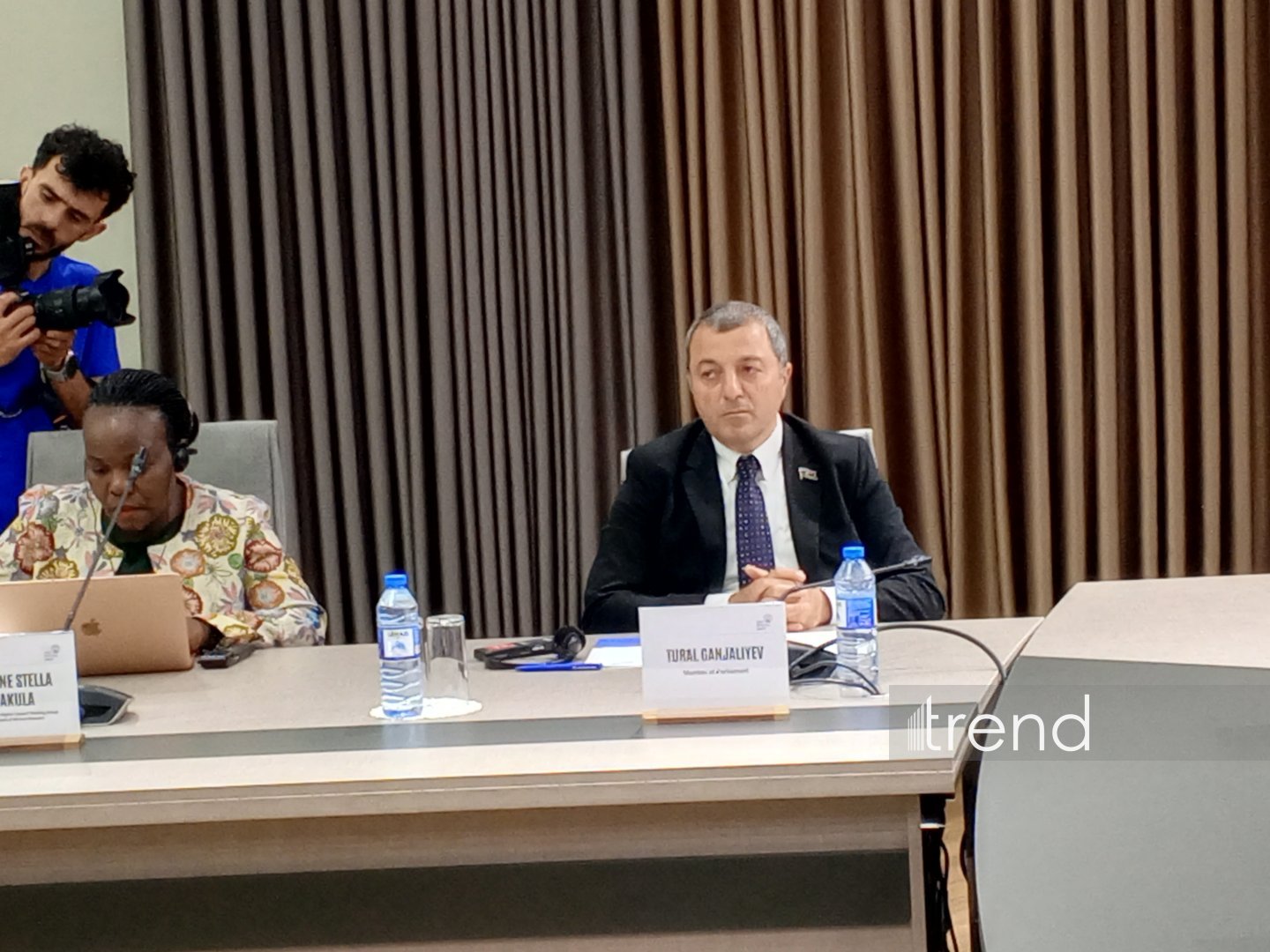
Meanwhile, Azerbaijani MP Tural Ganjaliyev said that Belgian colonial policy in Central Africa has had profound consequences that are still felt today and, therefore, acknowledging historical injustices is a necessary prerequisite for building a more just future.
He noted that Belgium’s more than century-long colonial rule in Central Africa, including the Democratic Republic of the Congo, Rwanda and Burundi, left lasting consequences, including systematic economic exploitation, widespread violence, and the destruction of local societies and institutions. “Recognizing the past is a necessary condition for building a more just future,” Ganjaliyev said.
According to him, these historical facts are not a matter of opinion, but are documented and recognized by numerous researchers, legal experts and international institutions. “These facts are not a matter of opinion. They are documented history, recognized by numerous researchers, legal experts and international institutions,” he noted.
Furthermore, Ganjaliyev stressed that the discussion should now focus not on whether historical injustice took place, but on how the international community, the states concerned and Belgium itself can move toward its full recognition and concrete reparations. “This includes such forms of redress as restitution, compensation and guarantees of non-recurrence,” the MP said.
The MP noted that the Baku conference brought together representatives of the Democratic Republic of the Congo, Rwanda, Burundi, Morocco and South Africa, along with various African perspectives united by a common call for historical justice.
in addition, Ganjaliyev emphasized the importance of conducting a historical and legal assessment of Belgium’s colonial period and discussing concrete legal mechanisms that could pave the way for reparations.
Esther Kile Wa Ngoy, Youth Program Assistant at the National Commission of the Democratic Republic of the Congo for UNESCO, highlighted that modern society must be stronger, fairer and capable of telling its own story.
She noted that education, professional development and youth participation are essential for strengthening human potential, preserving human dignity and building a more open and democratic society. “We must build a society that is stronger, fairer and capable of telling its own story,” she said.
According to Kile Wa Ngoy, particular attention should be paid to developing human potential and protecting human dignity within the framework of national and international law. “Speaking about the importance of professional development, education and participation, I would like to focus on the human spirit, which is one of the fundamental principles of science,” she said.
She reiterated the importance of investing in human potential and safeguarding human dignity under national and international law.
Kile Wa Ngoy emphasized that the present should serve as a foundation for preparing for the future and building a democratic society. “We can make better use of the present as a means of preparing for and building democracy, so that our societies can become more open, free and democratic,” she said.
She also stressed the need to protect human dignity and the rule of law, noting that the modern world is going through a period of crisis.