


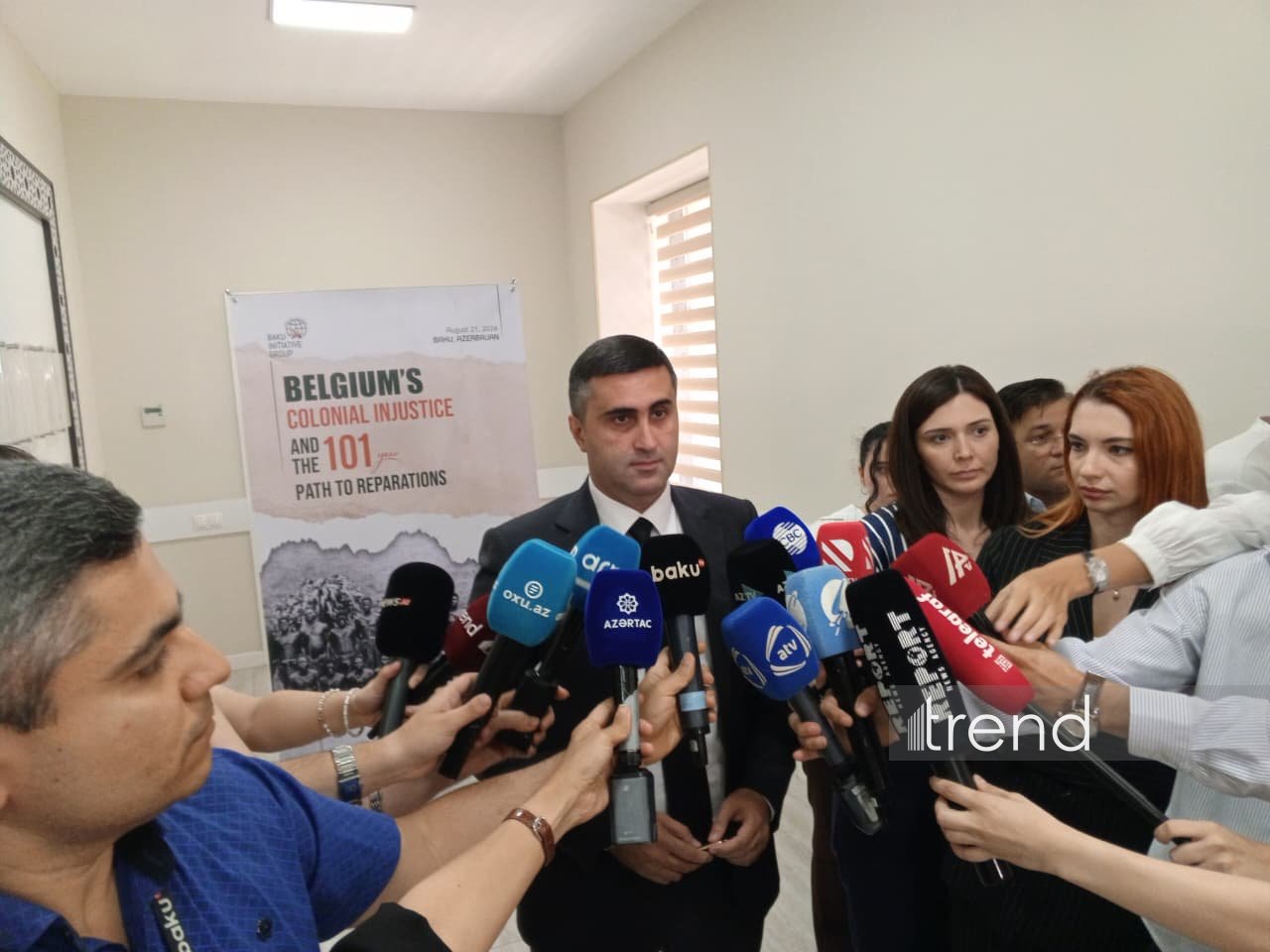
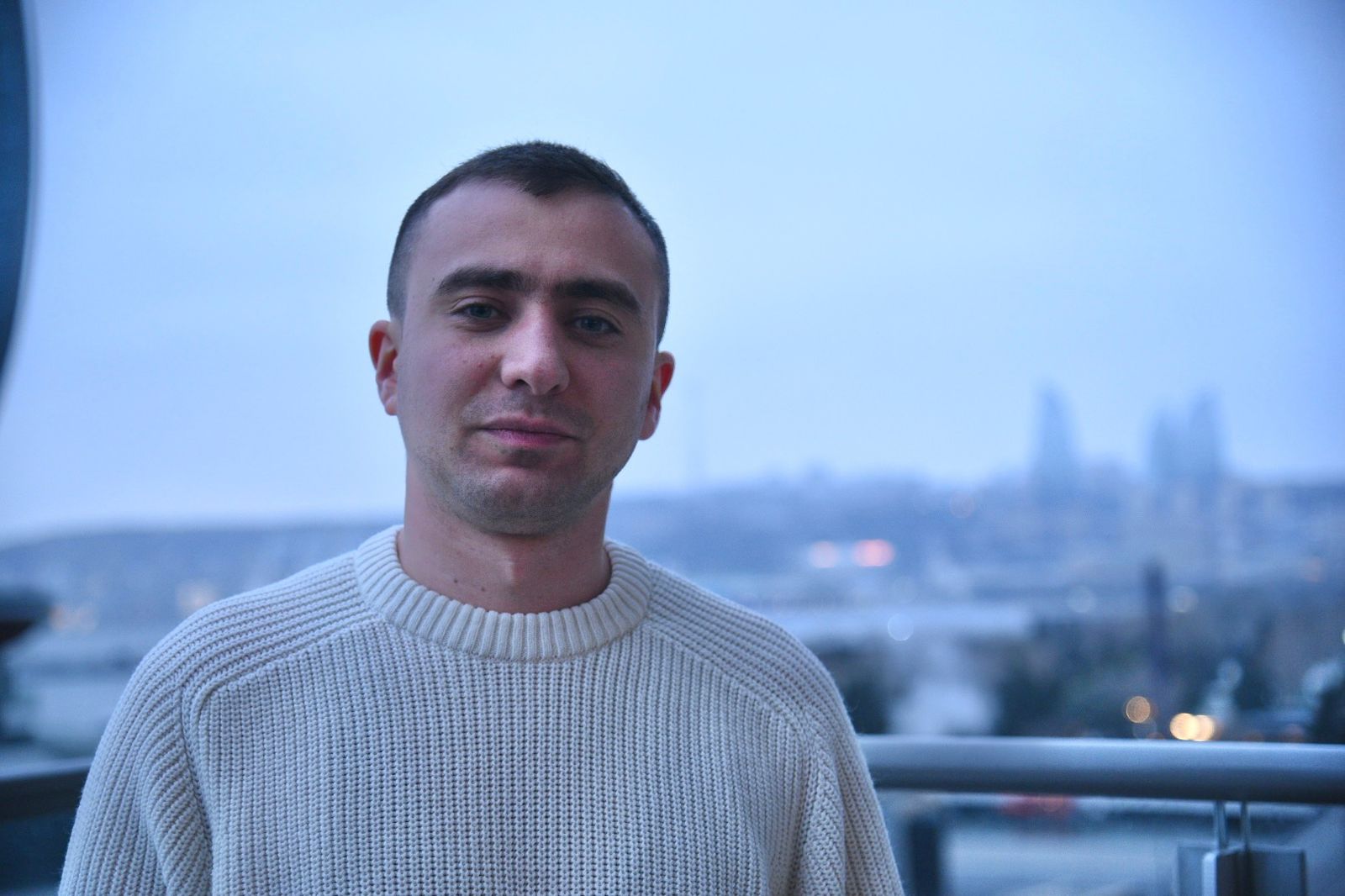
BAKU, Azerbaijan, August 21. Belgium must apologize to the countries of Central Africa at the state level, said, Abbas Abbasov, executive director of the Baku Initiative Group, Trend’s correspondent reports from the event.
Abbasov made the statement to reporters at an international conference on “Belgium’s colonial injustice and 101-year path to reparations.”
According to the Abbasov, Central African countries have been waiting for many years for Belgium to take concrete steps regarding reparations.
“I think certain steps must be taken here at a specific legal level, within the framework of international law. The most important step should be for Belgium to apologize to the countries of Central Africa — the Democratic Republic of the Congo, Rwanda, and Burundi — at the state level,” Abbasov said.
He said that the next step should be to determine the amount of financial compensation, and that these funds should be paid to the Central African nations in installments.
Furthermore, Abbas Abbasov noted that one of the key issues is that Belgium must not interfere in the internal political processes of these countries. At the same time, it is necessary to reach an appropriate legal agreement to prevent the recurrence of colonial crimes.
Touching on the topic of efforts to place the issue of reparations on the agenda of international organizations, Abbasov noted that the Baku Initiative Group has already held two international conferences on this topic and is conducting extensive research.
"Naturally, this issue has been brought to the attention of both the UN and other international organizations. Unfortunately, however, Belgium has skillfully prevented this issue from being brought to the attention of the general public. The Baku Initiative Group will present alternative reports to bring this issue onto the agenda of international organizations and will continue to organize such international events on various international platforms,” he emphasized.
A. Abbasov also noted the importance of joint efforts by government agencies and civil society institutions in the reparations process.
According to him, this issue should be raised not only by government representatives at international forums but also by civil society institutions, which must actively work toward this goal at the UN and other international platforms.



