


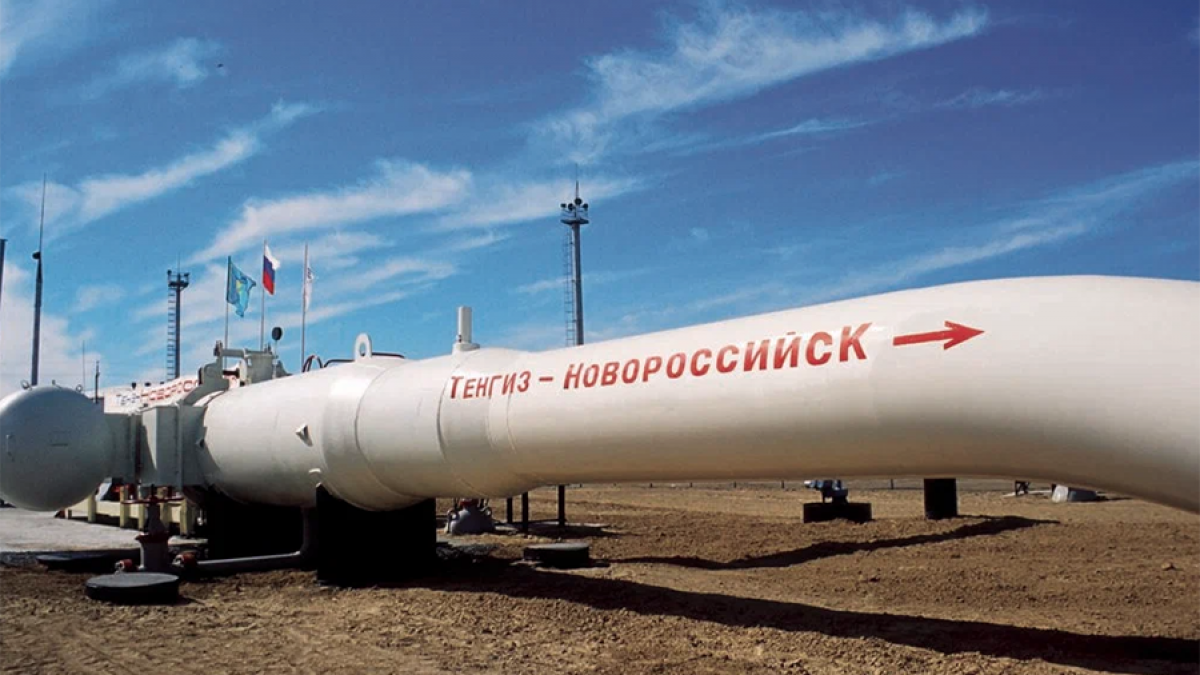

BAKU, Azerbaijan, June 6. Kazakhstan is preparing to expand and modernize its oil pipeline network in the coming years, with both state-owned and international investors expected to participate, according to an outlook by Teniz Capital Investment Banking, Trend reports.
The projects aim to increase export capacity and upgrade existing infrastructure. National oil companies such as KazMunayGas and its subsidiary KazTransOil are expected to finance repairs and internal optimizations using their own funds or by issuing bonds in tenge or euros.
China’s CNPC, a long-standing partner in Kazakhstan’s eastern export corridor, is likely to play a key role in financing the expansion of the Kazakhstan-China pipeline (KCP) and may provide credit for a potential new cross-border section connecting with Russia. Chinese state-owned banks such as China Development Bank and Eximbank are also expected to support such projects, especially those aligned with the Belt and Road Initiative.
Russian stakeholders, including Transneft and the Russian government, could become involved if a new bypass pipeline is approved. In that case, co-financing through joint ventures with Kazakh operators like KazTransOil is a possible scenario.
International oil companies with existing stakes in Kazakhstan, such as Chevron, ExxonMobil, and Total, may contribute through reinvestment of earnings from the Caspian Pipeline Consortium (CPC). If new export routes, like the proposed Trans-Caspian pipeline, move forward, these companies could serve as sponsors, particularly if a favorable political environment emerges.
Multilateral financial institutions, including the European Bank for Reconstruction and Development (EBRD), may also participate selectively. While traditional oil transit infrastructure poses challenges under ESG criteria, projects presented under the framework of European energy security may still attract international financing.
Despite market and geopolitical uncertainties, Teniz Capital expects continued investment in Kazakhstan’s transit infrastructure, reinforcing the country’s position as a key energy hub in the region.



