



BAKU, Azerbaijan, July 20. Kazakhstan and Georgia have agreed to launch an electronic permit exchange system for international road freight transport as part of efforts to improve coordination along the Middle Corridor.
This was reflected in the statement of the Ministry of Transport of Kazakhstan.
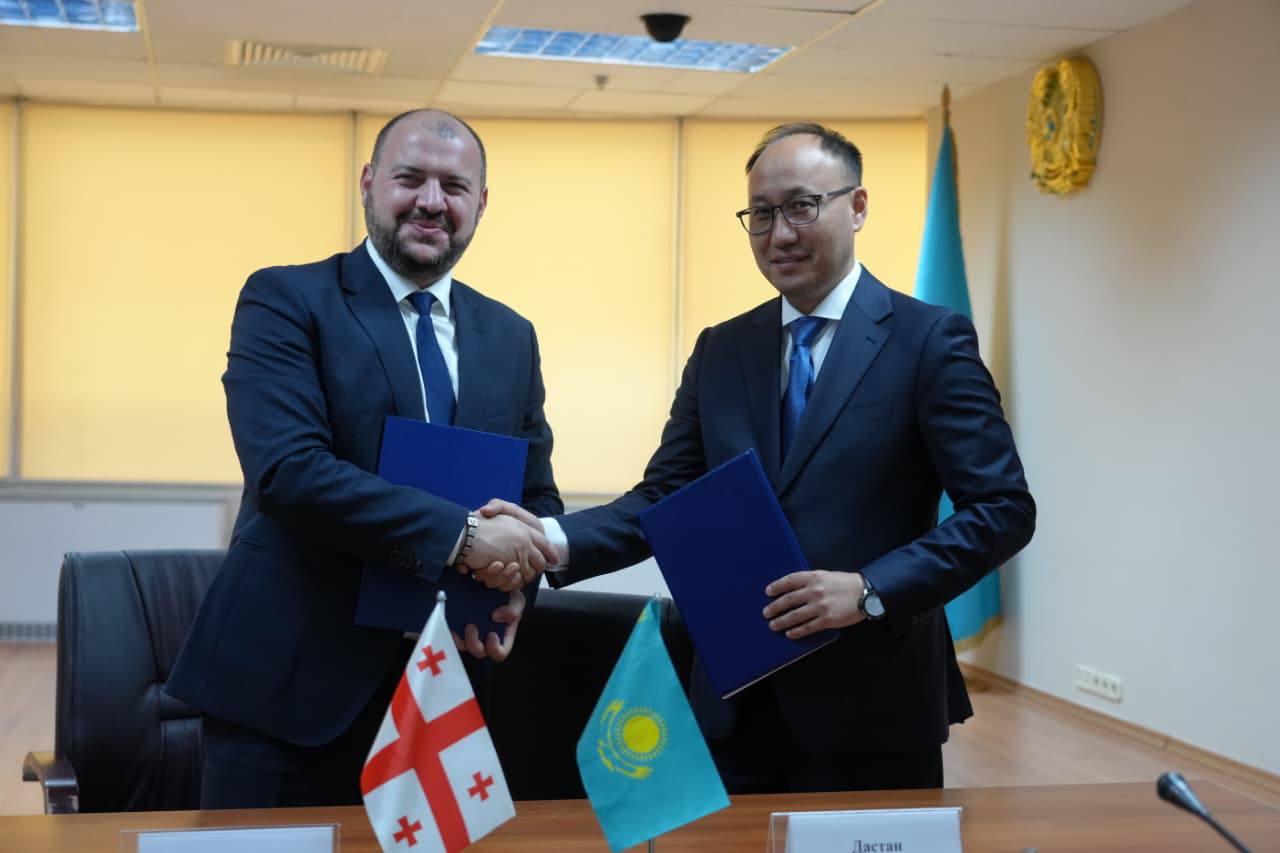
The decision was made during a meeting of the Joint Kazakhstan-Georgia Commission on International Road Transport held in Astana.
According to the commission, the digital “e-Permit” platform will begin testing on July 22, 2026. The system is expected to allow carriers from both countries to submit and verify transport permits electronically, replacing the current paper-based procedures.
The sides also discussed the future expansion of permit quotas for freight transportation. Following the transition of the electronic exchange system to full operation, Kazakhstan and Georgia plan to move toward an unlimited permit regime for bilateral road transport.
To meet current demand before the digital platform becomes fully operational, the commission approved the allocation of an additional 6,000 paper permits for the remainder of 2026.
"Furthermore, the preliminary permit quota for 2027 was agreed at 20,500 units, an increase of 6,000 compared to the previous period. This increase will create additional opportunities to meet demand for international road transport and develop trade and economic ties between Kazakhstan and Georgia," the statement reads.
The expansion of transport documentation capacity is linked to growing freight flows along the Middle Corridor, which connects China with European markets through Central Asia and the South Caucasus.
Following the meeting, the two countries agreed to establish a joint technical monitoring group to oversee the launch of the electronic platform and coordinate data exchange between relevant transport and customs authorities.



