



BAKU, Azerbaijan, August 3. During the 13th session of the World Urban Forum (WUF13), held in Baku in May 2026, global consulting firm Boston Consulting Group (BCG) presented the fourth edition of its flagship study Built to Change: Cities of Choice 4.0, which examines how modern cities compete for human capital and investment.
The study is one of the most comprehensive comparative assessments of urban environments, covering 80 cities worldwide. The analysis is based on more than 5 million observations and over 200 indicators. Of the overall assessment, 80% is based on objective statistical data, while the remaining 20% comes from a survey of 24,000 residents.
The 80 cities included in the ranking were divided into five global socio-economic groups based on GDP per capita and population size: Established Powerhouses, Emerging Megacities, Established Global Hubs, Prosperous Middleweights, and Emerging Middleweights.
Baku entered the Cities of Choice ranking for the first time. Alongside Tashkent, Almaty, and Astana, the Azerbaijani capital was included in the Emerging Middleweights category, demonstrating particularly strong results in terms of the pace of transformation. At the same time, Baku’s leading position within its group was driven by a high quality of life and a comfortable urban environment.
The city achieved strong rankings primarily due to high assessments in healthcare, education, housing, mobility, public spaces, and cleanliness.
To discuss the key findings of the study, Baku’s position in the global ranking, and the trends that will shape the development of urban environments in the coming years, Trend spoke with Vladislav Butenko, BCG Senior Partner and Managing Director, Global Leader of the Cities and Regions practice; Grigory Rubin, BCG Senior Partner and Managing Director; and Ekaterina Shapochka, BCG Partner and Director.
Baku’s debut in the BCG ranking
According to Vladislav Butenko, simply being included among the 80 cities in the ranking is already a significant achievement. "This is essentially the global top 80. We evaluate cities around the world - from cities with populations of around half a million people to the largest megacities - analyzing the full range of factors that determine quality of life. Therefore, Baku’s inclusion in this list means recognition of the city as one of the best places to live based on a combination of key criteria," he said.
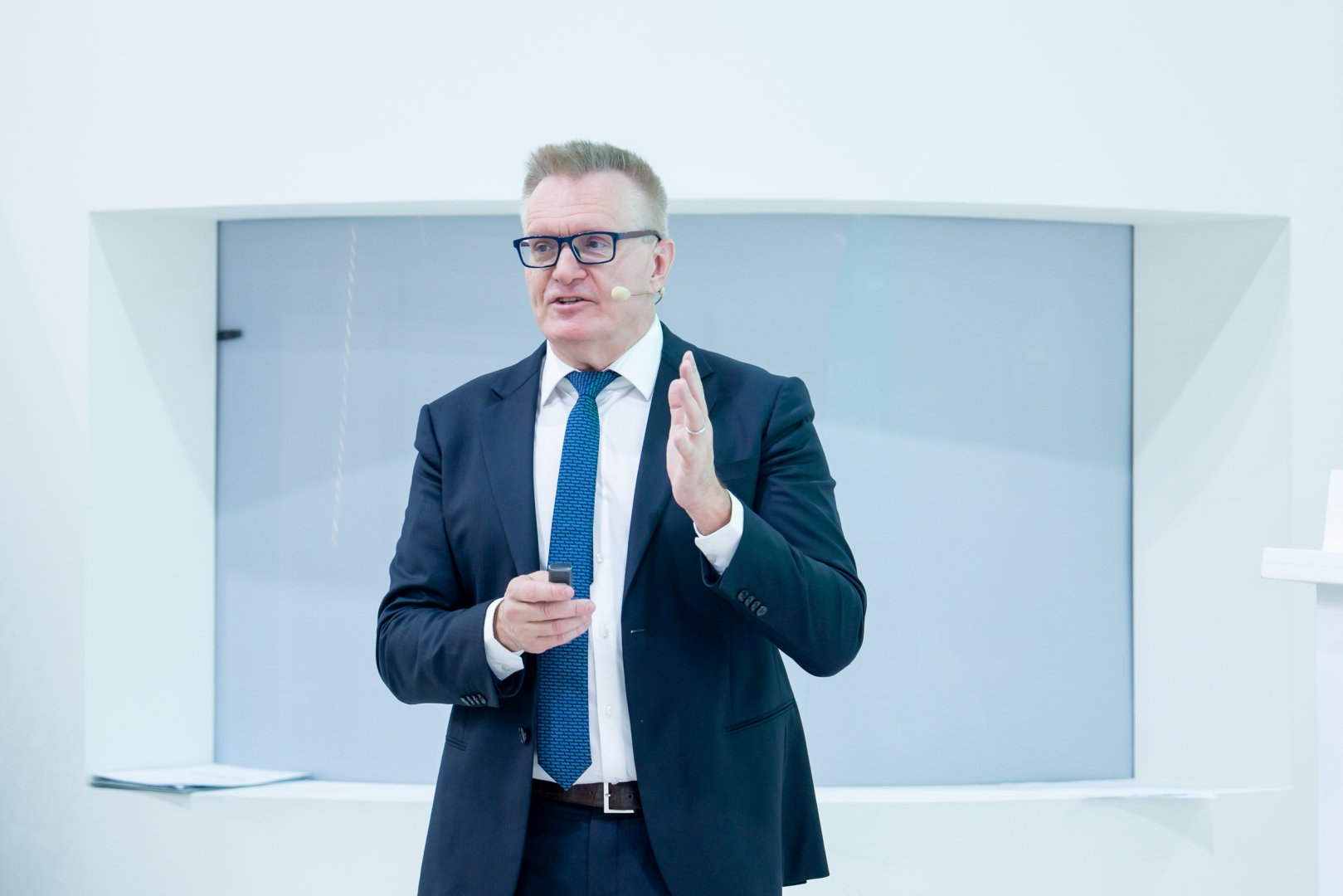
According to Butenko, the Cities of Choice concept is fundamentally different from other international rankings. "The study includes cities that, based on a combination of criteria important to people, are the best places to live. Unlike most international rankings that assess individual aspects - such as the quality of the urban environment, labor market, or level of digitalization of public services - we take a comprehensive approach to evaluating a city. The methodology is based on BCG’s large-scale 2019 study, which identified the key parameters that are most important for urban residents," Butenko noted.
According to Ekaterina Shapochka, the ranking is updated every three years to reflect the current state of urban development. The 2023 edition of the study included three cities from Central Asia and the Caspian region. At that time, a preliminary assessment of Baku was also conducted as part of a pilot analysis, which later made it possible to identify a clear positive trajectory.
"This time, we included Baku because the city is actively developing. At the same time, we consider not only the scale and importance of a city, but also the pace of change, as well as its openness to the world and new trends," she emphasized.
Baku as a fast-changing city
Before discussing Baku’s results, it is important to understand the logic behind the pace-of-change indicator, Butenko said. "Since 2019, we have seen that how quickly a city changes directly affects its vitality - whether people will come, stay, or, on the contrary, leave," he said.
According to him, the methodology used to assess this indicator is based on a scientific approach and big data analysis. "We took the full range of people’s assessments - both objective and subjective, reflecting what really matters to them - and analyzed to what extent these preferences could be explained by the city’s indicators. We found that not all assessments are linked to the current state of a city. Only when we added the pace of change, meaning we began studying not just a static picture but the dynamics of development, were we able to explain almost the entire variation in evaluations," Butenko explained.
"Why is the pace of change so important? First, the world is changing extremely quickly: technology, geopolitics, migration flows, and residents’ expectations are all evolving. Today, it is not enough for a city to simply be good - it must constantly adapt," he continued.
"Second, people want to believe that the future of their city will be better than its present. If they do not see positive momentum, even residents of a good city begin to have doubts. This can be seen in some cities in the U.S. and Europe: they are objectively strong, but people look at the dynamics of the past five years and begin to question their prospects," Butenko emphasized.
Shapochka, in turn, noted that a significant share of Baku’s positive changes is linked to the livability indicator. "Of course, this is a subjective assessment, but it is precisely in the area of livability that Baku has achieved the most noticeable progress. We are seeing improvements in almost all areas - approximately 80% of the indicators within this category," she said.
According to her, this covers a broad range of urban services and living conditions that have changed significantly in recent years. "This includes housing conditions, transport accessibility, mobility, education development, entertainment, and leisure opportunities - across all these parameters, Baku today looks significantly better than in our pilot assessment in 2023," Shapochka noted. "Another thing that became especially clear this year is that public spaces are extremely important for urban residents - their accessibility, quality, the opportunity to spend time there throughout the year, the presence of greenery, and a comfortable urban environment," she added.
Grigory Rubin added that improvements in Baku are most visible in those elements of the urban environment that directly shape residents’ everyday experiences. "It is clear that a lot of work is being done in the city - for example, in landscaping, public transport development, and the expansion of pedestrian areas. All of this is already significantly changing the urban environment," he said.
Competition between cities today
Butenko noted that today the perception of cities is gradually shifting from a purely infrastructure-based approach toward a focus on people and their everyday experiences. "When many people think about cities, they still primarily imagine skyscrapers, bridges, and monumental buildings. All of this is important, but above all, a city is about its residents. Even if we look at it purely from an economic perspective, without people - and especially without satisfied people - an economy cannot function sustainably," he said.
According to him, BCG’s approach focuses not on infrastructure itself, but on the value it creates for people. "When we look at infrastructure, we always ask: what does it give to a person? If it is a bridge, it should not only be an impressive engineering structure but also shorten the journey from point A to point B. And if it is a pedestrian bridge, it should also make walking enjoyable. Ultimately, this is what creates the feeling: ‘I like living in this city,’" Butenko concluded.
Rubin, in turn, emphasized that modern competition between cities is increasingly connected with attracting so-called mobile professionals. "There are people for whom it does not really matter where they work from - they can do it from anywhere in the world. Take IT professionals, for example. These are exactly the people that major cities are competing for today," he said.
He stressed that in addition to the quality of the urban environment and transport accessibility, administrative, financial, and reputational factors are becoming increasingly important. "When a person chooses where to live and work, they consider a very broad range of factors. This includes how easy it is to obtain migration documents, issues related to capital movement, and how the city positions itself. In other words, it is a much broader set of parameters than just infrastructure. In some areas, Baku already looks very strong, while in others there is room for growth. But overall, the competition is precisely for this category of people - so-called digital nomads, for whom the location of work truly does not matter," he explained.
A city for residents
According to Vladislav Butenko, the Cities of Choice study focuses not only on how tourists perceive a city, but primarily on the quality of life of permanent and temporary residents.
"Since 2019, we have seen that many cities are evaluated primarily through the lens of tourism experience. Yes, tourists are an important part of the economy. Paris, for example, is indeed a beautiful city with rich culture and gastronomy. But our approach focuses on a city not only for tourists, but primarily for residents. In many cities, such as Dubai or Abu Dhabi, citizens may account for around 10% of the population, while residents make up 100%. And there are also temporary residents," Butenko noted.
He emphasized that modern urban environments must take into account the needs of different groups of residents, including digital nomads. "Digital nomads are not necessarily people who move to a new country every month. Some stay for several years, while others follow the sun: spending winters in one place and summers in another. For them, stable and fast internet is critically important - in cafes, banks, anywhere - because they work remotely. They also need convenient digital public services: the ability to obtain permits and necessary documents online without standing in queues. This is what they are used to. If a city can provide this effectively, people come and stay. If not, they choose another place," Butenko said.
Continuing the discussion, Ekaterina Shapochka noted that the level of digitalization of everyday life has become an important element of modern urban development.
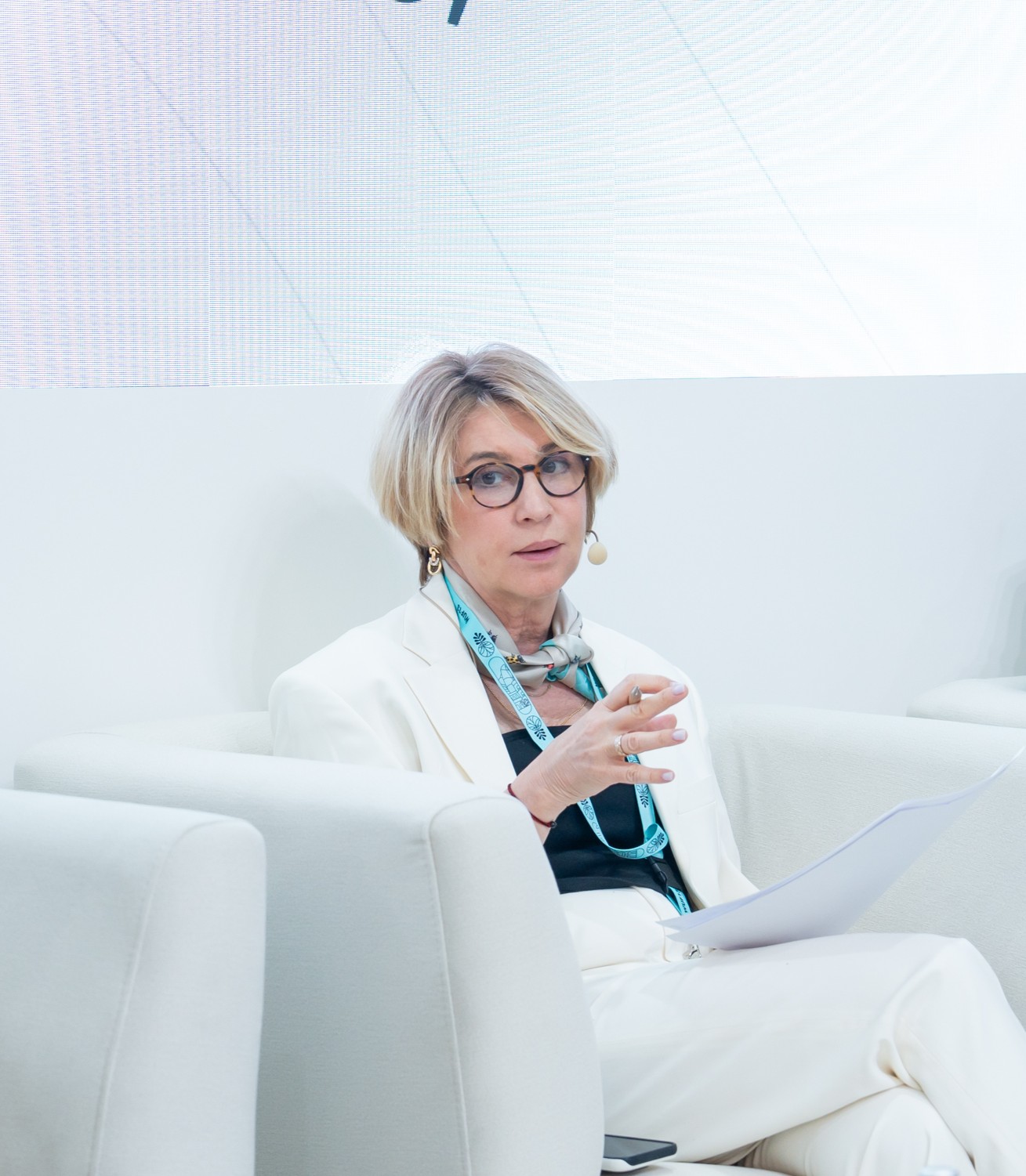
"Globally, we wanted to measure how many so-called online adepts there are in each city included in our ranking - people who actively use digital services in their daily lives. Across all 80 cities in our study, around 19% of residents on average have transferred most of their everyday activities online. To make them comfortable living and working in a city, and to ensure they remain loyal to it, cities need fast internet, convenient delivery services and simple, user-friendly digital ecosystems," she said.
She also pointed to the identified link between residents’ digital adaptability and their loyalty to their cities. "Interestingly, online adepts tend to be more loyal to their cities than those who use online services less frequently. Why does this happen? Perhaps the city is so well adapted to this lifestyle that people highly value its convenience and comfort. In this regard, Baku is among the leaders by this indicator," Shapochka noted.
Butenko highlighted the importance of the advocacy indicator, which reflects residents’ subjective perception of their city. According to him, the index is based on answers to a range of questions measuring a person’s long-term connection with the city.
"These include questions such as: Do I see myself living in this city in 20 years? Do I believe in its future? Do I see a future for my children here? Do I feel that the city supports me? And so on. We average these responses and obtain the final indicator for each city. Baku’s score is very high - 86. Moreover, between 2022 and 2025, it increased from 58 to 86, which is a significant achievement. This is a completely subjective assessment. Unlike the main part of the ranking, where objective data is used, this indicator reflects people’s sense of happiness and satisfaction with life," Butenko emphasized.
Turning to the issue of housing, Shapochka noted that Baku demonstrates strong performance in this area, although some aspects still require further development. "Baku has a fairly good result in terms of housing. However, if we talk about areas that could be improved, this includes inclusiveness - particularly the employment level of people with disabilities and the accessibility of public transport equipped for people with limited mobility," she said.
According to her, rising housing costs have become a global trend affecting most cities around the world. "Overall, housing is becoming more expensive, while affordability is declining. This is a global trend linked to higher mortgage costs and other macroeconomic factors. Baku is also experiencing this trend. At the same time, a relatively developed rental market allows the city to remain in the upper part of the ranking in terms of housing affordability," Shapochka concluded.
Baku’s development priorities
Butenko believes that Baku’s development priorities over the next five to ten years should combine addressing existing gaps with further strengthening the city’s advantages. "On the one hand, existing gaps certainly need to be addressed. But on the other hand, it is equally important to use and develop the city’s strengths. The fact that people stay in Baku because they like this city is already a very important indicator," he said.
"We have already mentioned that we see significant progress in terms of urban quality of life. For example, Baku demonstrates very strong results in healthcare - this indicator increased from 83 in 2022 to 93 in 2025. This is one of the best results in our global sample, and the positive trend continues. If this trajectory is maintained, Baku could become one of the regional centers of medical tourism, similar to how people today choose Türkiye or Egypt due to their successful combination of price and quality," Butenko noted.
He also highlighted Baku’s potential in education and human capital development. "In education, we see significant progress. In the future, Baku could become a city where people come to study not only from different regions of Azerbaijan, but also from other countries," he said.
Speaking about the urban environment, Butenko drew attention to the growing role of public spaces. "More and more people are working according to the ‘third place’ model - not from home and not from an office, but from flexible urban spaces. Baku’s climate is favorable for this, so such formats will continue to grow, and the city will become even more integrated into the global environment," he concluded.
Shapochka identified safety and economic opportunities as key areas for Baku’s future development. "For both people and capital, safety is extremely important today. In this regard, Baku is in a relatively strong position both in terms of objective indicators and residents’ subjective perception. Increasingly, safety is becoming one of the key criteria when choosing a city for relocation or business operations," she said.
"Baku’s potential in terms of economic opportunities has not yet been fully realized. This includes the speed and cost of company registration, access to financing, business support mechanisms, as well as opportunities for people in terms of career growth and self-realization. We analyze, among other things, the number of vacancies and how well they match the professional profiles of city residents. The city could engage more actively with companies - both existing businesses and potential newcomers - to better align the labor market with people’s opportunities for professional development within the city," she said.
She also highlighted innovation potential as another promising area. "Opportunities for innovation are equally important. We closely assess the volume of venture capital, the number of startups, and the level of development of acceleration and incubation infrastructure. More and more people are focusing on self-employment and creating their own products. In this regard, Baku also has significant potential," she said.
Butenko emphasized that particular attention should be paid to a people-oriented economy. "This is primarily about business opportunities and reducing income inequality. Essentially, it is an economy designed for people. This is where Baku can strengthen its position and move into a higher category of our global ranking.
At the same time, in terms of the urban environment, the city is already at a very high level. There is potential to move from the category of ‘very good’ to ‘the best’. I would not be surprised if Baku eventually becomes a recognized leader in urban comfort among cities in the Caspian region and Central Asia. This is entirely achievable within a five-year horizon, because such projects can be implemented relatively quickly," he said.
Grigory Rubin emphasized that a key factor in a city’s development is its strategic ambition and understanding of its role in the global urban system. "A lot depends on the city’s ambition. What is its goal - to be a comfortable city primarily for local residents, or to become one of the international hubs competing for people from around the world? The requirements for the urban environment directly depend on this," he said.
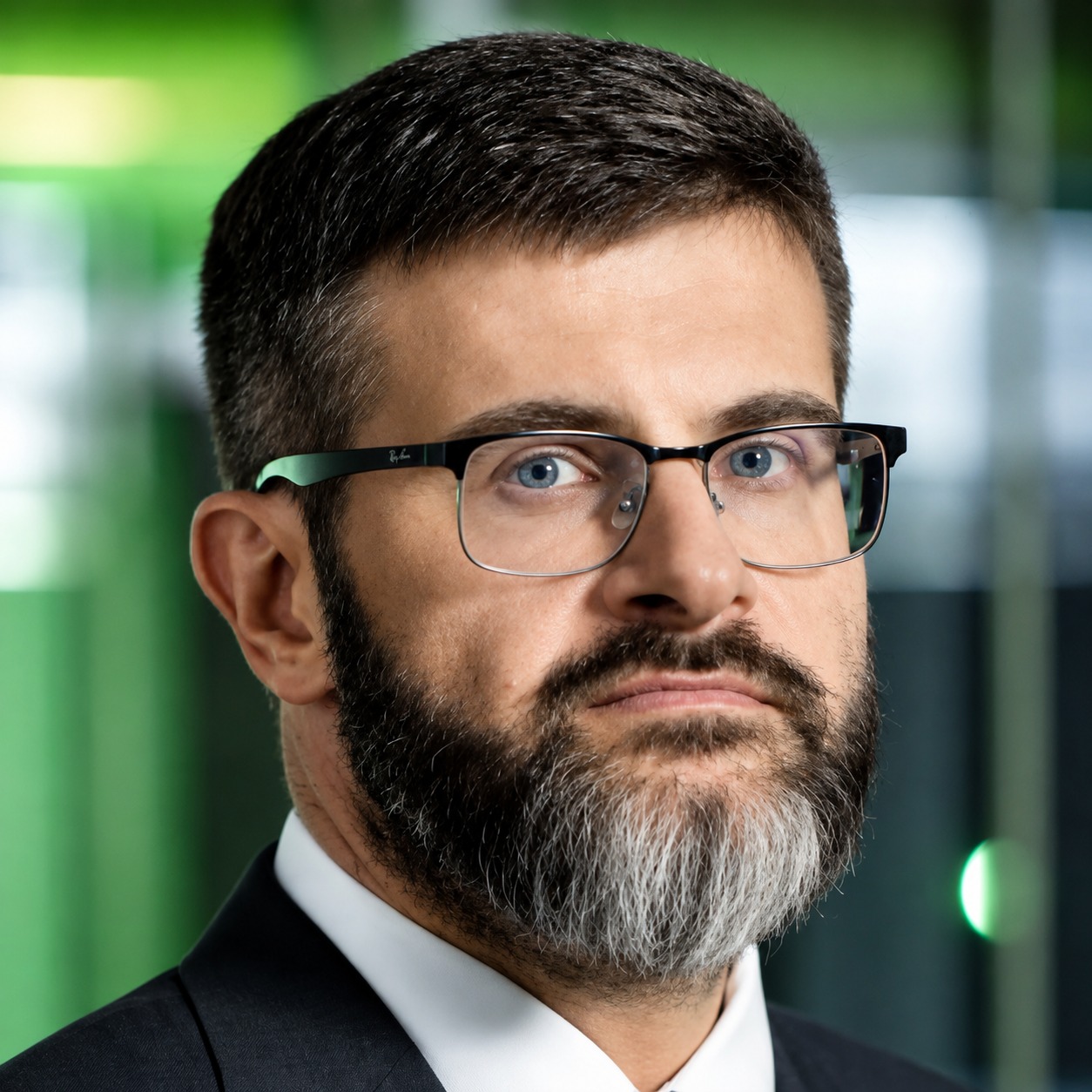
"For expatriates, it is important that they can quickly adapt and build their lives in a new place. If a city wants to attract expats, it needs to create conditions for seamless integration and comfortable everyday functioning. Among other things, this includes the availability of high-quality international schools with English-language education. If a city is focused primarily on local residents, these requirements may be less critical," Rubin added.
Butenko stressed that urban development is not about choosing between the interests of residents, tourists, or mobile professionals - these objectives reinforce each other, although they require clear priorities. "When a city is comfortable for its residents, tourists and digital nomads who come to live and work there also feel it. And when they see happy people in the city, this positively influences their own experience," he said.
At the same time, he emphasized that urban development does not happen automatically. "You cannot simply do everything well and expect success to come by itself. In most cases, cities make strategic choices: where to invest and which priority areas to develop. For example, Dubai has chosen a strategy of attracting specialists in the crypto industry, while Saudi Arabia is focusing on artificial intelligence professionals. These are very specific and targeted decisions. A city needs to make strategic choices and focus on implementation. It is impossible to pursue all ideas simultaneously - there are not enough resources or management capacity," Butenko said.
Ekaterina Shapochka noted that Baku could achieve significant progress in several areas in a relatively short period of time through digital solutions and technologies that are already available.
According to her, one of the key areas with growth potential remains interaction between citizens and urban governance systems. "Given the development of artificial intelligence and digitalization, this is exactly the area that could be improved relatively quickly and, as a result, significantly increase residents’ satisfaction," she said.
She also highlighted the importance of adapting cities to demographic shifts and increasing life expectancy. "We also assess cities’ readiness for longevity. It is very important to distinguish between life expectancy and healthy life expectancy. In this regard, Baku is currently positioned at a medium-to-high level, but this area will certainly continue to develop," Shapochka said.
She also drew attention to the importance of urban connectivity and the quality of planning. "This is not only about transport, but also about convenient pedestrian routes and how easily residents can access schools, shops and essential services. From an urban planning perspective, this is also one of the areas where Baku should continue to develop," Shapochka concluded.
Cities of the future
According to Vladislav Butenko, three key trends will shape the future development of cities: rising global uncertainty, changing patterns of mobility, and people’s desire to save their most valuable resource - time. "First, uncertainty in the world will only increase. Therefore, cities must be prepared to welcome people who, for various reasons, decide to leave their current places of residence," he said.
In his view, a new type of global mobility is already emerging, driven by crises and the search for alternative cities for living and working. "Take Dubai as an example. More and more people - especially those who work remotely or can relocate frequently - are starting to look for alternatives. Some choose Singapore, others Tashkent, Vietnam, Hong Kong or smaller cities in Southern Europe. The question is how Baku can become one of these cities. And this is no longer a theoretical discussion - it is a question of today," Butenko said.
He also emphasized the importance of uninterrupted digital connectivity as a new form of basic infrastructure. "The second trend is universal connectivity. A person should be able to move around the city seamlessly - from home to the office, to a park and so on, without losing access to services. This is already being implemented, for example, in Japan. Today people say: the infrastructure is fine, but it needs to work for something. The main demand is to save people’s life time. The task of a city is to reduce the time people spend on transportation, everyday tasks and administrative issues, and increase the amount of free time," Butenko said.
According to him, this "saved time" is becoming a new value of the urban environment. "Cities want people to spend this time on experiences, emotions and lifestyle - on things that shape quality of life and emotional attachment to a city," Butenko concluded.



