


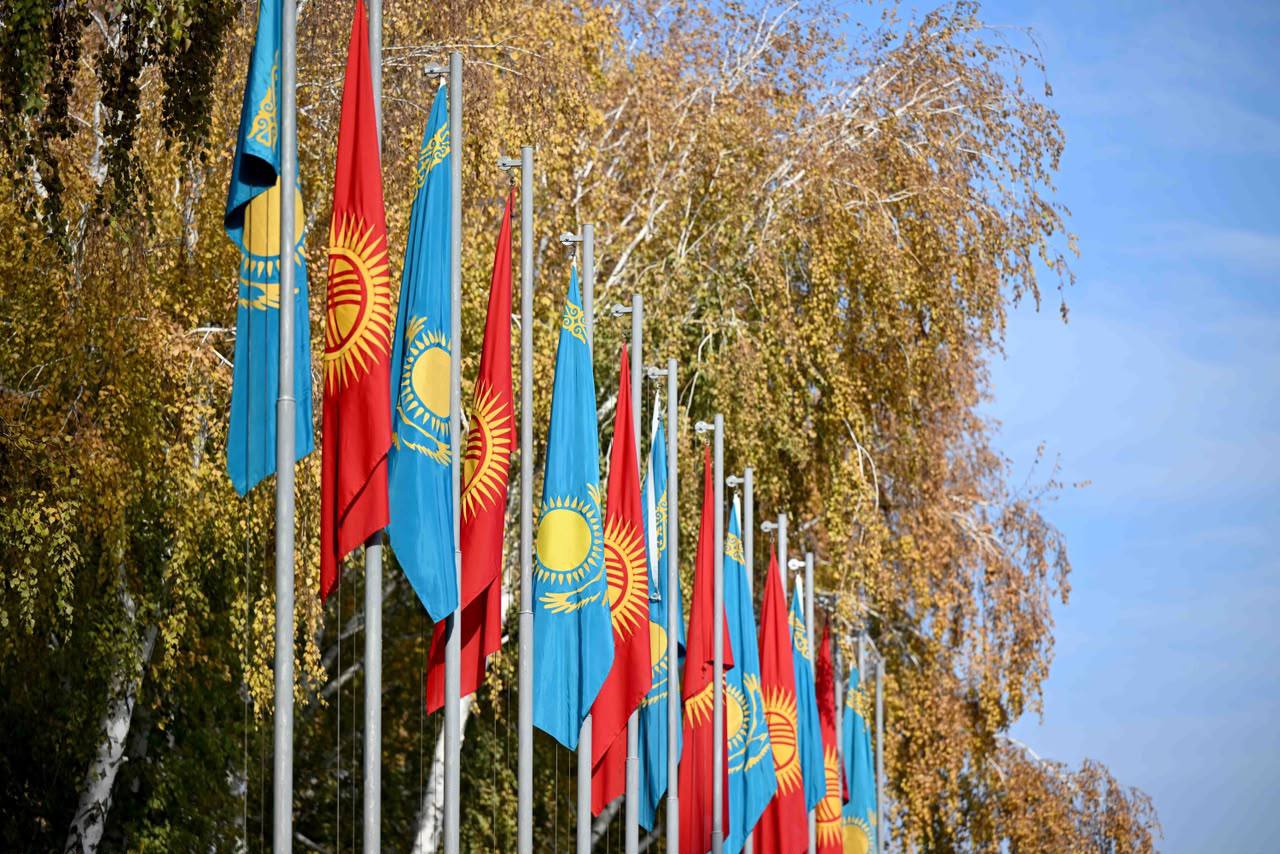

BAKU, Azerbaijan, October 30. Kazakh companies have signed commercial agreements and contracts worth a total of $95 million following a trade and economic mission to Bishkek, held as part of the Second Kazakhstan-Kyrgyzstan Interregional Cooperation Forum, according to the Trade Policy Development Center QazTrade.
The mission was organized by Kazakhstan's Ministry of Trade and Integration jointly with QazTrade. It brought together representatives of around 80 Kazakh companies operating in mechanical engineering, food production and processing, construction, information technology and logistics.
During the forum, QazTrade Director General Nurlan Kulbatyrov presented an overview of trade and economic cooperation between Kazakhstan and Kyrgyzstan, as well as Kazakhstan's export potential. He highlighted opportunities to increase supplies of Kazakh products, expand industrial cooperation and develop direct business ties between companies.
"Agreements worth $95 million were reached following the mission. Our task is to ensure their practical implementation and help Kazakh companies establish a stronger presence in the Kyrgyz market," Kulbatyrov said.
In particular, Kazakh company Hyundai Trans Auto and Kyrgyz company Trust Technologies signed a cooperation agreement covering the supply of automotive, special-purpose and commercial vehicles, as well as the development of maintenance services.
QazTrade also signed memorandums of cooperation with the Chamber of Commerce and Industry of the Kyrgyz Republic and OJSC Kyrgyz Agroholding. The documents provide for support for bilateral trade, the establishment of direct business contacts, promotion of Kazakh products and the development of joint projects in the agro-industrial sector.
The mission also included B2B meetings between Kazakh exporters and Kyrgyz entrepreneurs to discuss product supplies, industrial cooperation and access to new markets.
The agreements are aimed at expanding bilateral trade. Kazakhstan and Kyrgyzstan have set a target of increasing mutual trade turnover to $3 billion.


