


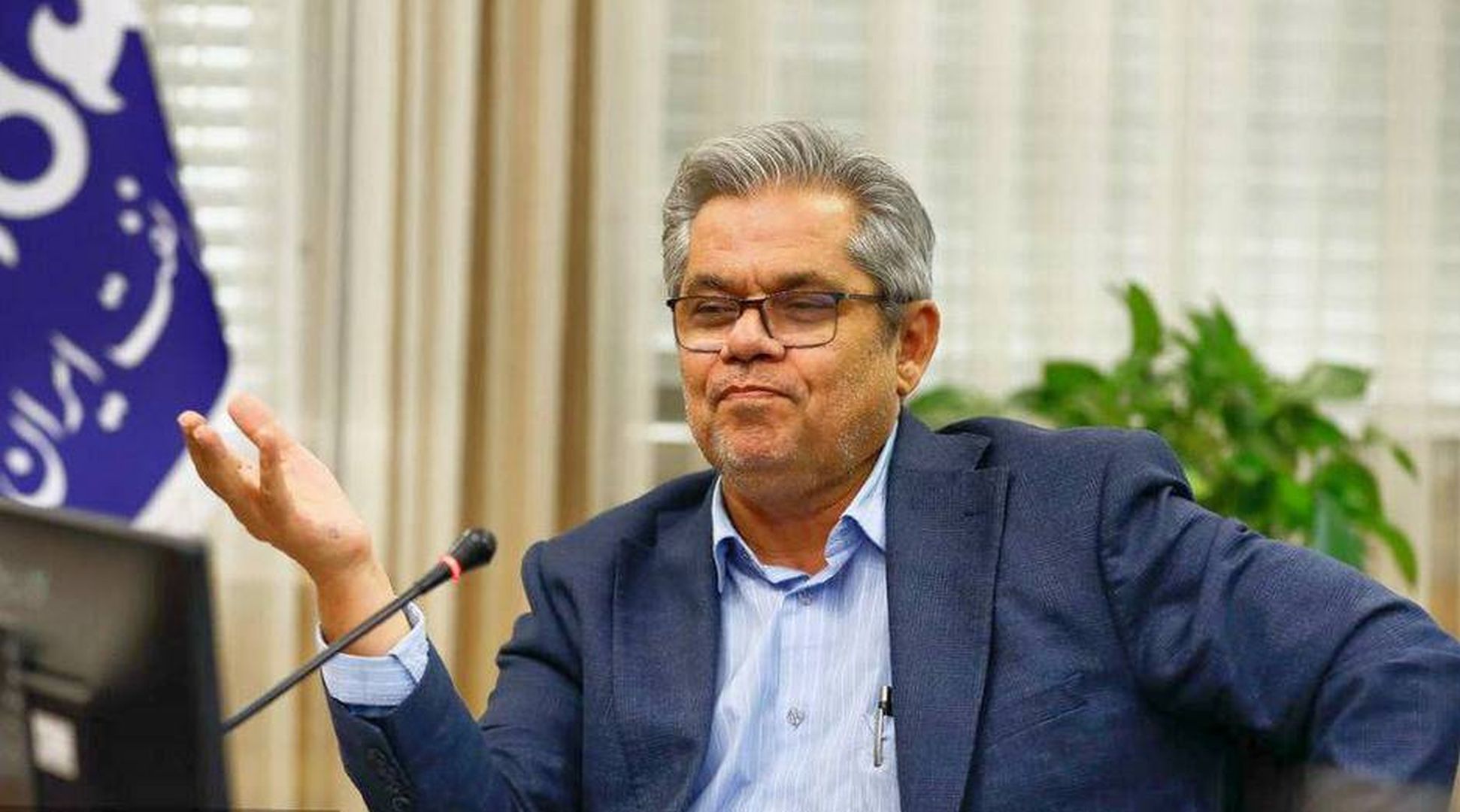
BAKU, Azerbaijan, October 31. Exploration activities should be significantly expanded in various parts of Iran, including the Zagros region, the north, northwest and northeast of the country, and areas around the Persian Gulf, Acting CEO of the National Iranian Oil Company (NIOC) Farrokh Alikhani said.
According to Iran's Ministry of Petroleum, he added that exploration programs should place particular emphasis on hydrogen, helium and unconventional hydrocarbon resources.
"Exploration is the starting point for developing various resources and plays an important role in securing the hydrocarbon reserves the country needs," he said.
Alikhani noted that, based on engineering, geological and geophysical studies, exploration in the Zagros region is considered one of the main priorities. Hydrocarbon resources have already been confirmed in the area, and further studies could lead to the discovery of new reservoirs.
He cited the identification of gas reservoirs at the Pazan and Takhteh fields as successful examples of exploration. The discovery of a combined 17.5 trillion cubic feet (approximately 496 billion cubic meters) of gas reserves at the two fields amid economic difficulties, sanctions and international tensions demonstrates Iran's considerable exploration potential in the oil and gas sector.
The official also said that Iran had achieved significant results in discovering gas and gas condensate reserves. He attributed this success not to a single group, but to cooperation among domestic and foreign contractors and various organizations in the oil industry.
"Discovering new oil and gas fields is one of the main responsibilities of the National Iranian Oil Company. Geological and geophysical surveys, as well as exploratory drilling, remain a priority both onshore and offshore.
"In addition to conventional reservoirs, research into unconventional hydrocarbon resources, including shale oil and gas and hydrocarbon gases, is part of the country's exploration program. The discovery and assessment of these resources remain a focus, with particular attention to their economic viability.
"The National Iranian Oil Company is developing mechanisms for digital transformation, and artificial intelligence tools should be used to digitize exploration processes," he said.
Iran has a total of 125 oil fields and 59 gas fields. The country's total hydrocarbon reserves are estimated at 836 billion barrels, of which 239 billion barrels are considered recoverable using available technology. Iran can currently extract around 29% of its total reserves, while the remaining 71% stays underground.


