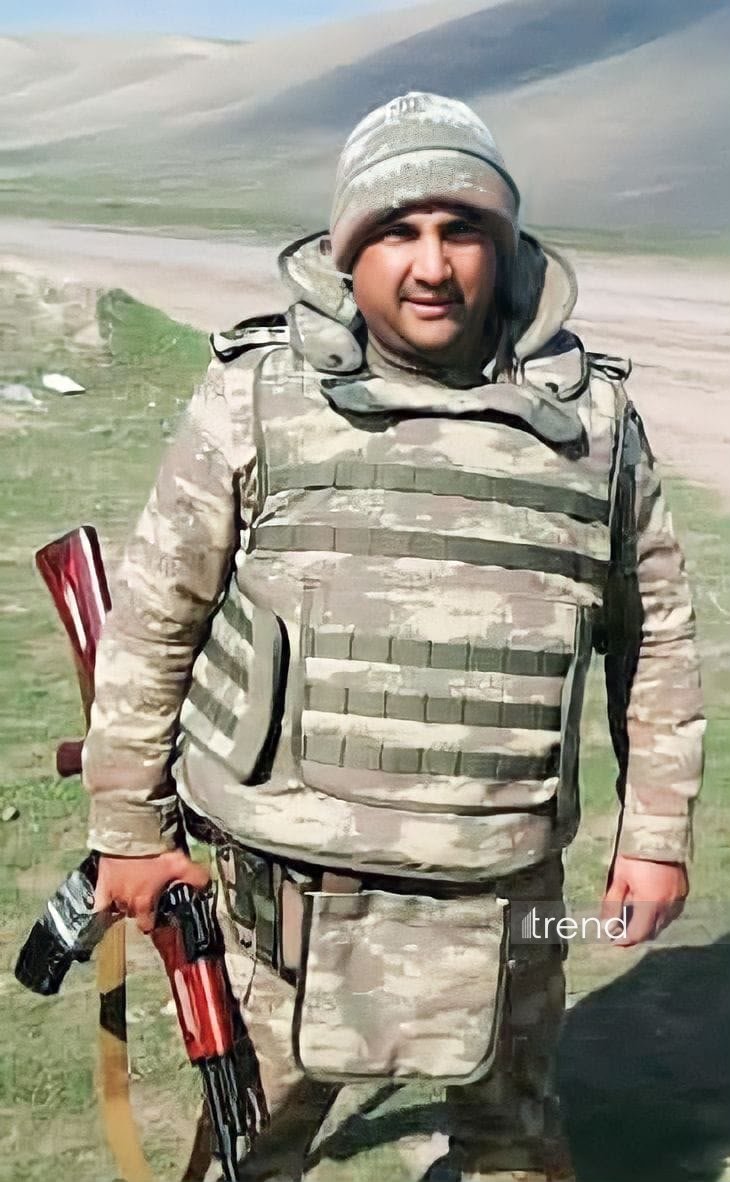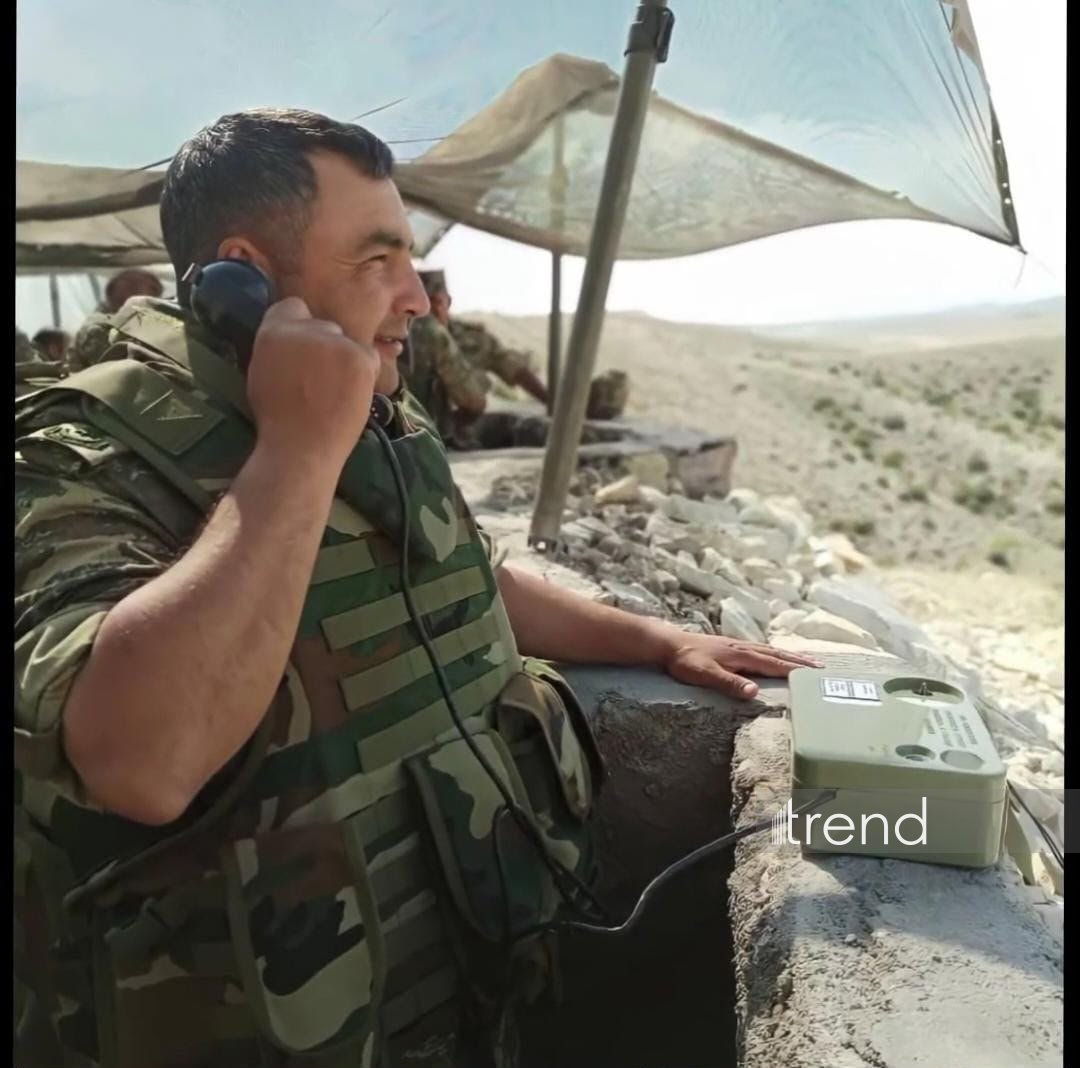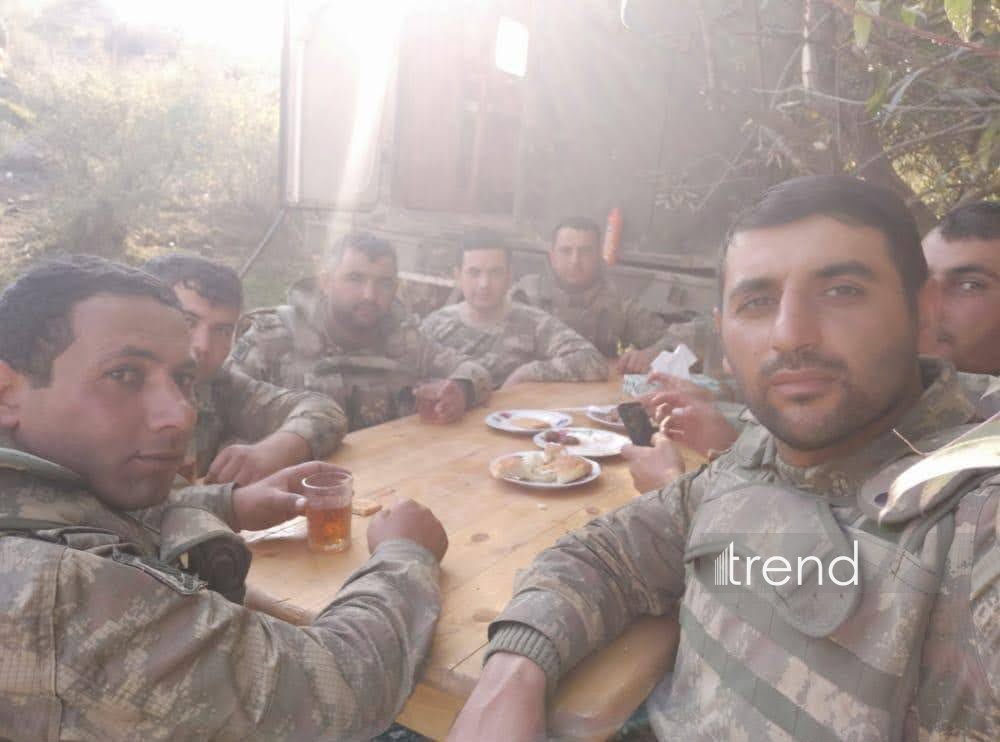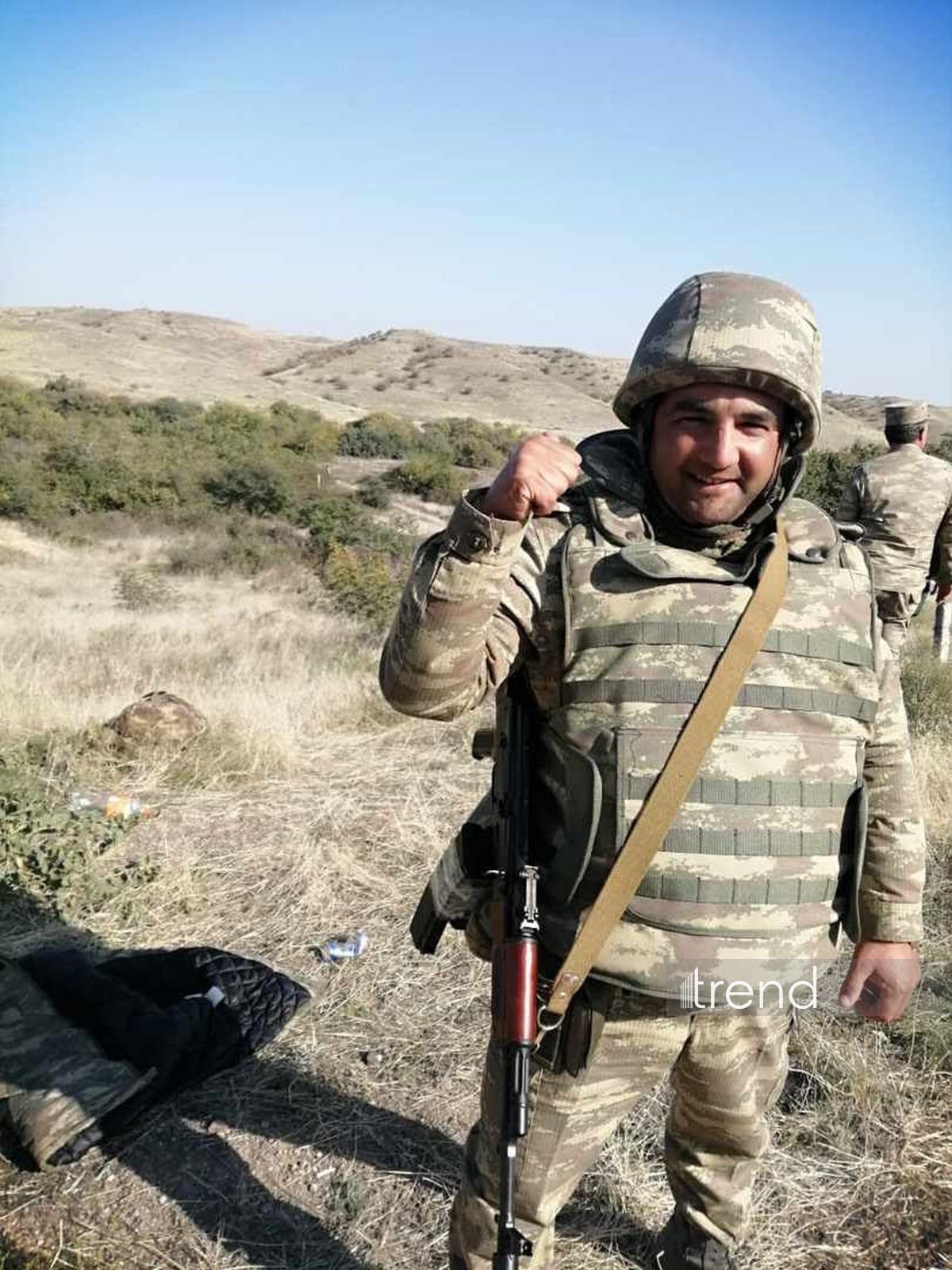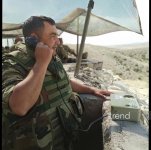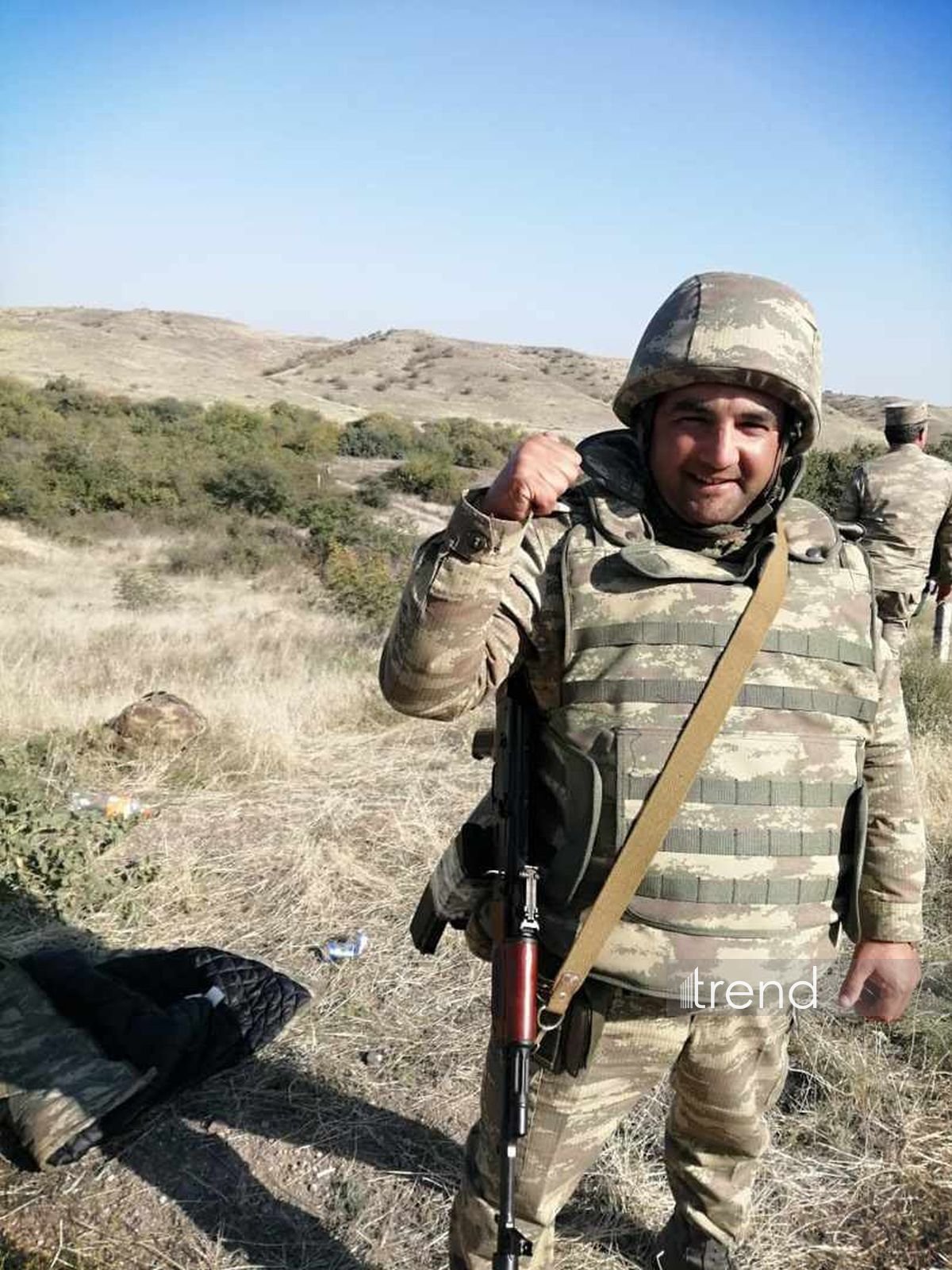

BAKU, Azerbaijan, November 8. Azerbaijani Lieutenant Colonel Vidadi Khalilov served the Motherland for 22 years, was martyred during the Patriotic War on October 30, 2020, in the direction of Gulabird village in Lachin, and was buried the following day in the Alley of Martyrs in Goychay, Narmin Khalilova, wife of the martyr, told Trend.
Ahead of November 8 – Victory Day, the families of martyrs are sharing memories of their loved ones, recounting their combat journeys, their final calls, and the days they spent together. For Narmin Khalilova, her husband’s final message and the care he showed for their children are also unforgettable.
According to her, she last spoke with Vidadi on the morning of October 29 because the connection was poor, and their conversation was very brief.
"We last spoke on the morning of October 29. The connection was very poor. He briefly said that he was safe and sound, and that everything was fine. I was relieved. Before that, we hadn't been able to reach him at all from October 19 through 25. We were very worried. When he called on October 25, we were overjoyed to hear his voice. We had no idea that such an event would take place just a few days later," she said.
Khalilova also recalled a message she sent to her husband, asking him to take care of himself, and the response she received.
"I had written to him, 'Take care of yourself.' He replied, 'I'm not of those who send my soldiers to the front and stay behind.' That message is still remaining on my phone," she noted.
The martyr's wife noted that Vidadi Khalilov had been awarded various medals and certificates for his service. He was a soldier who loved his profession and approached his duties with a strong sense of responsibility.
According to Khalilova, her husband hadn’t discussed matters related to his service at home, as he tried to avoid worrying his family.
"He never spoke about his military service at home. He even managed to keep his deployment to the front line a secret from us. He always said that everything was fine and there was no reason to worry. He wouldn't share details about his service, even with his family," she remarked.
Khalilov has two children, a daughter, Zahra, and a son, Ali. At the time their father was martyred, Ali was 7 years old, and Zahra was 12. Ali was in the first grade, and Zahra was in the sixth.
Khalilova noted that the loss of their father was a heavy blow for the children.
"He was a wonderful husband, head of the family, father, son, brother, and friend. My children are still struggling with his loss; they cannot come to terms with his absence. It's a pain that aches deep in one's very bones. Both my children and the rest of us felt that deep, aching pain in our hearts," she emphasized.
According to her, Vidadi loved sports; whenever he visited his home district, he would play football with his friends. He strove to dedicate his spare time primarily to his family and children.
"He loved spending time with his children. He had been returning from work after eight in the evening. Even when tired, he took the children out for a walk or played basketball with them after dinner. It was as if he had a premonition that their family happiness would be cut short; it seemed he tried to pour all his love, care, and attention upon us during that time," she also said.
Khalilova shared that, during their 12-year marriage, they lived in various regions due to her husband’s professional duties. After residing in Beylagan and Fuzuli, the family eventually settled in Ganja.
Following Vidadi’s martyrdom, Narmin Khalilova moved to Goychay with their children. She explained this decision by citing both the difficulty of living in a home filled with memories and the desire to be closer to her husband’s grave.
"Even the walls of the house reminded me of him - the table where he sat, the bed where he slept, the places where he walked... Living there was extremely difficult for me. Since his grave is in Goychay, I moved there with the children so we could be near him and visit his resting place," she said.
Khalilova added that they later relocated to Baku for the sake of their children's education.