



BAKU, Azerbaijan, November 6. The energy crisis is accelerating the transition to renewable sources: growth in Africa and Asia will surge.
This was announced in the International Energy Agency's (IEA) "Renewables 2026: Analysis and forecasts to 2031" report.
According to the report, the conflict in the Middle East and disruptions to energy supplies through the Strait of Hormuz have further increased the strategic importance of renewable energy sources. The development of solar and wind energy enables countries to reduce their dependence on imported fuels, strengthen energy security, and lower the costs of electricity supply.
The report noted that disruptions to energy flows through the Strait of Hormuz have driven up oil and gas prices and increased volatility in energy markets. Against this backdrop, renewable energy sources have become one of the key priorities of public policy in many countries.
"Renewable energy sources are widely available geographically, and every country has domestic potential that it can develop on competitive terms to strengthen its energy security," the report pointed out.
The IEA emphasized that appropriate government policies can ensure energy security, affordable prices, and environmental sustainability simultaneously. In addition to diversifying energy supplies, renewable energy sources reduce exposure to imported fuels and price volatility.
According to the report, without the growth in renewable energy generation since 2010, global annual fossil fuel demand in 2025 would have been approximately 8% higher. This volume is equivalent to India's total energy consumption. Furthermore, renewable energy sources displaced consumption equivalent to 11% of global natural gas demand. This weakened the impact of gas-fired power plants on wholesale electricity prices and limited price increases in several countries during the crisis.
Global renewable energy capacity to increase by 4,800 GW
According to the IEA's forecast, global renewable energy capacity will increase by approximately 4,800 gigawatts (GW) in 2026-2031. This is 57% higher than in the previous six-year period. For the first time, capacity additions in emerging and developing economies outside China will match those in advanced economies.
"During the forecast period, India will become the world's second-largest market for renewable energy capacity additions after China. Capacity additions in Southeast Asia, the Middle East, and Africa will increase approximately threefold," the report states.
The agency remarked that growing attention to energy security, new government targets, supportive policies, and the increasing competitiveness of solar and wind power have led to an approximately 20% upward revision of the forecast for emerging and developing economies outside China compared to last year's report.
Households and businesses are also playing an increasingly active role in expanding solar energy use in developing countries. High fuel prices and unreliable electricity grids are prompting consumers to turn to solar panels to improve the reliability of their energy supply and reduce costs.
"Since 2022, additional rooftop solar capacity has improved access to electricity and energy services for at least 70 million households," the IEA report highlighted.
The total capacity of off-grid solar photovoltaic systems is expected to increase 2.5-fold to approximately 80 GW by 2031. Pakistan, Sub-Saharan Africa, and Southeast Asia will play a key role in this growth.
Solar power to become the main driver of growth
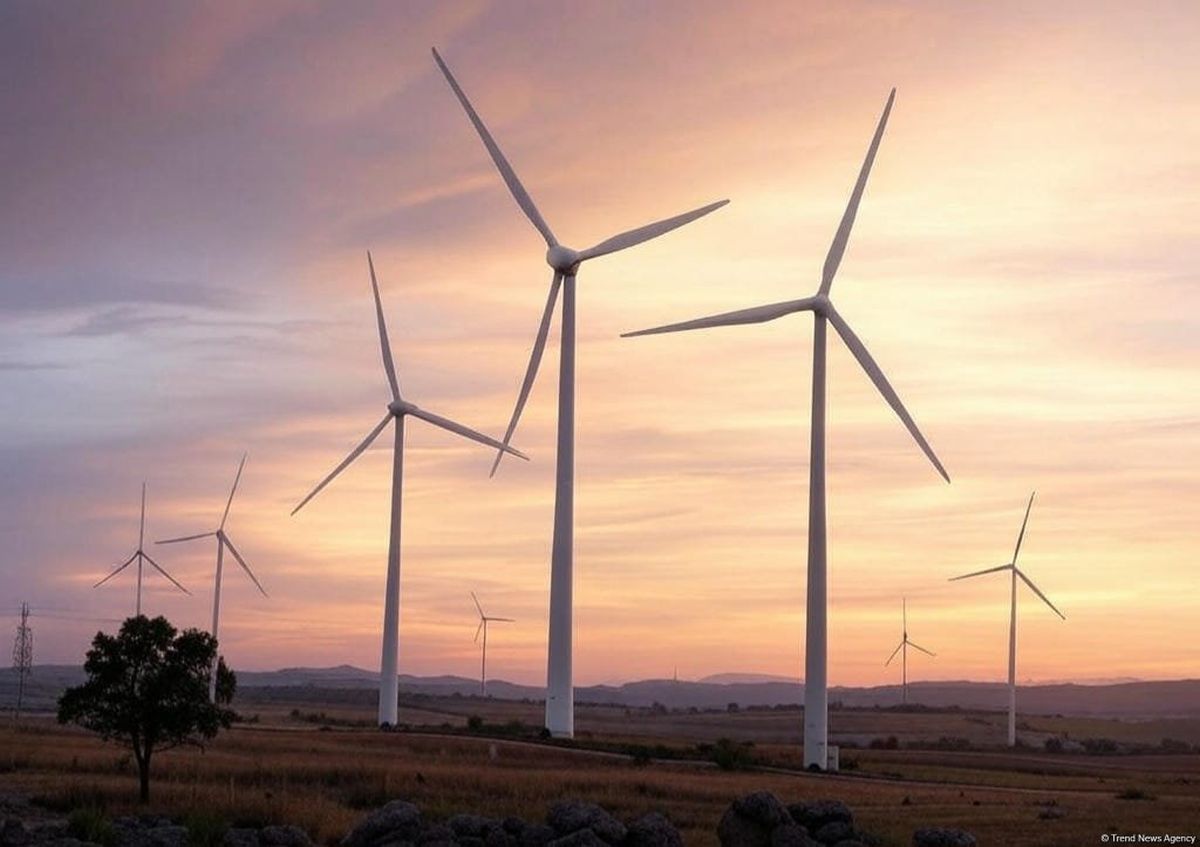
According to the report, global renewable electricity generation capacity will increase by approximately 85% from 2025 to 2031. More than three-quarters of this growth will come from solar photovoltaic power. The total capacity of onshore wind power plants is projected to increase by more than 70% to 2,040 GW by 2031.
China's share of global renewable energy capacity additions is expected to decline from more than 60% in 2025 to 53% during the forecast period. Nevertheless, the contributions of India, Southeast Asia, Africa, and the Middle East to global growth will increase significantly.
The IEA has raised its forecast for renewable energy capacity growth in Sub-Saharan Africa by 54% compared to last year's report. More than 80% of new capacity in the region is expected to come from solar photovoltaic power. Renewable energy capacity in the Middle East and North Africa is projected to more than double during the forecast period.
"Installed solar photovoltaic capacity in Latin America will surpass hydropower by the end of the decade, becoming the region's largest renewable energy source," the report emphasizes. However, hydropower's share of electricity generation is projected to decline from 40% in 2025 to 35% in 2031.
Meanwhile, the forecast for solar power capacity additions in China has been revised downward. Following the transition from fixed tariffs to a competitive auction system, new solar capacity additions in the country fell by approximately 55% year-on-year in the first nine months of 2026. As a result, the IEA has reduced its forecast for China's renewable energy capacity growth from 2026 to 2031 by 5%, or approximately 116 GW, compared to its previous report.
Biofuel demand also set to increase
Rising oil prices amid the crisis in the Middle East and concerns over energy security have also prompted the IEA to revise its forecast for liquid biofuel production growth. The agency has raised its expectations for this indicator by 40% compared to last year's report.
"Many countries, particularly in Southeast Asia and Latin America, are accelerating the implementation of new and previously announced mandatory requirements for liquid biofuels to reduce dependence on imported fossil fuels," the report states.
Biofuel consumption in Southeast Asia is projected to increase by 11% from 2025 through 2026, exceeding the expected global growth rate of 7%. Globally, demand for liquid biofuels is expected to expand by approximately 30% by 2031.
At the same time, the IEA emphasizes the importance of maintaining sustainability criteria when expanding biofuel production. Transparent accounting of greenhouse gas emissions and clear criteria for land use and feedstock sources must be introduced to ensure actual emissions reductions and prevent adverse impacts on land and water resources, as well as biodiversity.
Flexibility of energy systems becomes key challenge
According to the IEA's forecast, the share of renewable energy sources in global electricity generation will increase from 33% in 2025 to approximately 45% in 2031. The combined electricity output of solar and wind power plants will more than double, accounting for over 28% of global electricity generation.
Solar photovoltaic power has already surpassed wind power in terms of generation volume. By 2029, it's also expected to overtake hydropower, becoming the world's largest source of renewable electricity.
However, the rapid expansion of solar and wind power is creating new challenges for the management and flexibility of electricity systems. The report noted that by 2031, the share of variable renewable energy sources in electricity generation will exceed 50% in 17 countries. This will require strengthening power grids and cross-border energy interconnections, developing energy storage systems, and introducing more flexible demand management.
According to the IEA, in 2025, approximately 200 terawatt-hours (TWh) of electricity generated by wind and solar power plants could not be fed into the grid due to technical constraints. This figure is projected to exceed 800 TWh by 2031.
"The rapid expansion of solar and wind power makes greater flexibility in energy systems essential. Battery storage systems, strengthened power grids, and hybrid projects can play an important role in addressing these challenges," the report noted.
Hybrid projects that combine solar and wind power plants with batteries make it possible to increase the flexibility of energy supply, reduce generation constraints, and use existing capacity more efficiently. In many regions, the cost of electricity generation from such systems could be below $75 per megawatt-hour.
The total capacity of battery systems installed at the consumer level is expected to increase approximately sixfold to 670 gigawatt-hours by 2031. During the same period, more than one-third of residential solar photovoltaic systems are projected to be equipped with batteries.
Grid connection applications reach 3,000 GW
The report also identified access to electricity grid connections as one of the key issues. According to the report, over the past year, the total capacity of global grid connection applications for renewable energy projects at advanced stages of development increased by 60% to 3,000 GW. This growth was entirely driven by applications for battery storage systems and hybrid renewable energy projects.
At the same time, stricter grid connection rules and reforms in application management in India, the UK, and the US have resulted in approximately half of early-stage standalone wind and solar power projects being removed from the queue.
According to the IEA, holding competitive auctions more quickly, directing additional investment toward electricity grids, expanding battery storage systems, and simplifying permitting procedures could help achieve the target of tripling global renewable energy capacity.
According to the report's main scenario, global renewable energy capacity will reach approximately 9,710 GW in 2030. Although this is 2.6 times the 2022 figure, it won't be enough to meet the target of tripling capacity by 2030. Under the accelerated scenario, however, implementing the relevant measures could increase renewable energy capacity growth by 20% and make it possible to achieve the tripling target in 2031.


