



BAKU, Azerbaijan, November 6. Uzbekistan and Turkmenistan have discussed increasing the capacity of their border customs checkpoints at a video conference on Friday, November 6, as the average number of trucks crossing the two countries' main border posts rose to 780 per day in the first 10 months of 2026, up 11% year over year.
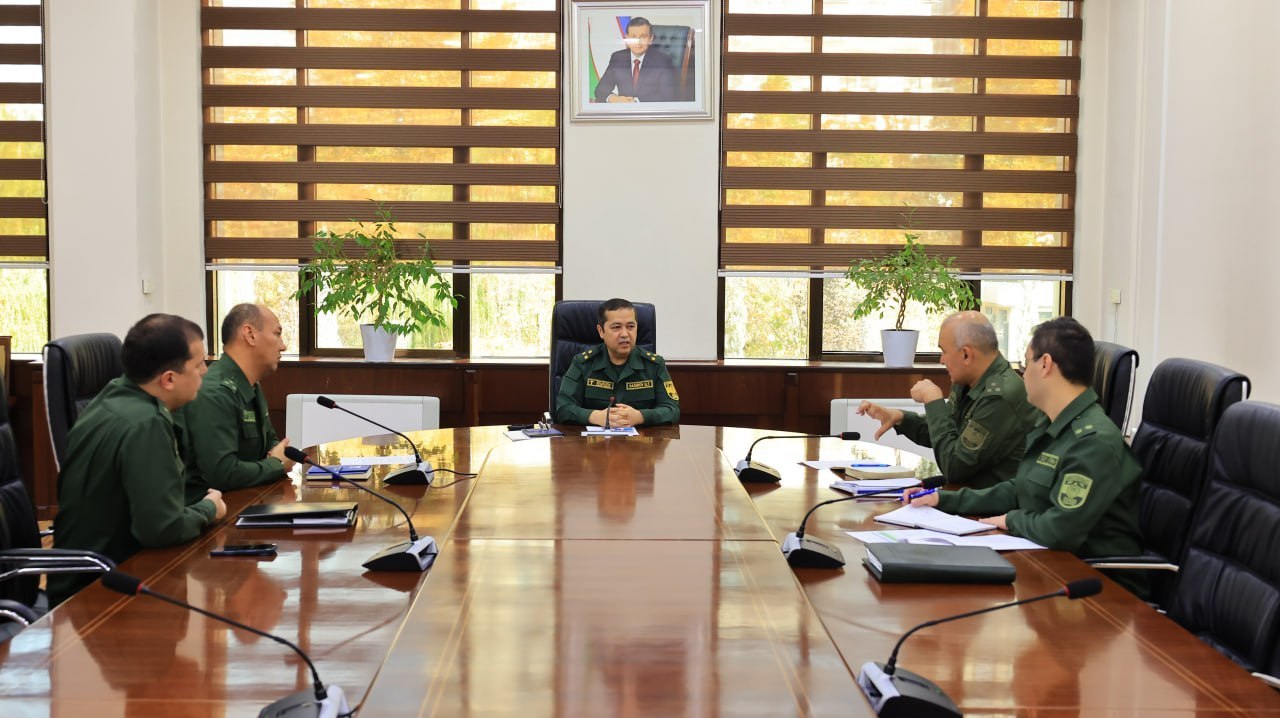
According to Uzbekistan's Customs Committee, the issues were discussed during a video conference between delegations led by Gayrat Nasirov, First Deputy Chairman of Uzbekistan's Customs Committee, and Dovlet Bayriyev, Deputy Chairman of Turkmenistan's State Customs Service.
The meeting was organized following instructions issued after the chairman of Uzbekistan's Customs Committee inspected the Olot border customs post on November 5.
The discussions focused on accelerating international road freight transportation and making full use of the capacity of the Olot checkpoint on the Uzbek side and the Farap checkpoint on the Turkmen side.
According to the committee, an average of 530 trucks crossed the checkpoints daily in 2024. This figure increased to 700 in 2025 and reached 780 per day during January-October 2026, representing an 11% increase from the previous year.
Truck traffic rose further between October 27 and November 2, when the checkpoints handled an average of 1,000 trucks per day. On October 17, the daily figure reached nearly 1,200 vehicles.
Additionally, the participants noted that changes in international transport routes amid geopolitical developments have increased transit freight flows through Uzbekistan. The Olot checkpoint currently processes an average of 165 transit trucks bound for Turkmenistan daily, three times the level recorded in 2024.
To improve traffic flow and make more effective use of existing infrastructure, the Uzbek side proposed reviewing the practice of transferring semi-trailers introduced during the COVID-19 pandemic, coordinating shift-change schedules at the two border checkpoints and establishing direct communication channels between checkpoint managers and responsible personnel.
Other proposals included holding monthly working meetings between regional customs officials, deploying additional staff during peak traffic periods and introducing similar cooperation mechanisms at railway border crossings.
Following the meeting, the parties agreed to examine the proposals and coordinate further efforts to increase checkpoint capacity, strengthen customs cooperation and reduce delays in international freight transportation.
The measures are intended to support bilateral trade, shorten transit times and ensure more efficient cross-border logistics operations between Uzbekistan and Turkmenistan.


