



BAKU, Azerbaijan, November 6. Azerbaijan’s non-oil and gas sector accounted for more than 70% of the country’s gross domestic product (GDP) in January-September 2026, as the economy grew by 1.5% and the non-oil and gas sector expanded by 2.6%.
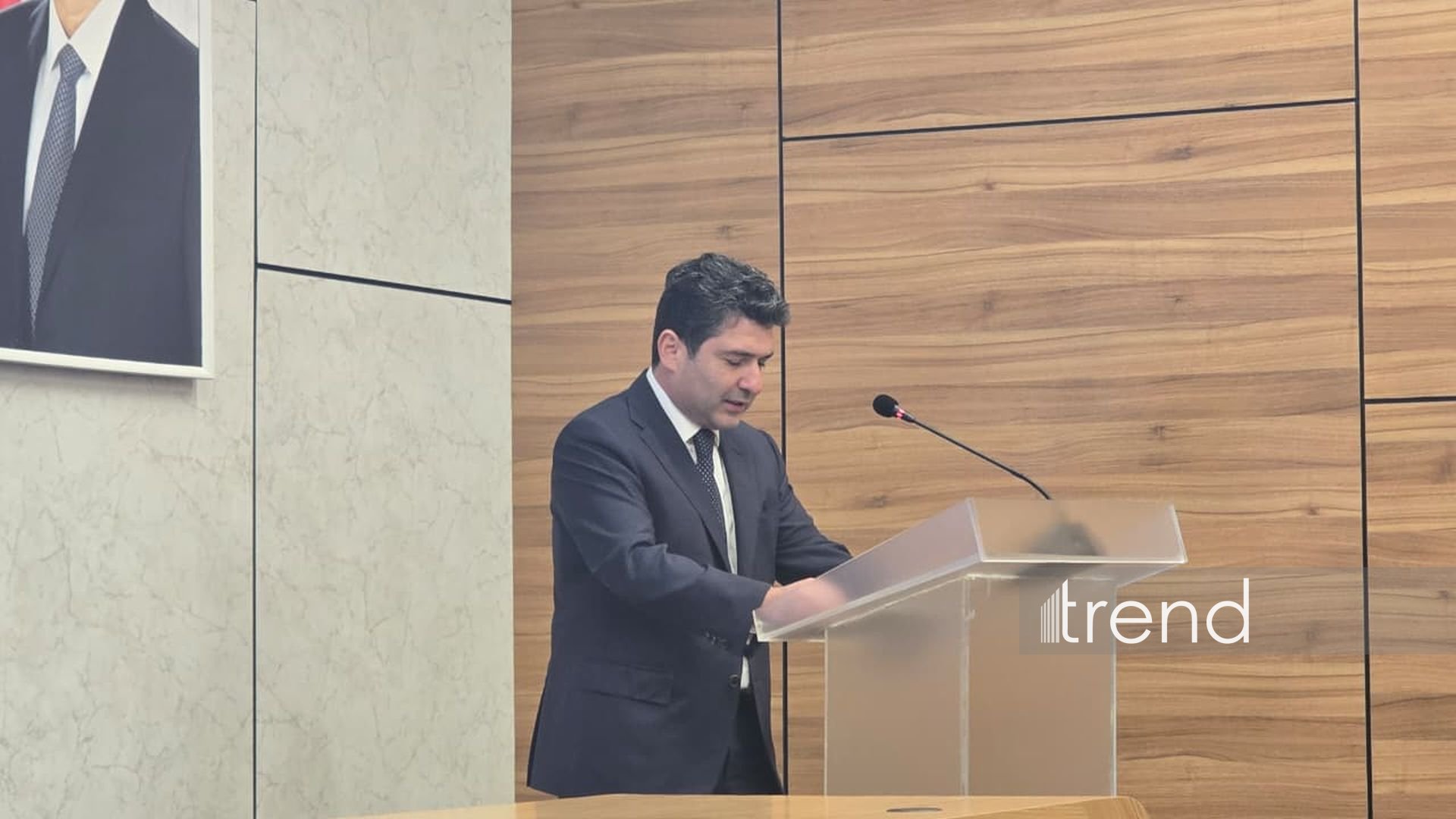
Deputy Economy Minister Anar Akhundov announced the figures at a joint meeting of several parliamentary committees, including those responsible for natural resources, energy and ecology; labour and social policy; healthcare; and international relations and interparliamentary ties.
He said Azerbaijan’s victory and the restoration of the country’s territorial integrity had opened up new opportunities for economic development.
“This year marks the final year of Azerbaijan’s 2022-2026 Socio-Economic Development Strategy. A new strategy for 2027-2030 is currently being developed. The policy pursued under the leadership of the President is guided by the national priorities outlined in ‘Azerbaijan 2030: National Priorities for Socio-Economic Development’. The areas of responsibility of the committees represented at today’s meeting are directly linked to three of these priorities: ‘A clean environment and a country of green growth’, ‘A dynamic, inclusive society based on social justice’, and ‘Competitive human capital and a space for modern innovation’,” the deputy minister said.
Akhundov noted that Azerbaijan had maintained macroeconomic stability despite continued uncertainty in the global economic environment, while its economic diversification policy was producing positive results.
“Based on the results of the strategy period, average annual growth in the non-oil and gas sector is expected to reach 5.2%, exceeding the target set. In January-September this year, economic growth stood at 1.5%. The non-oil and gas sector expanded by 2.6%, becoming the main driver of growth, while its share of GDP exceeded 70%. By the end of the year, GDP growth is projected at 1.7%, while non-oil and gas GDP is expected to increase by 3.1%,” he said.
According to the deputy minister, manufacturing, transport and information technology have emerged as the main contributors to the structure of economic growth. Value added in non-oil manufacturing increased by 6.6%, transport and warehousing by 10%, and information and communications by 11.1%.
“Growth was recorded across all segments of the services sector. Domestic demand also remains strong, with household consumption rising by 4.6% in real terms,” Akhundov added.
He also highlighted an increase in private-sector investment activity. Non-government investment in the non-oil and gas sector rose by 20.7%, while the structure of exports also showed positive changes.
“Exports of processed agricultural products increased by 37%, while exports of non-oil industrial goods rose by 21.5%. Strategic foreign exchange reserves have grown by 5.1% since the beginning of the year, reaching $89.4 billion, while annual inflation remains within the Central Bank’s target range,” the deputy minister said.
Akhundov also pointed to continued positive trends in state budget revenues and tax collections.
“Tax revenues from the non-oil and gas sector increased by 12.6%, exceeding 10.3 billion manats ($6 billion), while non-oil and gas revenues of the state budget rose by 9.3%. Since the beginning of the year, the number of active taxpayers has increased by 4.8%, while the number of VAT payers has grown by 6.9%,” he said.
The deputy minister stressed that the private sector plays a decisive role in diversifying the economy. The government is expanding support mechanisms and facilitating businesses’ access to financial resources.
“Macroeconomic stability, investment protection and a favourable business environment are strengthening investors’ confidence in our country. Under the investment promotion mechanism, businesses have imported $1.45 billion worth of modern machinery and equipment and received more than $350 million in tax and customs duty exemptions on these imports. Approximately two-thirds of projects granted investment promotion certificates are in industry, while one-third are in agriculture,” Akhundov said.
He also highlighted the results of the country’s industrialisation policy, noting that industrial parks have sold products worth 22.6 billion manats ($13.2 billion) to date, including 7.1 billion manats ($4.1 billion) in exports.
“Businesses have invested nearly 7.3 billion manats ($4.2 billion) in these zones and created 11,800 permanent jobs. In the first nine months of this year alone, another 29 companies obtained resident status in industrial zones. The 2027-2030 State Programme for Mining and Metallurgy aims to ensure the domestic processing of the country’s natural resources and boost exports of higher value-added products,” the deputy minister said.
Akhundov said the main priorities of economic policy in the coming years would include expanding export-oriented production, encouraging private investment and creating new economic opportunities in the regions.
“The main focus of our economic policy in the coming period will be growth driven by exports, based on private investment and creating new opportunities in the regions. Two sectors are considered priorities in this regard. The first is the processing industry based on local resources, including metallurgy, chemicals, pharmaceuticals, food processing and light industry. The second is services that can be offered to international markets. In this area, logistics, tourism and the digital sector, including data centres, are among the priorities,” he said.


