


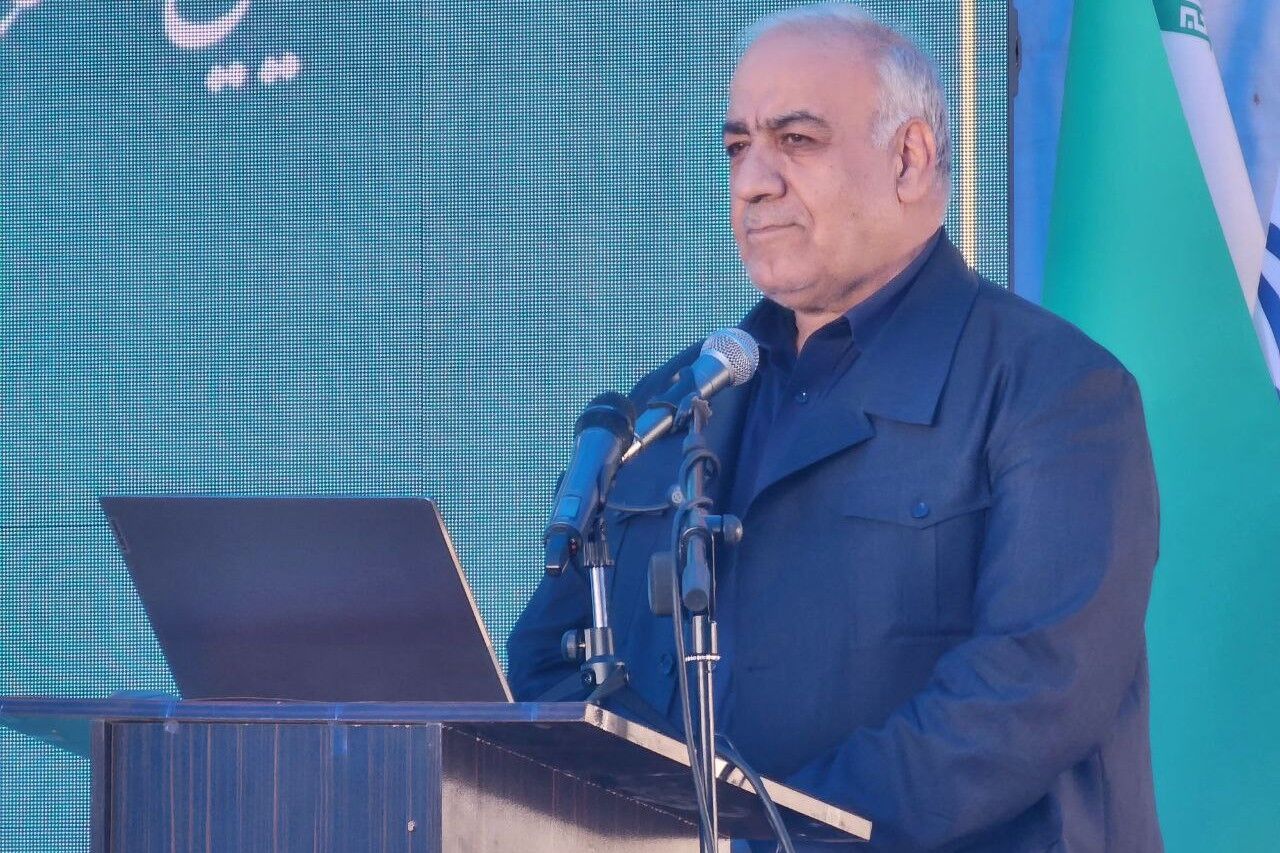
BAKU, Azerbaijan, November 6. Iran has handed over the entire land designated for the Rasht-Astara railway line in the northern province of Gilan to the Russian side to accelerate the development of the International North-South Transport Corridor, Iran’s Deputy Minister of Roads and Urban Development and CEO of the Construction and Development of Transportation Infrastructures Company, Houshang Bazvand, said.
He made the announcement at a ceremony in Tehran on November 4 marking the handover, according to the Construction and Development of Transportation Infrastructures Company.
Speaking at the event, Bazvand noted that the remaining 37-kilometer section of the route for the 162-kilometer Rasht-Astara railway line has been handed over to the Russian side. This transfer is part of the process of providing the Russian side with access to the territory for the purpose of conducting surveys and mapping.
The deputy minister added that the Iranian government has already acquired ownership of land spanning more than 55 hectares. A 125-kilometer section of the route had previously been handed over to the Russian side in February.
Noting that Iranian experts are also involved in conducting studies for the project, Bazvand stated that research activities are progressing successfully with the participation of these specialists. It’s also expected that Iranian contracting firms will be engaged during the construction phase.
The Rasht-Astara railway holds particular significance for the development of the railway line within the International North-South Transport Corridor. "This project marks a turning point for international cooperation in the development of transport infrastructure in the region. It is expected that, once outstanding issues between Iran and Russia are resolved in the near future, a final commercial agreement will be signed and construction work will commence," he noted.
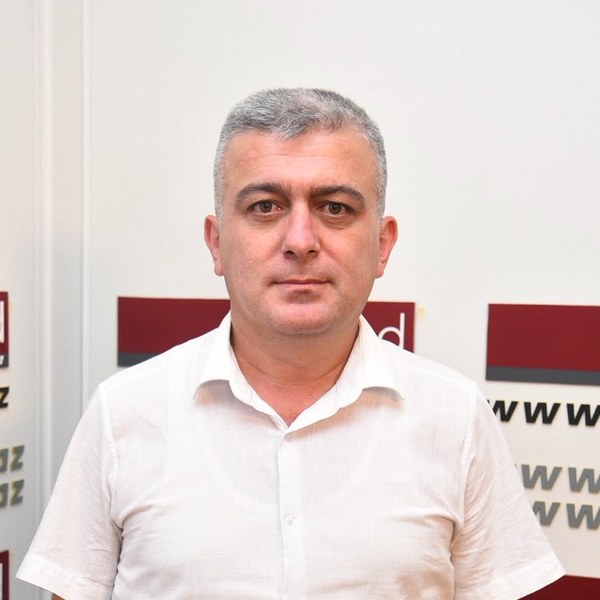
Speaking at the event, Yuri Kuzmin, Executive Director of the Russian company Caspian Services, stated that the firm is working to complete the feasibility studies for the construction of the Rasht-Astara railway line as quickly as possible. To this end, 10 teams are currently engaged in geotechnical drilling operations.
Kuzmin added that the Iranian side will visit Moscow to finalize the commercial agreement for the construction, at which point both parties will complete the concluding stages of the process.
The North-South Transport Corridor was established under an intergovernmental agreement signed by Russia, Iran and India on September 12, 2000. A number of countries have since ratified the agreement, including Azerbaijan, Belarus, Bulgaria, India, Iran, Kazakhstan, Kyrgyzstan, Oman, Russia, Tajikistan, Türkiye and Ukraine.
The corridor aims to reduce delivery times for cargo transported from India to Russia and Northern and Western Europe. While shipments along existing routes take more than six weeks, transit via the North-South Corridor is expected to take around three weeks.
As part of the project, the 175-kilometer Qazvin-Rasht railway was commissioned on March 6, 2019, to connect Azerbaijan's railway network with Iran's rail system. The Rasht-Astara railway remains to be built in Iran.
The North-South Corridor has three routes through Iran. The eastern route connects with Turkmenistan and Central Asian countries; the central route runs across the Caspian Sea toward Russia and other countries; and the western route passes through Azerbaijan, Georgia and Russia toward Eastern Europe.
On May 17, 2023, Russia and Iran signed an agreement on the construction of the Rasht-Astara railway in Gilan Province. The 162-kilometer line is planned to include nine stations.
Once completed, the railway will enhance the International North-South Transport Corridor and connect Iran's railway network with the Caucasus, Russia and Northern Europe.
Under the agreement, Russia is expected to provide 1.6 billion euros for the project. Construction was originally scheduled to be completed within 48 months.



