


BAKU, Azerbaijan, September 24. As previously reported, a presentation of British filmmaker Alex Fodor’s documentary The Cross of Stolen Churches, which explores the history of Christianity in Caucasian Albania and the fate of its church heritage, was held in the UK.
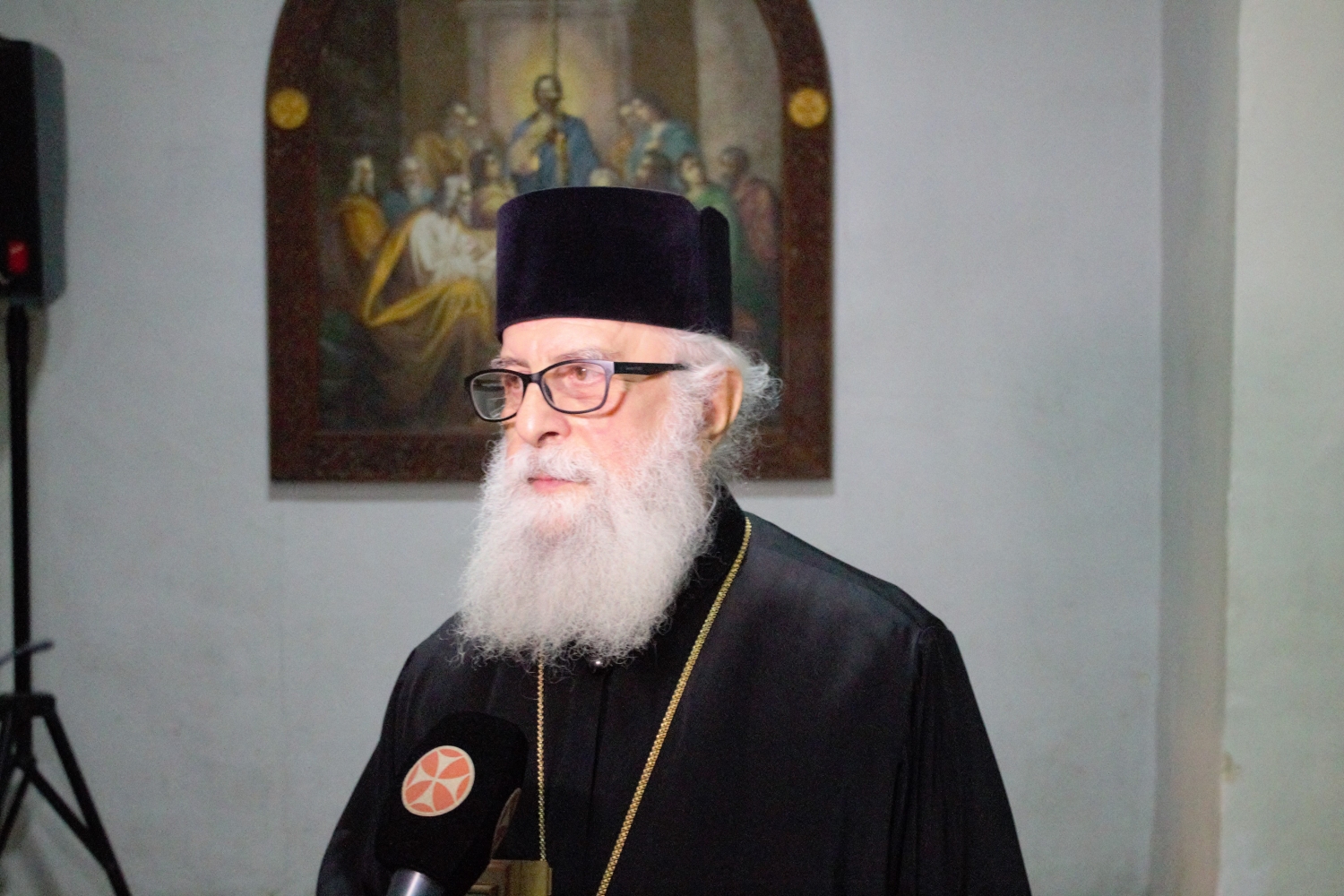
One of the participants in the film is Metropolitan Anania (Japaridze) of Manglisi and Tetritskaro of the Georgian Orthodox Church. Drawing on archival materials and historical documents, he addresses the history of the Church of Caucasian Albania and the fate of its heritage.
Following the release of the film, Trend spoke with Metropolitan Anania about the fate of the Caucasian Albanian Church and why the Georgian Orthodox Church managed to preserve its independence.
Metropolitan Anania said that one of the key factors behind the different fates of the two churches was the role played by their church leaders.
“The Albanian Church was unable to defend itself. The Armenian Church did everything to appropriate the heritage of the Albanian Church. The Georgian Church remained and continues to exist,” he said.
According to the metropolitan, prominent religious figures played an important role in preserving the Georgian Church, as they were able to defend its traditions and independence.
“First of all, the reason is that the Georgian Church had great Church Fathers, for example, Catholicos Kirion. Here I mentioned Ekvtime Mtatsmindeli. There were such great fathers in Georgia,” he stressed.
Metropolitan Anania also recommended studying historical documents related to the activities of Catholicos Kirion.
“I would advise you to read the ‘Book of Epistles.’ It is a thick book containing documents, and you will see Kirion’s devotion and his drive, which saved the Georgian Church and Orthodoxy,” he noted.
According to him, such spiritual leaders were not isolated figures in the history of the Georgian Church.
“It seems that there were many such Kirions in the Georgian Church, that is, such great Georgian church figures. It was their selfless work — everything depends on such people — that allowed the Georgian Church to survive,” Metropolitan Anania added.



