BAKU, Azerbaijan, September 24. From October 30 to November 1, 2026 the “Fly to Baku. Art Weekend. Sense the Future NOW” festival, taking place in Baku for the second time, will present a diverse programme of international and Azerbaijani contemporary art projects at venues across the city.
Presented under the leadership of the Heydar Aliyev Foundation and IDEA Public Union, the three-day Art Weekend exhibition programme will bring together diverse artistic practices, generations and geographies, inviting audiences to engage with themes including memory, cultural heritage, nature, biodiversity, identity and the future.
The idea behind the festival was initiated by Leyla Aliyeva, Vice-President of the Heydar Aliyev Foundation and founder and head of the IDEA Public Union.
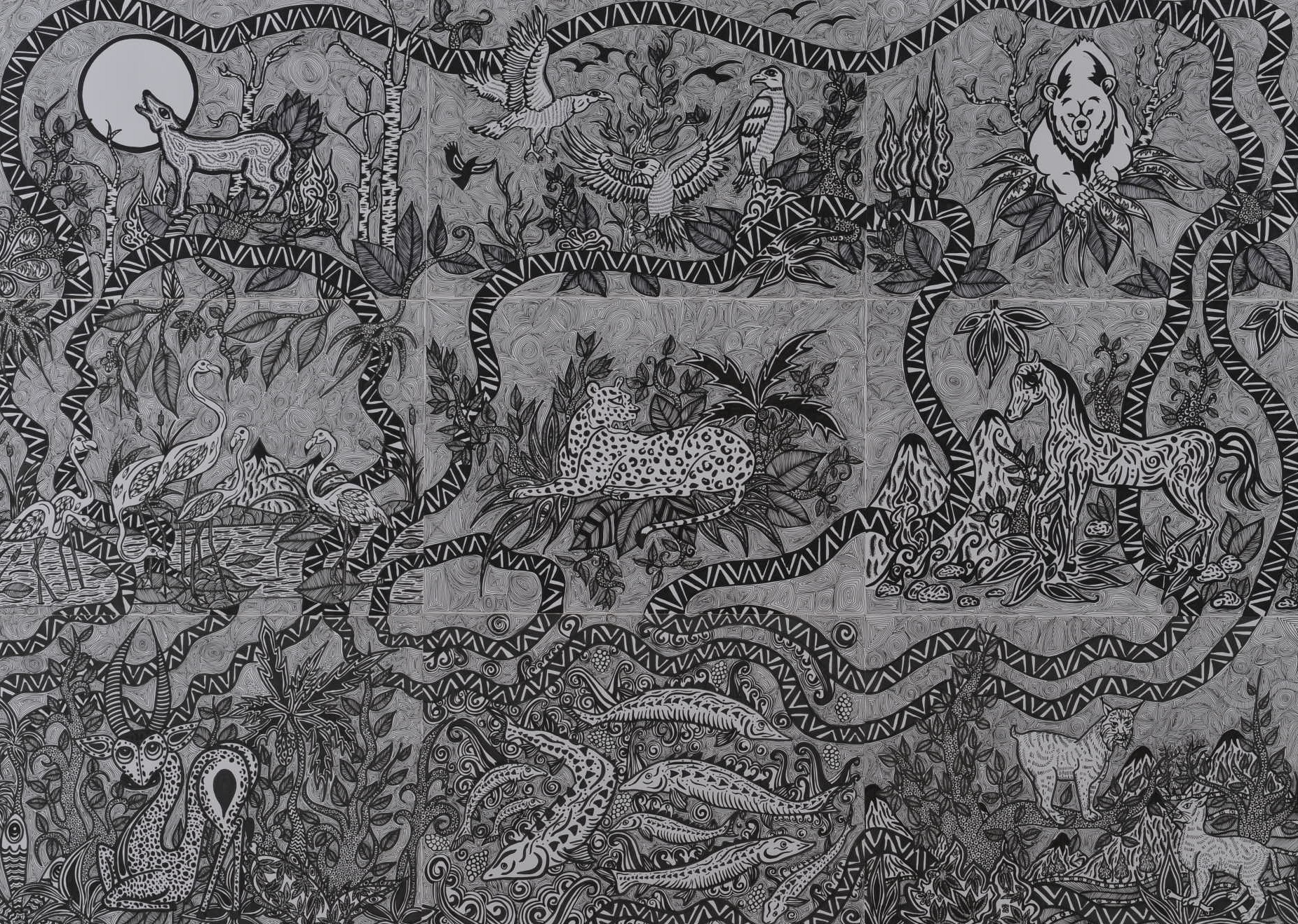
One of the central themes of the exhibition programme is the “Big Five of the Caucasus.” Across projects exploring the nature and biodiversity of the Caucasus, animals are presented not only as part of the natural world, but also as carriers of cultural memory, mythology, and collective identity.
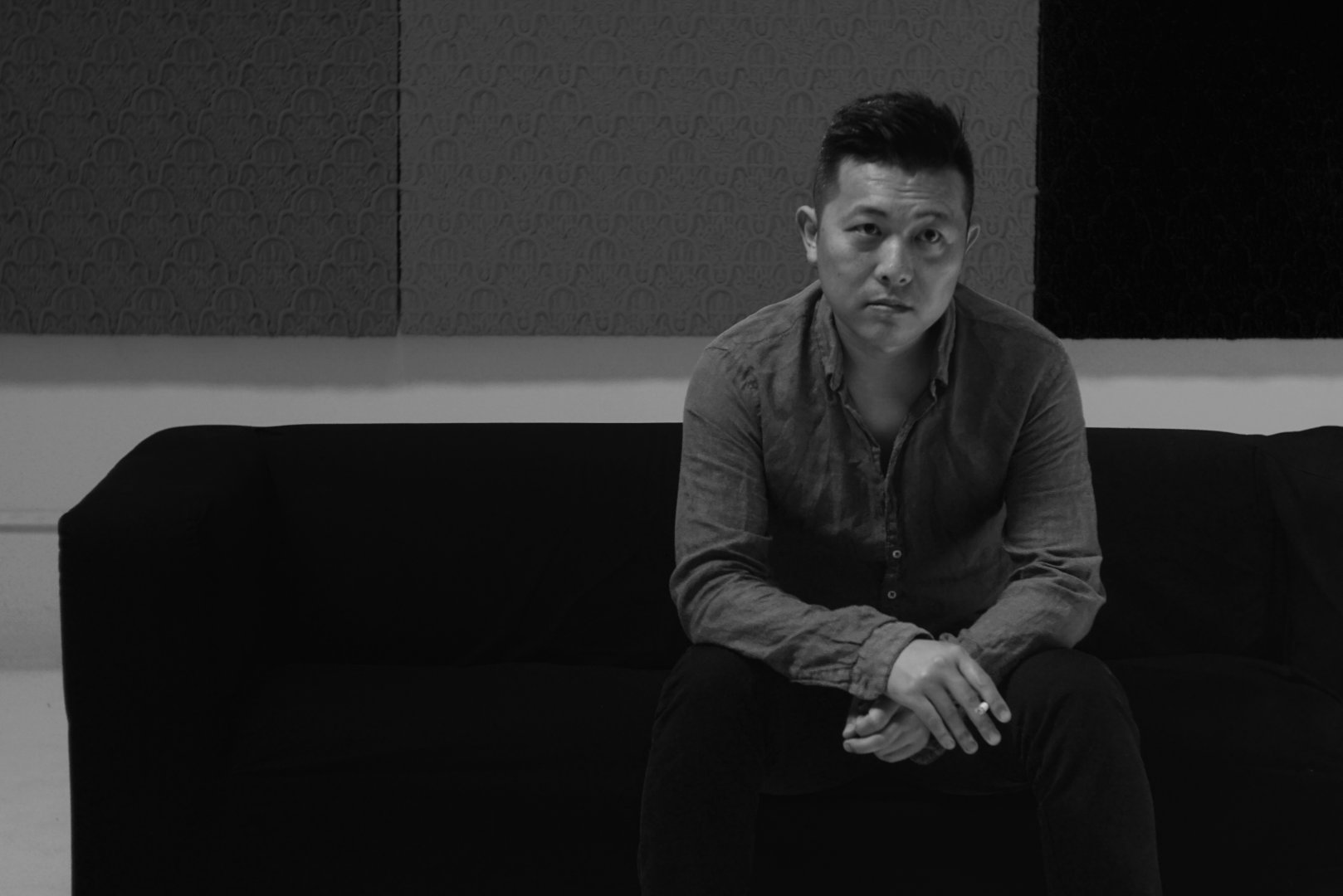
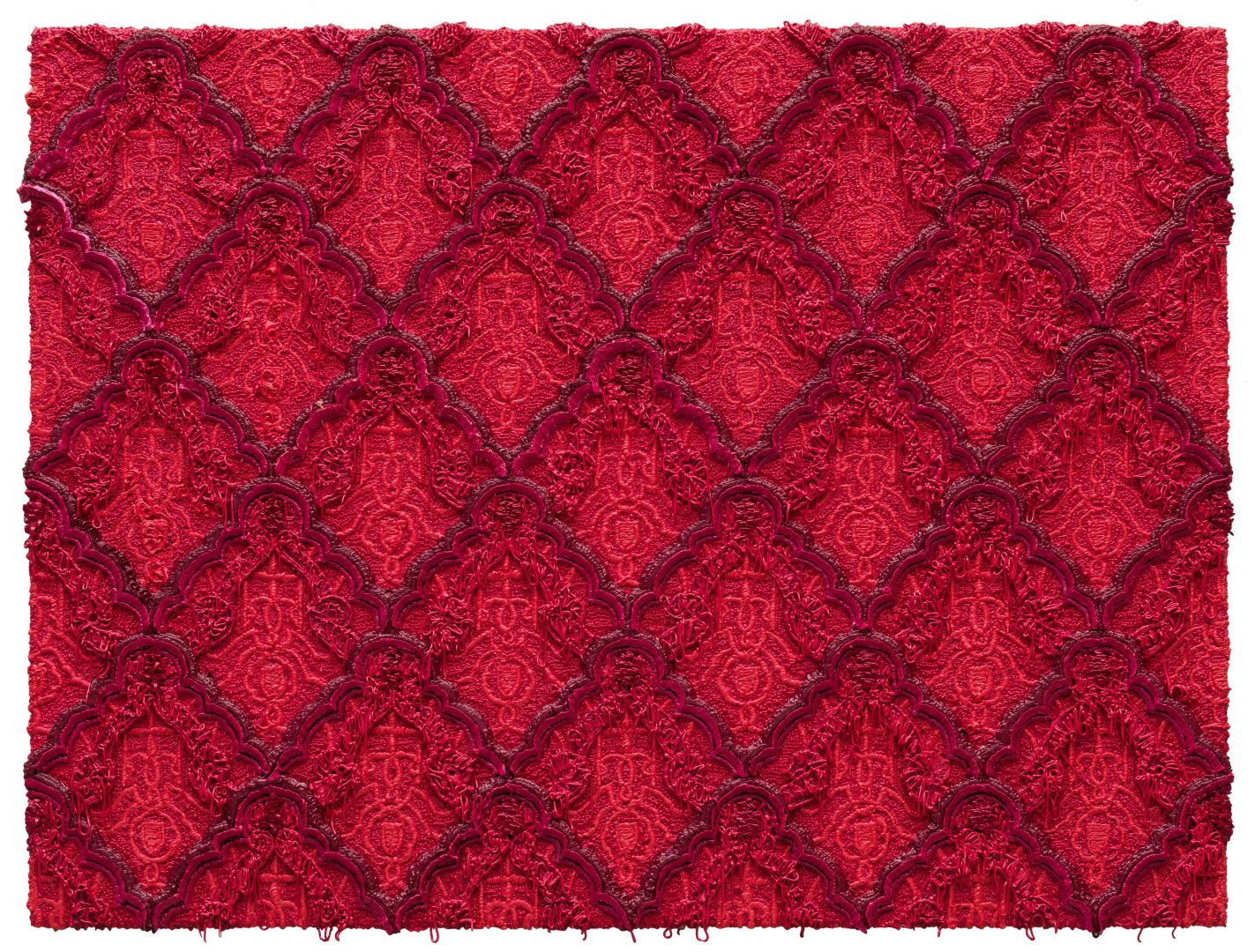
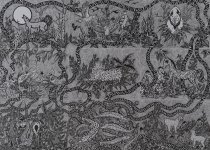
One of the programme’s key projects is a solo exhibition by Chinese artist Zhang Ji, presented at the Heydar Aliyev Center. In his The Skin of Truth series, Zhang Ji approaches religious architecture as a trace of an ancient truth that continues to resonate in the contemporary scientific and technological age. Drawing inspiration from architectural patterns found in mosques, synagogues, and cathedrals, the artist reinterprets them through the language of contemporary painting. The process of creating the works is exceptionally time-consuming and demands great precision and patience. Zhang Ji applies paint to the canvas using a syringe, building each composition with meticulous delicacy. Some works require as many as 120 tubes of paint, each containing 170 millilitres. The resulting complex, repetitive patterns sometimes take on the appearance of bas-relief sculpture. The technique creates a compelling visual tension between solidity and transience, structure and disintegration.
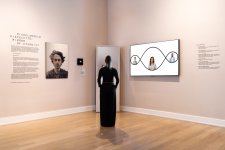
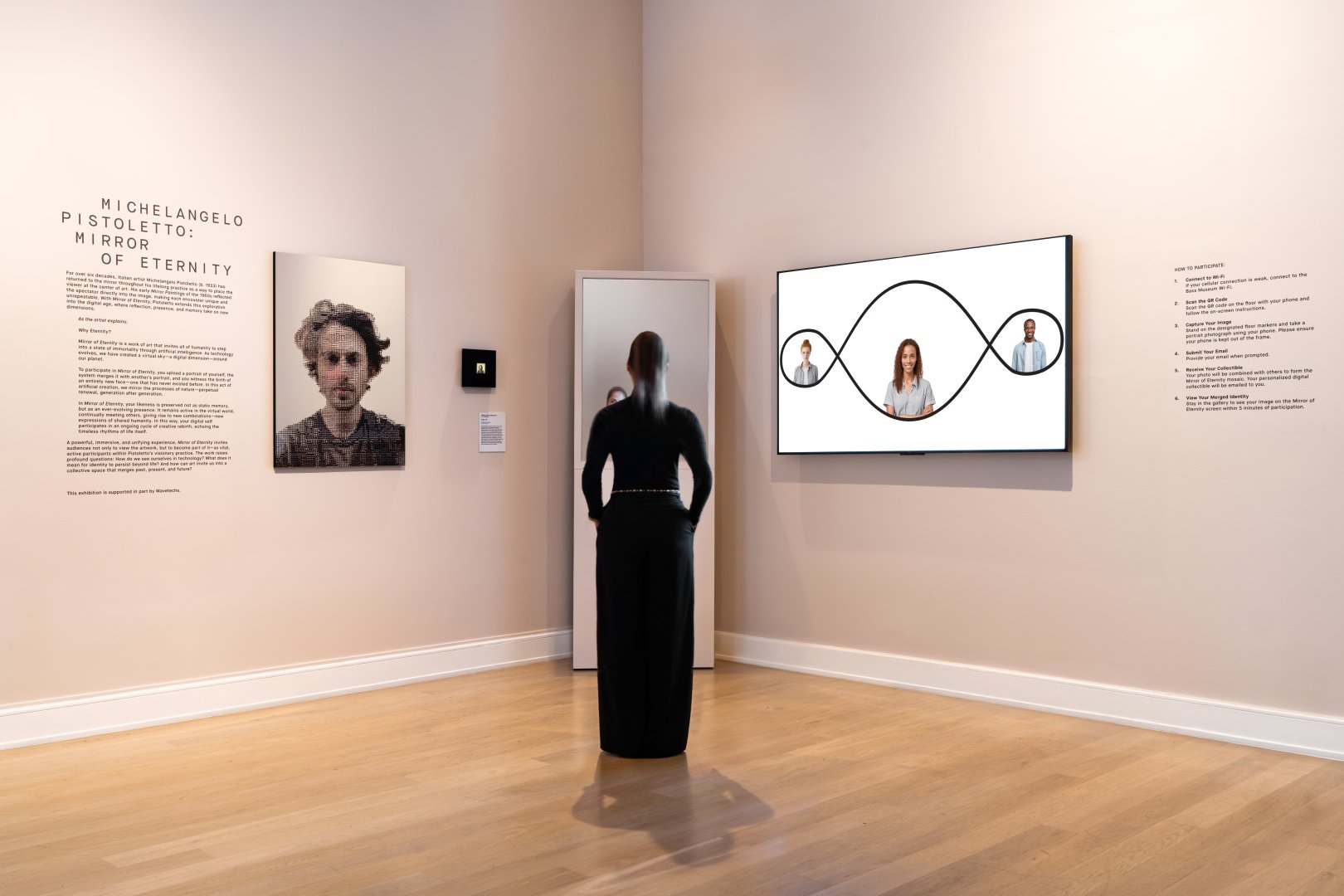
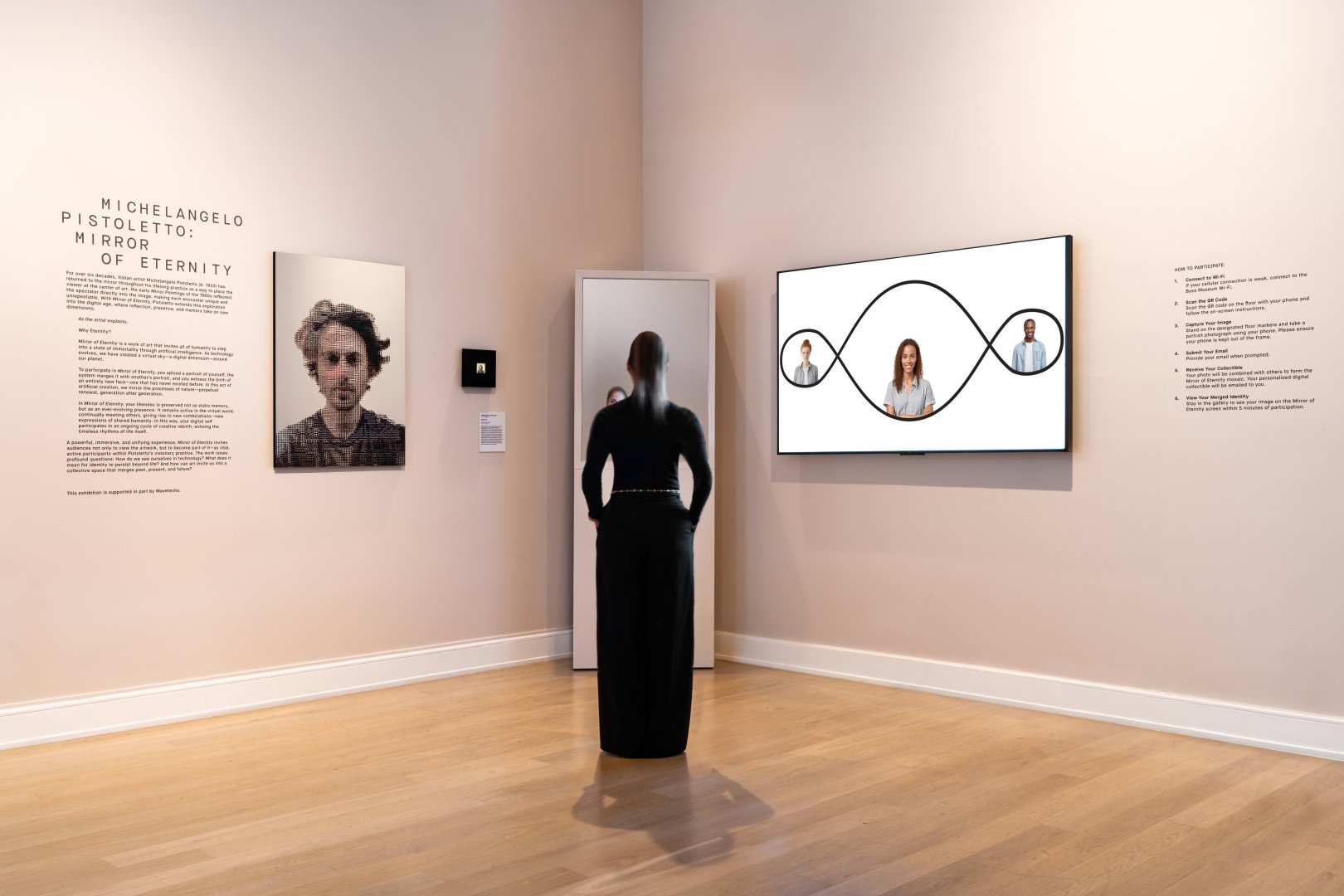
Another international project in the programme is Mirror of Eternity by Italian artist Michelangelo Pistoletto. Presented at the Heydar Aliyev Center, the project continues the artist’s longstanding exploration of the mirror as both a material and conceptual device. Throughout more than six decades of artistic practice, Pistoletto has used mirrors to make the viewer an integral part of the artwork. In his Mirror Paintings series, begun in the 1960s, the viewer’s reflection becomes incorporated directly into the work, making each encounter distinct and unrepeatable. In Mirror of Eternity, Pistoletto extends this idea into the digital age. The project employs artificial intelligence to combine human portraits, generating new faces that have never existed before. Participants upload their portraits to the system, which then merges them with another person’s portrait to create a new image. Each portrait thus exists not as a fixed record of memory, but as an evolving digital entity transformed through successive encounters. The project explores the relationship between humanity, memory, technology and the ever-changing nature of life.
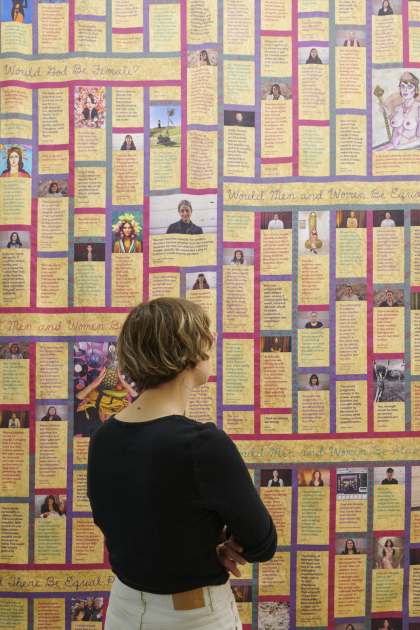
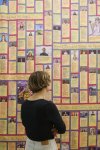
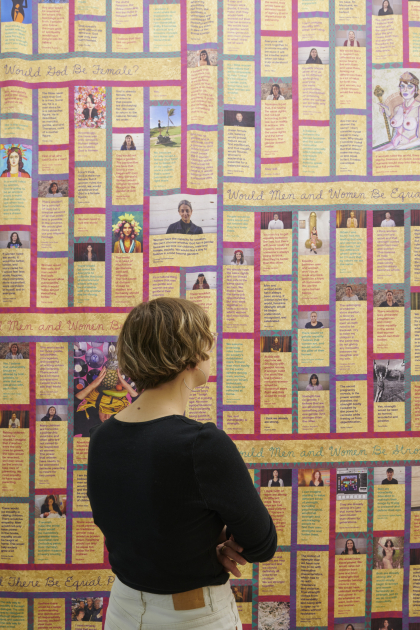
Another exhibition to be presented at the Heydar Aliyev Center is What If Women Ruled the World by the internationally renowned American artist Judy Chicago. The work will be presented in Baku and in the region for the first time. Created in collaboration with DMINTI, this interactive and continuously evolving project invites audiences to respond to questions posed by Chicago and contribute to the creation of a physical and digital quilt based on responses gathered from countries around the world. Since 2022, the project has developed a global archive encompassing the United States, Mexico, Argentina, the United Kingdom, France, Germany, the Netherlands, India and Türkiye. In Baku, visitors will be able to respond to the questions in an interactive recording booth, becoming part of the next stage of the artwork. The project invites audiences to imagine alternative futures grounded in empathy, collaboration and responsibility.
“Fly to Baku. Art Weekend. Sense the Future NOW” will also bring together leading representatives of contemporary Azerbaijani art.
One of the programme’s highly anticipated projects is the immersive exhibition When Nature Speaks. Heirs. Presented on the first floor of the Heydar Aliyev Center, the project explores the relationship between humans and nature through contemporary art, architecture, technology, sound, and performance. Inspired by the “Big Five” of the Caucasus, the exhibition comprises five sections and addresses themes including memory, biodiversity and responsibility for the future. At its heart are works by Leyla Aliyeva, reflecting empathy, compassion and a profound sensitivity towards the living world.
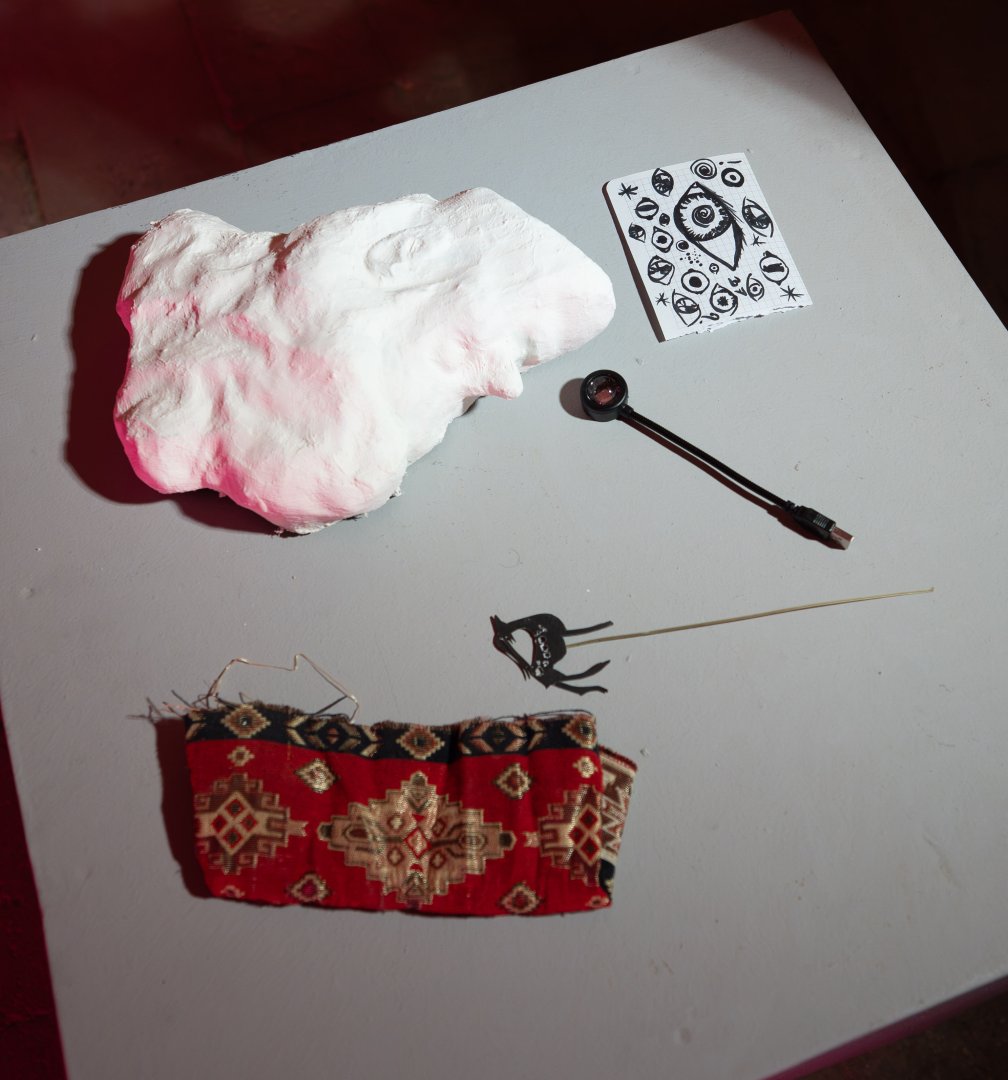
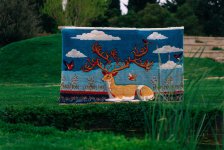
One of the artistic interpretations of the festival’s central theme - the “Big Five” - and its journey from nature into art is the “Var Yox” platform’s Legendary Creatures – An Azerbaijani Bestiary project. Presented in the park space of the Heydar Aliyev Center, the project connects mythological creatures from Azerbaijani folklore with the country’s “Big Five.” Here, animals emerge as carriers of local knowledge, folklore and collective memory, while underscoring the importance of preserving them for future generations.
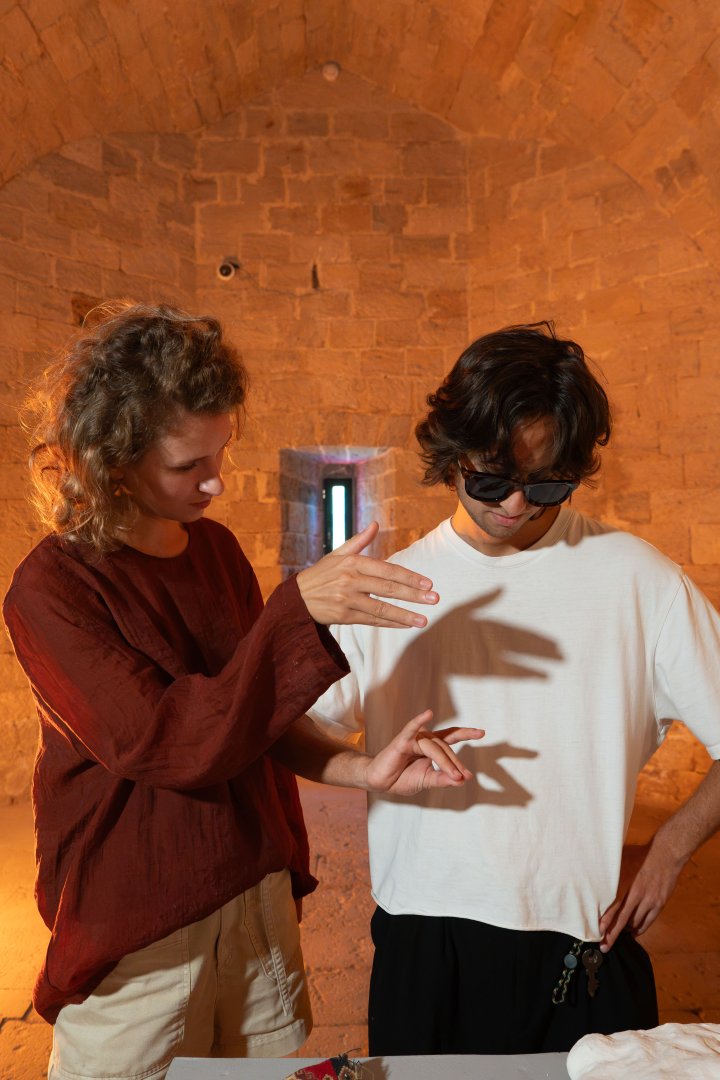
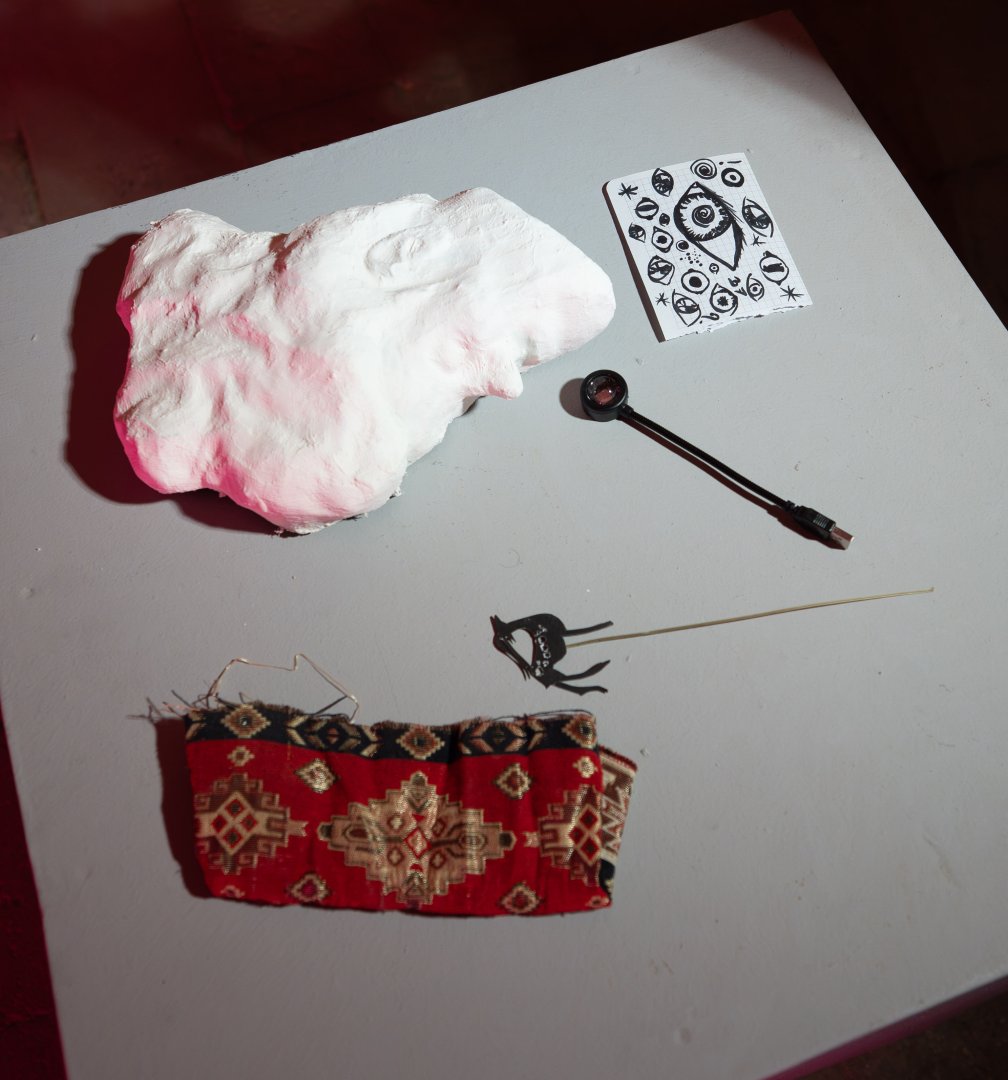
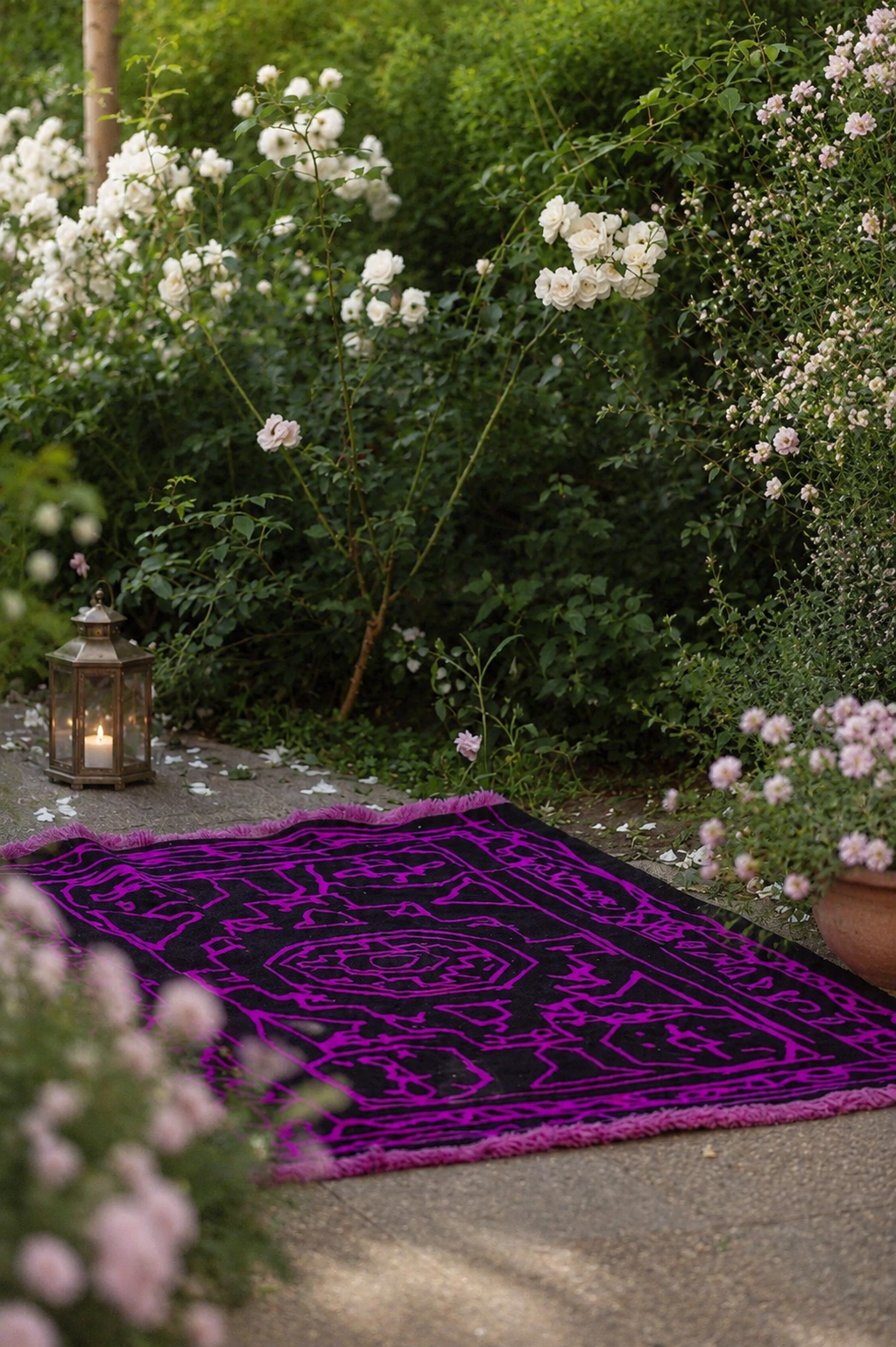
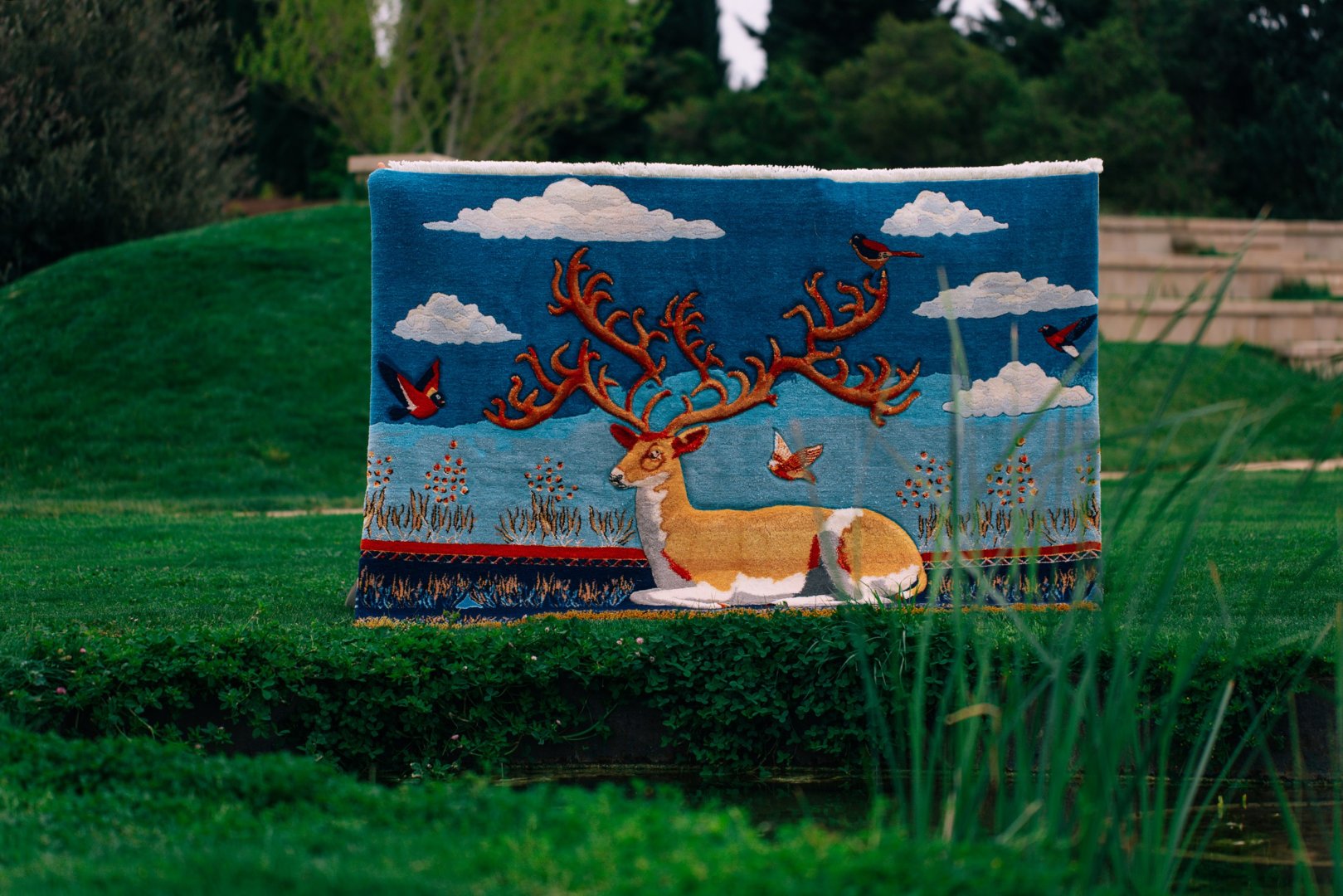
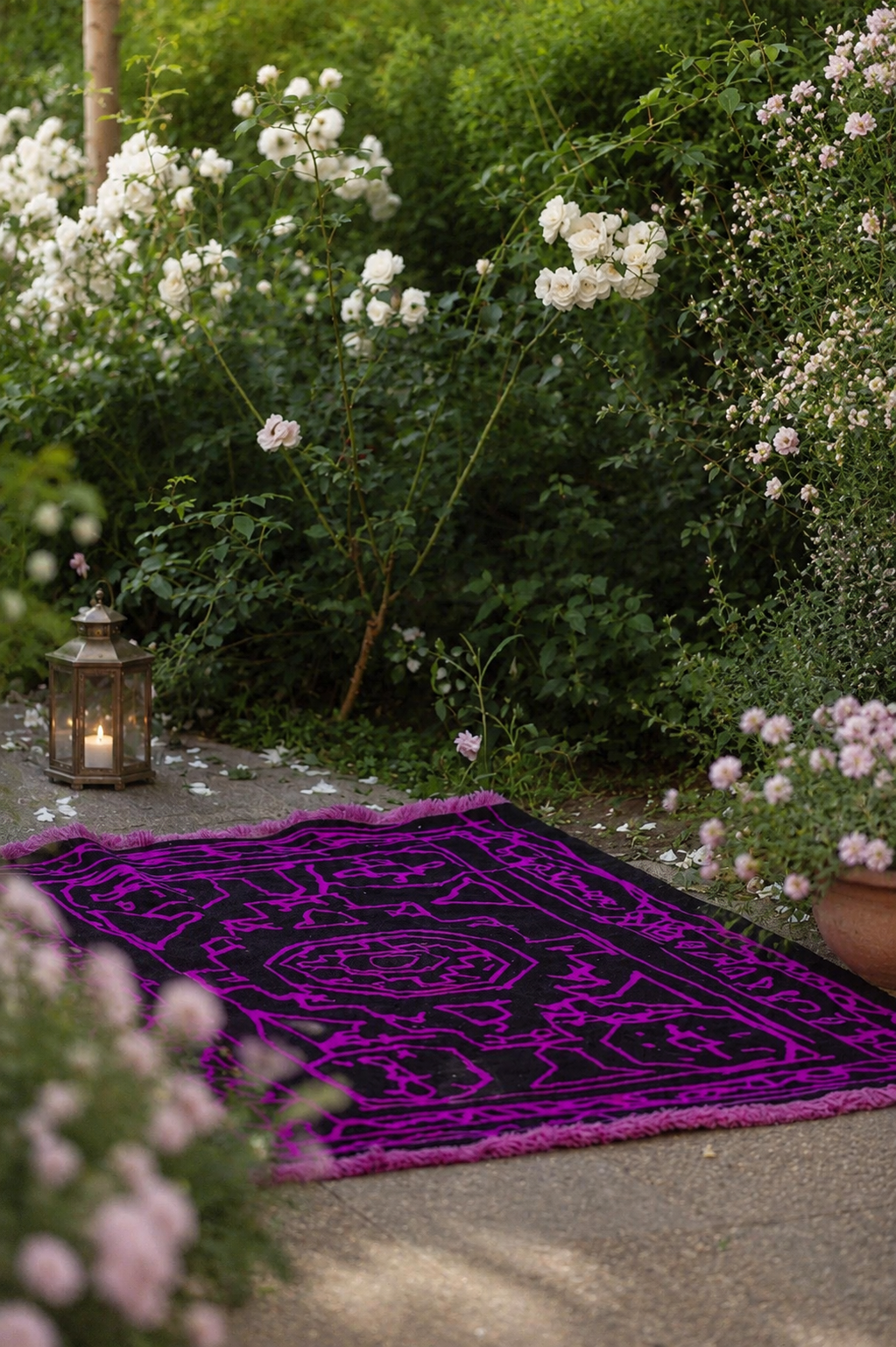
The solo exhibition Maiden Tower by renowned contemporary Azerbaijani artist Aidan Salakhova will be presented at the Azerbaijan National Museum of Art. Drawing on the artist’s childhood memories and emotions, the project revisits one of the region’s oldest and best-known legends surrounding the Maiden Tower through a poetic artistic language. Sculpture, painting, graphics, video works and a handmade carpet come together to form a cohesive artistic whole, creating an immersive experience for visitors. Memory, mythology, female power and imagination are among the project’s central themes.
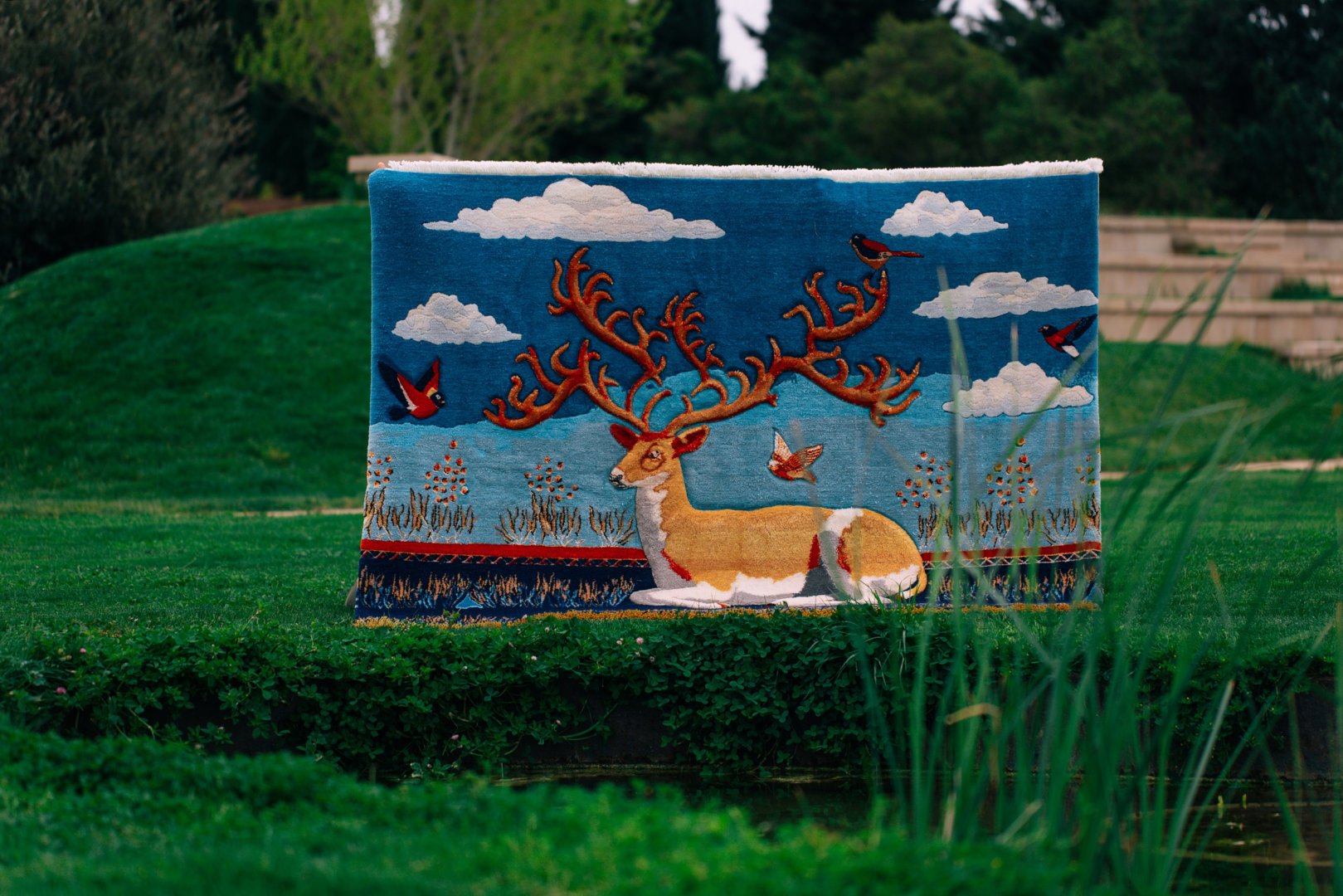
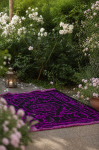
The joint exhibition Beyond Memory by artists Faig Ahmed and Farid Rasulov will be presented during the festival at QGallery in Icherisheher (Old City). The exhibition explores how cultural memory is preserved and transformed over time through works created by Ahmed and Rasulov in collaboration with Azerkhalcha OJSC. Beyond Memory approaches tradition not as a fixed legacy belonging to the past, but as a living process that is continually renewed and endowed with new meanings.
Faig Ahmed reinterprets traditional carpet patterns through distortion, fragmentation and digital intervention. In his practice, familiar ornaments retain their essential characteristics while entering a contemporary and continually evolving visual language.
Farid Rasulov, meanwhile, approaches memory through the lens of everyday life. Through domestic interiors, architectural elements and familiar objects, he explores the ways in which the past leaves traces in the spaces we inhabit and in the objects that surround us. Together, the artists’ approaches demonstrate how culture is formed, preserved and transmitted from one generation to the next. The exhibition offers a fresh perspective on the continuing dialogue between tradition and innovation.
The group exhibition Shimmering Symbols by the Atesh Hub platform will take place at the Palace of the Shirvanshahs. The exhibition explores the place of animal imagery in ancient Turkic mythology and Azerbaijani culture. At its centre is the “Big Five” of the Caucasus - the Caucasian leopard, goitered gazelle, grey wolf, brown bear, and imperial eagle. These animals are presented both as rare representatives of regional biodiversity and as symbolic figures shaped by collective memory.
The exhibition traces the transformation of animal imagery from ancient totemic beliefs to contemporary visual culture. Through new media and multidisciplinary artistic practices, these symbols are reinterpreted in the context of contemporary ecological, cultural and technological realities. Shimmering Symbols forms part of the Heirs art project. The exhibition features Sabir Abdullazade, Ramil Aliyev, Ilgar Aydin, Sabina Jafar, Riyad Huseynov, Emin Mathers, Maria Mozgovaya, Aliya The Mushroom, Tim Zaripov, and Alina Yusupova.
The exhibition Isolated Realities by Elnara Nasirli, presented at Fluxus Space, explores the interaction between a living organism and its surrounding environment. An organism not only adapts to its environment but also transforms it, leaving a range of physical and biological traces in the process. The exhibition examines how this interaction unfolds through space, repetition and biological traces, while also considering how local changes can influence broader ecological processes. Nasirli’s works combine scientific observation with an artistic and poetic approach. Physical traces and visual materials become a form of memory of the environments in which living beings exist. Isolated Realities invites viewers to perceive humans and nature not as separate entities, but as a unified system in which they continuously transform and reshape one another.
Rashid Al Khalifa’s installation Crate Maze – White, presented at Baku Khans’ Garden in Icherisheher, uses industrially painted storage crates as a metaphor for trade. On the one hand, the crates symbolise wealth; on the other, they resemble cage-like structures that protect valuable goods, ideas and cultural exchange while simultaneously imposing restrictions. Through its geometric arrangement, shifting light and shadows, and visually engaging structure, Crate Maze – White explores the dual nature of trade as both a limiting and connecting force. The work preserves heritage and historical memory while, at the same time, creating possibilities for movement and interaction across borders.
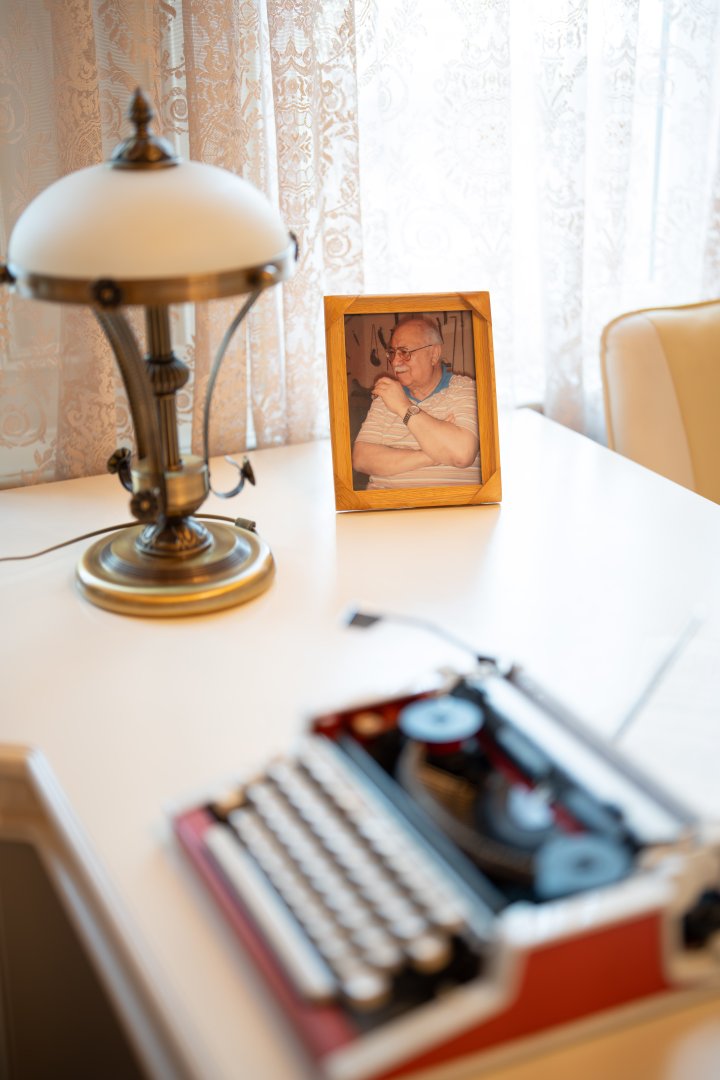
In addition, during the festival, visitors will be able to see Elnara Nasirli’s Isolated Realities, QUALIA: TRACE / CODE by Azerbaijani contemporary artist Nazrin Mammadova at Artefact Gallery, the group exhibition Everything Folds, Unfolds, Folds Again at Gazelli Art House, bringing together works by Manal AlDowayan, Sophia Al-Maria, Raya Kassissieh, Almаgul Menlibayeva, Elnara Nasirli, and Aziza Gadir, as well as Land of Carpets, an exhibition dedicated to the legacy of the founder of the Azerbaijan National Carpet Museum, prominent scholar and People’s Artist Latif Karimov, and the creative work of multidisciplinary artist Medina.