


BAKU, Azerbaijan, July 28. Azerbaijan’s healthcare system is being modernized based on digital transformation and international quality standards.
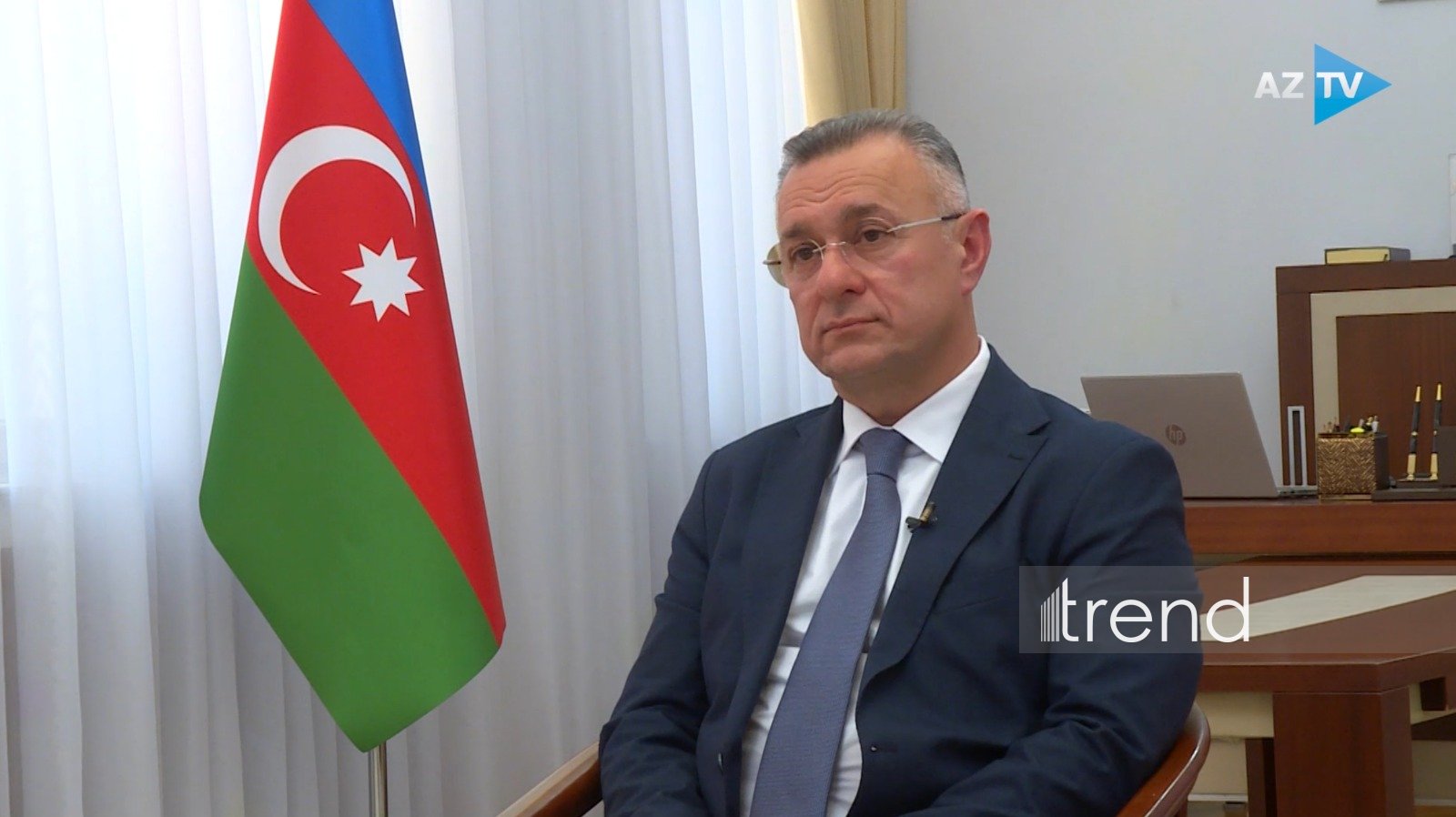
This was reported by Azerbaijan’s Minister of Health Teymur Musayev in a joint interview with Azerbaijan Television’s “Hadaf” program and Trend News Agency.
He noted that the accreditation of medical institutions in Azerbaijan is aimed at fostering a new culture of healthcare delivery.
According to the minister, the Center for Accreditation of Medical Institutions and Quality Control was established under the Ministry of Health by a decree signed by President Ilham Aliyev on May 15, 2024.
The main objective of the center is to safeguard and ensure the quality and safety of healthcare services provided to the population, as well as to continuously improve and maintain the standards of medical services delivered by healthcare institutions.
“The Center for Accreditation of Medical Institutions and Quality Control was established under the Ministry of Health by the decree of President Ilham Aliyev dated May 15, 2024. The center’s main objective is to preserve and ensure the quality and safety of healthcare services provided to the public, while continuously improving and maintaining the quality of medical services delivered by these institutions. Naturally, healthcare services consist of several components. The first thing that comes to mind is the structure of a medical institution, the standards applied there, and whether those standards are being properly followed.
This also includes monitoring the organization of medical processes, ensuring the quality and proper use of medicines, and overseeing whether surgical procedures, medical interventions, and treatment methods comply with established standards.
It also involves assessing whether medical personnel have the necessary knowledge, skills, and ability to properly follow approved methodologies. All of these elements together determine whether healthcare services meet modern medical standards.”
The minister noted that different approaches to healthcare accreditation and quality control exist around the world.
“There are countries that do not have dedicated institutional bodies responsible for accrediting healthcare facilities and overseeing quality. Instead, they rely on various private companies to carry out these functions.
The approach adopted in Azerbaijan is different. From the perspective of public responsibility, it represents a more comprehensive approach aimed at protecting citizens from non-standard medical procedures that do not meet modern requirements.
The institution that has been established is currently developing the necessary supporting systems to ensure these processes. This includes developing treatment methods and protocols for different diseases, as well as standardizing the assessment of medical professionals’ knowledge and practical skills.
Establishing hospital processes based on clear standards and monitoring their quality are also integral parts of this approach. At first glance, this may appear to be only about inspections and administrative measures. However, that is not the case. The goal is to establish a new culture of healthcare delivery. It is primarily a support mechanism, with patient safety as its main objective. Ultimately, patient safety means ensuring the safety of every citizen.
This is such a multidisciplinary and multi-institutional process that it cannot be limited to the work of a single center. Other institutions under the Ministry of Health are also involved, and all of them are working toward a common goal: ensuring that every Azerbaijani citizen receives safe and high-quality medical care at healthcare facilities.”
Musayev added that coordination mechanisms in this area have already been established, while processes are being digitalized based on modern management principles.
“These processes are being implemented through standardized process management approaches, and they are also being digitalized. In the future, we are preparing to integrate all processes into a unified digital healthcare ecosystem. Naturally, when an Azerbaijani citizen enters any licensed and accredited medical institution, they should be able to fully trust their health to the doctors and medical professionals working there.”
Certification of healthcare professionals is not a punitive mechanism but a tool for professional development

According to the minister, the certification process for medical professionals, which has been widely discussed in society, should not be viewed as a punitive or pressure mechanism. Its main purpose is to ensure the continuous professional development of healthcare workers and improve the quality of medical services provided to the population.
“You are absolutely right to point this out. This issue had been the subject of extensive discussion within the medical community for a long time. The position of the Ministry of Health has always been consistent. Our main goal is to ensure that healthcare professionals working in Azerbaijan have access to proper continuous medical education, create opportunities for ongoing professional development, and ultimately guarantee that our people and citizens receive high-quality medical services.
The certification exam itself is not a form of punishment, pressure, or an attempt to create difficulties for anyone. Naturally, there are people who feel anxious about taking exams or experience psychological challenges, and we understand that as well. Even during the period when discussions around the certification process among healthcare professionals were at their most intense, the pass rate for the certification exam stood at 97%. In other words, the public debate was much louder than the actual issue itself.
At the same time, conducting an exam once every five years allows us to assess a person's knowledge and skills, but it does not necessarily help improve them. Therefore, the Ministry of Health, as a central executive authority responsible for protecting the health of Azerbaijani citizens, introduced a new initiative.
As you know, amendments were recently made to the Law of the Republic of Azerbaijan ‘On the Protection of Public Health’. Under these amendments, in addition to taking the certification exam every five years, doctors and other healthcare professionals will now have another option. They will also be able to obtain certification by accumulating at least 250 credits over a five-year period through the Continuous Professional Development program,” he noted.
Teymur Musayev said that the Ministry of Health regularly updates the certification question database, and a new digital solution in this area will be introduced soon.
“The Ministry of Health regularly updates the question database. It incorporates more modern approaches and information on the latest treatment methods. A digital innovation in this area will also be introduced soon. For specialists who do not have the time or opportunity to collect an average of 50 credit points annually due to their intensive workload, and who prefer to take the exam instead, a dedicated application will be launched. The application will include the entire question database. There is nothing that needs to be hidden here. Knowledge should not be restricted; on the contrary, it should be promoted and shared.
Each question in the database will include the correct answer, along with an academic explanation. This means users will not only see which answer is correct, but also understand why it is correct, with a full academic explanation provided without the need to search for additional sources,” he emphasized.
Medical Digital Twin System puts Azerbaijan among global leaders in digital healthcare
The minister said that, as part of ongoing healthcare reforms, significant efforts are being made to assess doctors’ knowledge and skills, support continuous professional development, and accelerate the digital transformation of the healthcare system.
“This will happen in the near future. Work in this area is already underway. Let me provide some key details: we have obtained question banks covering 65 medical specialties. These are based on the well-known Board Exam system used in the United States. We have officially acquired the questions for these 65 specialties. They have been translated into Azerbaijani, and the examination modules are being developed based on these materials.
Naturally, questions aligned with our own curriculum have also been added. There are no difficulties in this regard. On the contrary, this is simply a supportive mechanism. I would like to reiterate that examinations have their own role, but we would very much like our specialists to actively participate in Continuous Professional Development programs, earn credit points, and stay closer to new knowledge and modern approaches,” he noted.
Teymur Musayev noted that digitalization has become one of the key priorities in all sectors, including healthcare, and that the projects being implemented in this field could mark the beginning of a new phase for Azerbaijan’s healthcare system.
“The Ministry of Health is continuously working on the digital transformation of Azerbaijan’s healthcare system. As a logical outcome of these efforts, the presentation of the Medical Digital Twin System was held last month at the Gulustan Palace, with the participation of government representatives and the broader medical community.
As you know, digital technologies and artificial intelligence are fundamentally transforming the work of professionals across almost all sectors today. Healthcare, as an integral part of this broader landscape, is also actively participating in the digital transformation process.
Digitalization is not simply about introducing technical solutions or software systems; it represents a new healthcare culture. In this regard, the implementation of the Medical Digital Twin System has placed Azerbaijan among the world’s 20 leading countries in this field, while the country ranks among the top ten globally in terms of the data exchange standards being used.
The Medical Digital Twin System is a unified digital platform. It contains all medical information collected about an individual from the moment of birth until the end of their life. At the same time, this platform is not merely a database—it is also a healthcare services platform. It includes features such as booking medical appointments, medication tracking, reminder systems, telemedicine services, and even tools that allow parents to monitor their children’s health status.
We see three main user groups benefiting from this platform. The first group is, naturally, our citizens. Regardless of which medical institution they visit, their health records will be collected within a single platform. Even while abroad, they will be able to provide this information to medical professionals anywhere in the world and receive consultations regarding their health. The second group is healthcare professionals. The system will enable doctors to make a more accurate, objective, and comprehensive assessment of each patient’s health condition. The third group is government representatives. The collected data will expand opportunities for making strategic decisions. Authorities will gain access to objective information on the future development and spread of infectious and non-communicable diseases among the population, as well as trends related to specific health conditions.
Based on this information, important strategic decisions can be made. Therefore, I encourage every citizen to actively join this platform and take advantage of the opportunities provided by the Medical Digital Twin System,” he noted.
Modern healthcare infrastructure being developed in liberated territories
According to the minister, one of the key priorities of the large-scale reconstruction and redevelopment efforts in Azerbaijan’s liberated territories is the creation of modern healthcare infrastructure.
“This is a very important issue. An integral part of rebuilding the settlements, cities, and villages that are being restored from the ground up for our compatriots returning to their native lands following their liberation by our victorious Armed Forces under the leadership of the Supreme Commander-in-Chief is the establishment of a healthcare system in these areas. When we talk about the healthcare system, we mean everything from primary healthcare services to the construction of secondary-level hospitals. Primary healthcare facilities include rural medical posts, doctors’ offices, family health centers, and district central hospitals. The Ministry of Health is responsible for the construction of eight district central hospitals and ten specialized medical centers. Once completed, these facilities will be transferred to the Management Union of Medical Territorial Units (TABIB) and made available to serve the population.
Our first project was implemented in Shusha. As you know, the Shusha Medical and Health Center has been built and commissioned. This is a unique facility. The center has a total capacity of 90 beds, including 50 general hospital beds. These cover surgical, maternity, and pediatric departments. In addition, the center will provide sanatorium and rehabilitation services, with 40 beds specifically allocated for this purpose.
During the Soviet period, Shusha was home to the well-known Turshsu sanatorium, which became a place where many people sought treatment and recovery. It was decided that these services should also be provided at the Shusha Medical and Health Center, ensuring accessibility for our citizens and allowing people to benefit from the healing properties of the famous Turshsu springs. The hospital is already operational, and we believe it will reach full capacity in a short period of time,” he said.
Organ donation system in Azerbaijan operates through fully transparent mechanisms

According to the minister, the Organ Donation and Transplantation Coordination Center was established under the Ministry of Health by a decree signed by President Ilham Aliyev on December 8, 2020. The center is responsible for organizing organ donation and transplantation services in Azerbaijan and ensuring that the system operates in a fully transparent manner.
“Based on the decree signed by President Ilham Aliyev on December 8, 2020, the Organ Donation and Transplantation Coordination Center was established under the Ministry of Health of the Republic of Azerbaijan. This institutional body is responsible for organizing organ donation and transplantation services in our country. I would particularly like to emphasize that the existence of such an institution allows these services to be provided in Azerbaijan with full transparency. Since the very first day of its establishment, a number of important measures have been implemented to build this system.
First and foremost, around ten state registries have been created and put into operation. I would like to mention several of them: the registry of individuals willing to become voluntary donors, the registry of medical institutions engaged in organ donation and transplantation, the registry of specialists working at these institutions, and the registry of coordinators responsible for managing these processes. All of these subsystems are mechanisms that currently ensure the accessibility and proper functioning of organ donation services in Azerbaijan,” he mentioned.
The minister stressed that organ donation in Azerbaijan is organized in an open and transparent manner.
“Organ donation in our country is organized in a transparent and open manner. There is an Ethics Commission operating under the Ministry of Health on a public basis. Every patient in need of an organ transplant and every donor must undergo a review by this commission. Once the transparency of the process and its compliance with legislation are confirmed, transplant procedures are carried out by our specialists. As a result of awareness campaigns, nearly 1,700 people in Azerbaijan have officially declared their willingness to become voluntary donors and have registered accordingly. This figure continues to grow steadily. We are truly pleased to see the active and conscious participation of our citizens and society in this process,” he added.
The minister said that one of the key areas of activity of the Coordination Center is raising public awareness, and that these efforts now cover all regions of the country.
“One of the main areas of activity of the Coordination Center you mentioned is precisely the implementation of awareness campaigns. These initiatives are not limited to Baku; they are being conducted across almost all regions of the country. Awareness programs are mainly organized in schools, universities, and colleges. We want to help shape the mindset of the younger generation. Indeed, if a person can save someone else’s life or extend someone’s life by donating their organs after death, there can hardly be a greater mission.
According to statistics from last year, a total of 352 transplant operations were performed. Of these, 111 involved corneal transplants, including 24 procedures carried out using corneas from deceased donors. A total of 104 kidney transplants were performed in the country, 17 of which involved organs obtained from deceased donors. In addition, 58 liver transplants were carried out, including 10 made possible through deceased donors. To date, three heart transplant operations have been performed in Azerbaijan. At the same time, 77 bone marrow transplants have been carried out. Of these, 36 were performed in Azerbaijan, while 41 were conducted in Türkiye under various state programs.
Overall, Azerbaijan is a regional leader in this field. Our specialists have already proven this in practice. Many significant milestones in transplantation have been achieved in Azerbaijan. These include kidney transplantation from deceased donors and liver transplantation from deceased donors. The most important achievement, however, is heart transplantation, which remains one of the most complex and significant procedures for any physician and healthcare professional. All three of these types of transplantation have already been performed in Azerbaijan, and we are a regional leader in this area,” he added.
Musayev emphasized the importance of these achievements, particularly heart transplantation, from a social perspective.
“I would especially highlight heart transplantation as the highest point of these achievements. The reason is that this process is perceived differently by society. It demonstrates that our society is becoming more open to such developments and that citizens understand and accept this process in the right way. We have repeatedly witnessed situations where even families of patients in terminal conditions supported this process. On the one hand, there is naturally grief; on the other hand, there is a sense of hope and even joy. When people donate their organs, it represents a unique mission—a deeply human mission. We believe that the number of such cases will continue to increase,” he emphasized.
The minister also noted that work is being carried out not only in the field of donor transplantation but also in the development of artificial organs using modern technologies. “As you know, research is also underway on the development of artificial organs using advanced technologies. Some of these solutions are already undergoing trials, even if only as temporary options. We believe that significant breakthroughs will be achieved in this area in the near future, and our population will also benefit from these advances,” he said.
Speaking about the effectiveness of organ transplantation, Musayev said that current success rates in this field are very high. According to him, thanks to modern medicines and proper donor-organ matching and transplantation procedures, recipients can live for many years after surgery.
“We are talking about survival periods exceeding decades. I would also like to particularly emphasize that the first Eye Bank in the region was established at the National Ophthalmology Center named after Academician Zarifa Aliyeva. Corneas obtained from deceased donors are received there, evaluated, processed, and then transplanted to citizens in need. In other words, this process is becoming faster, and the necessary infrastructure is fully in place. As a result, access to such complex procedures and treatment methods, which require strong institutional support, has increased significantly,” he noted.
A Cell Therapy Center is being established in Azerbaijan

Minister of Health Teymur Musayev also spoke about ongoing developments in the healthcare sector and upcoming innovations. He noted that Azerbaijan has introduced a number of important advancements in medicine in recent years.
“First of all, I would like to mention the Department of Plastic, Reconstructive and Maxillofacial Surgery at the Scientific Surgery Center named after Academician Topchubashov, which has been renovated and reopened to serve our population. Another important development is the Clinic of Plastic, Aesthetic and Reconstructive Surgery at the Azerbaijan State Advanced Training Institute for Doctors named after Academician Aziz Aliyev. The clinic has undergone major renovations, has been equipped with state-of-the-art medical technologies, and has already started operations. The clinic performs highly complex reconstructive procedures. These include surgeries required after severe burns and extensive surgical interventions.
Meanwhile, the department established at the Scientific Surgery Center that I mentioned earlier has already achieved several regional milestones in maxillofacial surgery, including complex reconstructive facial and jaw procedures. We created these two centers with the goal of establishing them as clinical training bases where our residents can receive high-quality education and practical training in these specialties under appropriate conditions.
Another important development is the establishment of the Department of Interventional Cardiology and Cardiac Surgery at the Research Institute of Cardiology. Further modernization work is continuously underway at the institute, with new equipment being purchased and installed. I believe we will achieve another significant milestone in the near future. We will share details with you once the time comes, and you will also be invited to the opening ceremony.
Another area I would like to highlight is cell therapy, which is being actively introduced around the world and is recognized as a highly promising treatment approach for a number of serious diseases. We are currently establishing a cell therapy center in Azerbaijan together with our Chinese colleagues. We believe that our local specialists will also make an important contribution to this process. It is particularly encouraging that many of our citizens who studied abroad have returned to Azerbaijan. They are not only practicing physicians; many of them also hold academic degrees in the field of cell therapy. The necessary infrastructure is currently being developed, and once the center becomes operational, it will offer new hope for people suffering from conditions such as diabetes, cerebral palsy, and multiple sclerosis. I believe that Azerbaijan will also achieve a regional first in this area,” he emphasized.
Musayev also returned to the issue of transplantation and highlighted Azerbaijan’s international initiative in this field.
“When we were discussing transplantation, there was one point I did not mention, and I believe it is important to add it. Azerbaijan has also launched an international initiative in the field of transplantation. This is the creation of a unified information platform called ‘Turk Transplant’ among member states of the Organization of Turkic States and countries participating as observers. This initiative was proposed by Azerbaijan in 2023 and received very positive feedback from all brotherly countries. Important steps have already been taken to launch the platform, ensure its operation in accordance with international law and standards, and establish proper cross-border data exchange mechanisms. The combined population of the participating member and observer countries exceeds 170 million people. At the initial stage, the platform is expected to focus primarily on creating a unified registry of recipients in need of bone marrow transplants and potential donors. Following the launch of the first exchanges, cross-matching transplantation involving solid organs is planned at the next stage. I believe this initiative will play an exceptional role in further strengthening the bonds of cooperation and solidarity among brotherly countries,” he said.
The minister said that the opening of the cell therapy center is not expected to take place earlier than a year and a half from now: “Certain steps need to be completed before that. A pilot implementation may be possible, but this requires a comprehensive approach. The issue is not only whether the necessary technical infrastructure exists. It is equally important that the professionals working there operate according to unified standards. Any new treatment method must be introduced in safe and responsible hands so that public confidence can grow and we can achieve genuinely positive outcomes.”
Diploma course in Chinese and Korean medicine to be launched in Azerbaijan
Minister Teymur Musayev also discussed traditional medicine. According to him, the issue is not about rejecting the past or any particular treatment approach, but rather about applying methods that have a scientific evidence base.
“Traditional medicine has a history spanning thousands of years. Over the past decade, medicine has increasingly embraced an approach known as integrative medicine. Later, the term functional medicine also became widely used, but the concept of integrative medicine remains extremely important. It represents a different culture of healthcare practice. The issue is not rejecting the past or any particular method, but applying such approaches based on scientific evidence.
When some people refer to traditional medicine, they may mean various folk remedies, and I will not comment on that, as it is a separate issue. However, when we talk about traditional medicine, traditional Chinese medicine has proven its effectiveness in a number of areas and has demonstrated value both in treating certain diseases and in preventive healthcare approaches. Traditional Korean medicine and other forms of Eastern traditional medicine are also part of this field. Azerbaijan is also an integral part of this process. I would particularly emphasize that Azerbaijan’s medical community has always been open to such approaches, which is a positive development. As the Ministry of Health, we have taken steps in this direction, and preparations are currently underway to organize a diploma course in Traditional Chinese Medicine at the Azerbaijan State Advanced Training Institute for Doctors named after Academician Aziz Aliyev, in cooperation with Beijing University of Chinese Medicine in the People’s Republic of China. The course will be conducted in English and will be open not only to Azerbaijani doctors but also to foreign physicians from the region and internationally. The duration of the program may be one or two years.
A similar approach applies to traditional Korean medicine. Negotiations are currently underway with relevant Korean authorities, and this program will also be introduced in Azerbaijan in the near future. I believe these courses will be of interest to family physicians working in Azerbaijan, medical professionals with basic medical training, and specialists from various fields. They will enrich the methods used in their daily practice, expand treatment options, and create additional opportunities for our citizens to benefit from different approaches. These methods are particularly widely and effectively used in areas such as rehabilitation, chronic diseases, chronic pain management, and other fields.
Phytotherapy, or treatment using medicinal plants, is also included in this area. This represents a comprehensive approach. It would be incorrect to deny these methods. There is public interest in them, and in order to ensure that they are applied safely, they should be practiced by individuals with proper medical education. For those who already have medical training and a professional specialization, this can become an additional tool to strengthen their practice. Azerbaijan already has its own specialists in this field, and a certain professional school has been established. There are experts working both in the private and public sectors. We believe that involving them in this process will help elevate Azerbaijan’s traditional medicine expertise to a new level,” he said.
Promoting healthy lifestyles is a key healthcare priority
The minister also highlighted the growing importance of promoting healthy lifestyles, noting that this is directly among the responsibilities of the Ministry of Health.
“This is an integral part of Azerbaijan’s Social and Economic Development Strategy for 2022–2026, and this area has been directly assigned to the Ministry of Health — ensuring the promotion of healthy lifestyles among the population. That is why, through close cooperation between the Ministry of Health and Healthy Radio 93 FM, which is well known to the public, this initiative has reached a new level. The radio station launched its first broadcast on June 3, 2024. Since then, it has been on air regularly five days a week.
There are two main daily programs: ‘Healthy Morning’, broadcast from 08:00 to 10:00, and ‘Healthy Life’, broadcast from 18:00 to 20:00. In addition, a segment called ‘Healthy News’ is aired at the end of each hour. I believe the number of listeners and followers is significant. These programs feature our medical experts, leading specialists from research institutes, and even heads of those institutions. Through these programs, we provide the public with accurate, scientifically based information about healthy lifestyles.
As you know, modern media has developed rapidly. Today, almost anyone can reach a large audience, regardless of whether they have sufficient expertise. If people trust that audience, they must also understand the responsibility that comes with providing information and ensuring its accuracy. That is why Healthy Radio invites only professional experts who understand their field and have dedicated many years of their careers to healthcare. The information they provide is scientifically grounded. Whether we are talking about healthy nutrition, physical activity, exercise, everyday hygiene practices, or other aspects of a healthy lifestyle, all such information should be communicated to the public on a scientific basis. I would particularly emphasize that the radio does not broadcast advertisements for medicines, medical services, or healthcare centers during commercial breaks. This is prohibited. These programs are exclusively dedicated to promoting healthy lifestyles.
The station has been operating for two years and has built a broad audience. When it marked its first anniversary, I personally visited the studio as a guest and witnessed the enthusiasm and interest surrounding the project. I believe that, thanks to the information provided by the radio and broadcast across all regions of the country, we will continue to see citizens taking a more conscious, serious, and responsible approach to their health. People should view their health as the greatest and most valuable asset they possess and take steps to preserve and improve it. Naturally, the Ministry of Health, medical institutions, doctors, and healthcare professionals are fulfilling their responsibilities, but every citizen must also take personal responsibility for protecting their own health,” he mentioned.
New healthcare requires training a new generation of medical professionals

The Minister of Health also spoke about the application of artificial intelligence in healthcare. He noted that robotic surgery was performed for the first time in Azerbaijan and the region at the National Oncology Center, with the operation carried out while Azerbaijani surgeons were present on site and their colleagues participated remotely from China:
“Healthcare and medical services are entering a new era. This new healthcare environment requires the training of a new generation of medical professionals. In this regard, medical colleges, medical universities and medical faculties operating in our country have played and will continue to play an exceptional role. It is not easy to predict what a healthcare professional of tomorrow will look like or what skills they will need. The key requirement is that they must be open and ready for change. Therefore, all of the institutions I mentioned are creating conditions not only for learning about IT technologies used in medicine, but also for acquiring fundamental IT knowledge.
At the same time, we need to establish applied science centers and laboratories so that, through the integration of applied science with the educational process, we can train specialists who are fully open to innovation. In my view, this should not be limited to departments or research laboratories within universities. We need to pursue this through international cooperation. That is why the Ministry of Health is consistently working to establish direct links between our medical institutions and leading global centers of medical science. These include joint programs and joint research projects.
Another important issue is artificial intelligence. Yes, artificial intelligence is a tool that is continuously improving. When used properly, this tool can help improve the quality of healthcare services and ensure that treatment methods and other measures aimed at protecting public health are implemented in a safe and reliable manner.
At the same time, it is a tool that requires a high level of responsibility from us. We must not overlook the human factor. I believe that human interaction and the trust one person places in another are fundamental aspects of human nature. It is possible that one day artificial intelligence will reach a level where its actions will require clear legal and ethical frameworks. This is inevitable.
From this perspective, the field we are discussing today may become one of the first areas requiring such a comprehensive approach. Education is perhaps another key area. These two sectors must address this issue very seriously.
Every country has its own culture, heritage, traditions and ethical standards. These characteristics are unique. I am not saying that we should resist change; globalization is taking place, and this is clear. However, we must also preserve these distinctive features. When it comes to healthcare, I repeat that artificial intelligence is a unique tool. If applied correctly, I believe it opens up unprecedented opportunities. We must remain open to it,” the minister concluded.



