


BAKU, Azerbaijan, November 8. An intense struggle had also been taking place behind the front lines during the 44-day Patriotic War to save the lives of Azerbaijani servicemen who were confronting the enemy on the battlefield. Doctors working day and night in hospitals near the front zone mobilized all their resources to bring the severely wounded back to life. At times, they would stand at the operating table for hours, providing medical care to the wounded who were brought in one after another.
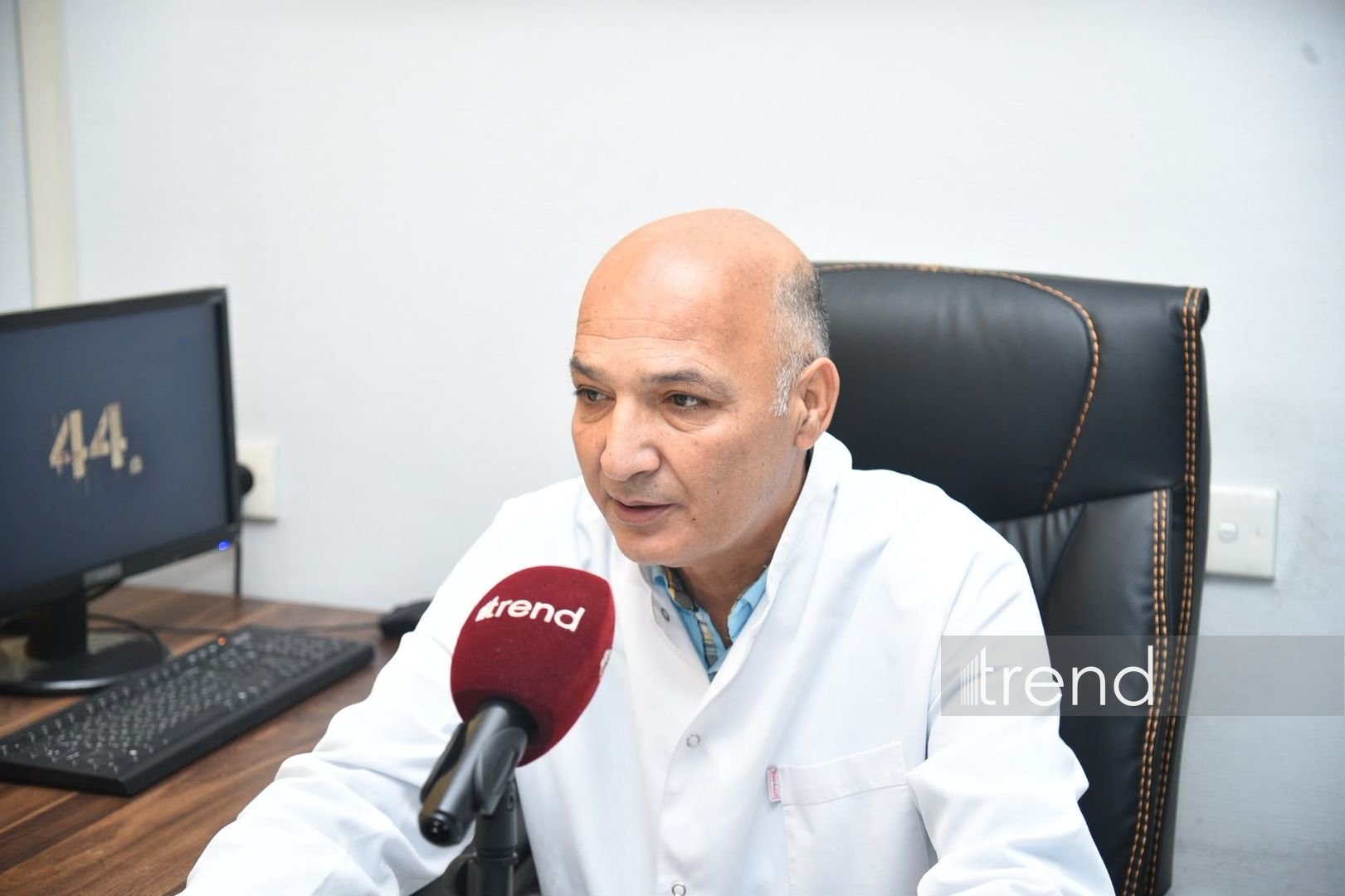
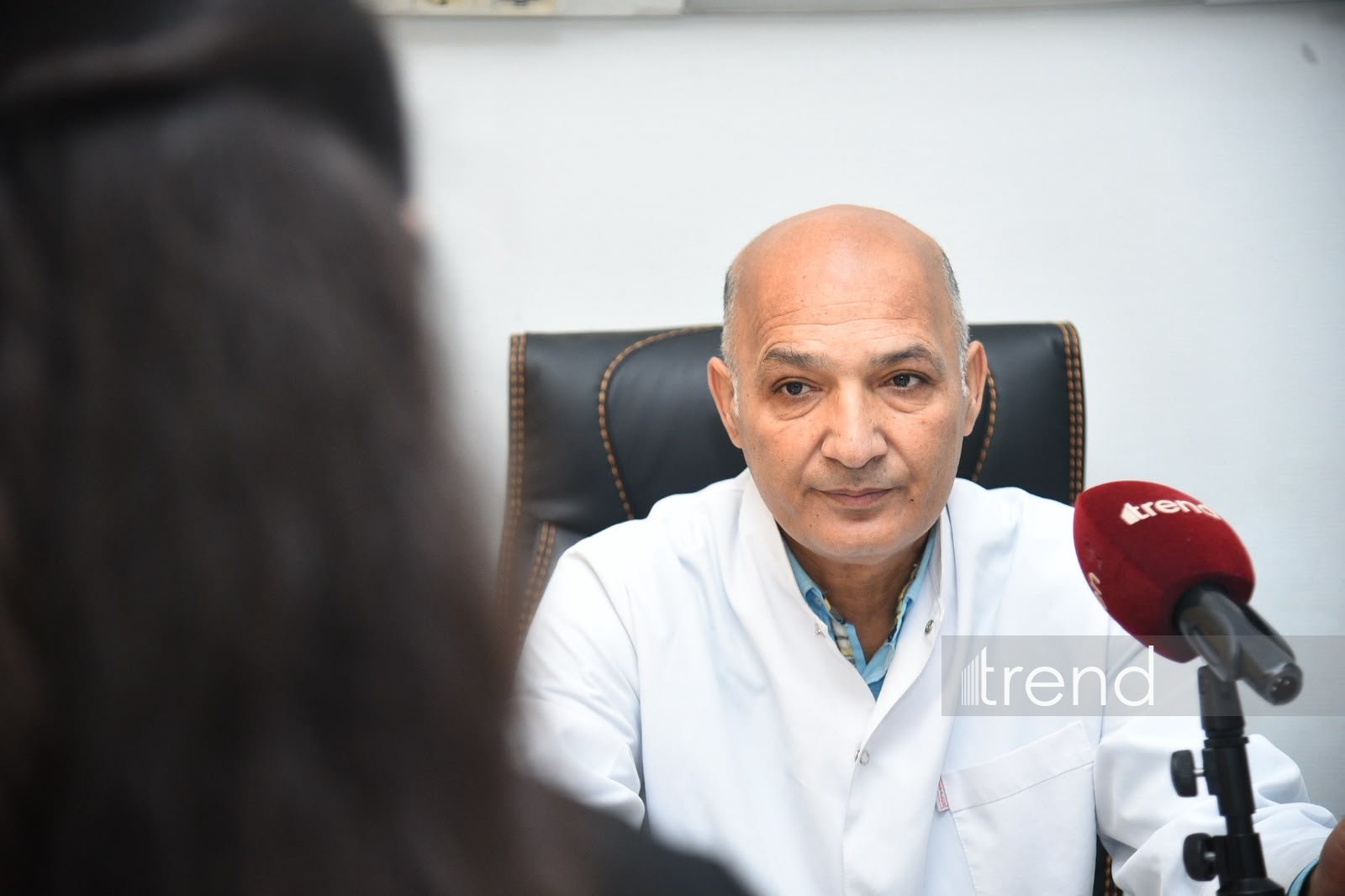
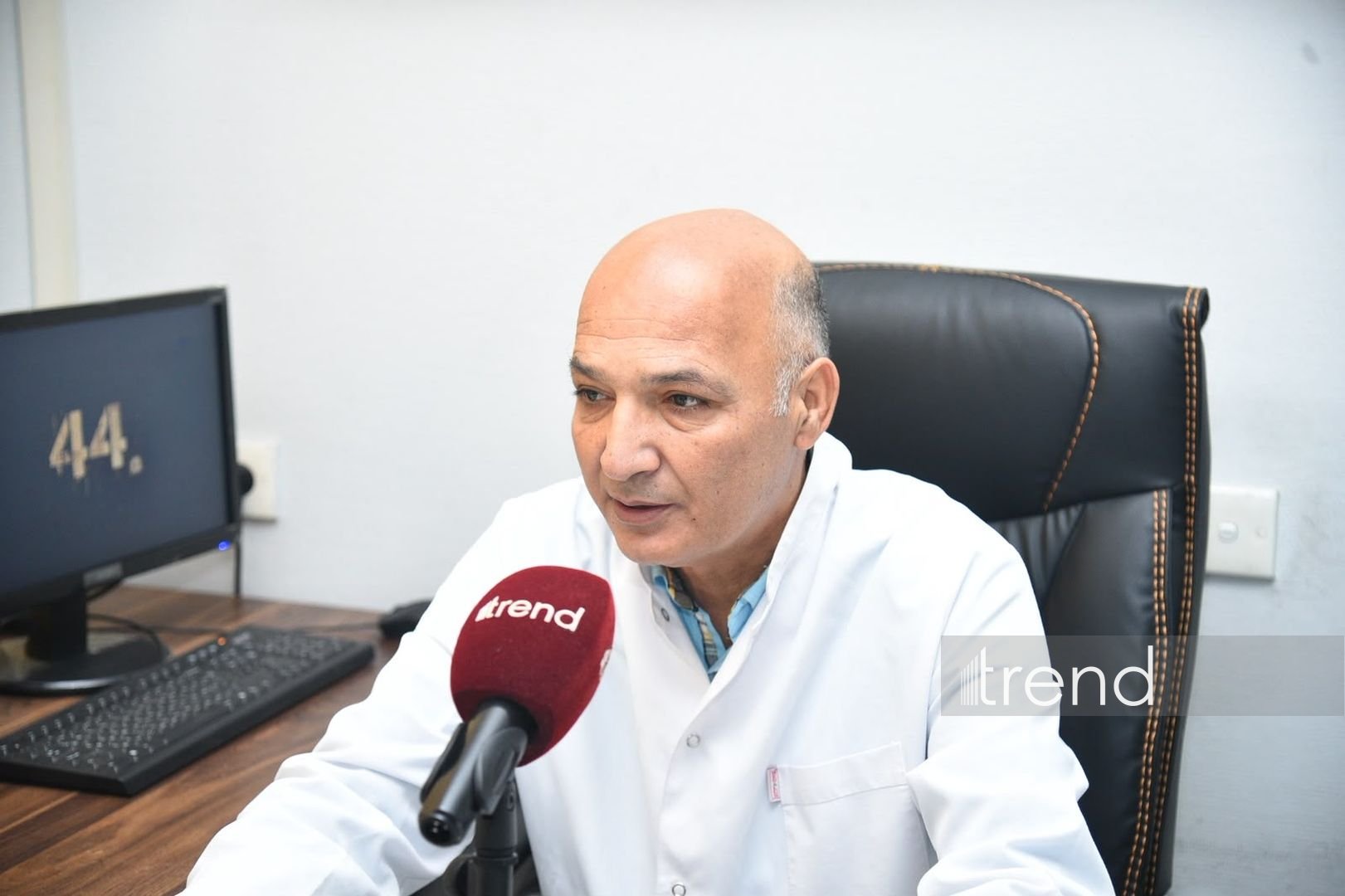
On the eve of November 8 - Victory Day - we spoke with surgeon Ayaz Yagubov, who participated in the treatment of Azerbaijani wounded servicemen in the Aghjabadi district during the Patriotic War. He recounted his deployment to the front zone in the early days of the war, the treatment of the severely wounded, the events that left an indelible mark on his memory, and how he received the news of the Victory.
"We applied to go to front, but were told to wait"
The surgeon noted that on September 27, 2020, the day the war began, he was at home and learned of the events through social media. That same day, the news that his relative, the pilot Abbas Gasimov, had become a martyr came as a heavy blow to his family.
"It was Sunday, and we were at home. We were checking social media when we saw that the war had begun. That evening, we received news that my relative, the pilot Abbas Gasimov, had been martyred. Following this, we went to our workplace and expressed our desire to head to the front line. However, we were told to wait.
Finally, on October 2–3, we were granted permission to go to the front-line zone. I was assigned to the Aghjabadi hospital. This facility had been constructed as a pavilion-style complex and was one of the medical institutions closest to the front line," he said.
According to the doctor, from October 6–7 onwards, the influx of severely wounded individuals into the hospital intensified. On some days, the number of wounded patients admitted reached 30, 40, or even 50 people.
"Fate of soldier named Tarverdi remains etched in my memory"
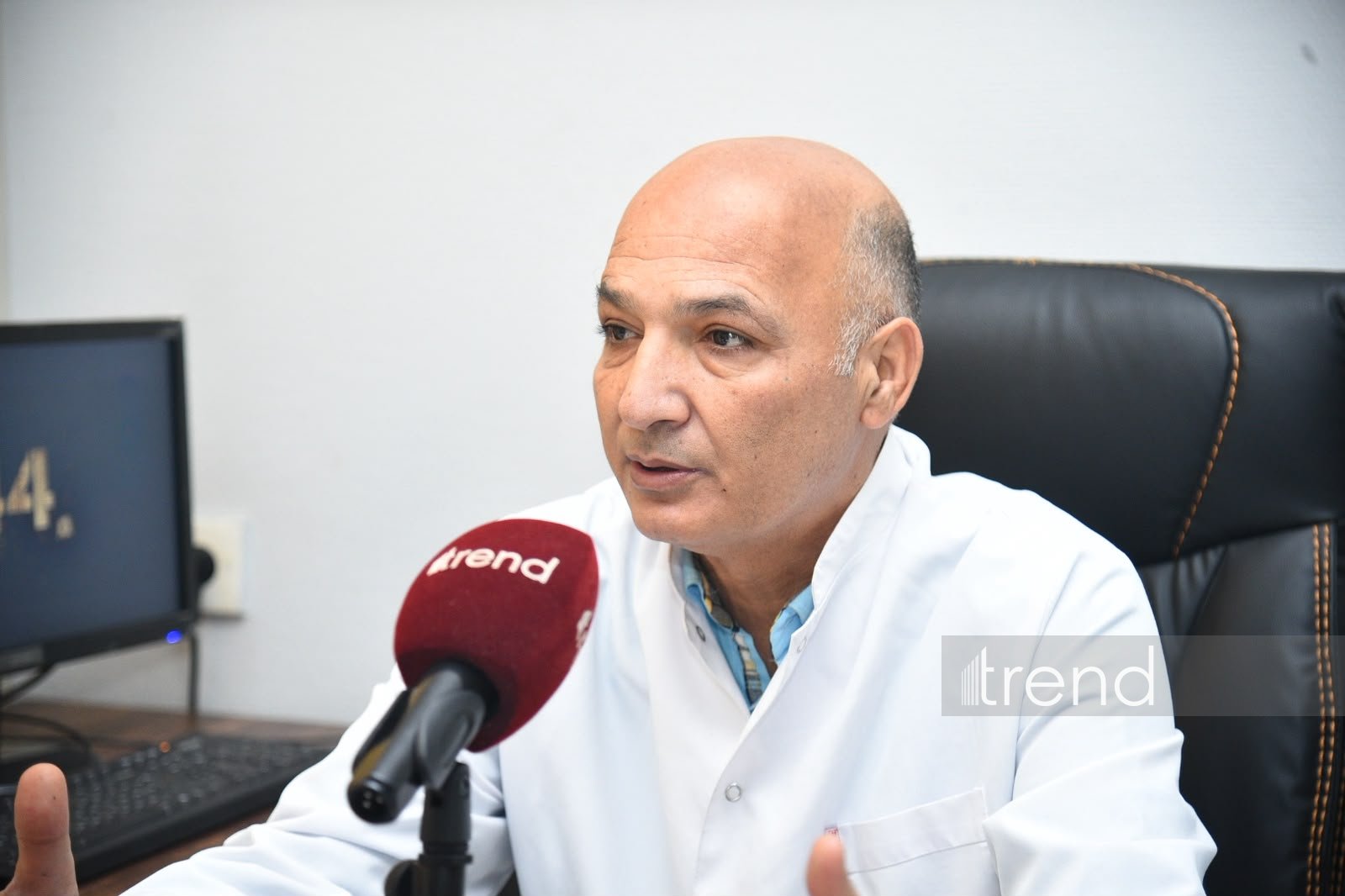
The interviewee noted that the moments when the first wounded soldiers were brought to the hospital remain vivid in his memory. Most of the injuries were caused by shrapnel. In particular, soldiers were arriving with severe wounds to the abdominal cavity, chest, urological region, and head.
"I certainly remember the moments when the first wounded soldiers were brought in. Most of the injuries were from shrapnel. There were many cases involving wounds to the abdominal cavity, chest, and head. Later, we also brought in traumatologists to treat soldiers with fractures; shrapnel was causing severe damage to the bones in their legs.
We performed numerous surgeries. One patient I cannot forget was a soldier named Tarverdi. He had sustained shrapnel wounds to both his head and his abdominal cavity. I performed surgery on his abdominal and chest regions. Later, when I returned from the front, I saw that same patient at the hospital; doctors were moving him. Unfortunately, despite all measures taken, it was not possible to save his life," the doctor recalled.
According to him, the number of wounded admitted to the hospital varied depending on the intensity of the fighting. Wounded individuals were also sent to Aghjabadi from the Ahmadbayli hospital, located in the direction of Fuzuli.
"We were receiving at least 20–30 wounded per day. Sometimes, this figure reached 40. Patients whose condition allowed for it were sent to Baku to receive specialized medical care. Overall, the organization of evacuation and medical assistance within the healthcare system during that period was at a high level," he added.
"After drone attack, only two surgeons remained at hospital"
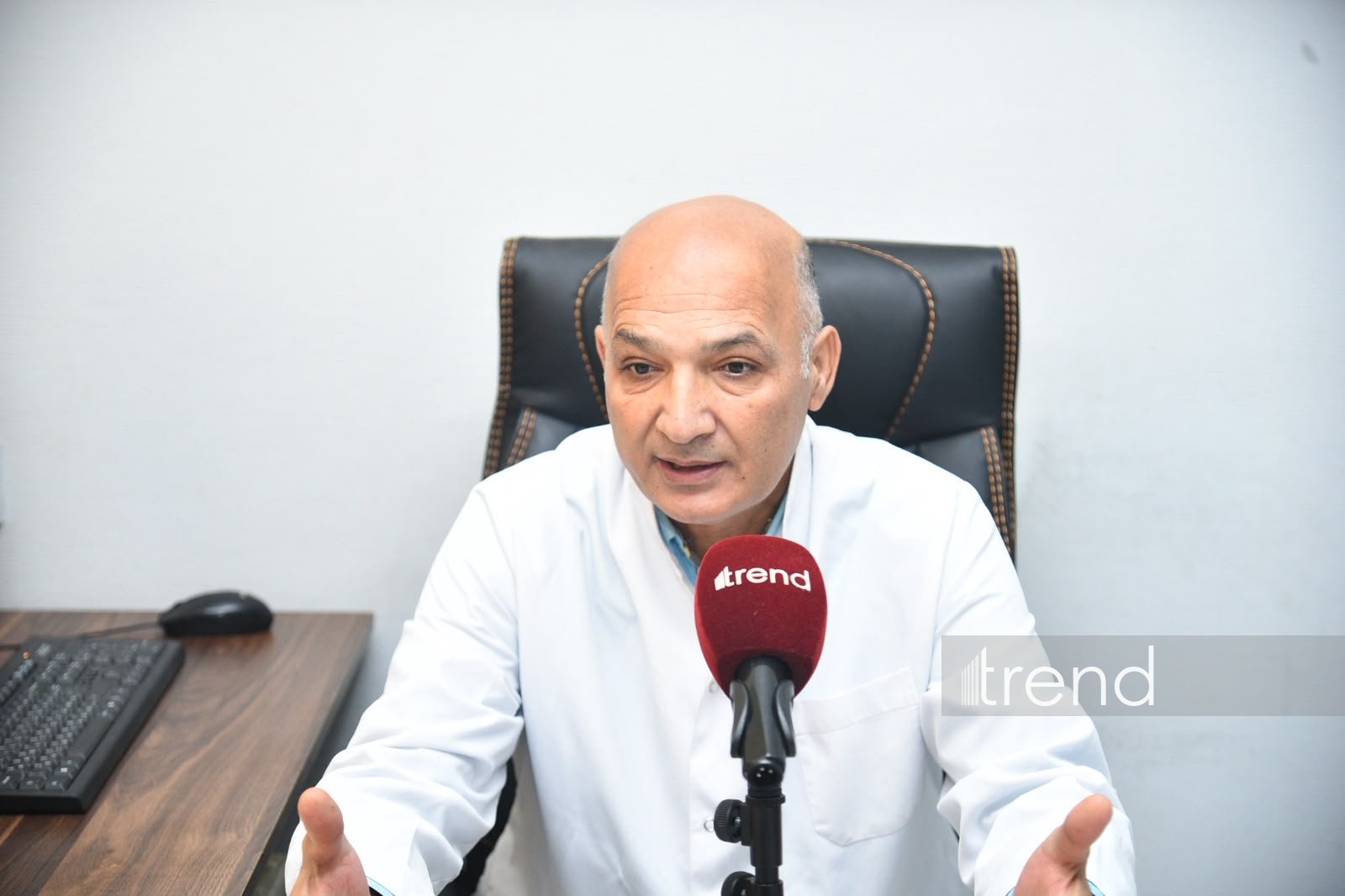
The doctor recounted facing dangerous situations while working in Aghjabadi. According to him, the old hospital in Aghjabadi was struck by an Armenian drone.
"One morning, I realized that only two surgeons were left at the hospital, myself and a resident doctor named Nijat. I asked my colleague, 'What shall we do?' My own answer was: 'We’ll do whatever is necessary.' I also called upon other doctors to come and assist us. Despite the difficult conditions, we continued our work," he noted.
The interviewee emphasized that their primary objective during that period was to provide the highest possible level of medical care to wounded military personnel. Doctors with various specializations were also brought in to assist with surgical procedures.
“We wanted to stand before our children tomorrow with a clear conscience”
The doctor also recalled the efforts of those who volunteered to provide aid during the war.
"We wanted to be able to look our children in the eye in the future. My children were 12 or 13 years old at the time. I wanted them to be able to say, when they grew up, that their father had done something, even if just a little, for the nation and the Motherland. Our primary objective was to save the lives of the wounded," the interviewee noted.
"Memory issues among veterans are among severe, lasting scars of war"
Yagubov said that they continued to follow the condition of the wounded servicemen even after the war. According to him, some of the soldiers who suffered barotrauma during combat later developed memory problems. "There were many cases of barotrauma, trauma resulting from damage to the ears, lungs, and other organs caused by the intense pressure wave of an explosion. Due to concussions, some servicemen cannot recall certain events. Sometimes, however, their memory returns upon seeing a person’s face, and they recognize them. A veteran came in yesterday, too. It’s truly heartbreaking to witness such situations," he said.
"We welcomed news of Victory with great joy"
The interviewee stated that he received the news of the victory while in Baku, having already returned from Aghjabadi. According to him, he had returned on November 3 because his son had fallen ill.
"I received the news of the victory here. We were already aware of our army's advance. We were prepared. What could bring greater joy than this? Karabakh was occupied when I was 19 or 20 years old. To see those lands liberated, to witness this dream come true, is a source of immense happiness," the surgeon concluded.


