


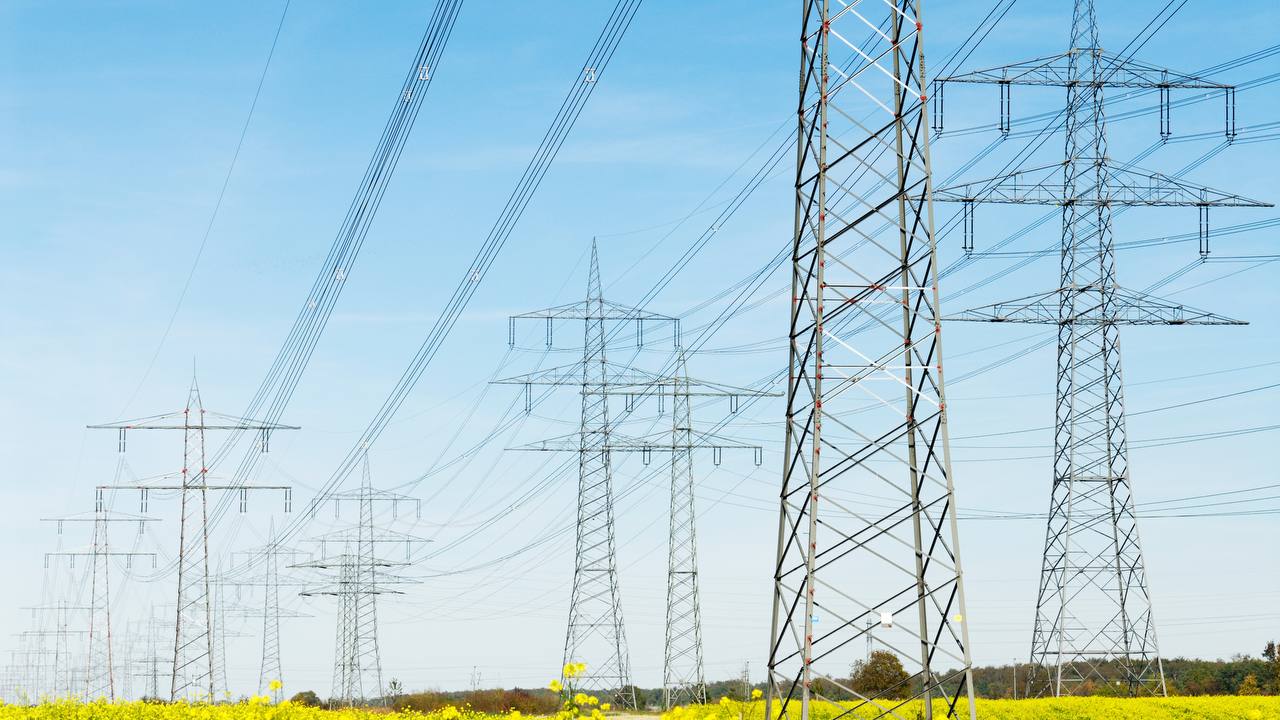

BAKU, Azerbaijan, August 3. Kazakhstan's energy sector is entering a period of major transformation. In recent years, the country has faced growing electricity consumption, increasing pressure on the power system, and the need to modernize part of its aging infrastructure. Under these conditions, the development of new generation capacity and the modernization of existing facilities have become among the key priorities of the country's energy policy.
According to Kazakhstan's Ministry of Energy, electricity production in January-June 2026 amounted to 63.4 billion kWh, up 1.9% compared with the same period last year.
One of the factors increasing pressure on the power system is the expansion of industrial activity. According to Kazakhstan's Bureau of National Statistics, the country's industrial production index stood at 103.5% in January-June 2026. Growth was recorded in the manufacturing industry, which increased by 9.8%, in the sector covering electricity, gas, steam, hot water supply and air conditioning, which grew by 10.5%, as well as in water supply, wastewater management, waste collection, treatment and disposal, which increased by 9.8%.
Rising electricity demand is becoming one of the key challenges for Kazakhstan amid expanding industrial production, the development of new technologies and increasing pressure on existing infrastructure. At the same time, construction of energy facilities requires significant time, making long-term generation planning an important factor for economic stability.
Digital projects could become another factor contributing to future electricity demand growth. In the long term, the development of artificial intelligence, data centers, and other digital infrastructure may create additional demand for reliable power supplies. In particular, the "Data Center Valley" project in Ekibastuz envisages the creation of a technological cluster with infrastructure for data processing and artificial intelligence solutions. According to announced plans, its capacity may reach up to 1 GW.
Against this backdrop, the Government of Kazakhstan has set a goal of fully covering domestic electricity demand and achieving a power capacity surplus from 2027. The implementation of this task is also linked to the need to modernize energy infrastructure: the average depreciation level of equipment at the country's energy facilities is estimated at around 56%.
The main tool for expanding Kazakhstan's energy capabilities will be the introduction of new generation capacity. According to the country's power sector development plans through 2035, Kazakhstan intends to add more than 26 GW of new generation capacity, of which 13.3 GW is expected to be commissioned by 2029.
At the same time, traditional energy sources will continue to play a significant role in the country's energy mix. Coal-fired generation accounts for around 62% of electricity production. At the same time, the sector is undergoing modernization: within the framework of the national project for coal energy development, 19 projects with a total capacity of 7.8 GW are being implemented. These projects include the modernization of existing facilities and the introduction of modern technologies aimed at improving efficiency and reducing environmental impact.
One of the areas of diversification of the energy system is the development of hydropower. As part of implementing the Head of State's instructions on diversifying the electricity sector, the Government of Kazakhstan approved the Hydropower Development Plan of the Republic of Kazakhstan until 2035.
The document provides for a comprehensive approach to developing the country's hydropower potential. When preparing new projects, factors such as water resources availability, power system needs, technical capabilities, environmental restrictions, and investment conditions will be taken into account.
The plan includes 30 measures across six areas, including assessment of water balance and the energy potential of rivers, creation of a unified database of prospective projects, preparation of land plots, formation of a portfolio of hydropower plants and pumped-storage hydropower projects, as well as development of human resources and scientific and technical capabilities.
By 2030, Kazakhstan plans to introduce at least 500 MW of new hydropower capacity, including pumped-storage hydropower projects. Such facilities will help increase the flexibility of the power system and improve load regulation during peak consumption periods.
At the same time, the renewable energy sector continues to expand. The share of renewables in the overall generation structure is around 7%, while in the first half of 2026, electricity production at renewable energy facilities increased by more than 21% and amounted to 5.1 billion kWh.
The creation of additional generation capacity could become one of the factors supporting Kazakhstan's further industrial and technological development. Reliable power supply is important for expanding manufacturing, developing deep processing of raw materials, digital infrastructure, data centers, and other energy-intensive sectors.
Thus, Kazakhstan's key task is no longer limited to meeting current electricity demand, but also involves creating an energy base for the next stage of industrial and technological development.
The formation of a balanced energy system, where coal, gas, hydropower and renewable energy sources complement each other, will help improve energy security, reduce the risks of capacity shortages and create conditions for further economic growth.



