


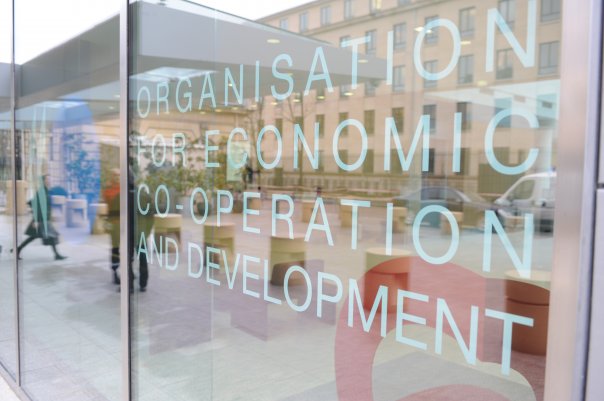

BAKU, Azerbaijan, July 22. The Organisation for Economic Co-operation and Development (OECD) provides critical expertise to assist Turkmenistan in modernizing its trade policy and improving competitiveness, Grégory Lecomte, Senior Policy Analyst for Central Asia in the Global Relations and Cooperation Directorate of the OECD, told Trend.
“The OECD offers robust expertise in trade policy analysis, regulatory reform, and competitiveness benchmarking,” Lecomte said.
“Through tools like the Trade Facilitation Indicators and the Services Trade Restrictiveness Index, the OECD helps countries identify bottlenecks and design evidence-based reforms. Turkmenistan can benefit from tailored policy advice, peer learning, and capacity-building initiatives to align with international best practices and foster a more open, efficient trade environment,” he added.
He emphasized the importance of Turkmenistan's participation in regional programs and noted that “Turkmenistan cooperates with the OECD through platforms such as the OECD Eurasia Competitiveness Program, which facilitates dialogue on trade facilitation, improving the investment climate and private sector development by providing access to regional peer learning and targeted policy support.”
In terms of institutional pathways for global trade integration, Lecomte emphasized both regulatory and infrastructural elements. Speaking of Effective Integration, he noted that it requires transparent regulation, simplified customs procedures, strong interagency coordination, aligning domestic standards with international norms, and fostering public-private dialogue to ensure that reforms are practical and sustainable.
''Equally important are investments in transportation and multimodal infrastructure, roads, railroads, and ports that reduce trade costs and improve connectivity to global markets,'' he remarked.
The official noted recent OECD's work in the region, including: “A scoring system for assessing the connectivity of economic corridors such as the Trans-Caspian Transport Corridor, which provides a longitudinal overview of progress and bottlenecks.” The Middle Corridor 2023 report, which uses an integrated approach that includes the legal and regulatory framework, infrastructure, and regional cooperation, which is based on private sector surveys and engagement with governments".



