



BAKU, Azerbaijan, April 9. Georgia is focusing on the development of clean energy and transportation infrastructure while embracing digital solutions to drive inclusive development, says the Asian Development Bank (ADB) in its recent outlook, Trend reports.
Geographically well-positioned, Georgia’s Black Sea ports and rail connection to Türkiye make it a vital part of the Middle Corridor, a key multimodal freight route linking the People’s Republic of China with the European Union (EU) via Central Asia, the Caucasus, and Türkiye. This strategic location has allowed Georgia to benefit from growing transit activity as the EU seeks alternative transport routes to bypass Russia and enhance supply chain resilience, particularly to engage with resource-rich Central Asia.
However, Georgia faces significant infrastructure challenges, including the lack of on-dock rail terminals at ports, underutilized rail routes, fragmented service provision, and inconsistent tariffs, which hinder the full potential of its transportation network.
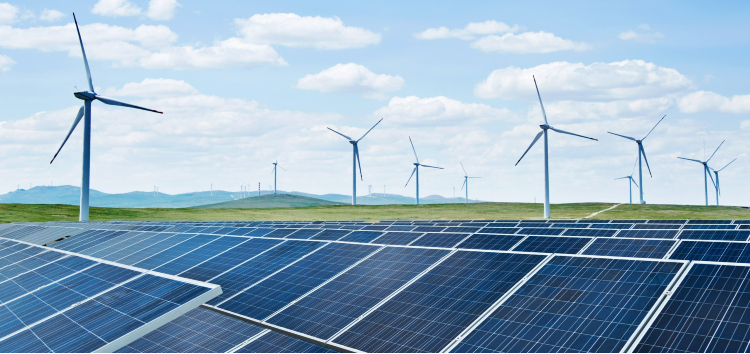
While Georgia does not possess fossil fuel reserves, it holds substantial untapped potential in renewable energy resources, particularly hydro, wind, and solar power. These resources could not only meet domestic energy needs but also contribute to regional power transmission, positioning Georgia as a future player in clean energy development.
The ADB underscores the need for continued infrastructure investment and policy alignment to overcome these challenges and fully capitalize on Georgia’s strategic geographic and energy potential.


