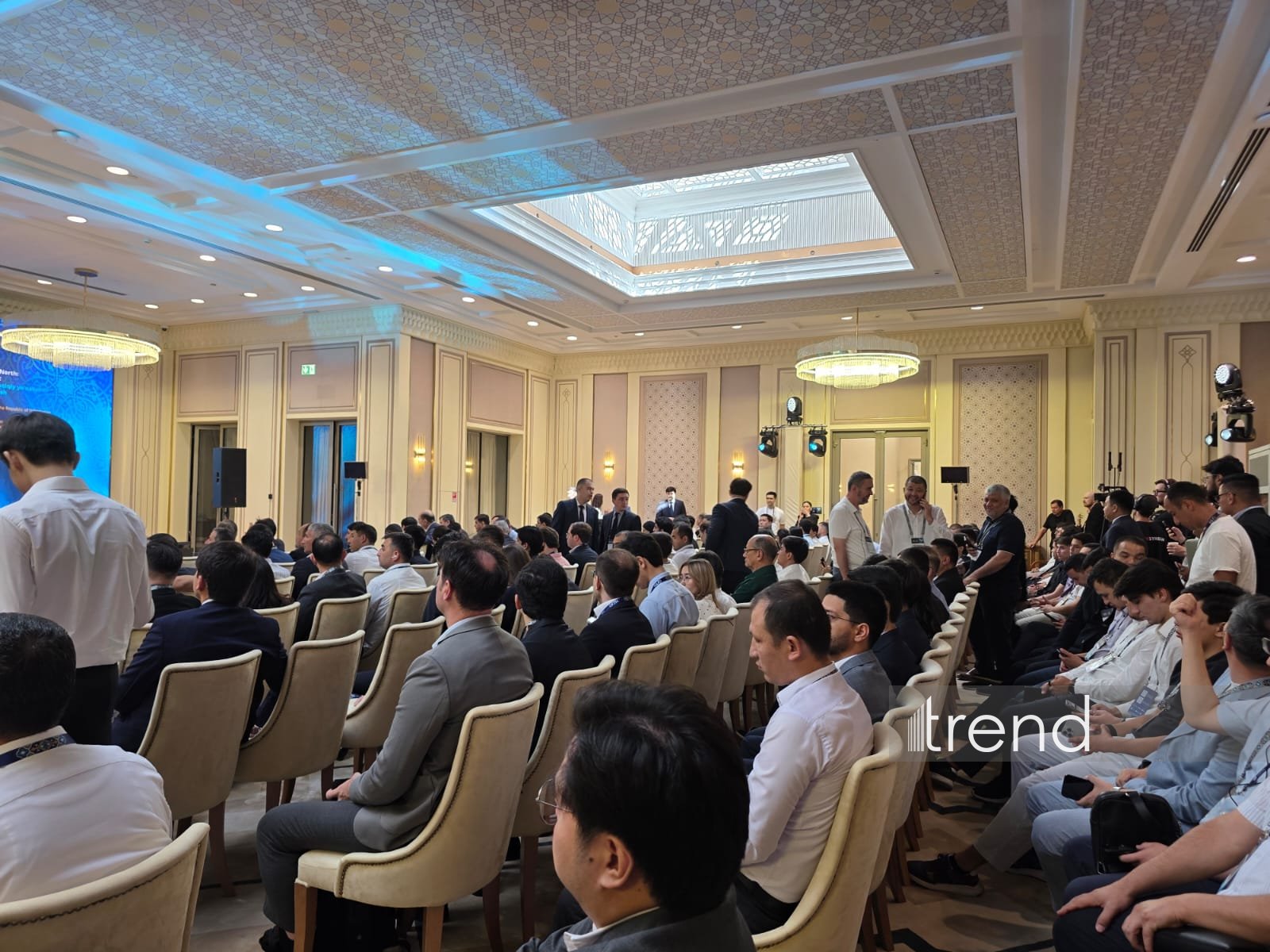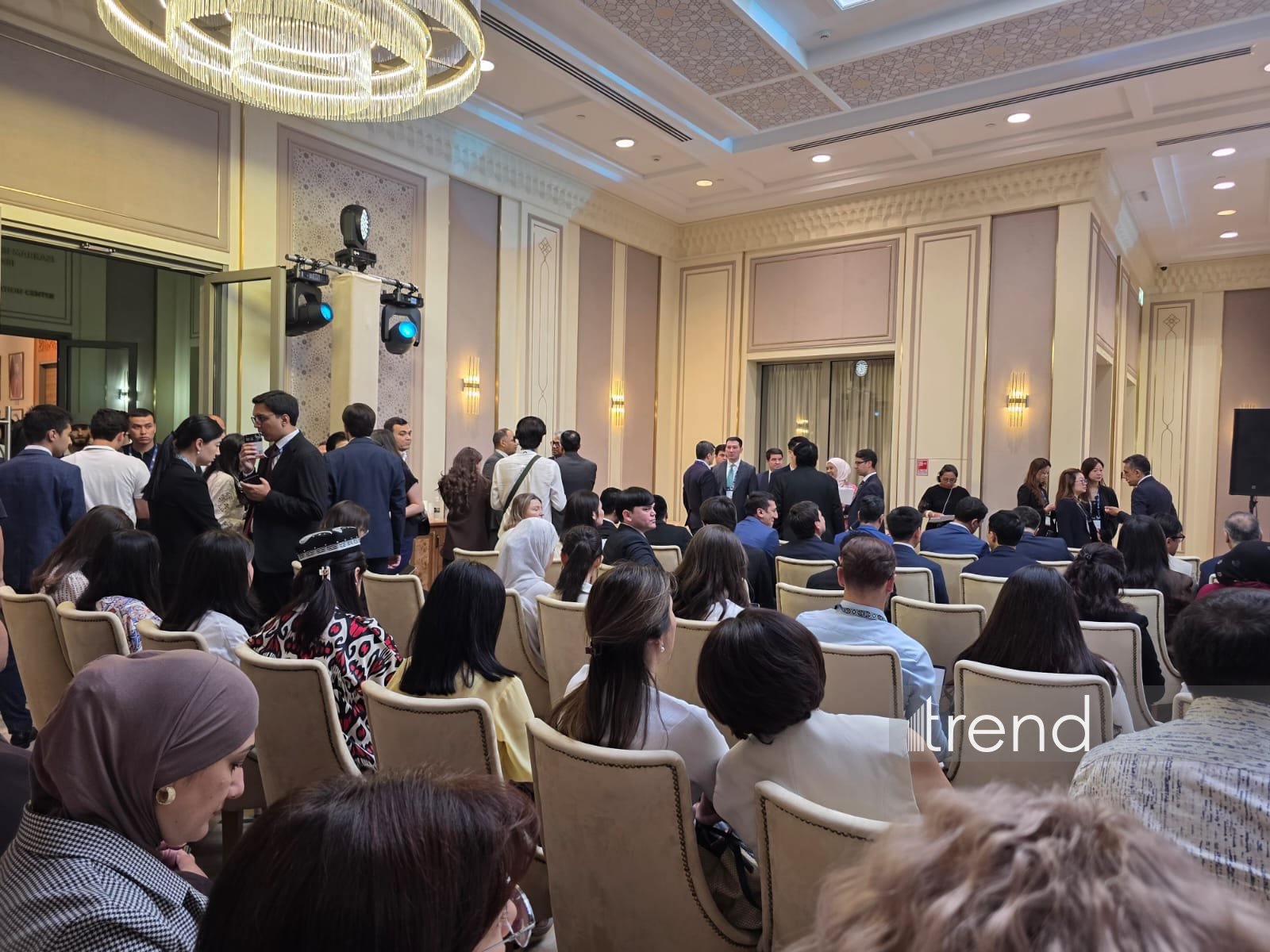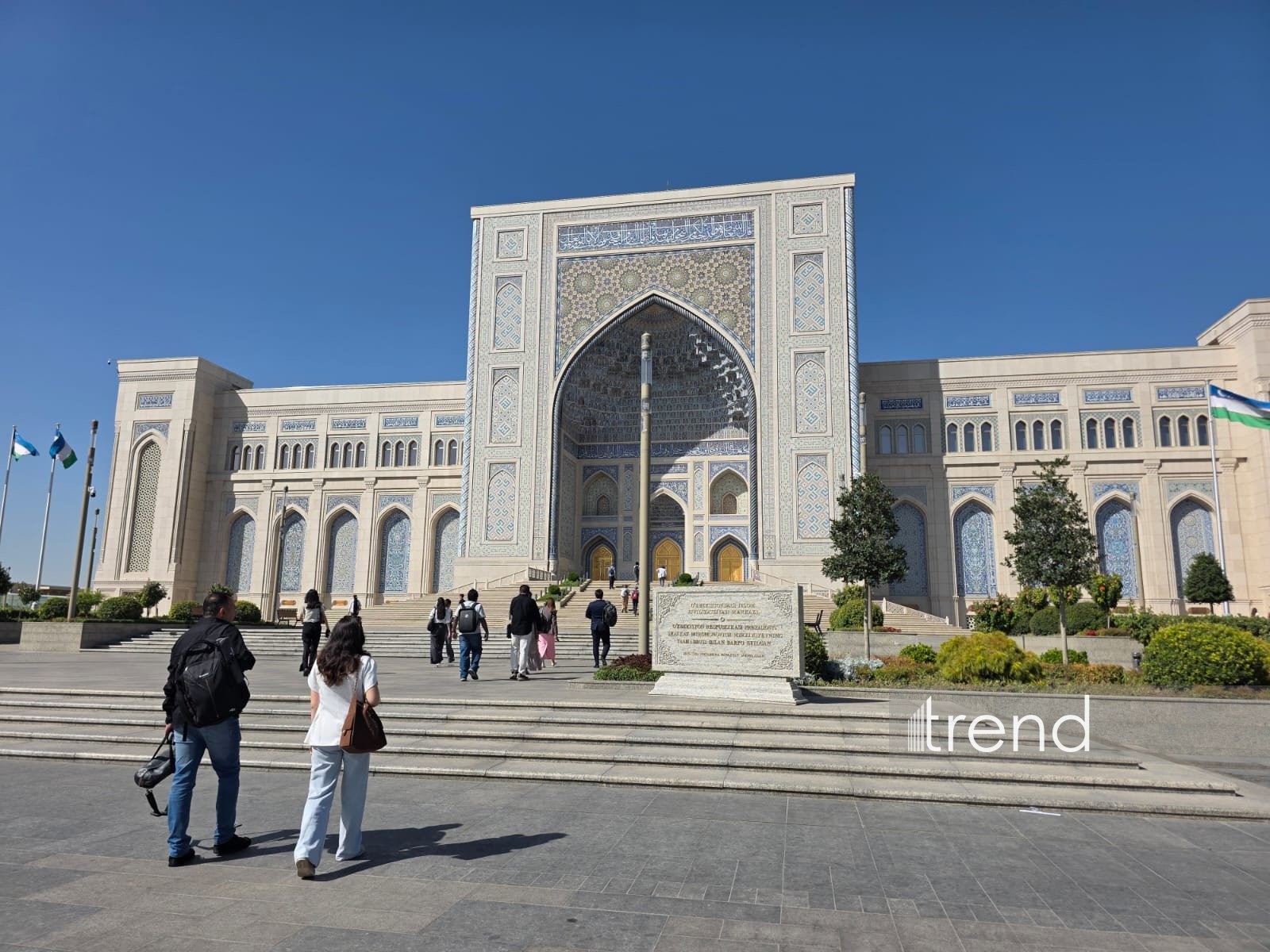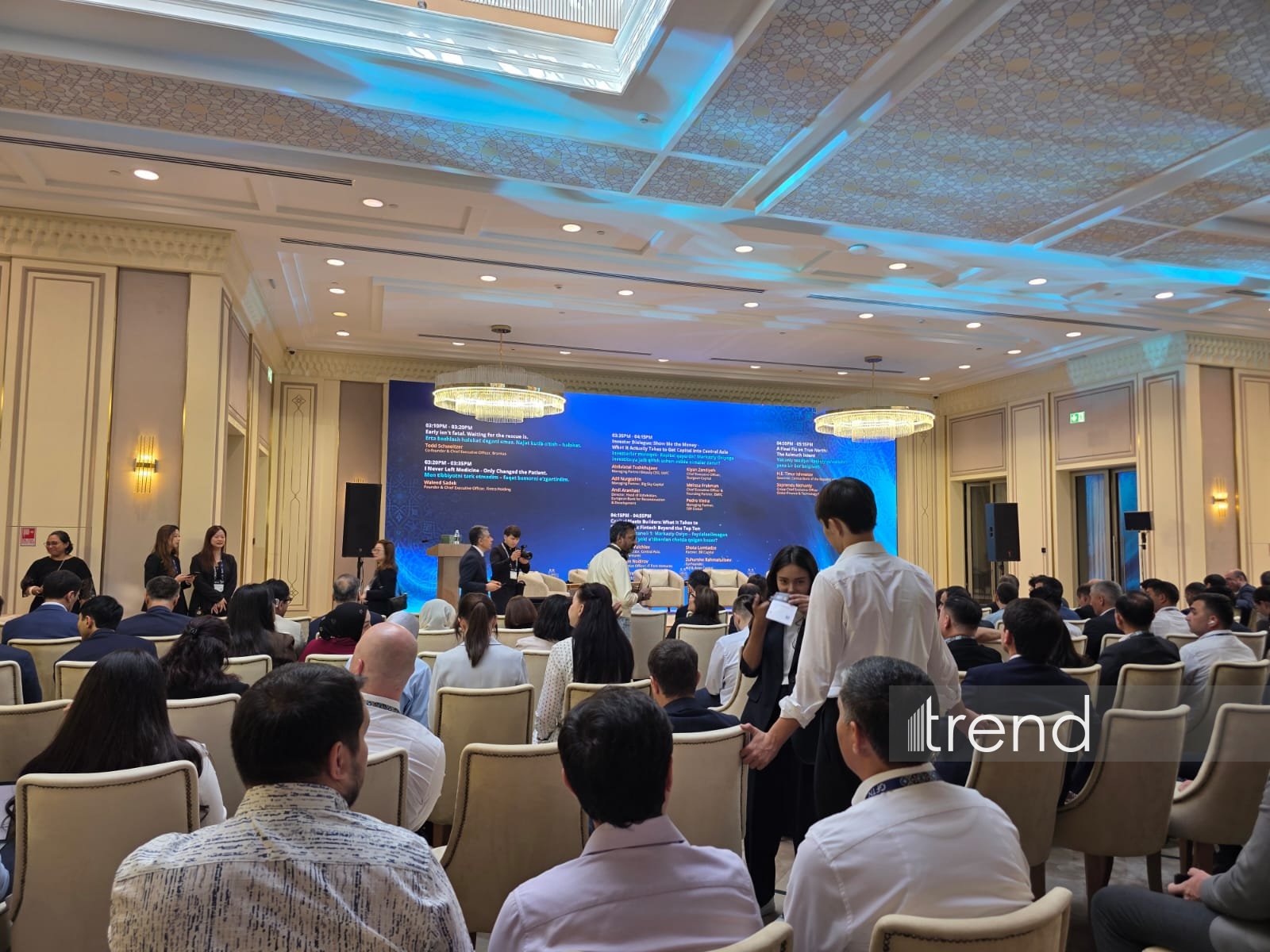
TASHKENT, Uzbekistan, August 26. The third and final day of the Silk Road Finance & Technology Forum concluded in Tashkent, Trend’s special correspondent reports from Tashkent.
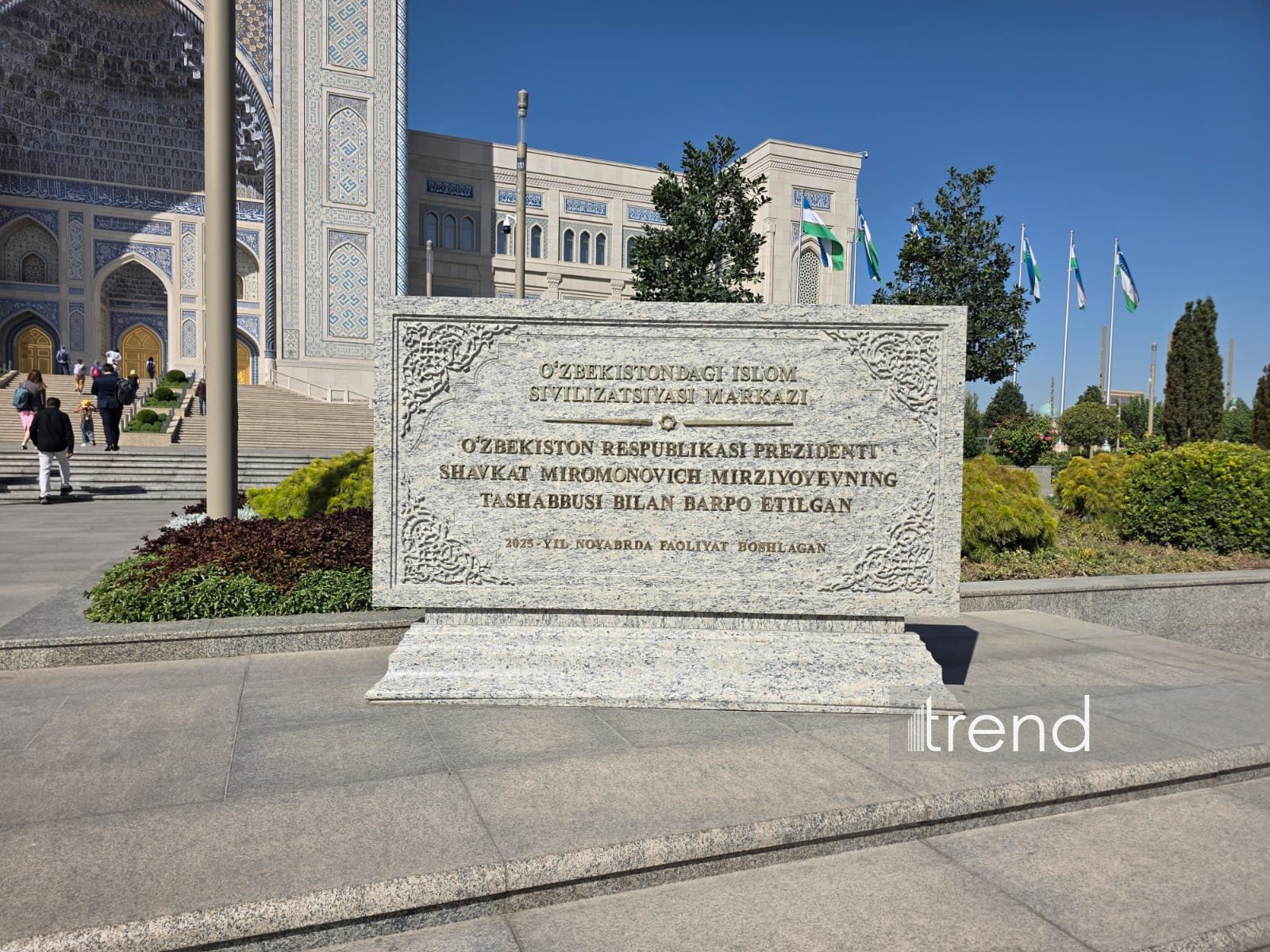
The Center for Islamic Civilization served as the main venue for the final day’s sessions.
The main focus of the final day was the development of Islamic finance, the integration of ethical financial instruments and their role in strengthening the economic resilience of the regions along the historic Silk Road.
The sessions were attended by international experts, representatives of relevant ministries and government agencies, senior officials from the Central Bank of Uzbekistan, as well as delegates from the Middle East, Southeast Asia and Central Asia.
Participants were discussing the development of a regulatory framework for Islamic financial products, the growth of the sukuk industry, the digitalization of ethical investment and its integration with modern fintech platforms.
Particular attention was paid to expanding access to financing for small and medium-sized businesses through partnership-based financial mechanisms, as well as creating new cross-border investment corridors based on transparency and risk-sharing principles.
Speaking at the event, Governor of the Central Bank of Uzbekistan Timur Ishmetov said that Uzbekistan plans to launch a program to issue sovereign Islamic bonds (sukuk) as part of efforts to further develop Islamic finance.
Ishmetov said the development of Islamic finance is an important element of diversifying Uzbekistan’s financial system and attracting new sources of investment. "We will launch a program to issue sovereign Islamic bonds. This will give a powerful impetus to attracting knowledge and $10 billion in additional investment into our enterprises in the future," Ishmetov said.
According to him, the development of modern Islamic finance in Uzbekistan is being pursued across three main areas: Islamic microfinance, Islamic banking and Islamic capital markets.
The first stage was linked to establishing a legal framework enabling microfinance organizations to offer Islamic financial products. Currently, 12 microfinance organizations provide such services based on murabaha, salam, mudaraba and musharaka contracts. "Interestingly, one microfinance institution has fully specialized in financing and supporting entrepreneurs through profit-sharing contracts," the governor said.
Ishmetov said the second stage began with the adoption of the law on the introduction of Islamic banking activities on June 29 this year.
The new law establishes a legal framework for Islamic banking in Uzbekistan and allows Islamic banks and Islamic windows within conventional banks to operate under a dedicated Islamic banking license.
It also introduces an Islamic finance governance framework, including the establishment of an Islamic Finance Board at the Central Bank and Islamic finance boards within banks.
The governor noted that ensuring tax neutrality for Islamic financial transactions remains an important issue. "A dedicated taxation regime was introduced within the new law. Tax neutrality is provided in regard to VAT and income tax, as well as relevant exemptions related to state duties," he said.
Regarding the development of Islamic capital markets, Ishmetov said a draft law on the capital market includes a dedicated chapter on sukuk.
According to him, the draft legislation is intended to establish the legal basis for issuing sovereign sukuk, set requirements for compliance with Islamic finance standards and provide mechanisms for investor protection and asset segregation.
Ishmetov also announced the development of a five-year roadmap for the development of Uzbekistan’s Islamic finance industry for 2026–2030. "Over the coming years, our efforts will focus on further strengthening the legal and regulatory framework, developing human capital and enhancing public awareness, deepening international cooperation, facilitating the start of Islamic banking operations and building supporting infrastructure for Islamic finance," he said.
The Central Bank governor also highlighted the role of digitalization in expanding Islamic financial services.
"In this new era of the digital economy, we believe that the provision of financial services, including Islamic financial services, through digital channels will play an increasingly important role in creating new opportunities for innovation, investment and economic development," Ishmetov concluded.
Secretary-General of the Islamic Financial Services Board (IFSB) Dr. Ghiath Shabsigh said that technology and digitalization could help address structural constraints in the Islamic finance industry by expanding market access, improving cross-border participation and enabling the development of new financial infrastructure.
Shabsigh noted that Islamic finance is expected to become increasingly important globally over the coming decade, particularly across the Middle East, North Africa, South Asia and Southeast Asia.
According to him, the industry has achieved significant scale, but its financial ecosystem remains unevenly developed. “Islamic finance has achieved considerable scale, but its overall financial ecosystem remains unevenly developed. The industry remains heavily concentrated in banking, which accounts for almost 70% of global assets,” Shabsigh said.
He noted that Islamic capital and money markets, as well as the non-bank financial sector, remain relatively underdeveloped in many jurisdictions. The range of instruments available for investment, funding, liquidity and risk management also remains limited.
Shabsigh highlighted the sukuk market as an example. While issuance has grown significantly in recent years, he said, market depth, secondary-market liquidity and investor diversity remain areas requiring further development. “These structural constraints also have potential implications for our central banks. Limited market depth and a narrow range of instruments leave banks with fewer options for managing funding and liquidity, particularly under stress,” he said.
Another issue identified by the IFSB in the emergence of what it calls “hybrid risk” in Islamic banking. According to Shabsigh, the balance-sheet characteristics of Islamic banks in some developing markets are increasingly resembling those of conventional banks, potentially changing their risk profiles.
At the same time, he said technology could provide new opportunities to overcome some of the structural barriers facing the industry. “Technology is an important dimension to how this infrastructure can develop. The opportunity is not simply to improve efficiency, but to use technology to overcome frictions that have limited participation, market access and activity across jurisdictions in the Islamic finance ecosystem,” Shabsigh said.
He added that digitalization could facilitate greater cross-border participation and allow individual markets to access a broader base of investors, capital and financial instruments.
Shabsigh stressed, however, that digital transformation should go beyond simply transferring existing practices into digital form. “That should be the ambition of digitalization: not digitalizing problematic practices or the implication of existing market structures in digital form, but as solutions to the structural constraints in the industry,” he said.
According to him, the development of new technologies also increases the importance of strong regulatory and financial foundations, as greater speed, scale and interconnectedness can accelerate the transmission of risks. “This is an important role for the central banks. As technology drives greater scale, speed and interconnectedness across markets, it can also accelerate the materialization and transmission of risks,” Shabsigh said.
He said that the next stage of Islamic finance development should therefore combine technological innovation with sound regulatory foundations and standards. “Getting those foundations right creates the conditions for sound growth, with vulnerabilities embedded in the system as a force,” he said.
Shabsigh also emphasized the importance of international cooperation in developing Islamic finance, particularly as technology makes it easier for national markets to become more connected.
He said that the industry has an opportunity to develop financial infrastructure that is better aligned with the specific requirements of Islamic finance rather than simply adapting existing conventional structures.
According to the IFSB secretary-general, this could help create a more diversified, accessible and resilient Islamic financial system as the sector expands globally.