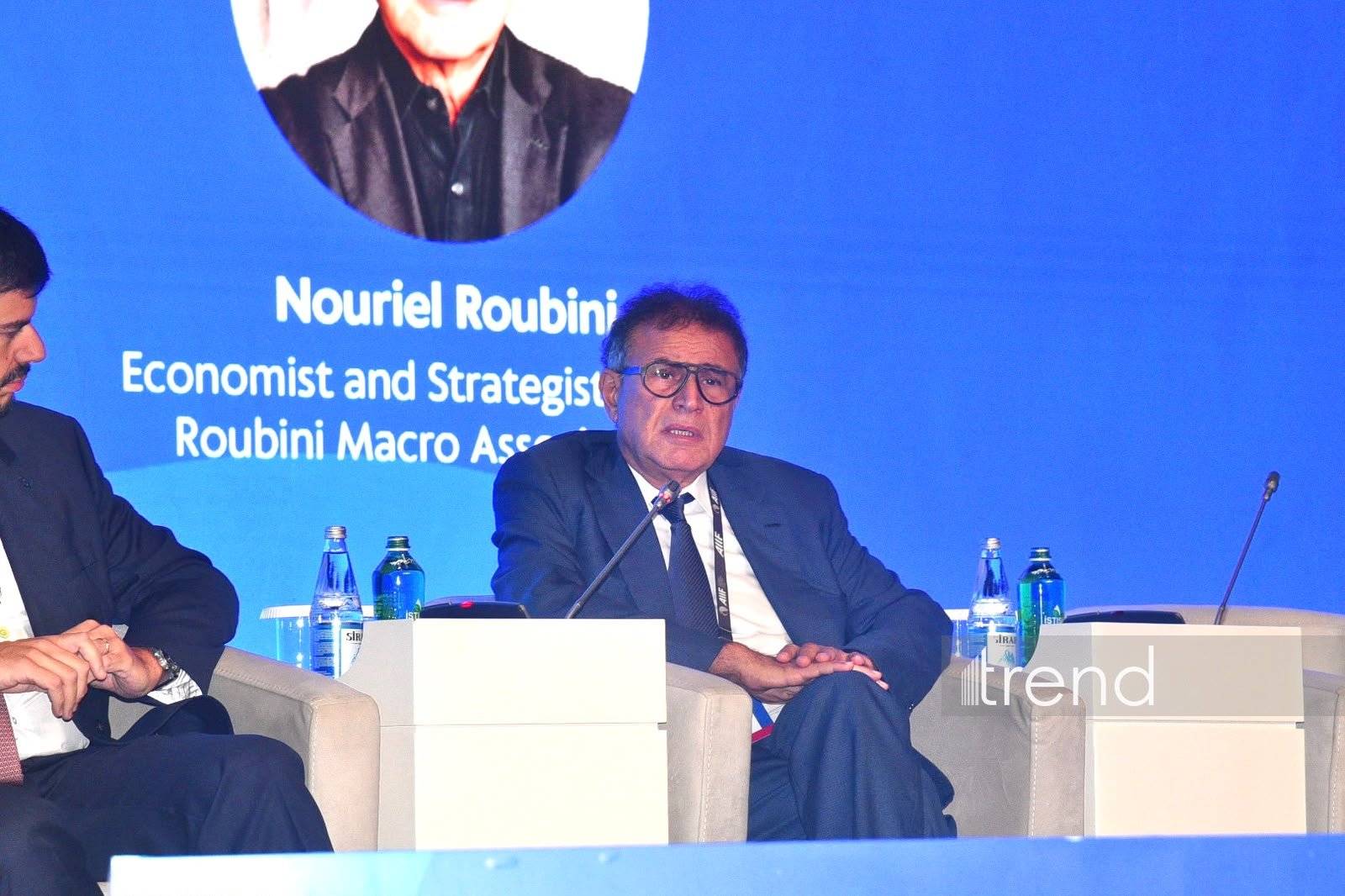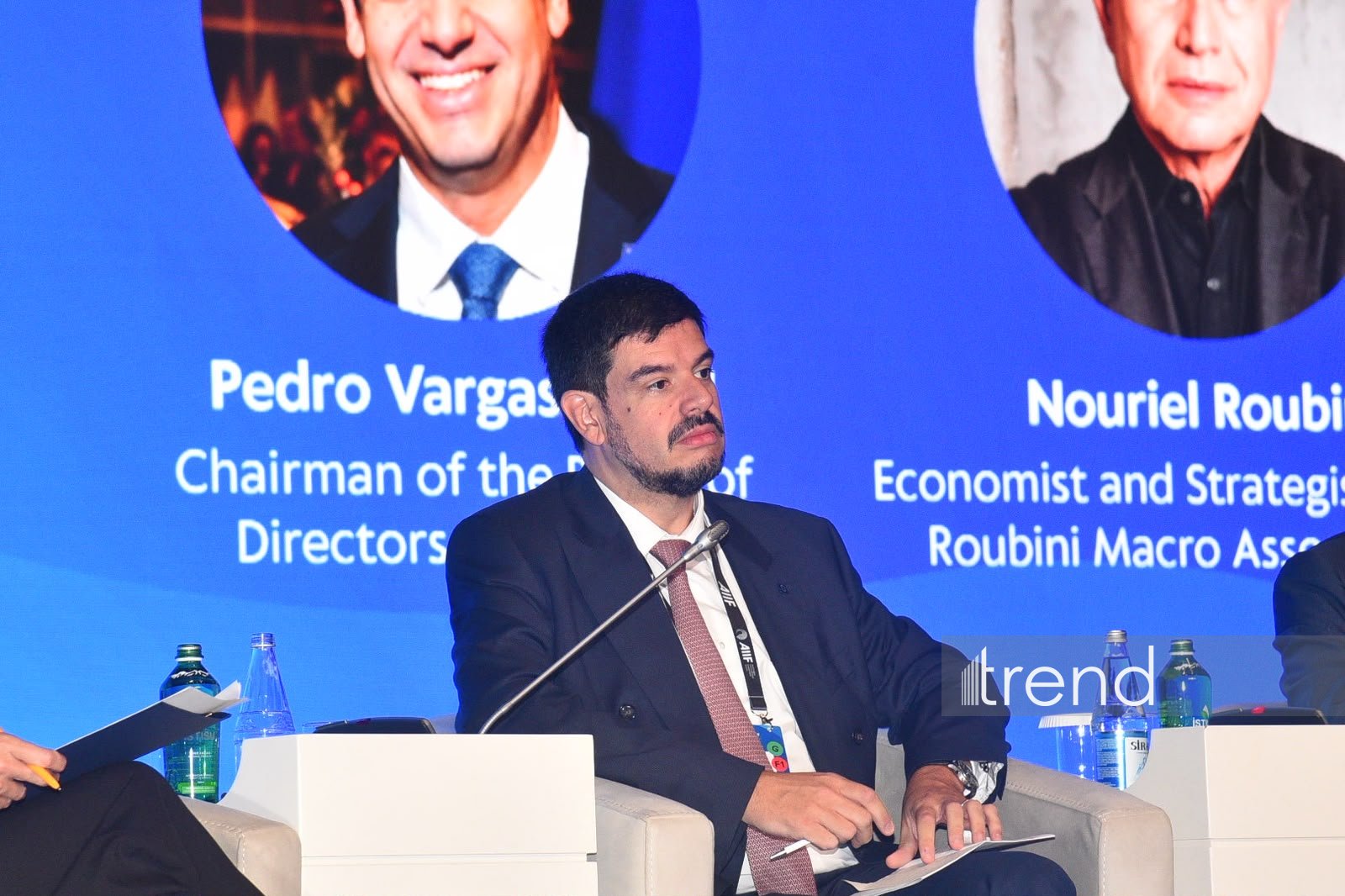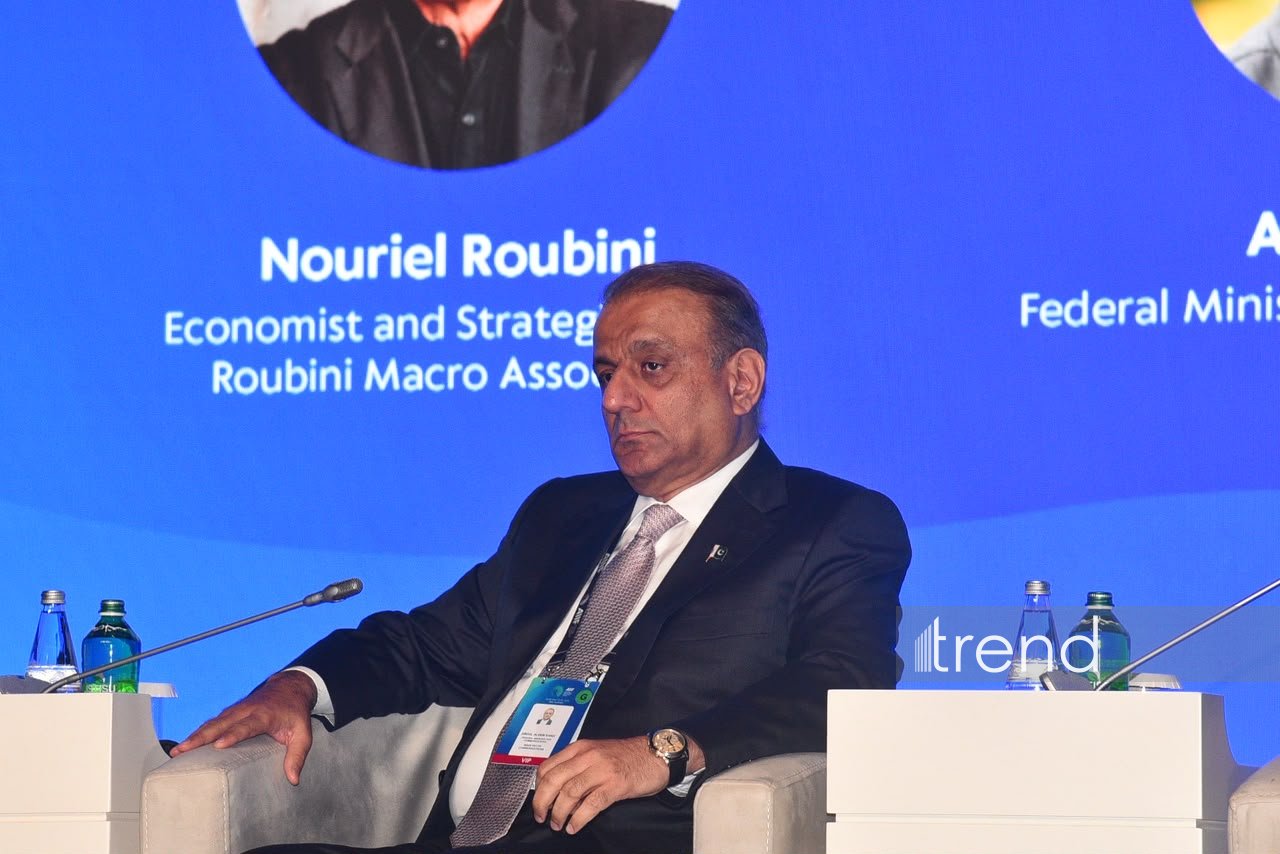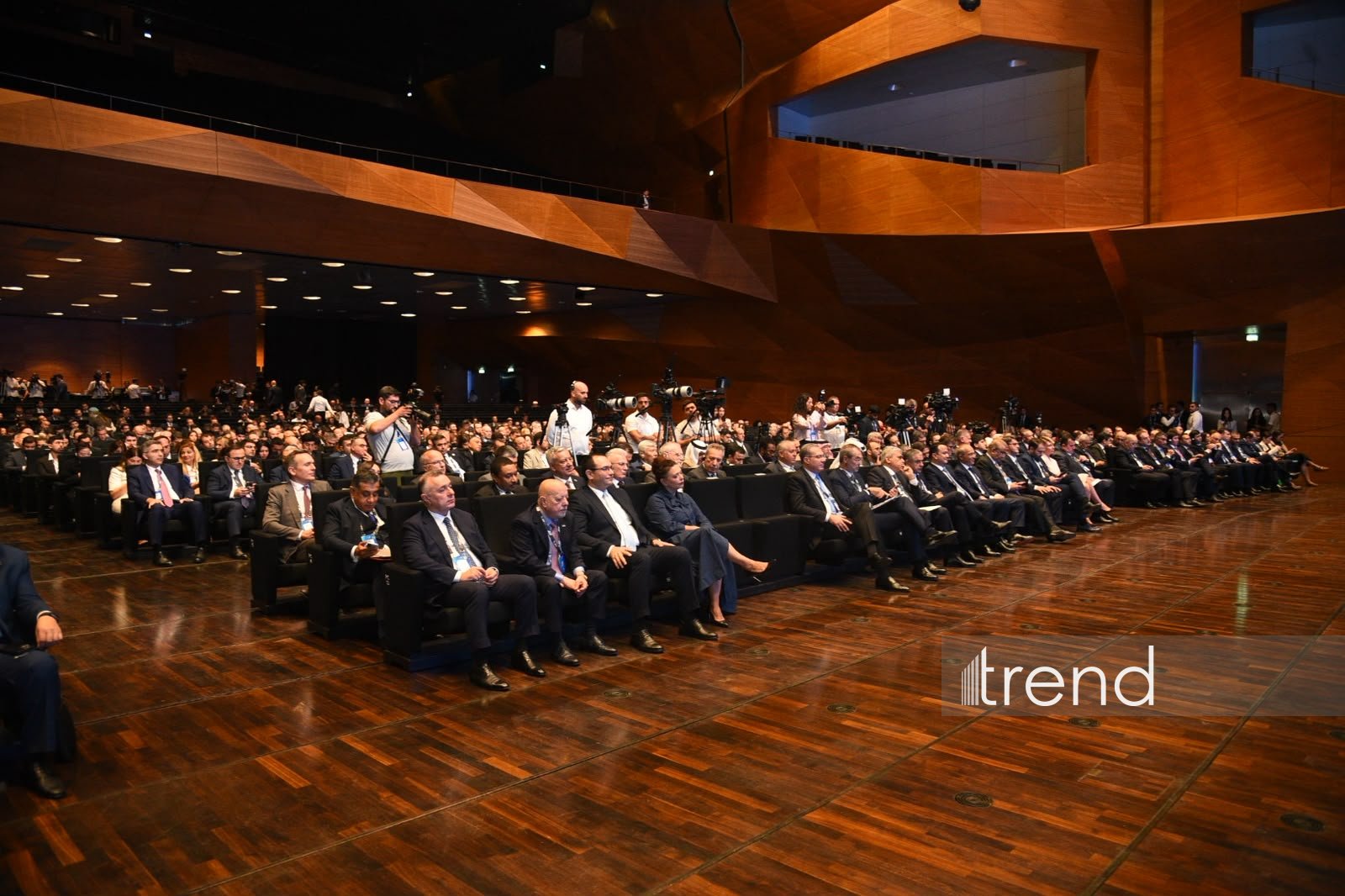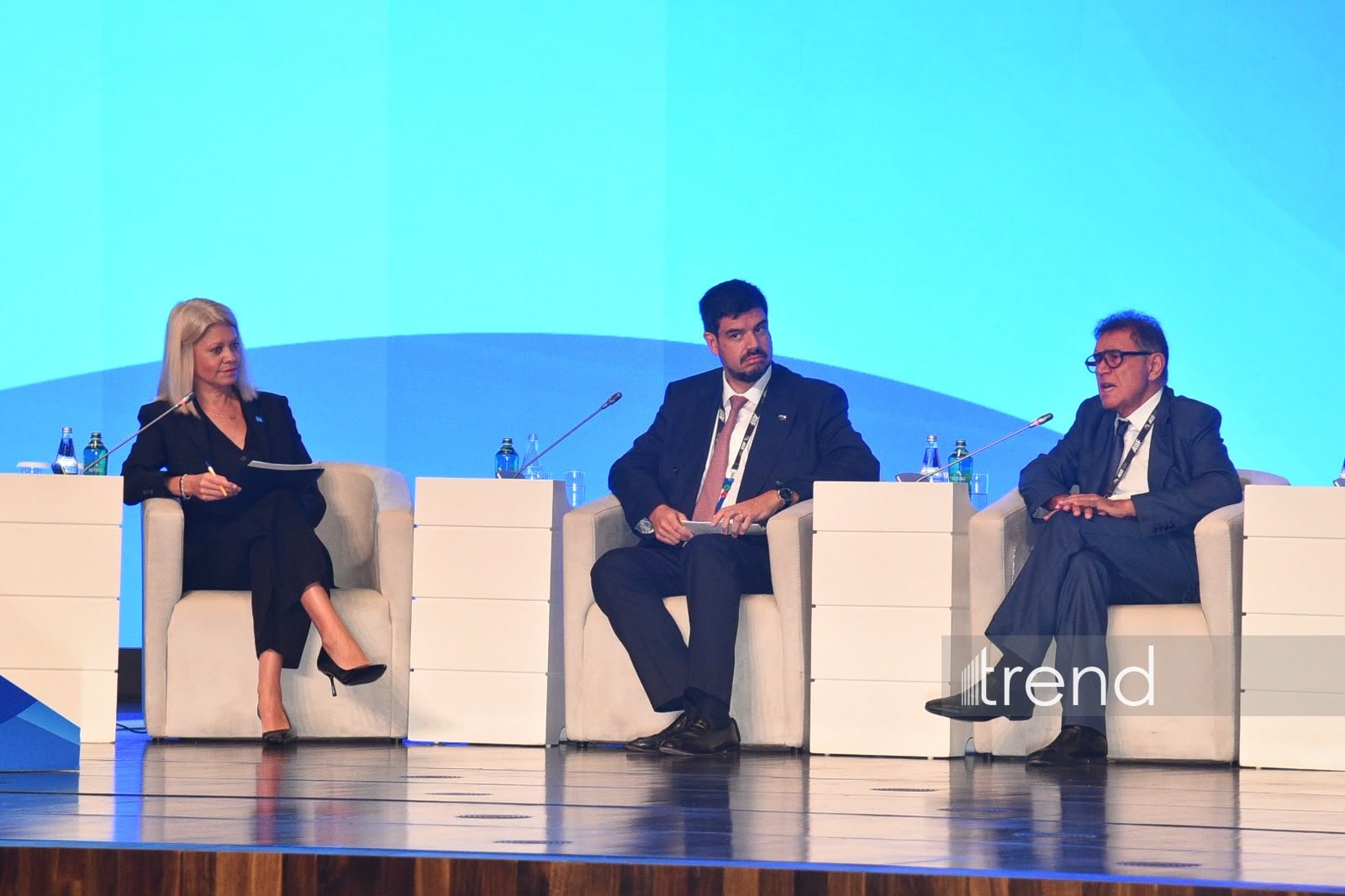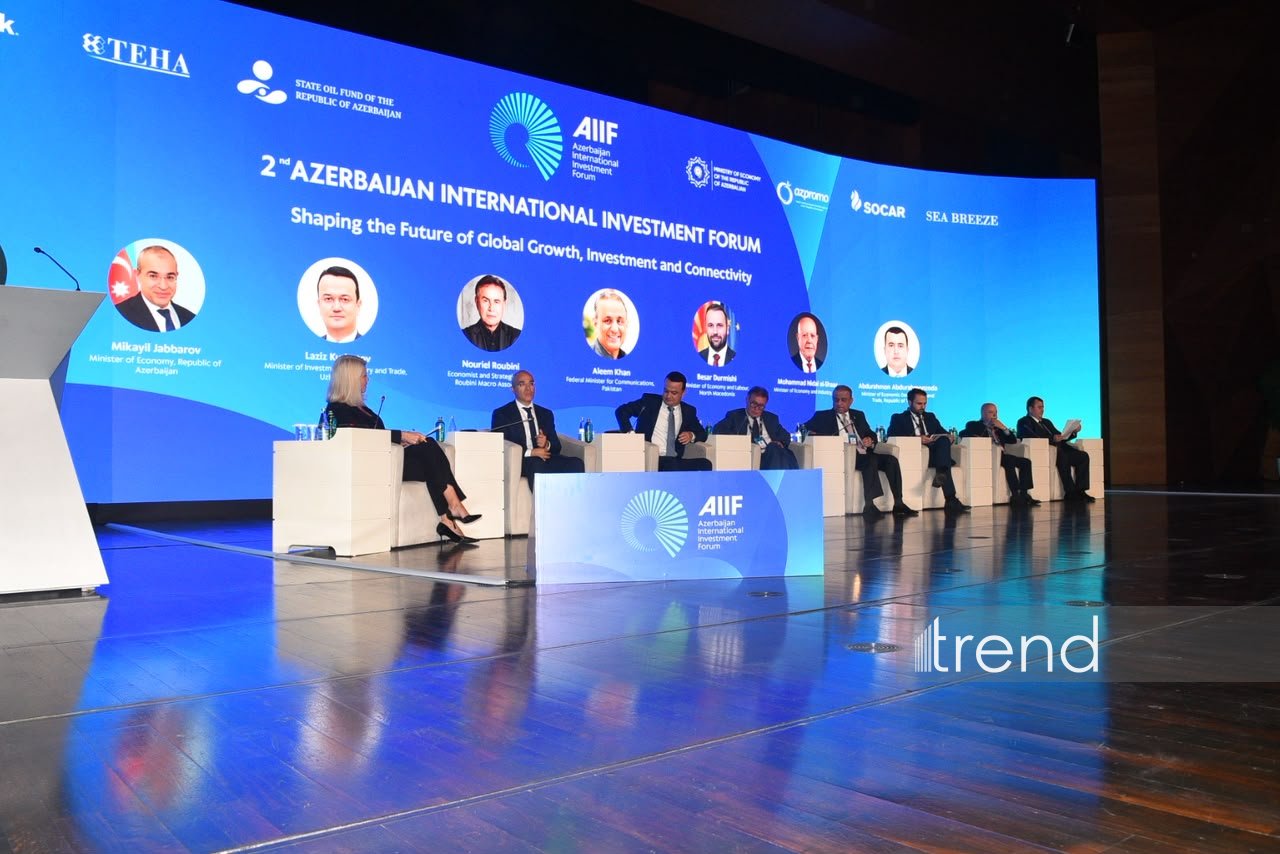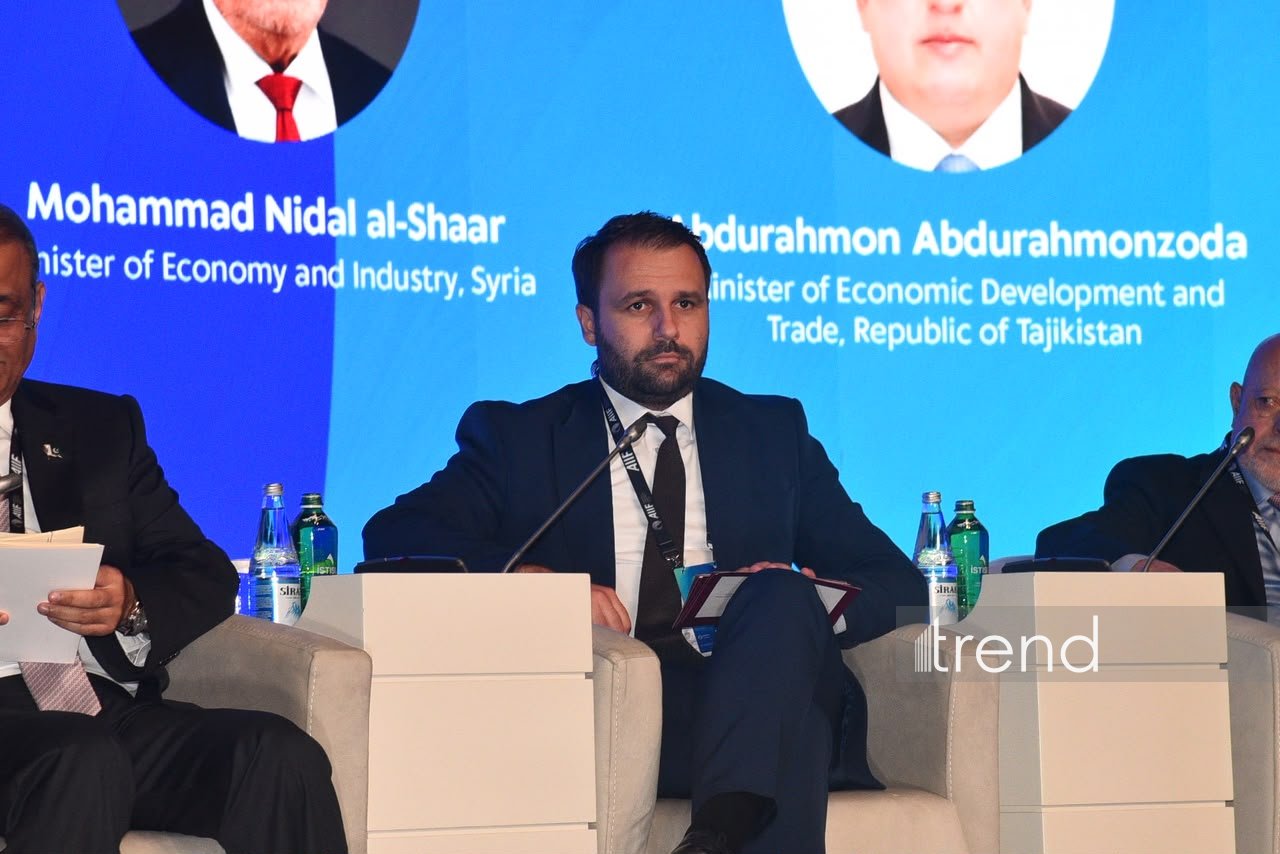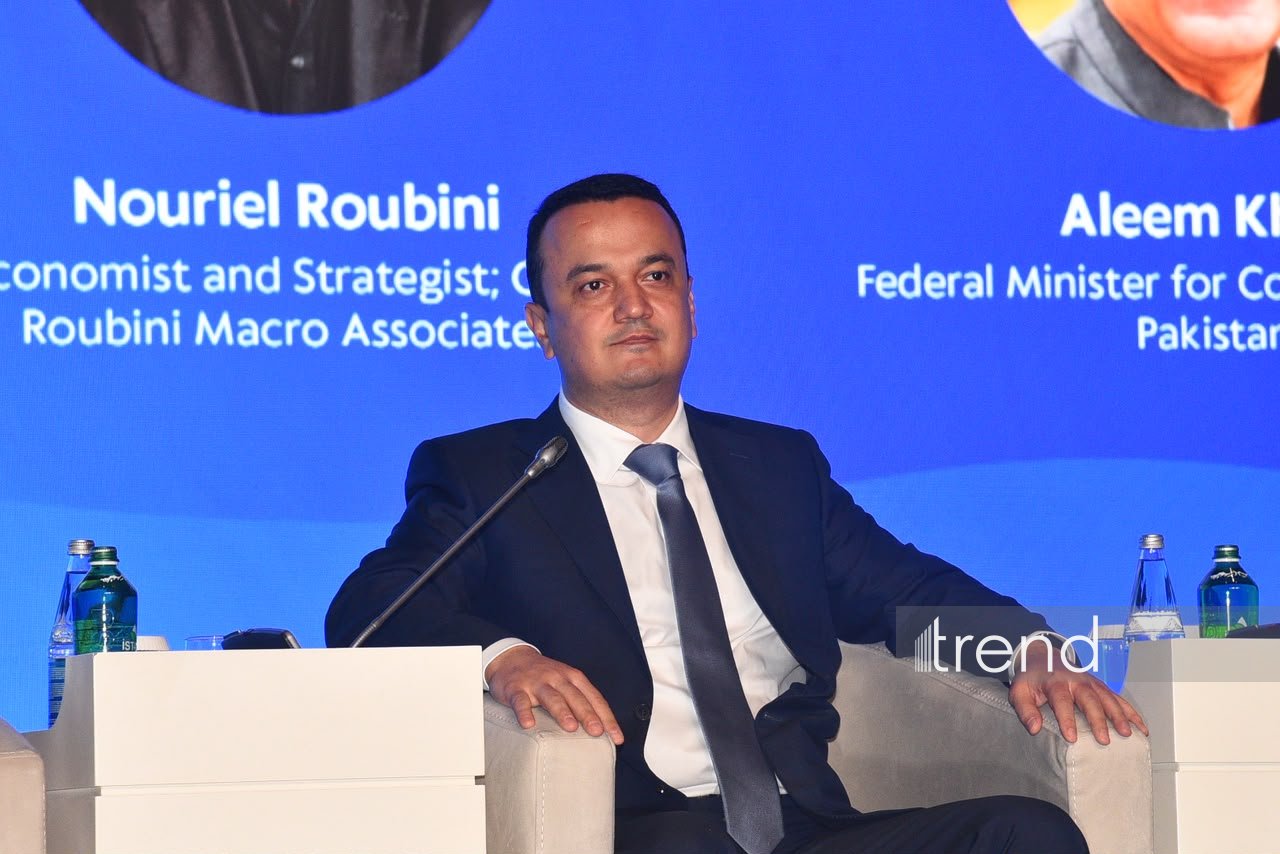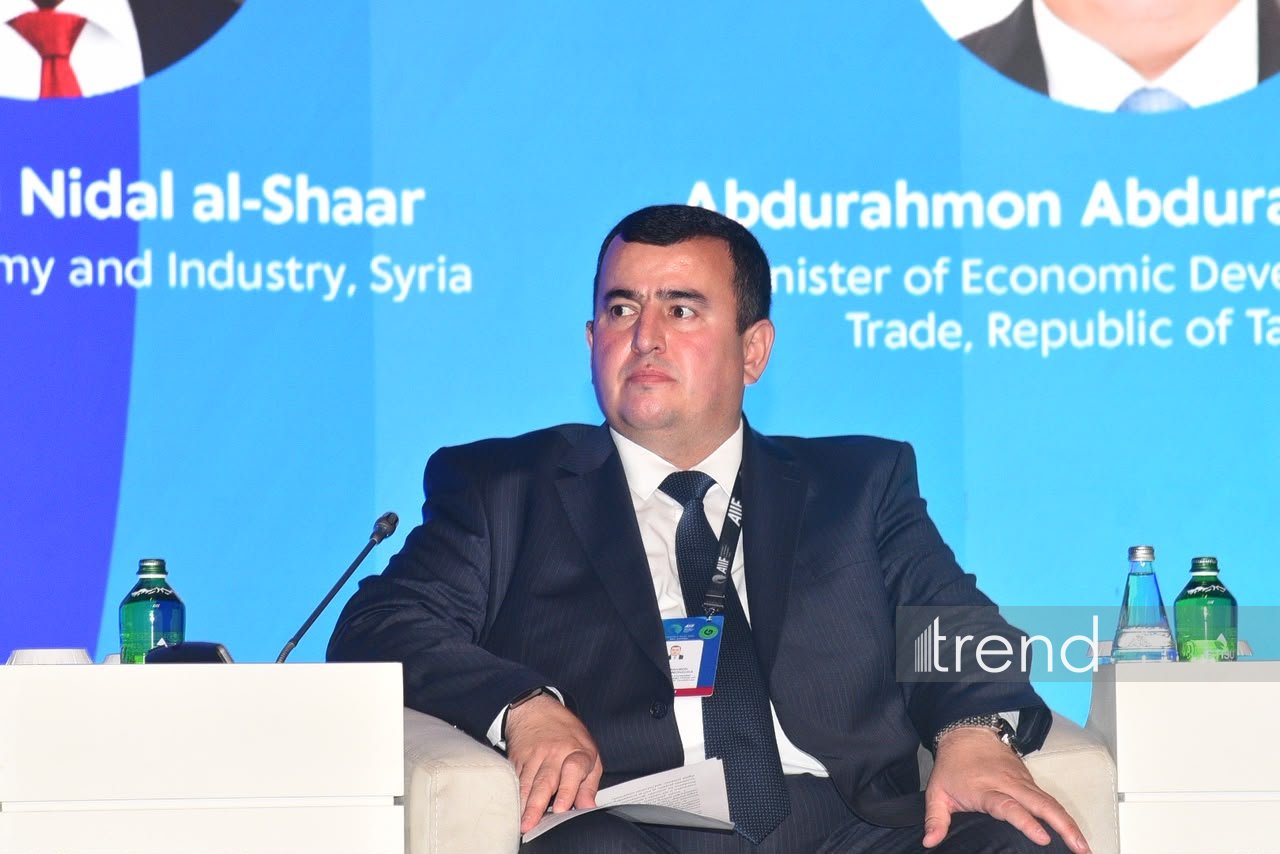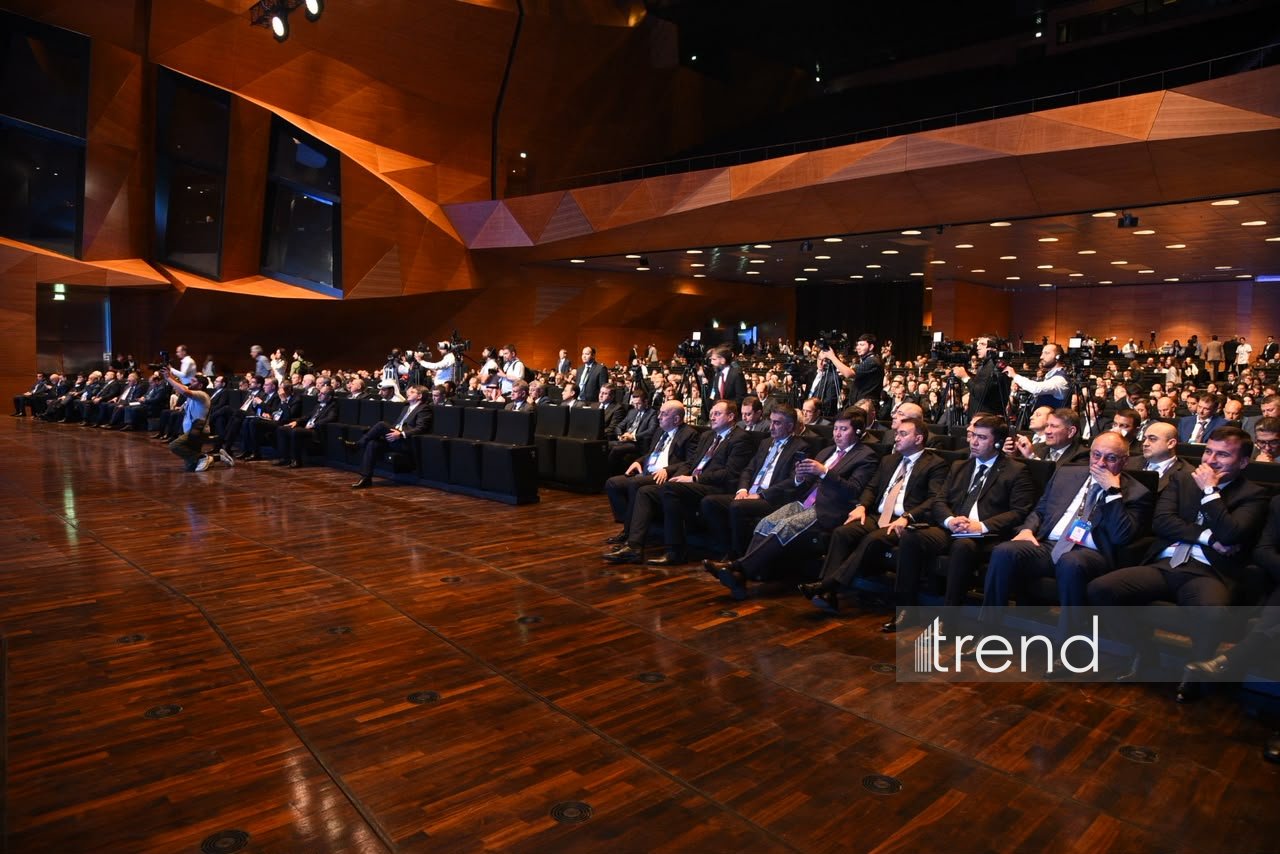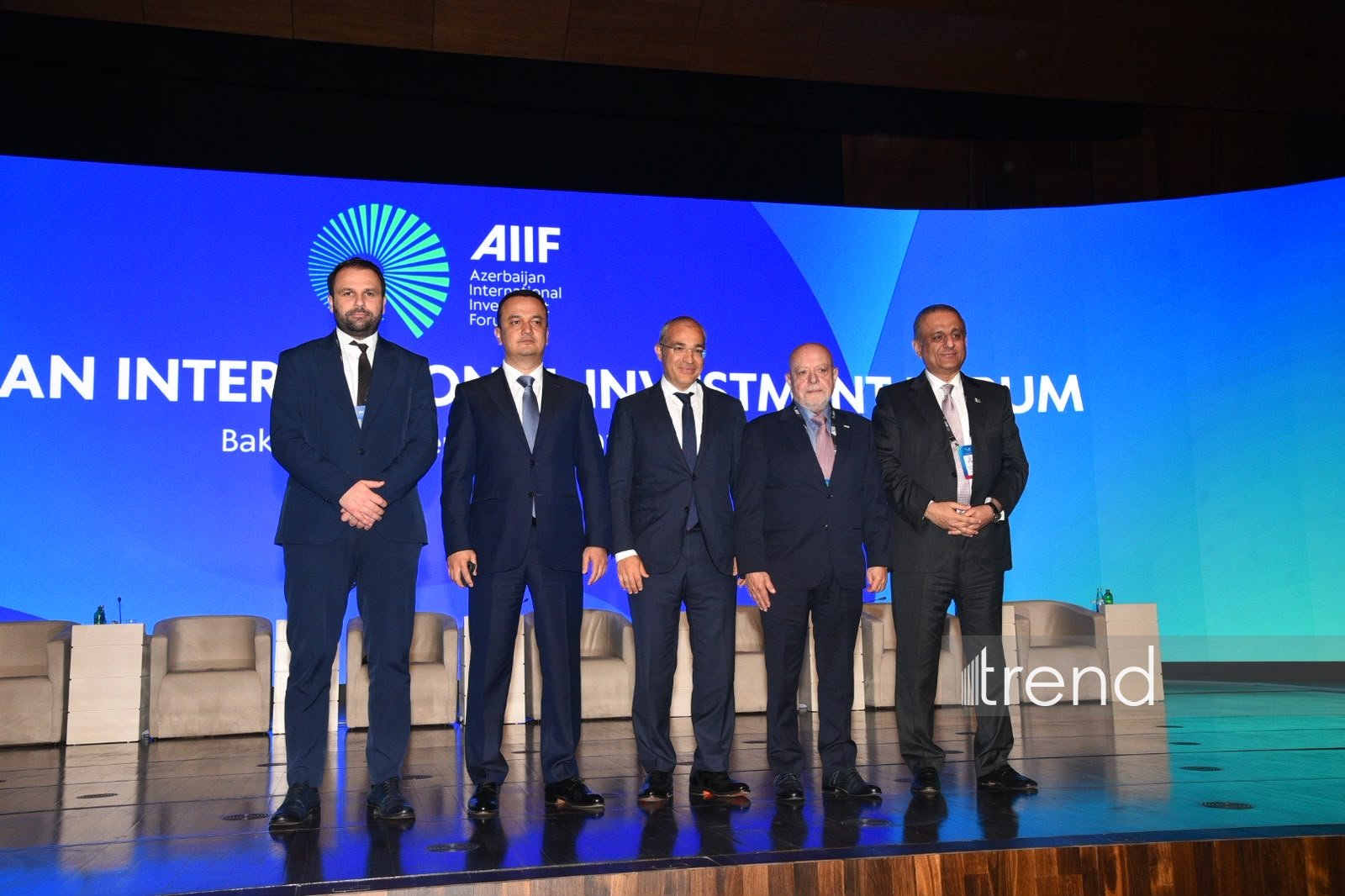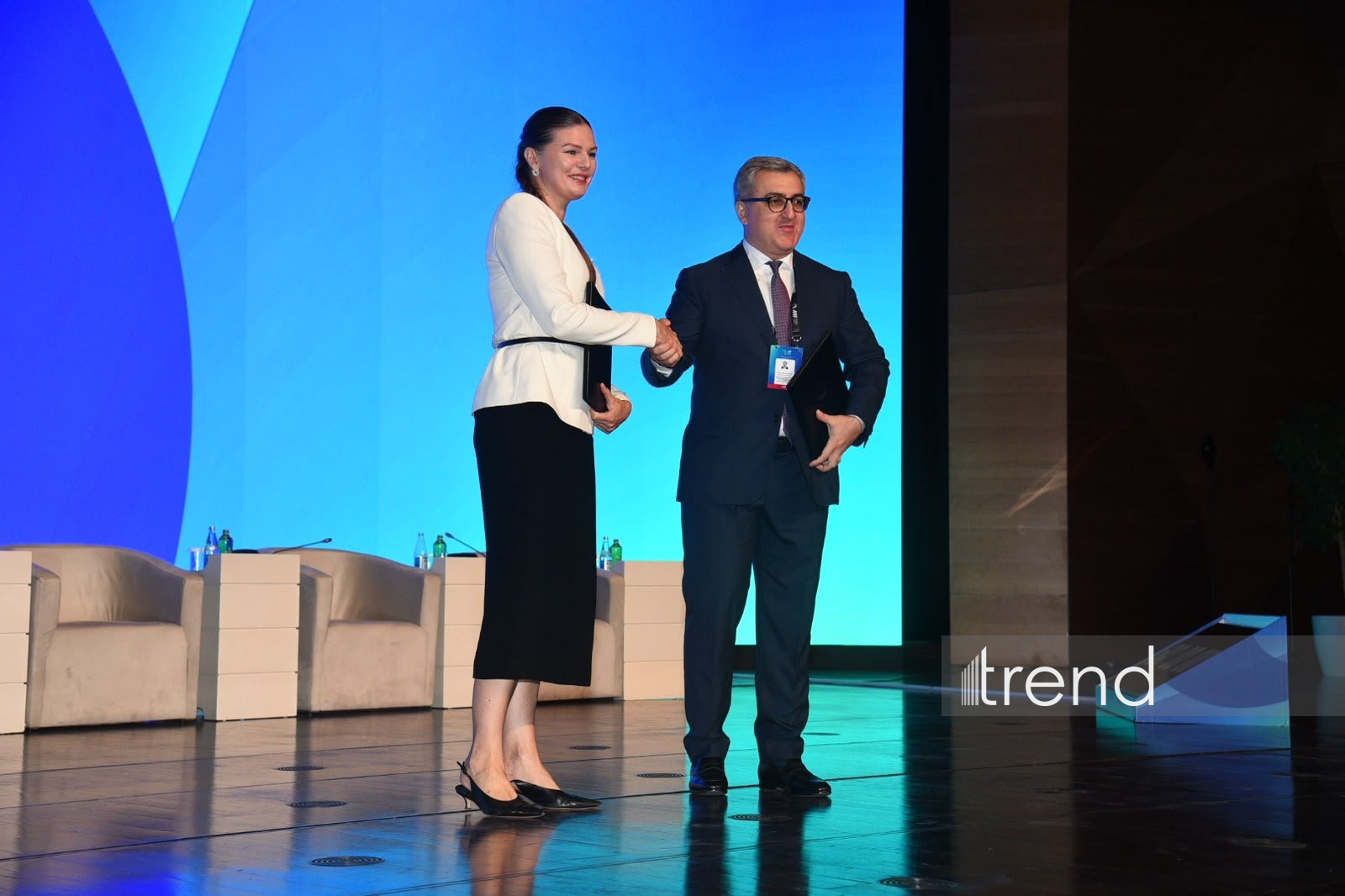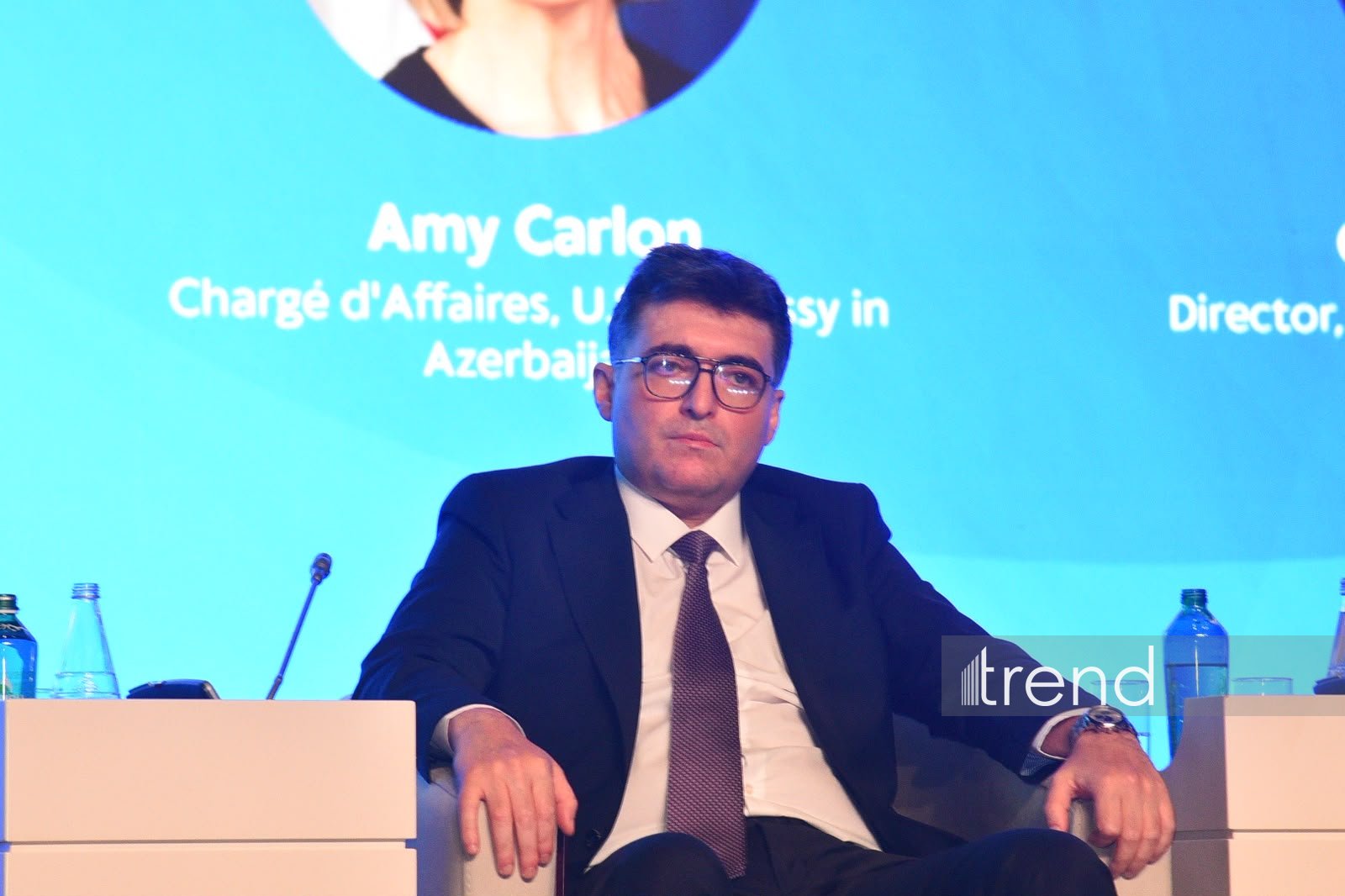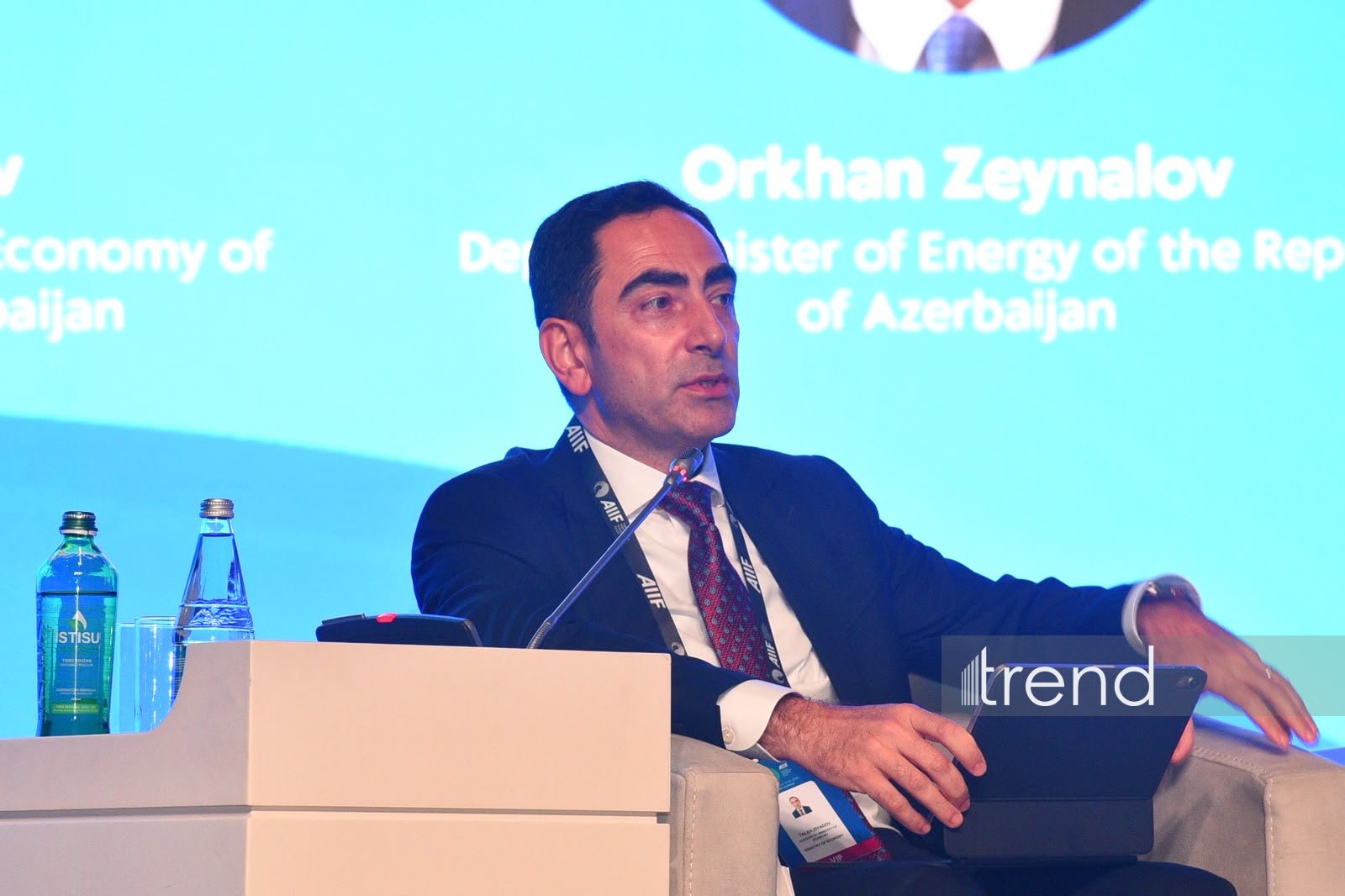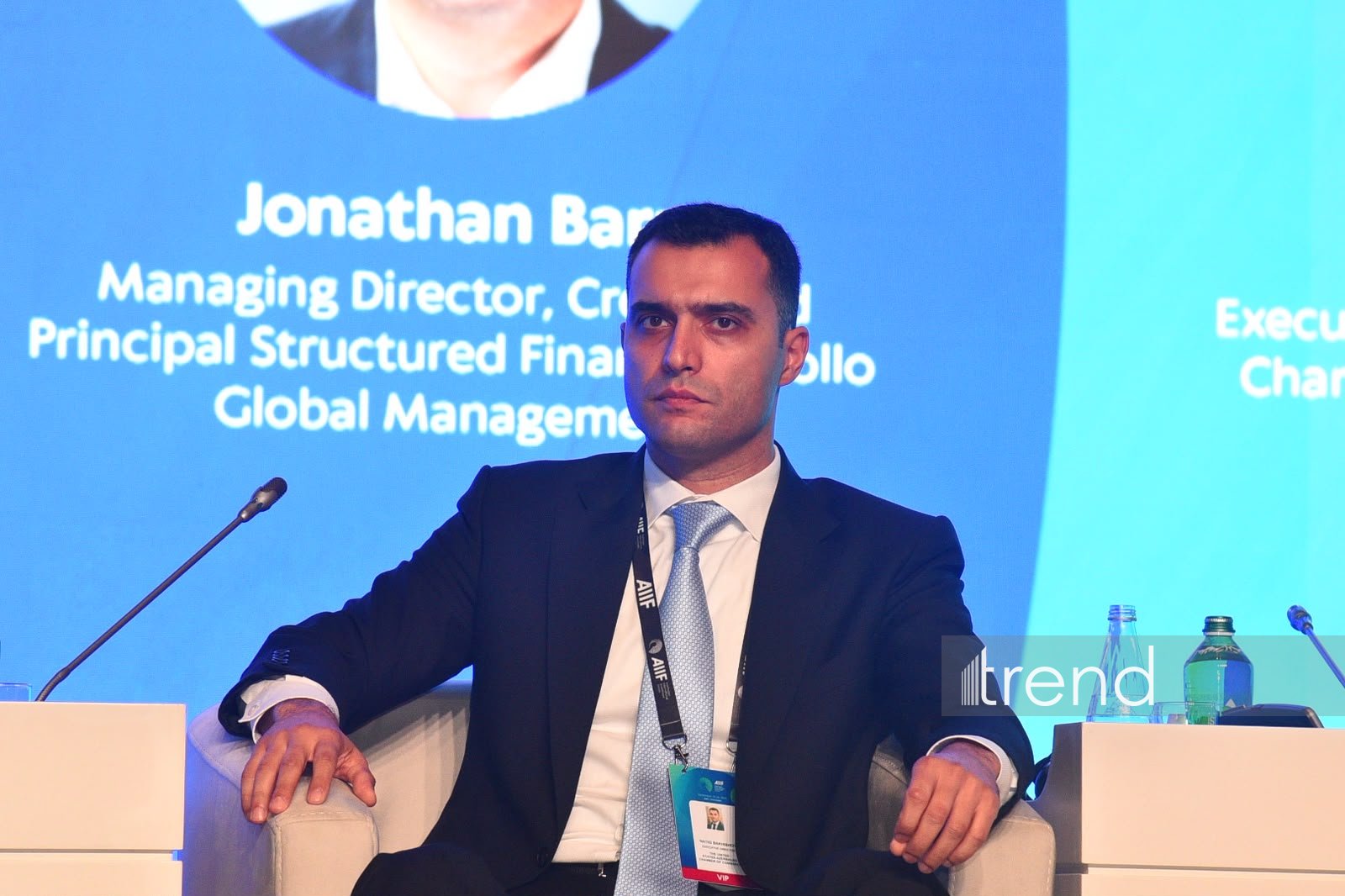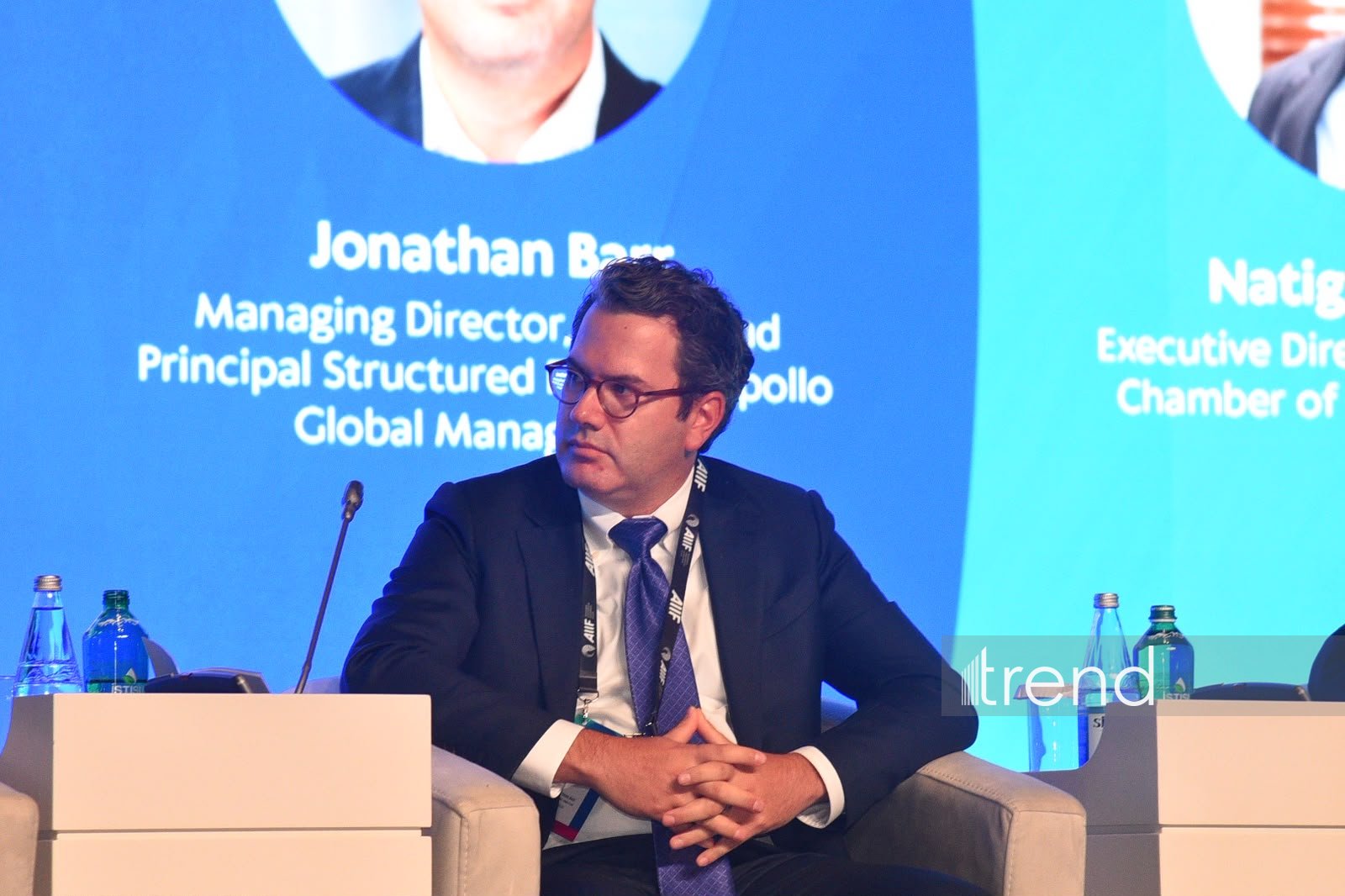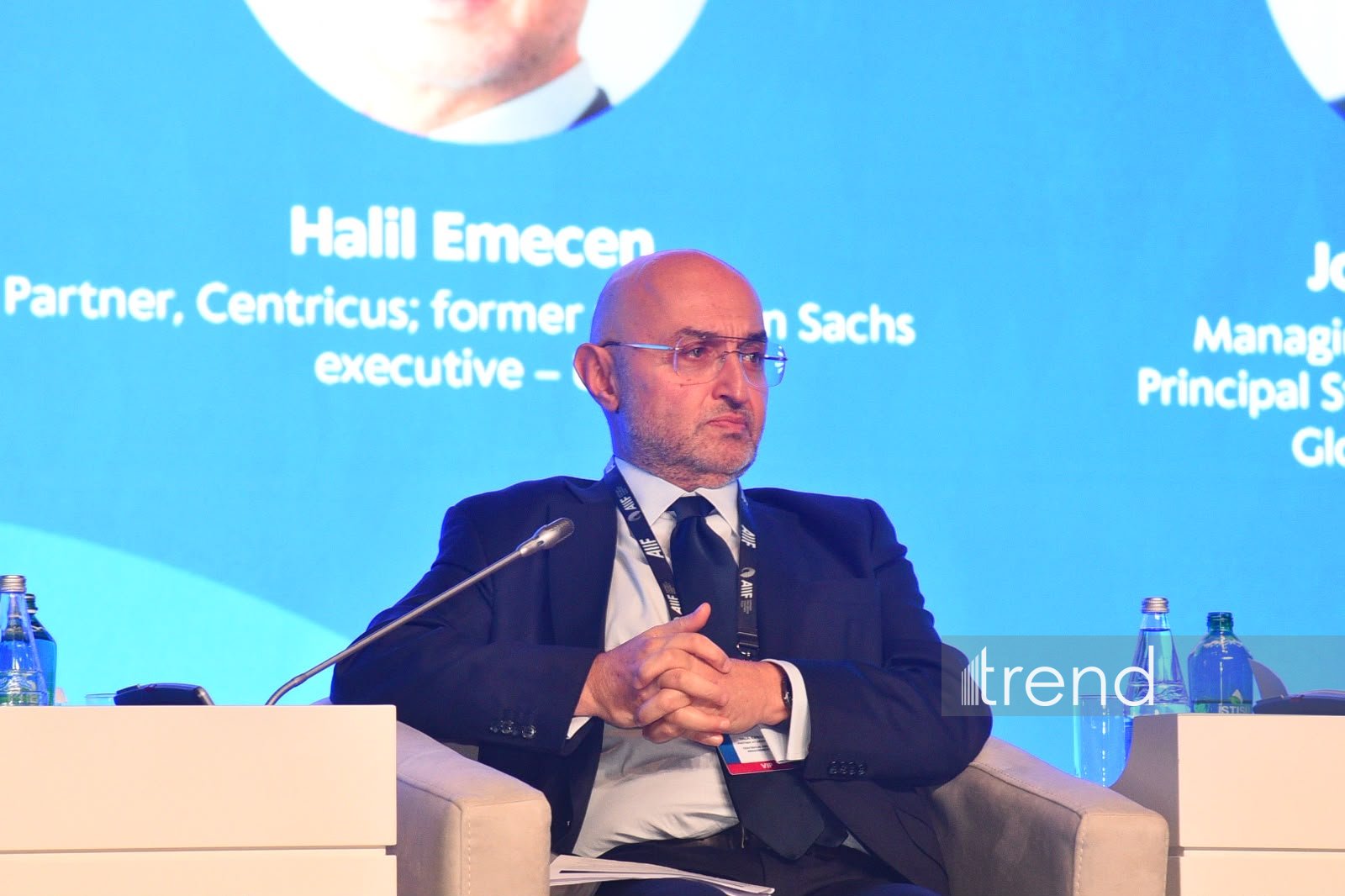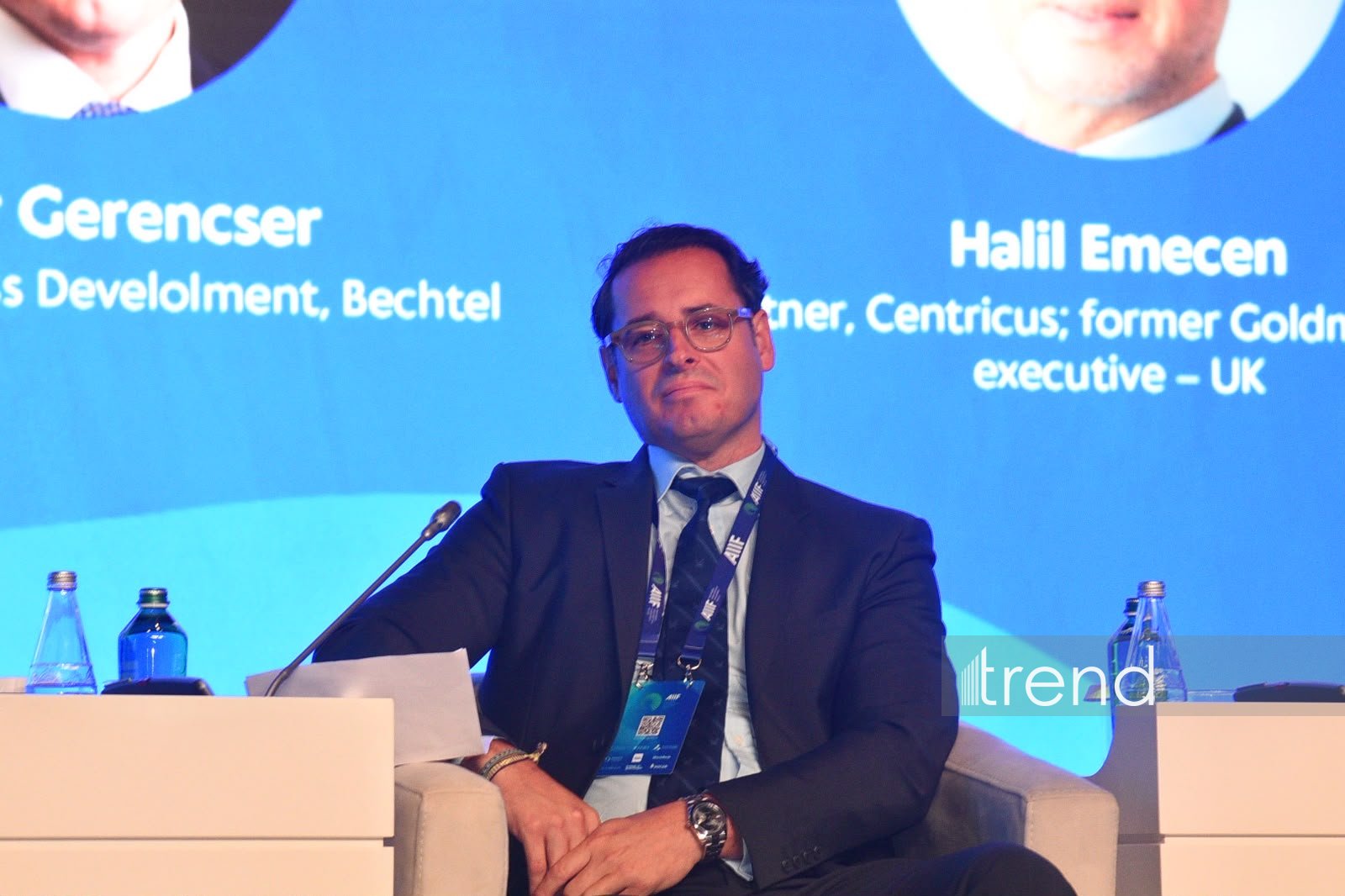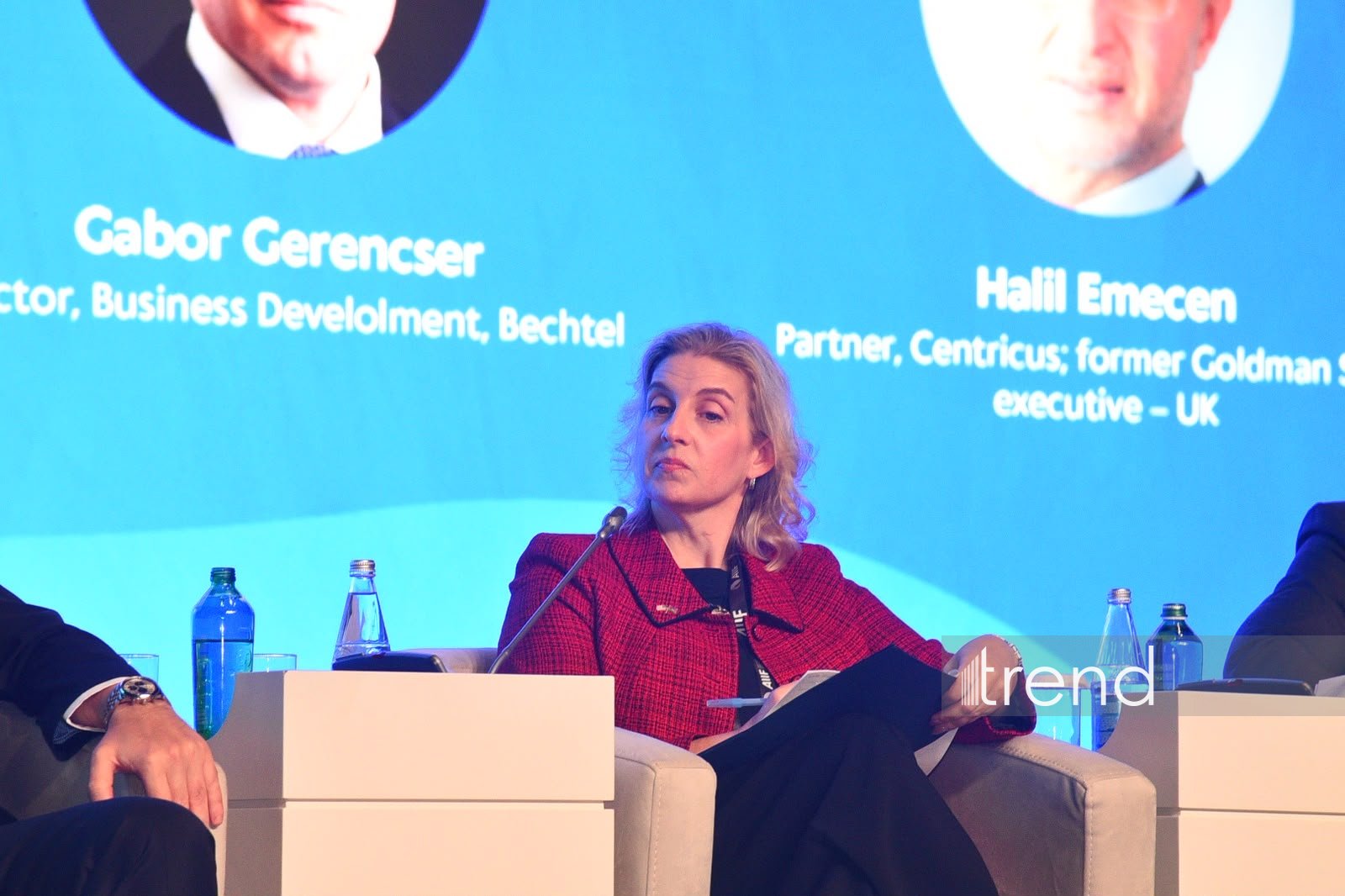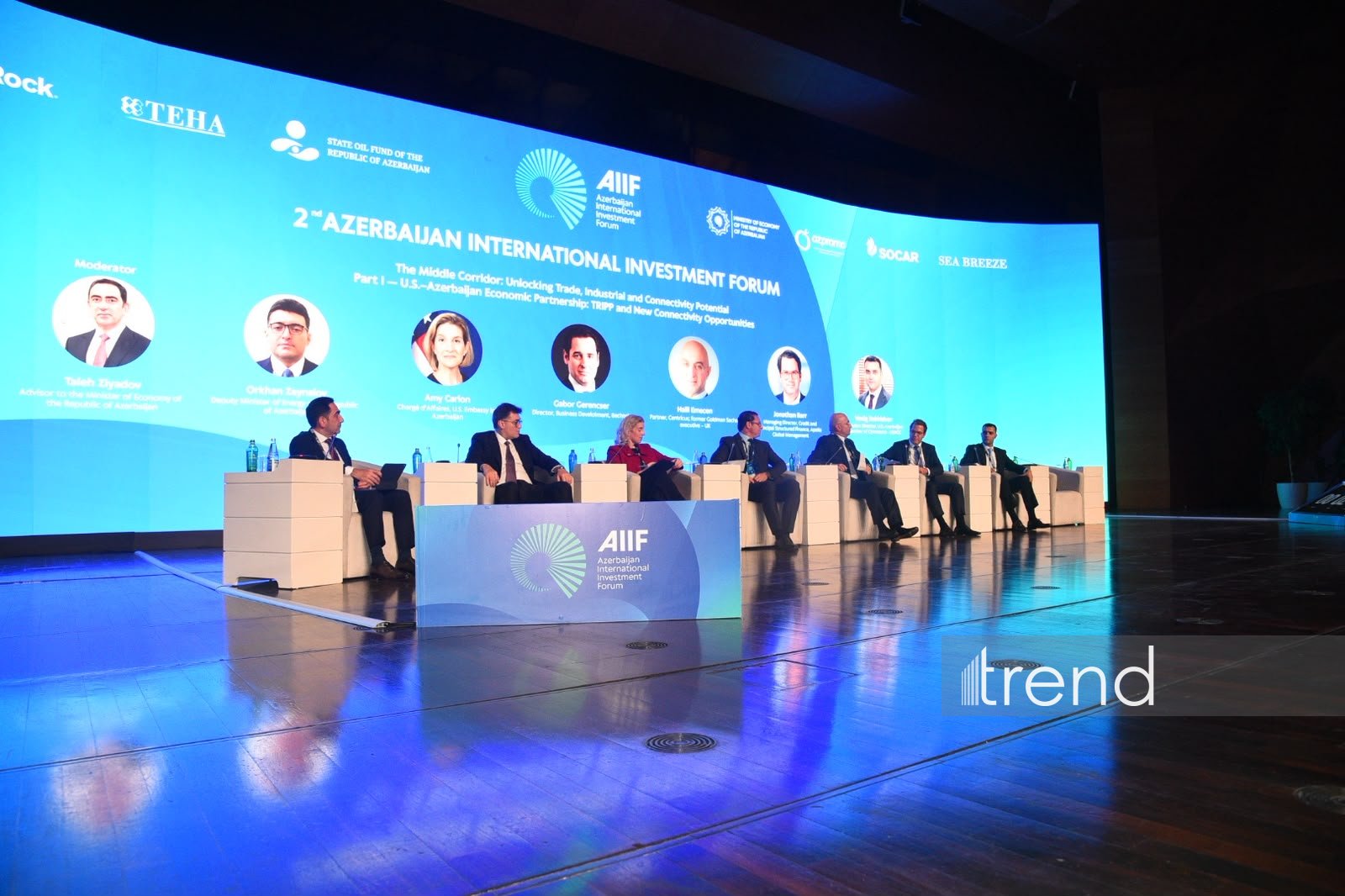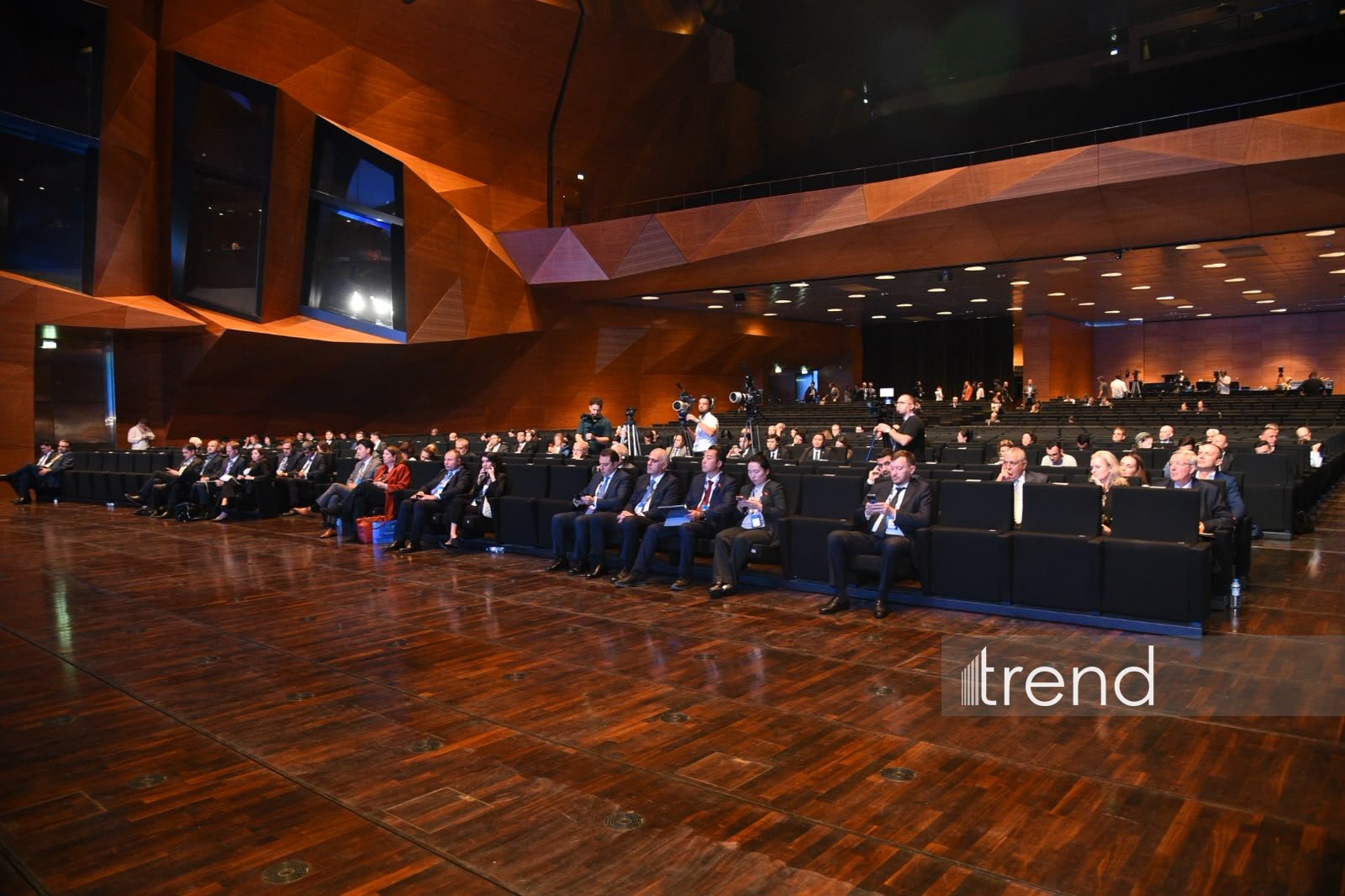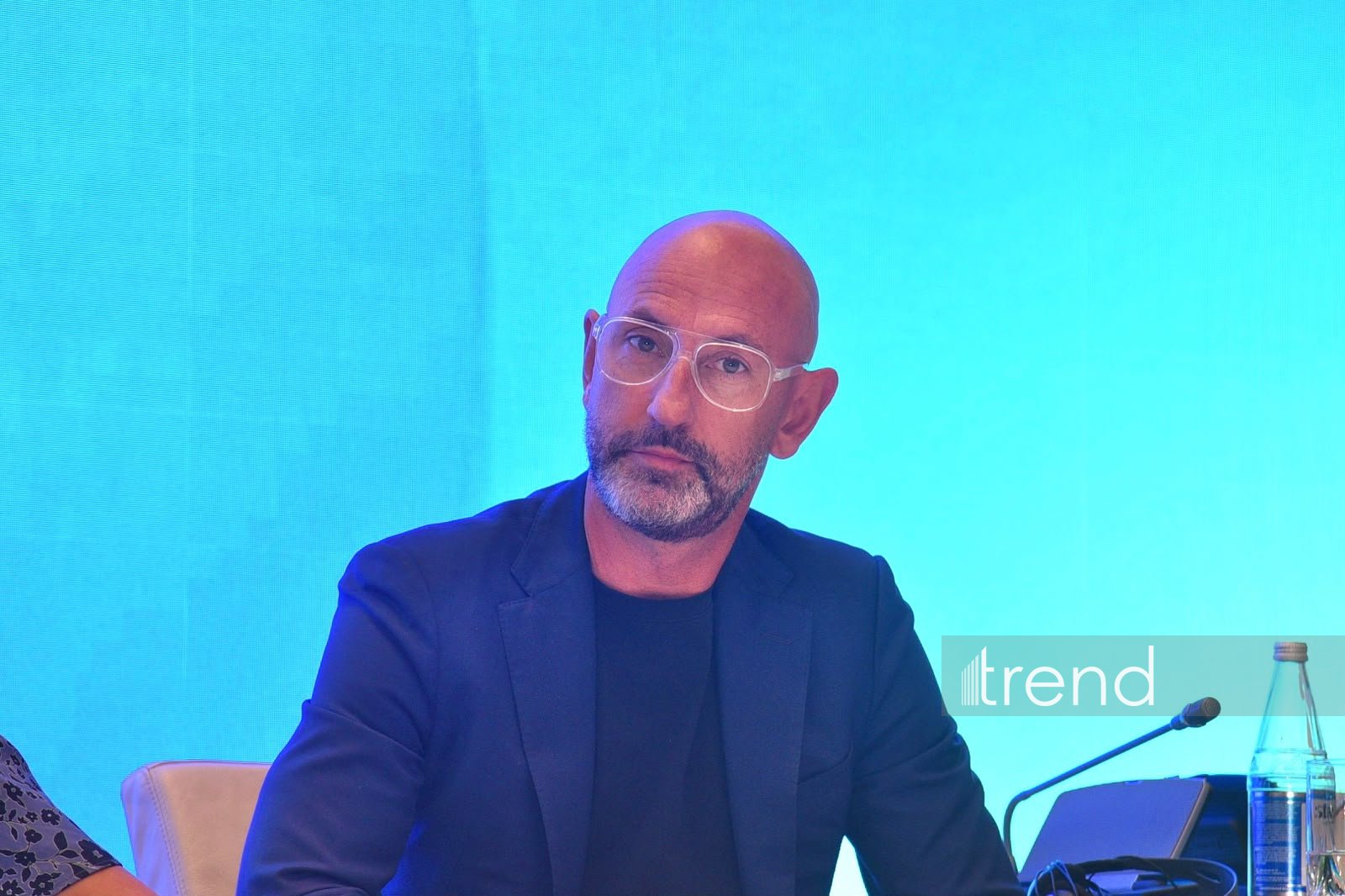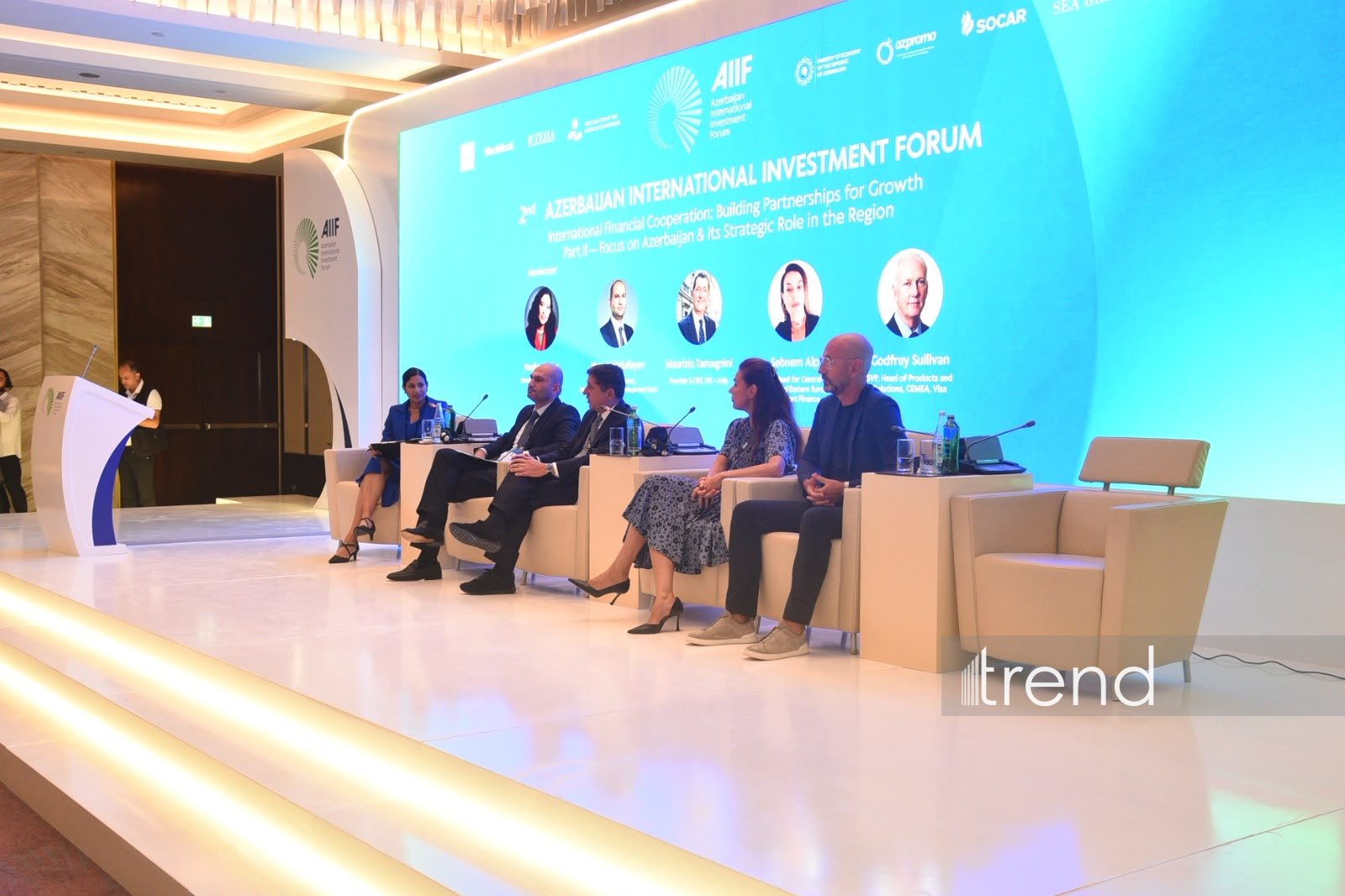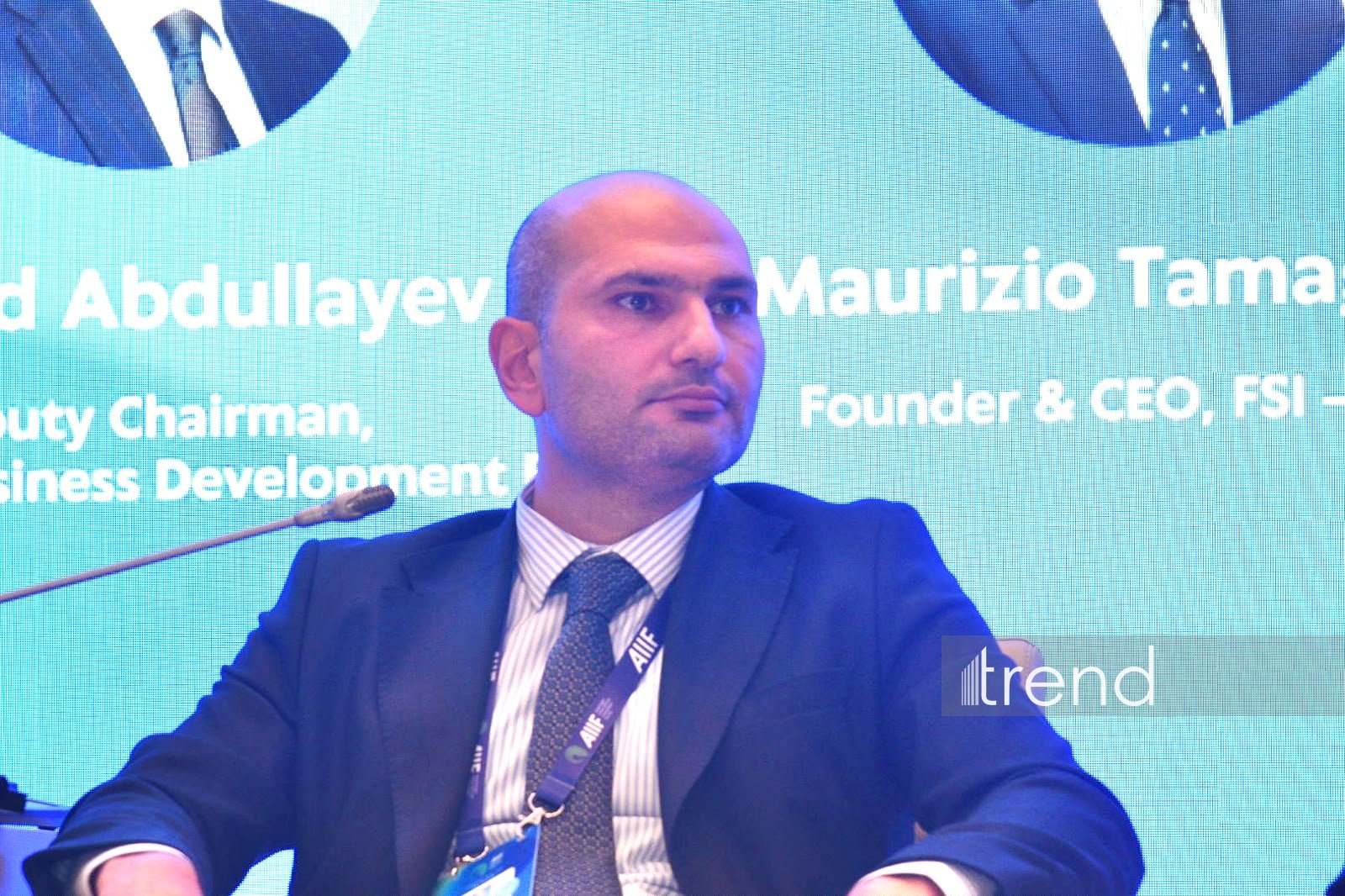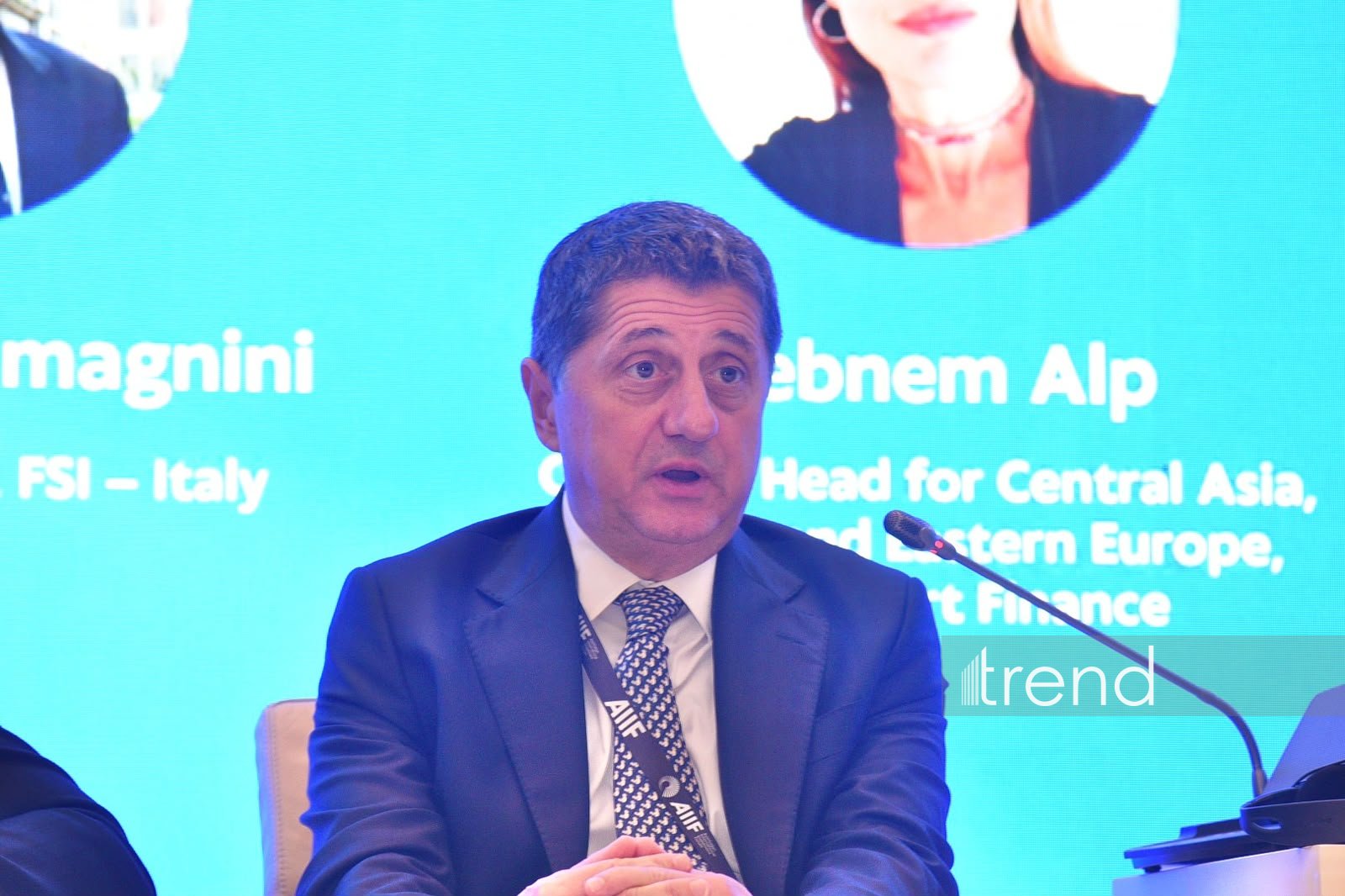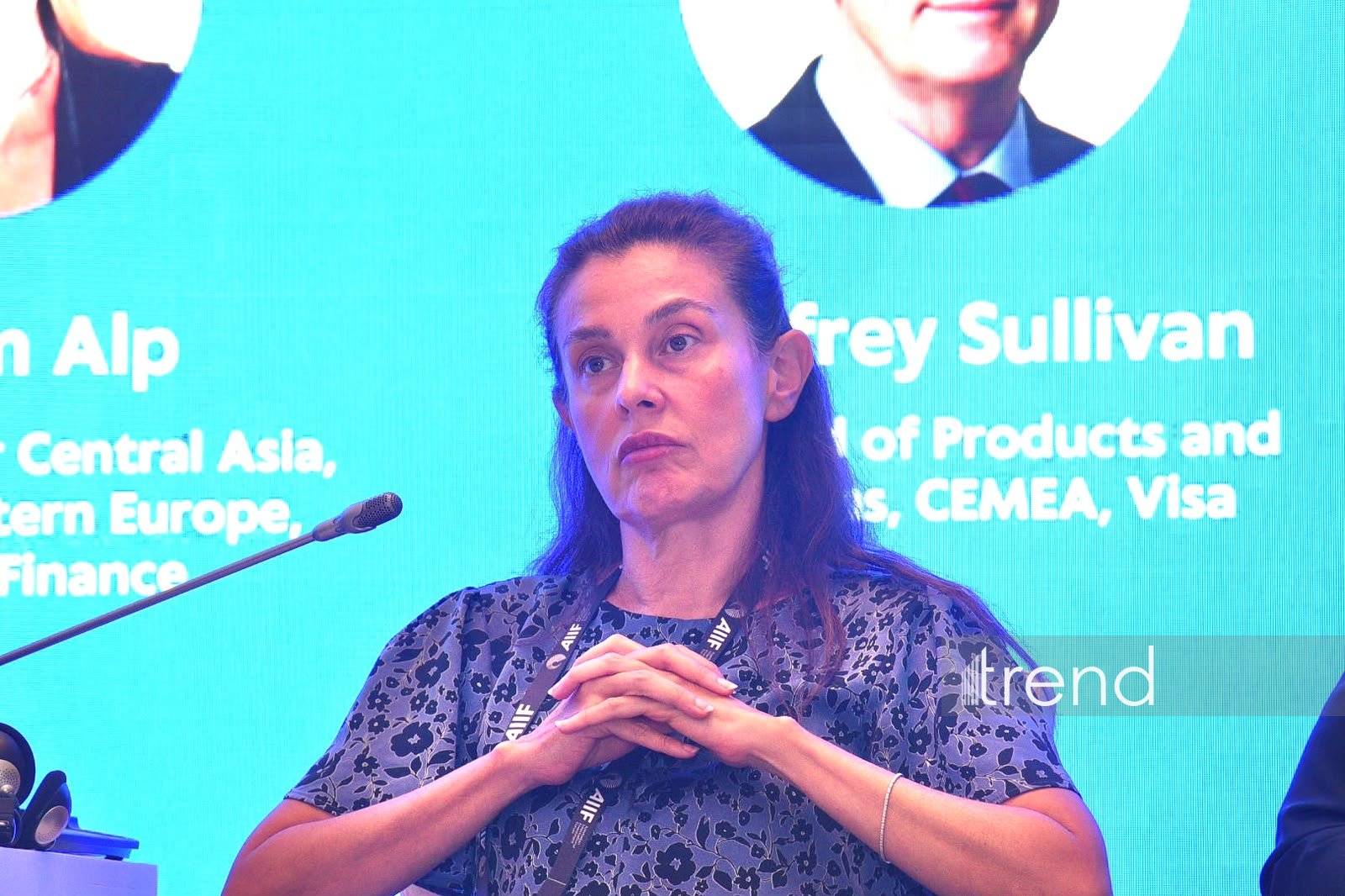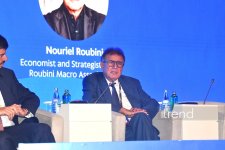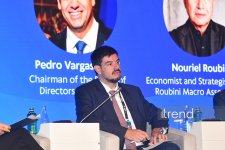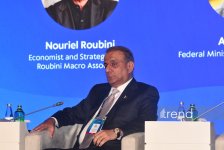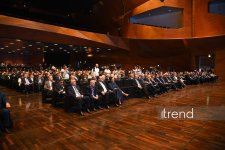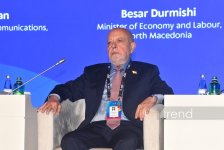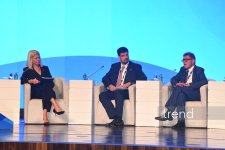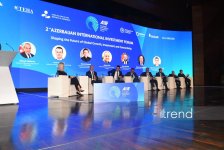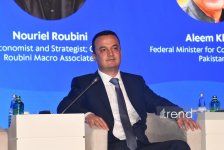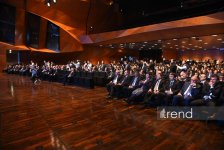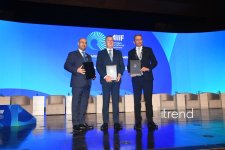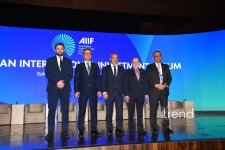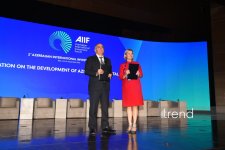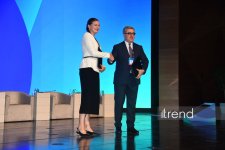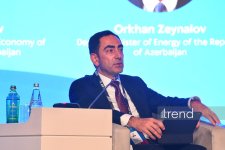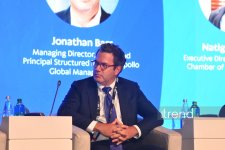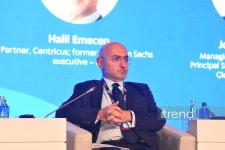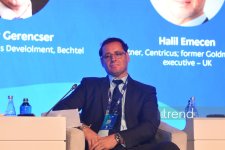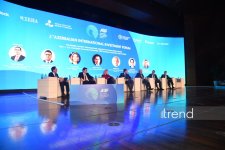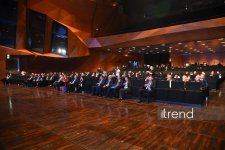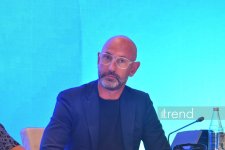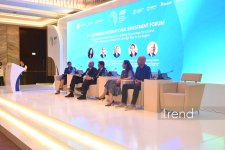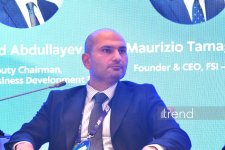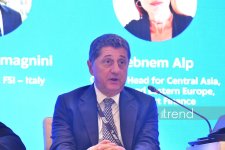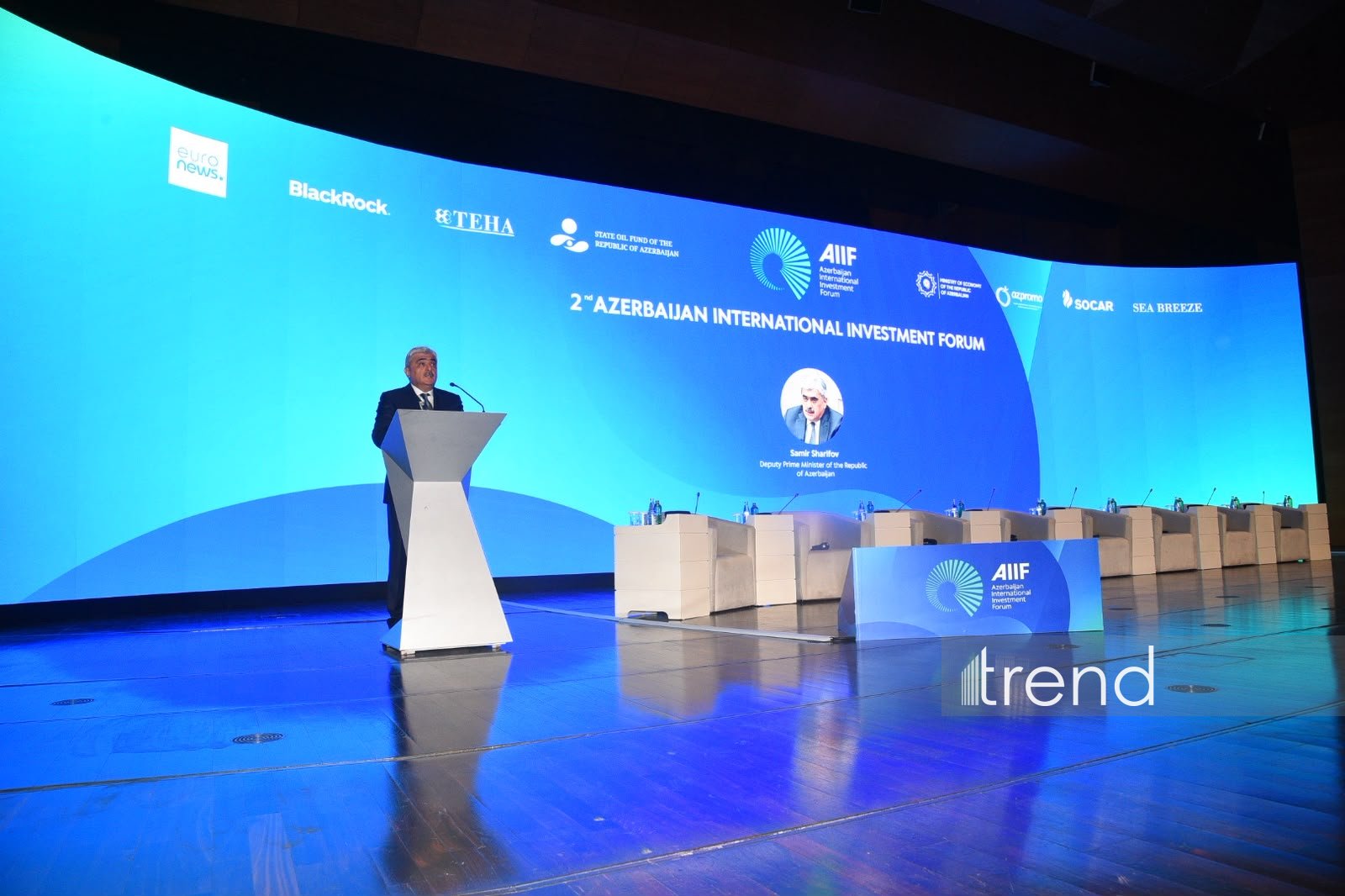
BAKU, Azerbaijan, September 25. The Second Azerbaijan International Investment Forum started its work in Baku, Trend's correspondent reports from the event.
The two-day forum is organized by the Ministry of Economy and the Azerbaijan Export and Investment Promotion Agency (AZPROMO)—which operates under the Ministry—in strategic partnership with The European House – Ambrosetti.
Dedicated to the theme "Restoring Trust in a Fragmented World: The South Caucasus as an Anchor of Global Connectivity and Investment Stability," this year's forum brings together leading global investors, state and government officials, international financial institutions, and business leaders.
At the start of the event Azerbaijan's Deputy Prime Minister Samir Sharifov read out President Ilham Aliyev's address to the forum participants.
Plenary and panel sessions held during the event will address strategic topics such as the Middle Corridor, energy and the green transition, artificial intelligence and digital transformation, infrastructure, industry and free economic zones, critical raw materials, agribusiness, financial cooperation, SME development, tourism, real estate, and investment in human capital.
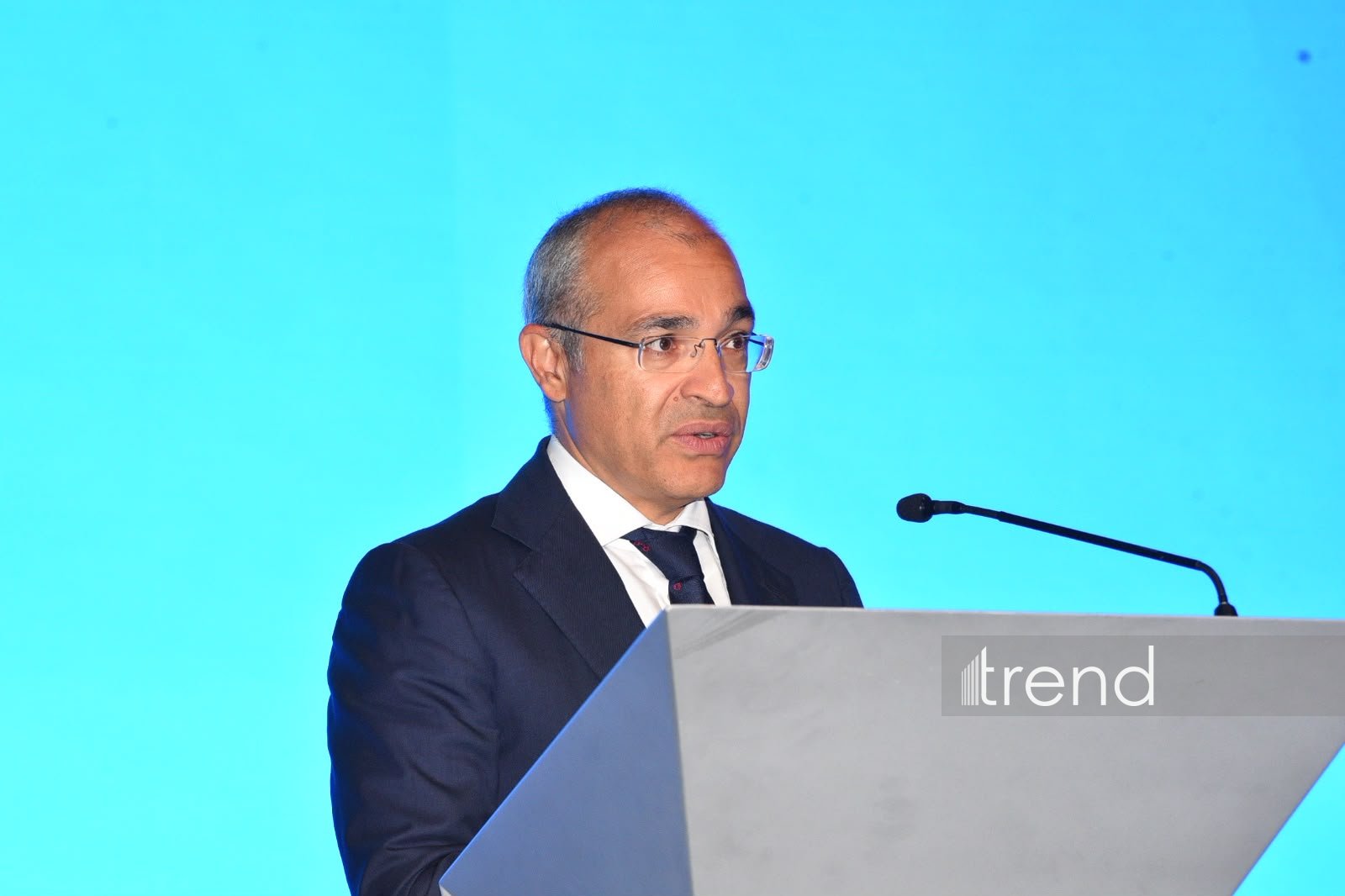
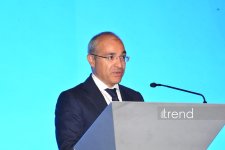
Speaking at the event Minister of Economy Mikayil Jabbarov said that Azerbaijan prioritizes the development of long-term partnerships based on trust, the strengthening of inter-regional ties, and the creation of new economic value through these connections.
The minister noted that businesses and governments are currently re-evaluating investment directions, priorities, trade partners, and reliable relationships.
"We are meeting at a time when globalization is changing its form. Cost and efficiency remain important. However, partner reliability and supply chain resilience are carrying greater weight in the adoption of economic decisions and policies," Jabbarov emphasized.
According to him, the pandemic, disruptions in transportation and supply chains, and ongoing geopolitical tensions over the past six years have demonstrated that even events occurring far away can rapidly impact local production.
"Tariffs, subsidies, and export controls are increasingly influencing the positioning of strategic industries within the competitive landscape. Everyone is seeking resilience. This is natural. However, resilience comes at a cost. The duplication of supply chains and restrictions on technology access often drive up production costs," the minister explained.
Jabbarov announced that the role of small economies—which have a vested interest in keeping international cooperation and trade open—is steadily growing.
He noted that while governments cannot eliminate all external risks, they can make their policies more predictable and demonstrate respect for the commitments they have undertaken.
"It’s precisely in this area that we have chosen to build trust. We believe that trust is grounded in concrete evidence," Jabbarov also said.
The minister highlighted Azerbaijan's track record in fulfilling long-term commitments as a key indicator of the trust placed in the country. The Contract of the Century, signed in 1994 with a consortium of leading international energy companies on the initiative of National Leader Heydar Aliyev, established a model of strong cooperation between Azerbaijan and leading global energy companies," he mentioned.
Jabbarov also highlighted Azerbaijan's contribution to regional and global energy security.
"For over three decades, by working shoulder-to-shoulder with our partners, we have not only contributed to our own country's socio-economic development but have also acted as a reliable energy supplier for many countries within the region and beyond," the minister emphasized.
According to him, Azerbaijani gas is currently supplied to 16 countries, 10 of which are European Union members.
"This makes Azerbaijan one of the leading suppliers of pipeline gas in our geographic region. The number of countries to which Azerbaijan supplies oil and oil products is even higher," Jabbarov added.
The minister also noted that the continuity of investments and reinvestments is also a significant indicator of confidence in the country.
"Long-term partnerships continue to generate new investments and reinvestments. The majority of foreign companies operating in our country choose to reinvest their earnings in Azerbaijan—specifically in the renewable energy sector, alongside traditional energy production," he concluded.
In turn, Minister of Investments, Industry and Trade of Uzbekistan Laziz Kudratov said that Uzbekistan is increasing freight transport along the Middle Corridor with Azerbaijan's participation.
According to him, global conflicts and geopolitical changes have impacted Uzbekistan's transport and logistics connections with European and Gulf countries.
The minister noted that, as a landlocked country and one that is doubly landlocked, Uzbekistan faces a number of challenges regarding transport and logistics.
"Due to global conflicts and geopolitical shifts, the time required to transport goods from Uzbekistan to Europe or the Gulf states has doubled; while it previously took about 10 days, it now takes at least 20 days," Kudratov pointed out.
According to him, active cooperation with Azerbaijan along the Middle Corridor is underway to address these challenges.
"The volume of cargo transported via Azerbaijan has doubled over the past two to three years. This year alone, an increase of about 30% has been recorded in this figure," the minister said.
Kudratov also noted that Uzbekistan, together with Azerbaijan, is investing in the expansion of ferry infrastructure on the Caspian Sea and the creation of new transport opportunities through the Zangezur Corridor, Nakhchivan, and railway connections.
According to the minister, trade and investment ties between Azerbaijan and Central Asian countries are also developing rapidly. "Trade turnover between Azerbaijan and Central Asian countries has currently reached $13 billion. Our goal is to raise this figure to $20 billion by 2030," he emphasized.
He announced that cooperation is not limited to expanding trade; developing mutual industrial partnerships is also a key priority.
"Uzbekistan is investing in Azerbaijan's textile and automotive industries, while Azerbaijan is investing in Uzbekistan's mining, real estate, and energy sectors," said Kudratov.
The minister noted that one of the main objectives is to transform the region into a unified and attractive business environment for foreign investors through the joint efforts of Azerbaijan and Central Asian countries.
Kudratov also touched upon issues regarding energy security and the development of green energy.
"Uzbekistan has attracted significant capital to the renewable energy sector. Currently, the share of green energy in generation capacity has reached 30%. Plans are in place to increase this figure to 54% by 2030," the minister stated.
According to him, this target is intended to be achieved within an energy system that incorporates gas-based energy alongside solar, wind, and hydroelectric power.
"We are working on joint projects with Azerbaijan to transport green electricity to Europe by leveraging the region's potential for generating low-cost solar and wind energy. This includes the establishment of subsea and regional power transmission lines," the minister added.
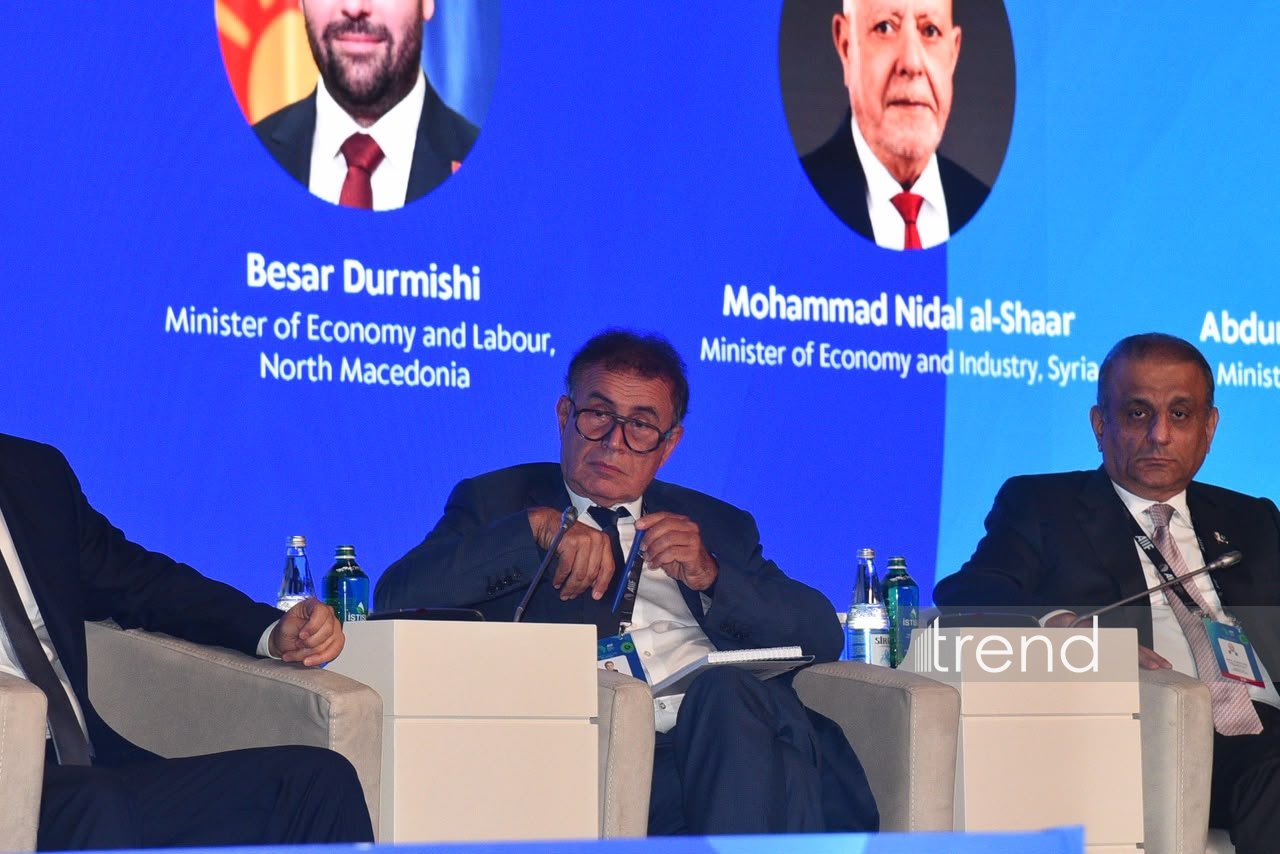
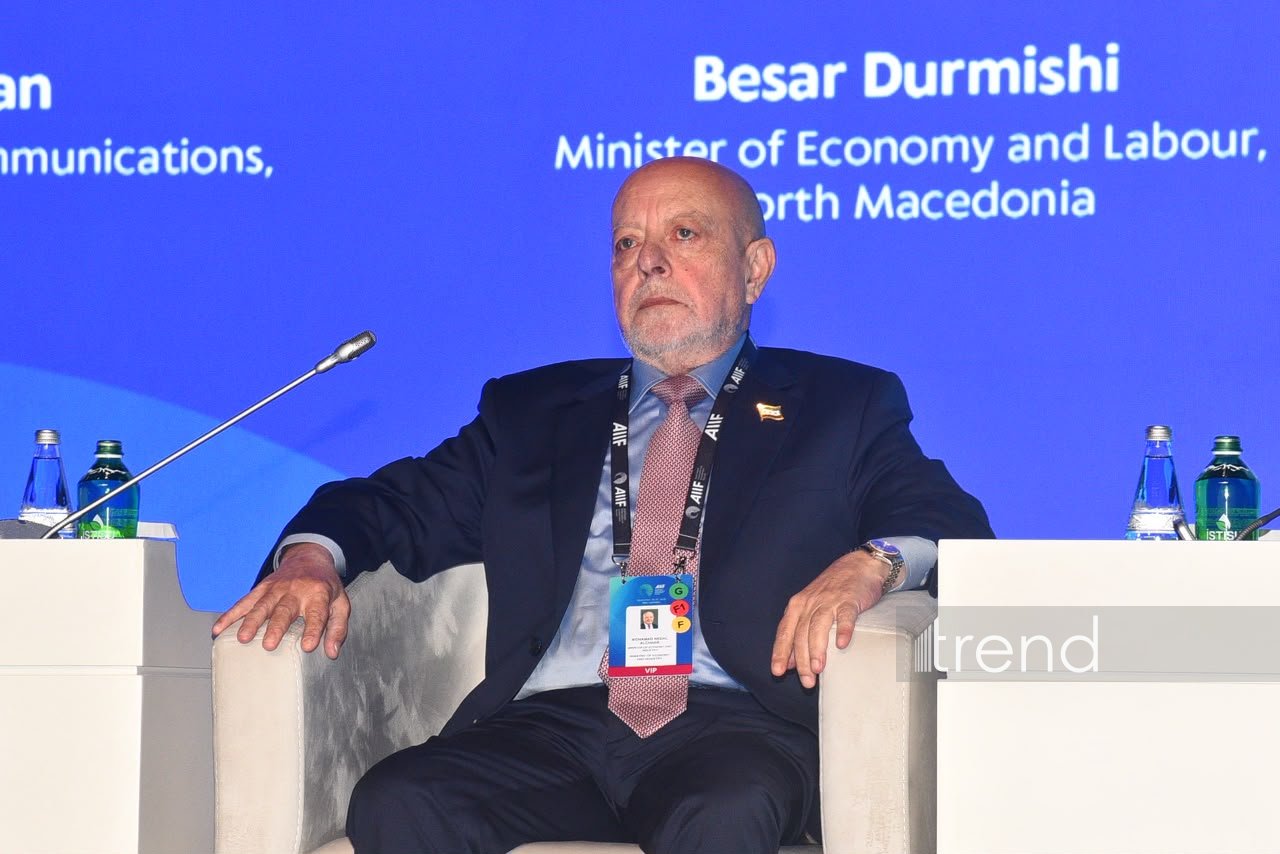
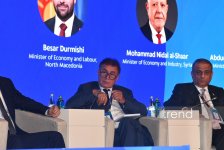
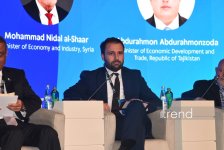
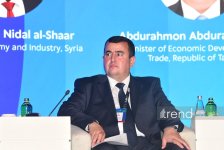
Syrian Minister of Economy and Industry Mohammad Nidal al-Shaar announced that Syria-Azerbaijan Joint Business Council has been established.
He noted that Syria has taken concrete steps toward restoring business ties with other countries.
"I visited Uzbekistan just a week ago. Together with my friend Laziz, we initiated the creation of structures we call Joint Business Councils. Today, together with Azerbaijani Minister of Economy Mikayil Jabbarov, we are announcing the establishment of the Syria-Azerbaijan Joint Business Council," the minister said.
According to the minister, shifts in global economic and geopolitical processes in recent years have led to a restructuring of the global economic system.
"Today, we are witnessing the restructuring of the entire global economy. This process encompasses all areas, ranging from production to trade routes, energy, and marketing. Globalization, too, is evolving from the form we once knew into a model of selective globalization," he said.
He noted that economic resilience is currently becoming a factor as important as—and in some cases, even more important than—efficiency. "While the primary focus used to be on low costs and the principle of 'on-time delivery,' the question of how to respond to unexpected situations has now come to the forefront. Consequently, resilience has become a crucial concept," the minister emphasized.
Mohammad Nidal Al-Shaar noted that all these processes have been further accelerated by the rapid development of artificial intelligence.
The minister stated that one of the key tasks facing Syria is the restoration of economic ties with the rest of the world.
"Syria, having faced severe challenges and limited financial resources over the past 15 years, must overcome these obstacles. First and foremost, we need to restore our global connections and resume cooperation, while simultaneously rebuilding our country and strengthening our presence on the international stage," he noted.
According to him, Syria is currently building a different economic system and creating conditions to attract foreign investment.
"Syria is a completely different country today. We are a nation founded on peace, friendship, and openness. We have transitioned to a free-market economy and no longer define ourselves as a socialist state. The entire landscape has changed," the minister stated. Mohammad Nidal al-Shaar noted that the country's legislation is also being adapted to attract investors.
"Our country is open, and today we are not creating any obstacles. We are updating our legislation. This is crucial for all investors. While our laws were previously drafted to serve specific, narrow interests, our goal today is to open up our economy and welcome investors," he added.
The minister also said that Syria is seeking not merely financial resources, but partnerships based on long-term, mutual benefit.
"We aren’t simply looking for capital; we are seeking 'smart' and high-quality capital, as well as partnerships. We are not asking for aid. We are looking for investors who wish to partner with us. We also aim to restore the technology transfer that was lost over the past 15 years," the minister emphasized.
He invited investors to come to the country and select the sectors best suited to their interests. "We tell investors: come and do what you do best. We will not present you with a list of our needs; our needs are already known. You simply come, choose the sector that suits you and where you can succeed, and become our partner," said Mohammad Nidal al-Shaar.
According to the minister, this approach differs from the traditional model of attracting foreign direct investment.
Mohammad Nidal al-Shaar emphasized that Syria is striving to restore the international economic ties it lost over recent decades, and that this process will proceed in parallel with the country's reconstruction.
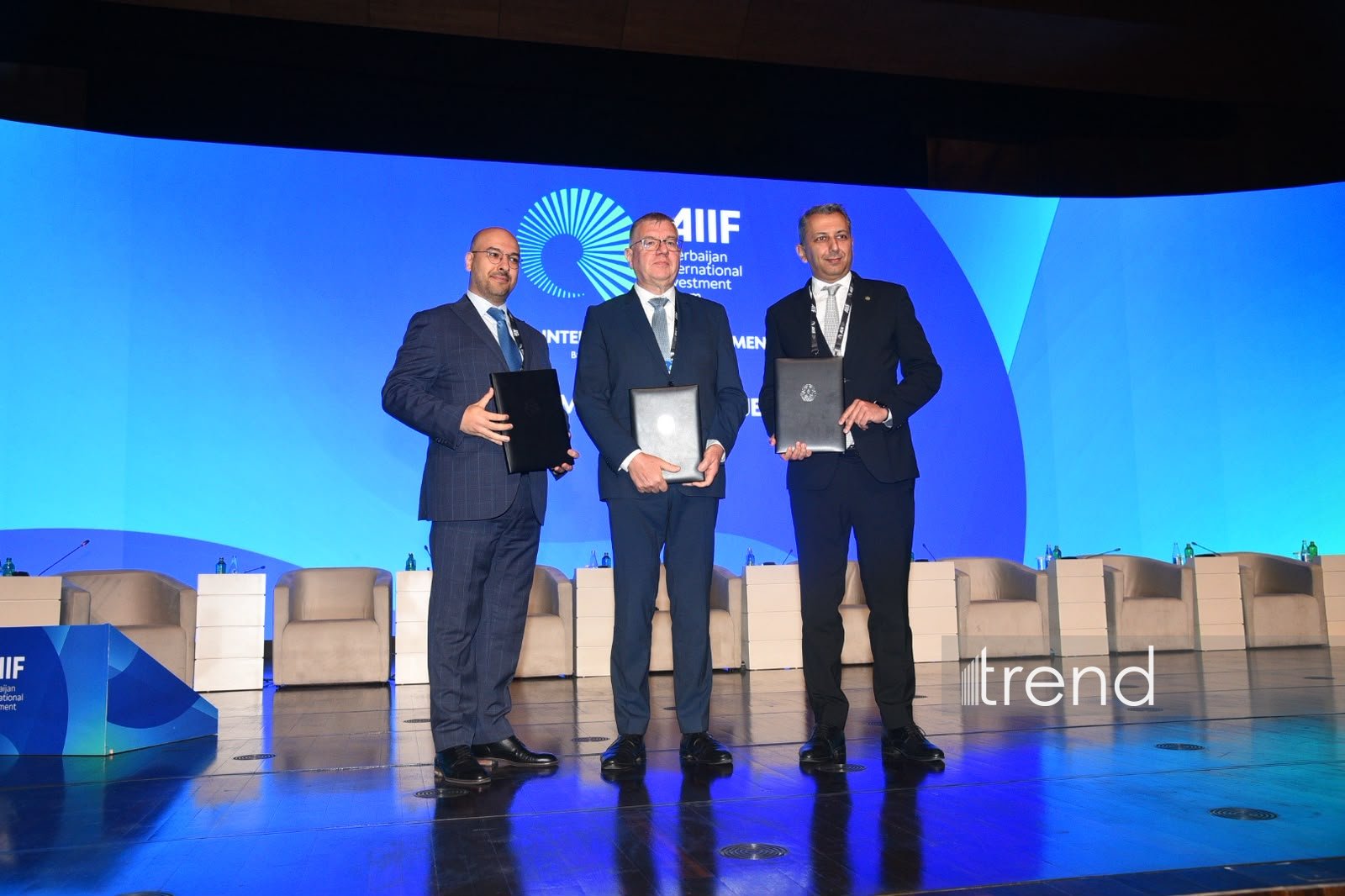
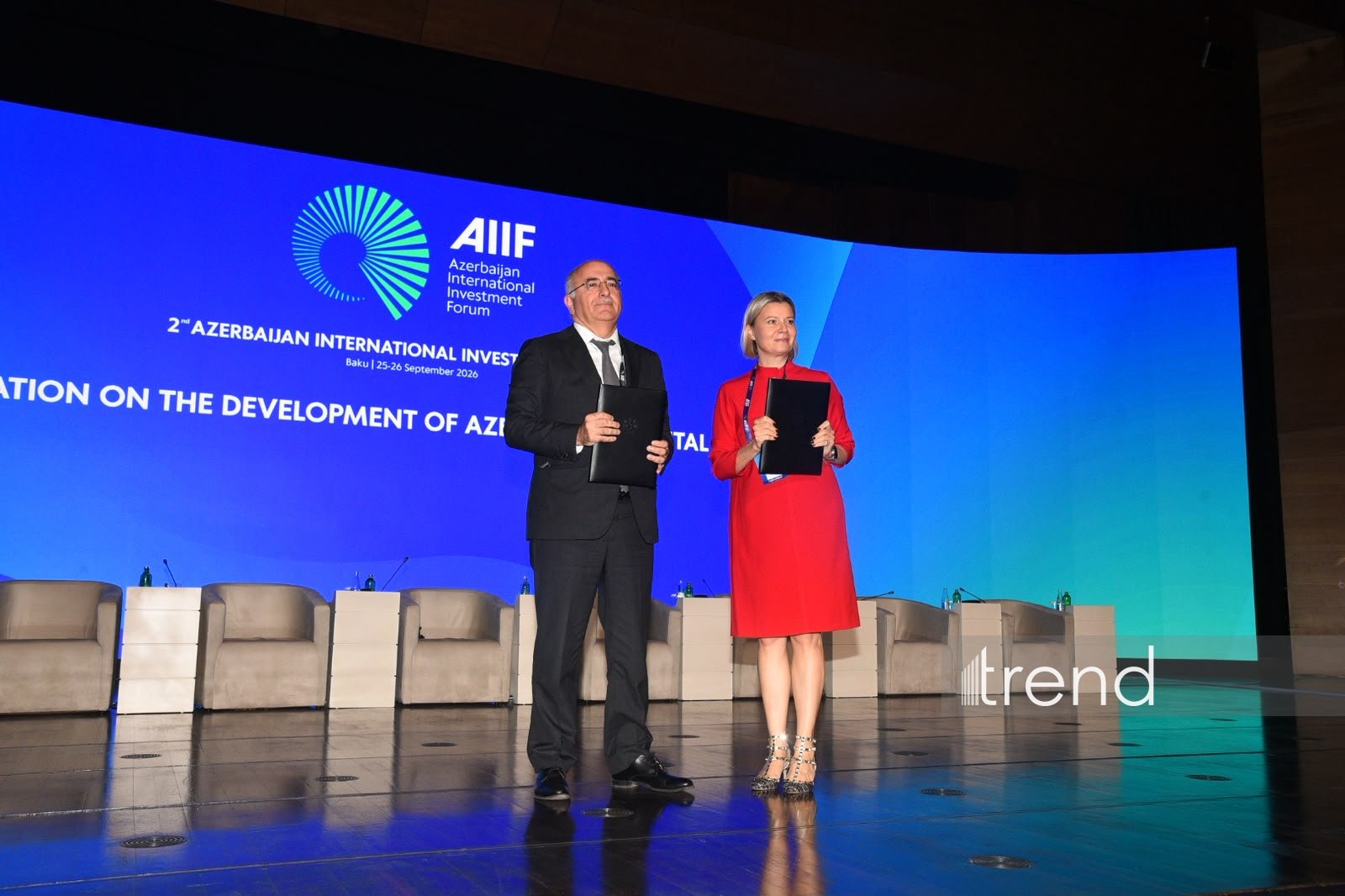
As many as 11 documents outlining cooperation across various sectors were signed between Azerbaijan and foreign partners during the 2nd Azerbaijan International Investment Forum.
The documents cover a wide range of areas, including construction and development, renewable energy, high technologies, agriculture, veterinary services, pharmaceuticals, investment, water resource management, sports, investment promotion, and digital technologies.
The signed memorandums of understanding include:
- Cooperation in construction and development. The document was signed by Azerbaijan's Deputy Minister of Economy Anar Akhundov and Ta Ngoc Da, Deputy General Director of ROX Group JSC.
- Cooperation in developing Azerbaijan's digital economy. The document was signed by Azerbaijan's Deputy Minister of Economy Azer Bayramov and Gabriela Popescu, General Manager of Microsoft Romania, Moldova & CIS.
- Cooperation on solar and wind energy projects in Azerbaijan. The document was signed by Azerbaijan's Deputy Minister of Energy Elnur Soltanov and Pham Minh Tuan, Chairman of the Executive Board of Energy Companies – ROX Group.
- Production of silicon carbide, silicon oxide and silicon using new technologies. The document was signed by Valeh Alesgerov, Chairman of the Board of the Alat Free Economic Zone's authorized body, and Vitaliy Yevdokimenko, founder of Inoyest AFEZCO.
- ABAK-WASSERSTEIN Azerbaijani-Swiss plantation and processing projects. The document was signed by Agstafa District Executive Authority head Seymur Orujov and Zoltan Péter Sztuchlik, representative of Swiss company iCsquared GmbH.
- Poultry complex project in Aghdam. The document was signed by Ulvi Mansurov, Chairman of the Board of Azerbaijan's Entrepreneurship Development Fund, Niyazi Amirbekov, General Director of AgroDairy LLC, and Petr Cingr, Deputy Chairman of the Board of AGROFERT, a.s.
- Veterinary vaccine production project. The document was signed by Ulvi Mansurov, Chairman of the Board of Azerbaijan's Entrepreneurship Development Fund, and Abdullah Tutak, Director of VETAL HAYVAN SAĞLIĞI ÜRÜNLERİ A.Ş.
- Pharmaceutical manufacturing facility. The document was signed by Ulvi Mansurov, Chairman of the Board of Azerbaijan's Entrepreneurship Development Fund, and Ondrej Dragun, Chief Financial Officer of Saneca Pharmaceuticals, a.s.
- Acquisition of a non-controlling stake in Azər-Türk Bank by the Azerbaijan-Oman Private Equity Fund. The document was signed by Acting General Director Dayanat Sadullayev and Saif Al-Mahrouqi, Senior Manager for G2G Funds at the Oman Investment Authority.
- Cooperation between Esyasoft, ADSEA and SOCAR. The document was signed by SOCAR President Rovshan Najaf, Esyasoft representative Bibin Chandra and Zaur Mikayilov, Chairman of the State Agency for Water Resources of Azerbaijan (ADSEA). The handwritten section also lists Samir Suleymanov, Executive Director / special state body.
- Cooperation between Azerbaijan and Ukraine in investment promotion. The document was signed by Yusif Abdullayev, Executive Director of AZPROMO, and Maryna Khlystun, Executive Director of UkraineInvest.
Overall, the forum is of great importance in positioning Azerbaijan as a strategic business platform that links economic ties between regions and international markets, while fostering the creation of new projects and partnerships. At a time of rising global economic and geopolitical uncertainty, the fact that issues such as investment stability, mutual trust, and long-term partnership are being addressed in Baku further underscores the forum's relevance.
In this context, the Second Azerbaijan International Investment Forum can be regarded not merely as a two-day international event, but also as a significant strategic platform for discussing Azerbaijan’s future economic priorities, investment opportunities, and the region’s evolving role in the global economic system.
The forum will continue its work tomorrow.