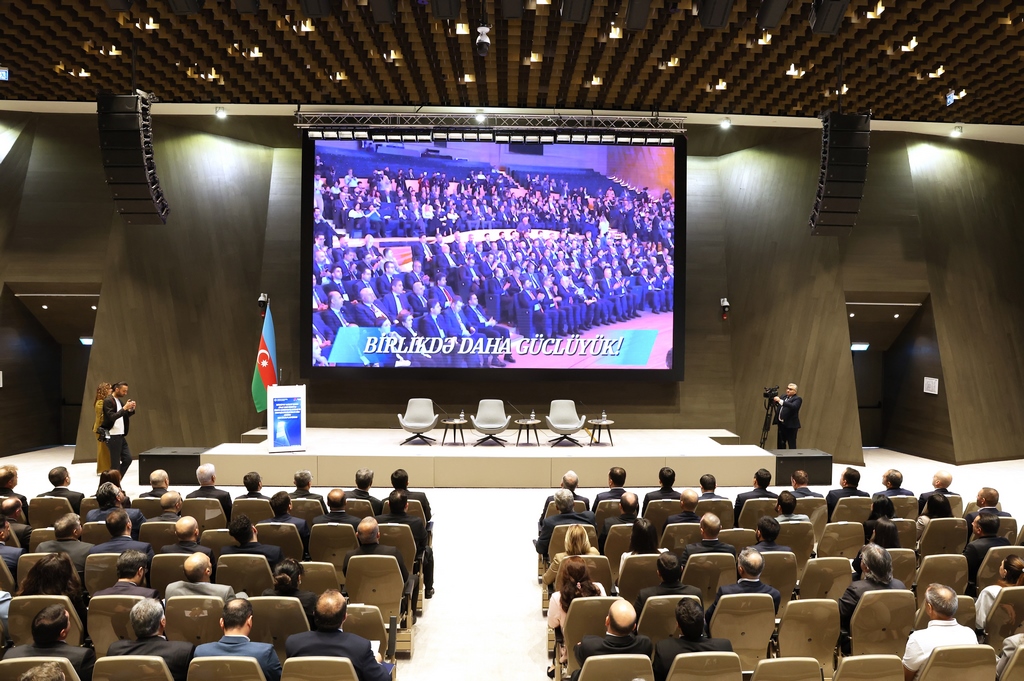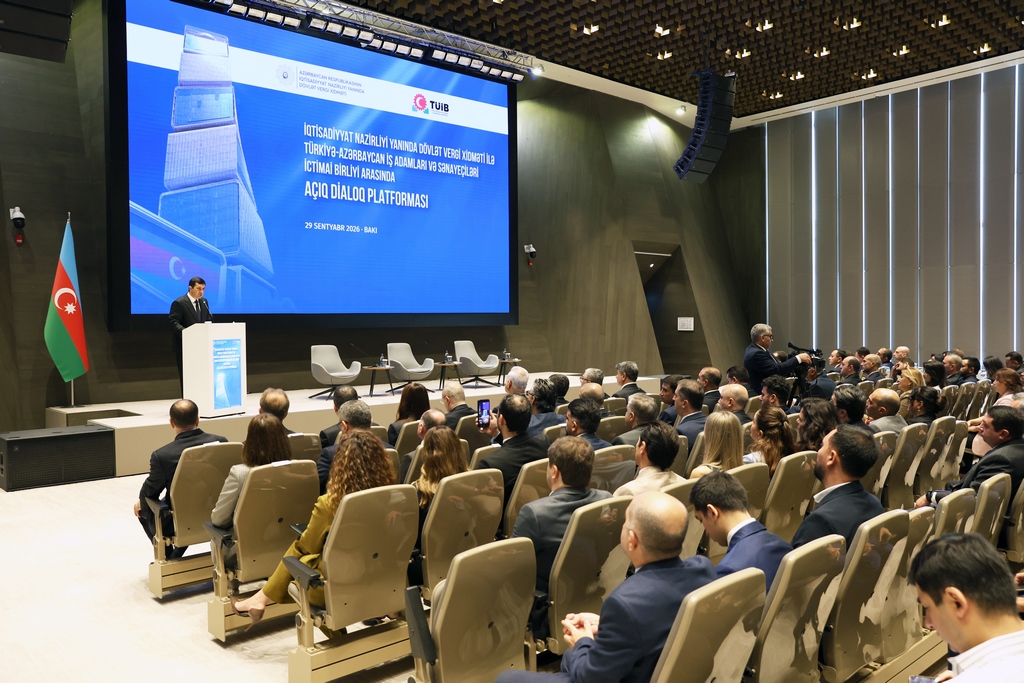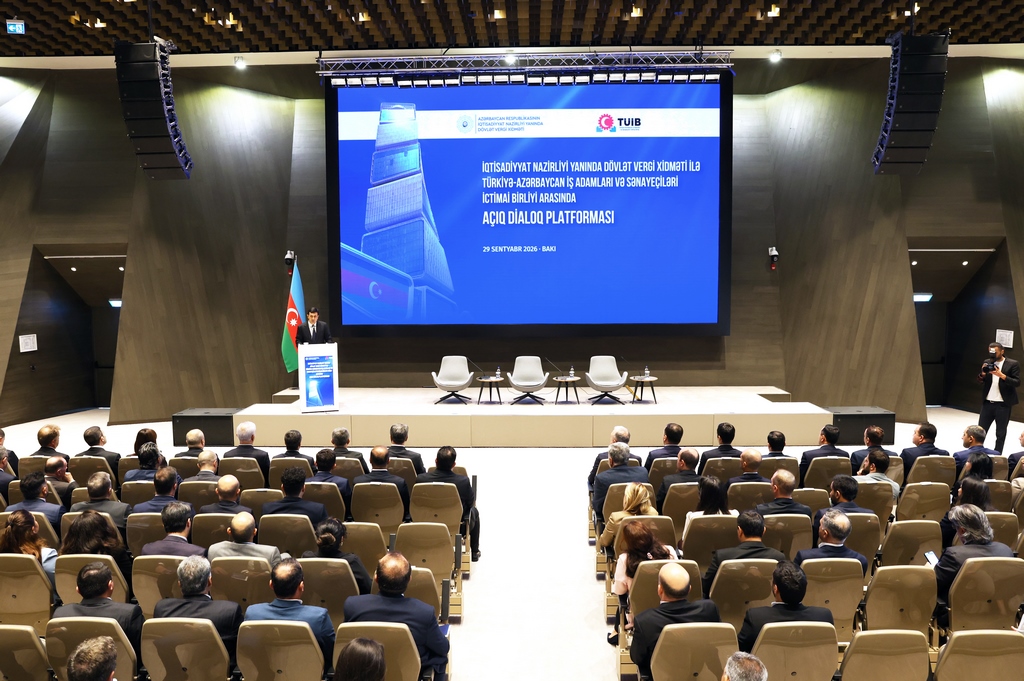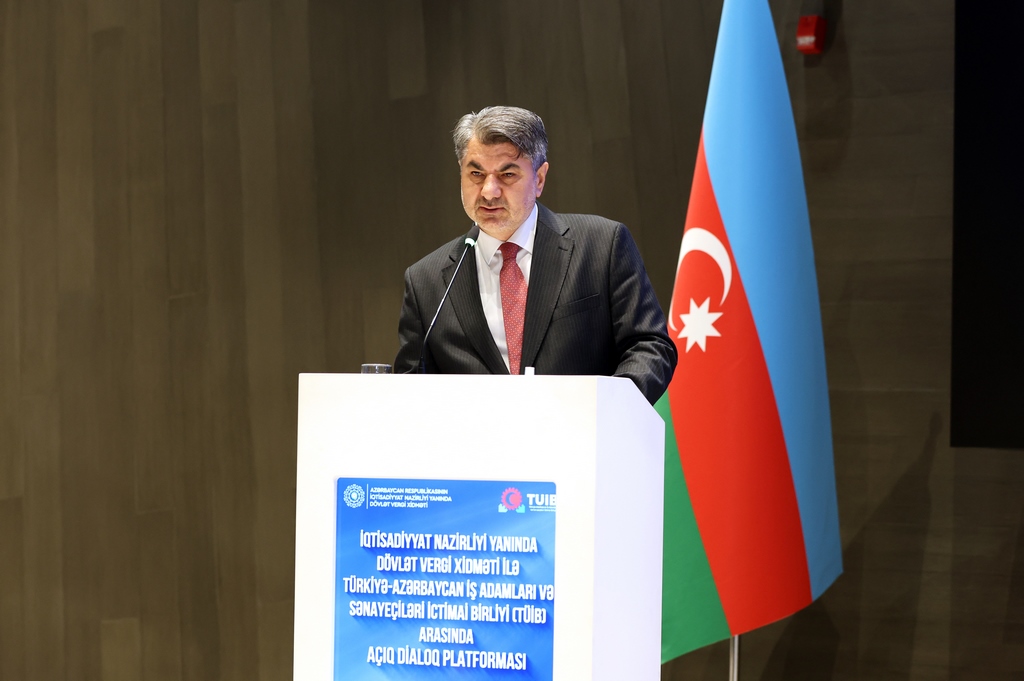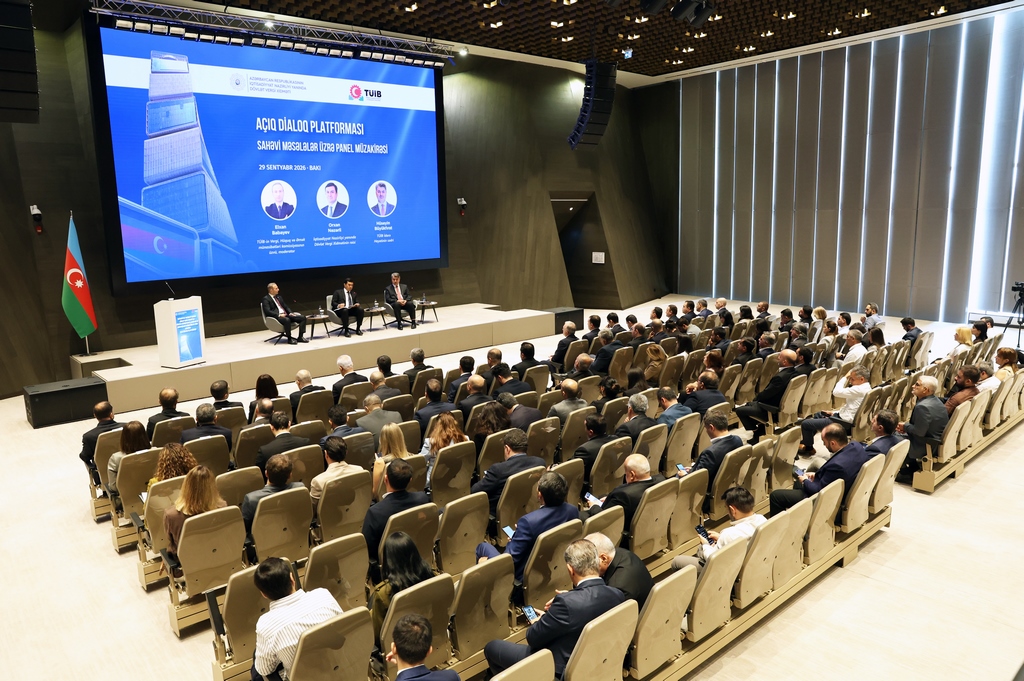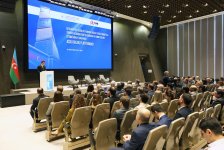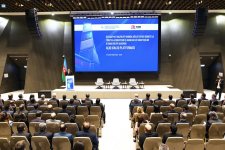

BAKU, Azerbaijan, September 29. The primary goal of tax administration is not to increase oversight, but rather to accurately identify risks, avoid imposing additional administrative burdens on transparent taxpayers, and encourage voluntary tax compliance through digital solutions.
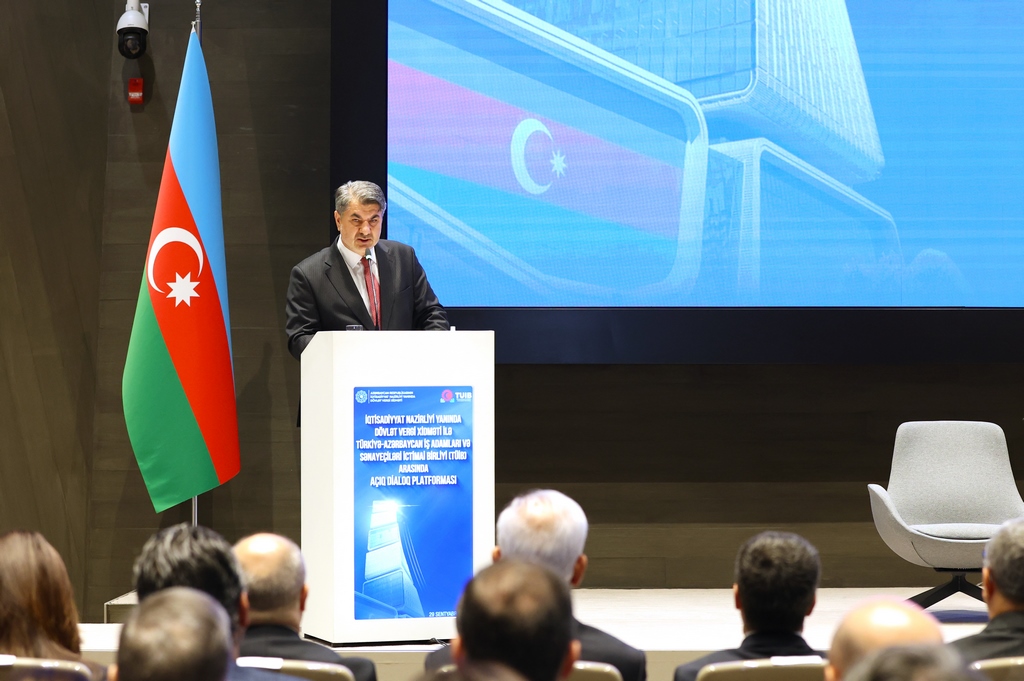
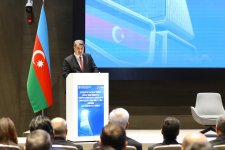
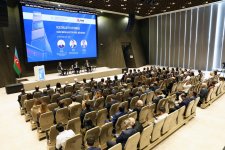
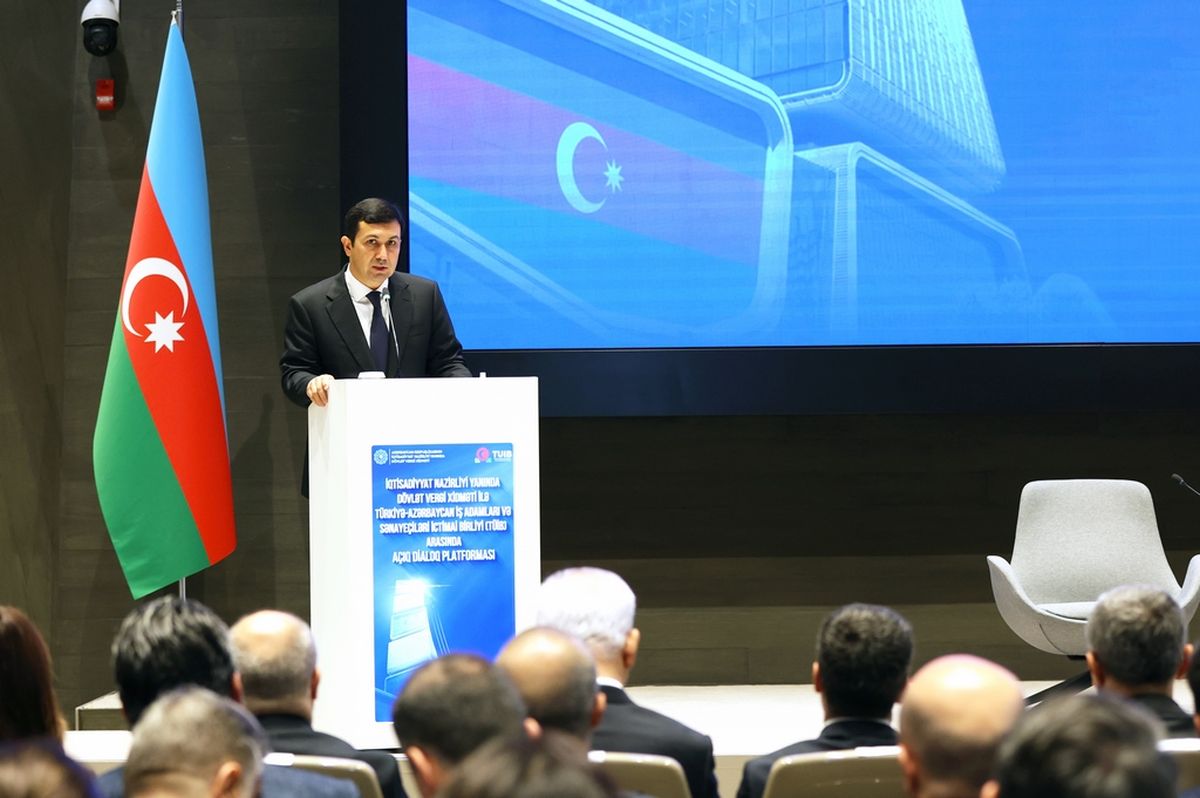
This was stated by the Head of the State Tax Service (STS) under the Azerbaijani Ministry of Economy, Orkhan Nazarli, during a B2G meeting held within the framework of the Open Dialogue Platform between the STS and the "Türkiye-Azerbaijan Businessmen and Industrialists Public Union" (TÜİB).
According to him, the main objective is to establish a system characterized by voluntary fulfillment of tax obligations, strengthened mutual trust between the state and the business community, and a mindset where entrepreneurs view the tax system not as an obstacle to their operations, but as an integral part of a transparent and predictable economic environment.
The Head of the Service emphasized the opportunities created by the further strengthening of the strategic partnership between Azerbaijan and Türkiye in recent years for the enhancement and diversification of economic cooperation.
Nazarli shared his views on expanding bilateral business ties and fostering dialogue with the business community, while also outlining the STS’ principles for engaging with entrepreneurs. He noted that the STS attaches great importance to maintaining an open and continuous dialogue with the business community. Proposals from entrepreneurs are not merely discussed; initiatives deemed appropriate are taken into account when improving tax administration and legislation, and efforts are focused on transitioning the existing dialogue with the business community to a more systematic and institutional level.
Touching upon the key directions of tax policy, Nazarli highlighted the priority placed on promoting economic growth and investment, actively supporting micro and small enterprises, stimulating exports, and creating a favorable tax environment for business entities operating in the fields of digital technology and innovation. He also noted that work is underway to reduce the administrative and reporting burden on entrepreneurs, simplify tax procedures, and implement more flexible approaches to managing tax liabilities.
Nazarli emphasized the importance of digital transformation and data-driven tax administration. The Head of the Service stated that the aim is to transition to a more agile and proactive model of relations with taxpayers through the expanded use of artificial intelligence and analytical solutions, earlier risk identification, preventive communication, and the development of electronic services.
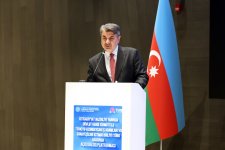
Then, Chairman of the Board of TÜİB, Hüseyin Büyükfirat, delivered a speech. He shared his views on the results achieved and prospects regarding the development of business ties between Azerbaijan and Türkiye. He noted that strengthening mutual relations between entrepreneurs from Azerbaijan and Türkiye, creating new business opportunities, and implementing joint initiatives contribute to the economic development of both countries.
Böyükfırat pointed out that TÜİB members operate across various sectors of the Azerbaijani economy and make significant contributions to the development of the non-oil sector. The head of TÜİB emphasized the vital importance of the tax system for the country's economic development and the sustainability of public services.
Highlighting the significance of dialogue between the public and private sectors, Büyükfırat stated that the Open Dialogue Platform serves as a crucial consultation forum, enabling the business community to share issues, ideas, and proposals directly with government agencies. He expressed confidence that maintaining a dialogue based on mutual trust, open communication, and constructive cooperation would significantly contribute to improving the business environment and fostering economic growth.
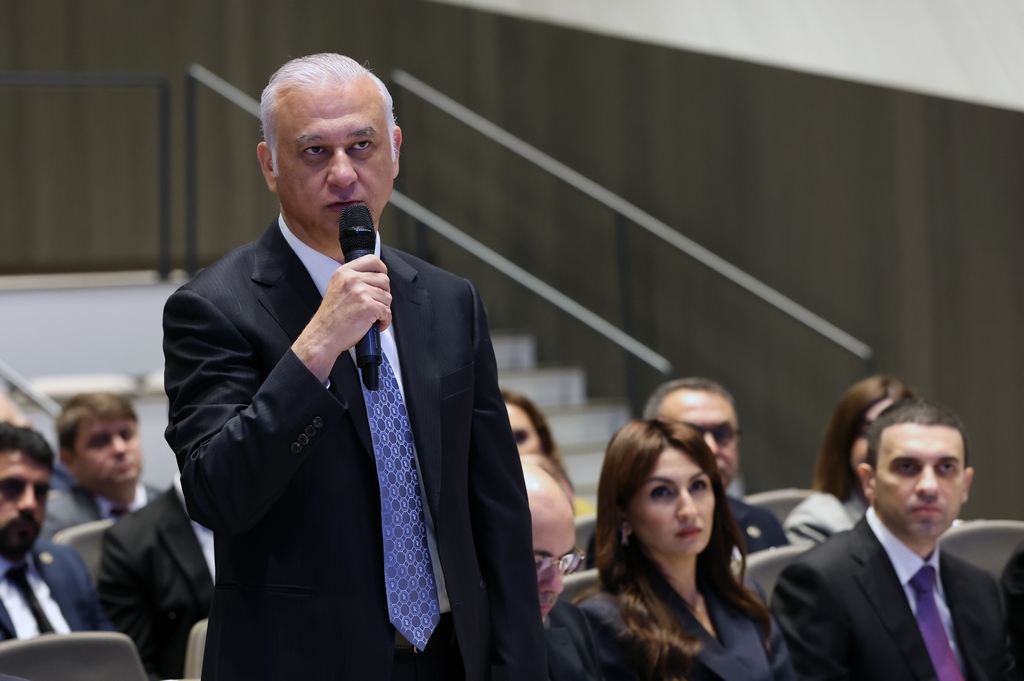
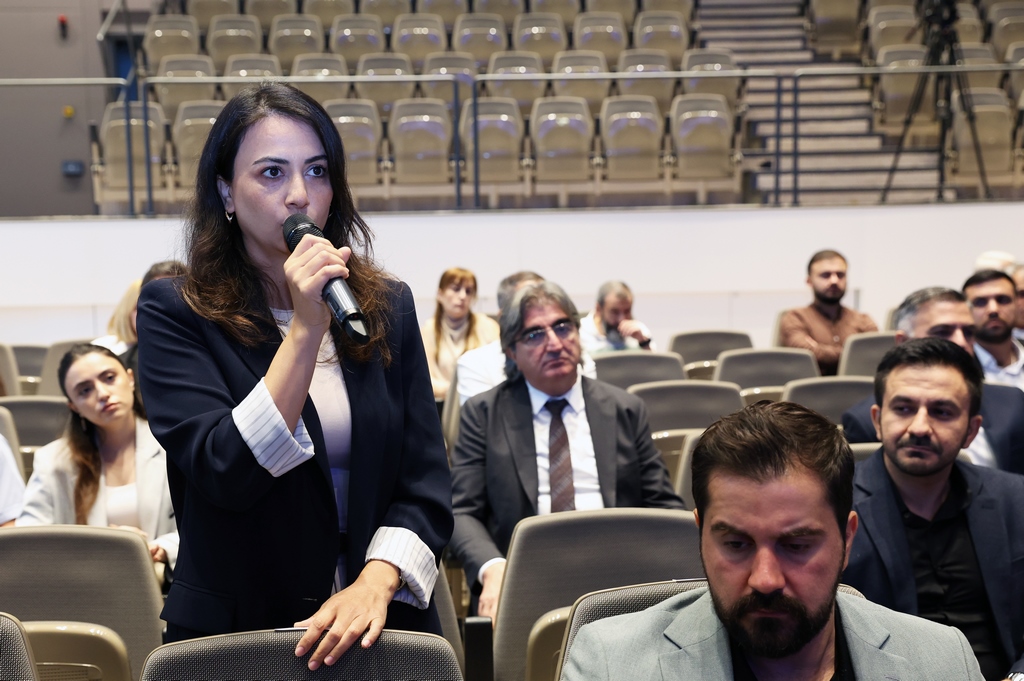
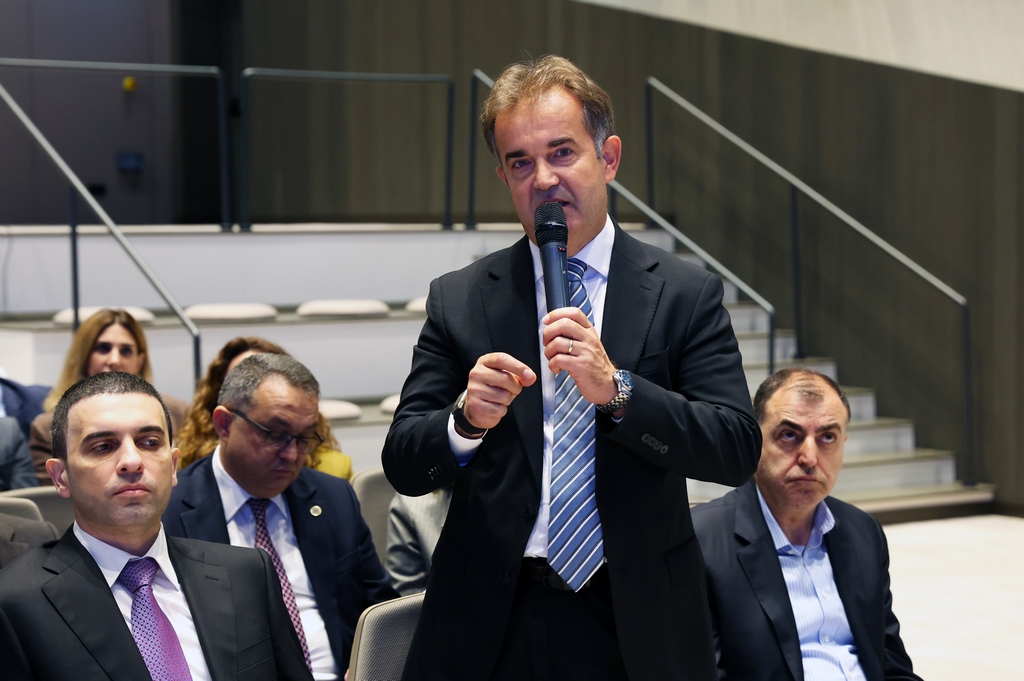
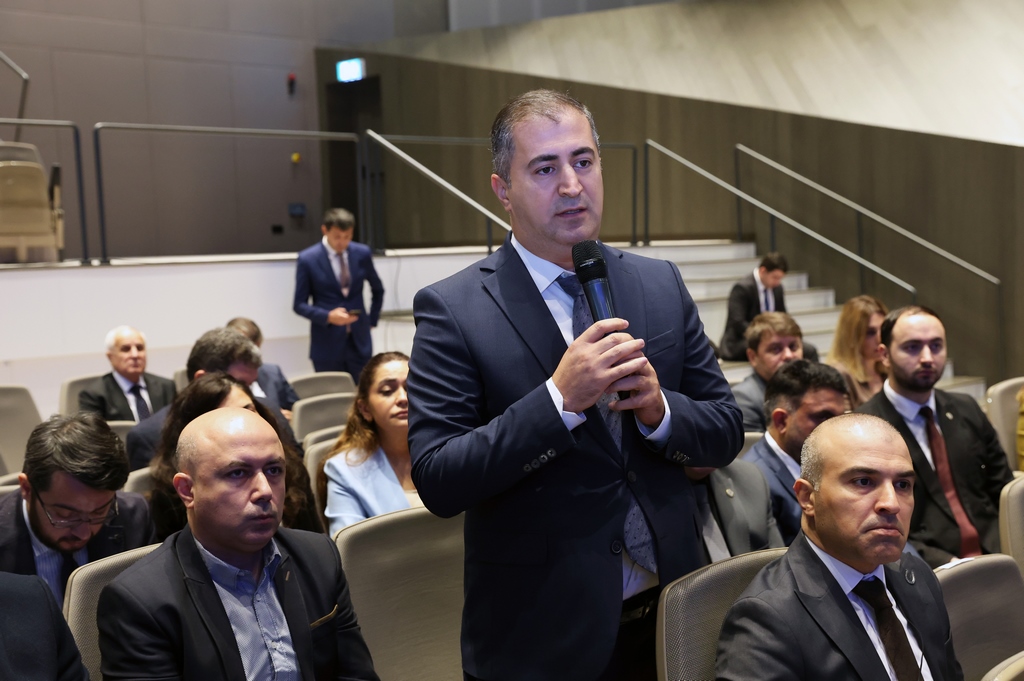
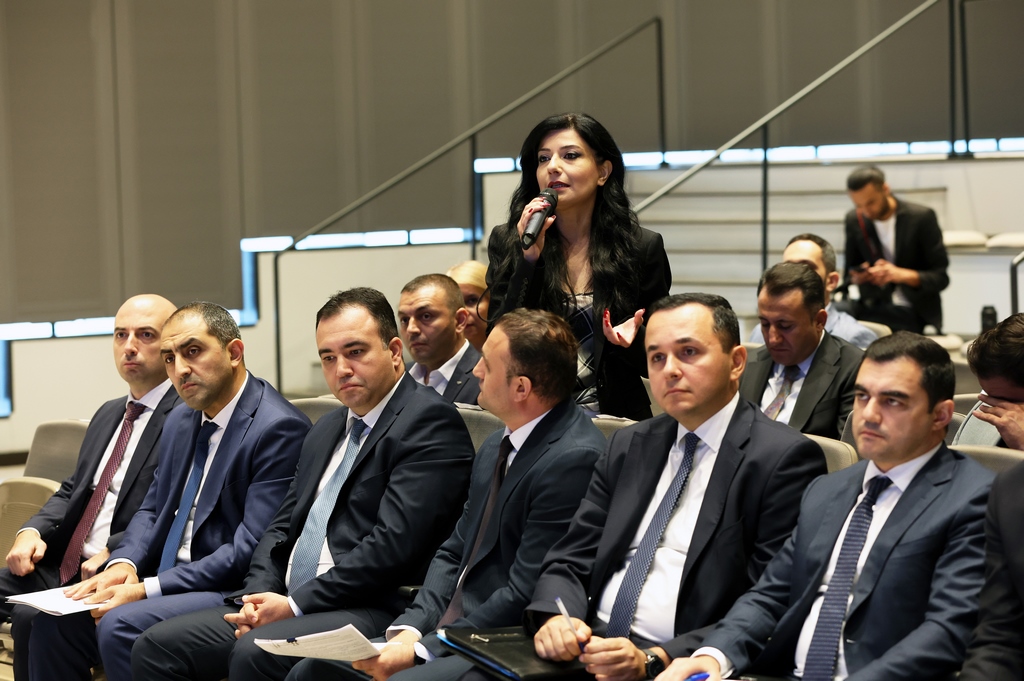
The event continued with answering questions of interest to the entrepreneurs and raising proposals and appeals.