


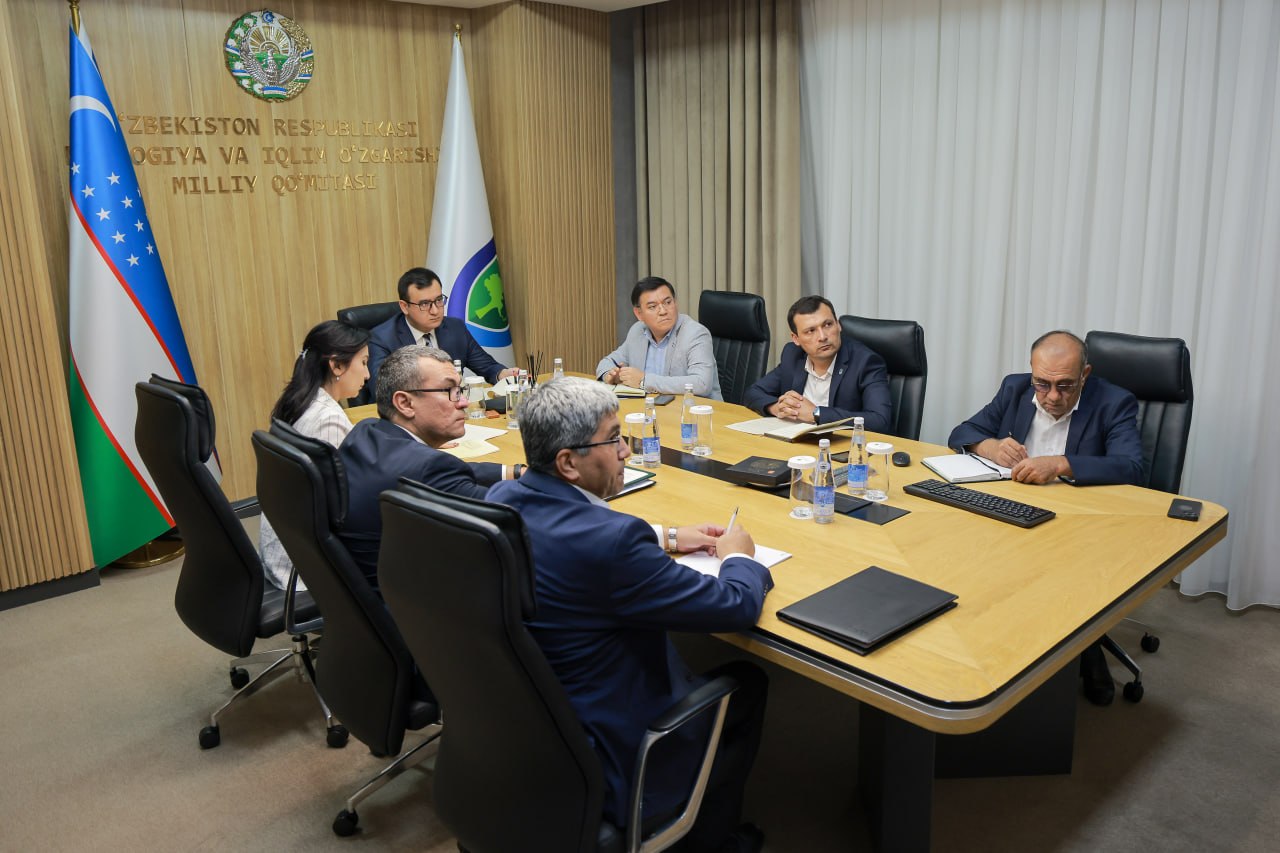

BAKU, Azerbaijan, September 22. Uzbekistan plans to cut the carbon intensity of its GDP by 50% by 2035 from 2010 levels and is planting more than 200 million trees and shrubs annually as part of its environmental policy, Deputy Chairman of the National Committee for Ecology and Climate Change Iskandar Kutbiddinov said at a CIS environmental meeting in Tashkent on Sept. 18.
This was reflected in the statement by the National Committee on Ecology and Climate Change of Uzbekistan, following the 12th meeting of the Interstate Council for Environmental Protection of CIS member states.
Uzbekistan is also seeking to expand environmental cooperation with other Commonwealth of Independent States (CIS) countries, focusing on waste management, climate change, digital technologies and sustainable development.
Kutbiddinov highlighted the significance of Uzbekistan’s accession to the Agreement on Cooperation among CIS Member States in Environmental Protection, saying the move creates new opportunities for the country to deepen its participation in regional environmental initiatives and develop joint projects.
“Today, states face common challenges related to environmental protection, the sustainable use of natural resources, combating climate change, waste management and the development of a circular economy,” Kutbiddinov said.
He added that Uzbekistan supports practical cooperation in areas including waste recycling and the adoption of circular economy principles, the use of digital technologies and modern environmental solutions, improving environmental awareness, jointly addressing the impacts of climate change and promoting sustainable development.
The meeting also highlighted environmental reforms being implemented in Uzbekistan, including nationwide initiatives such as “Yashil Makon” (Green Space), “Zero Waste Territory,” “Clean Air,” “Environmental Culture” and “Biological Heritage.”
Under the Yashil Makon initiative, more than 200 million tree and shrub seedlings are planted across the country each year. The program also focuses on greening the dried seabed of the Aral Sea and restoring degraded land.
Protected natural areas currently account for 15.7% of Uzbekistan’s territory. Under its updated climate policy, Uzbekistan’s NDC 3.0 sets a target of reducing the carbon intensity of GDP by 50% by 2035 compared with 2010 levels.
Participants also exchanged information and experience on ecosystem services, environmental impact assessments and ecological expertise, the establishment and management of transboundary protected areas, and the protection and restoration of water resources.
The meeting outlined further areas for cooperation among CIS countries on environmental protection and climate-related issues.



